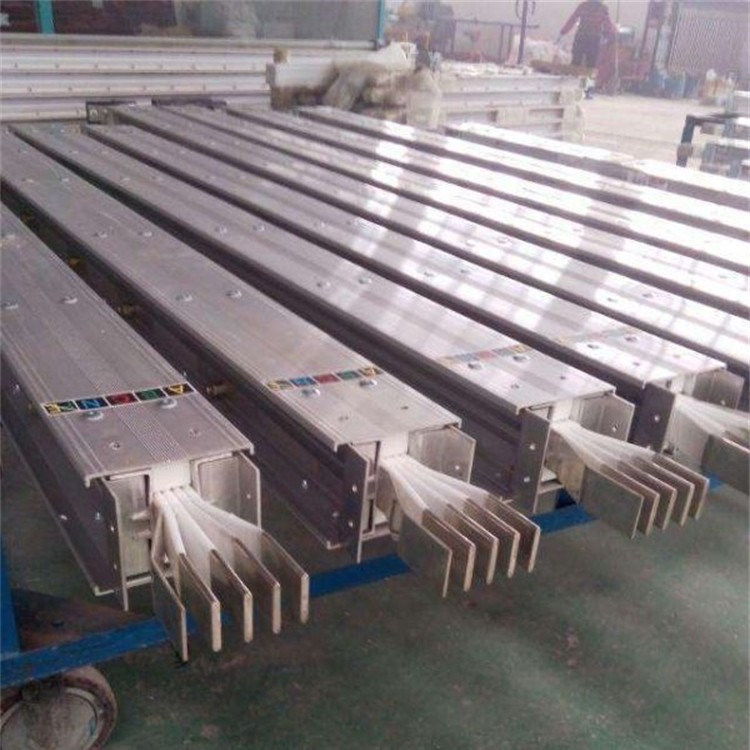

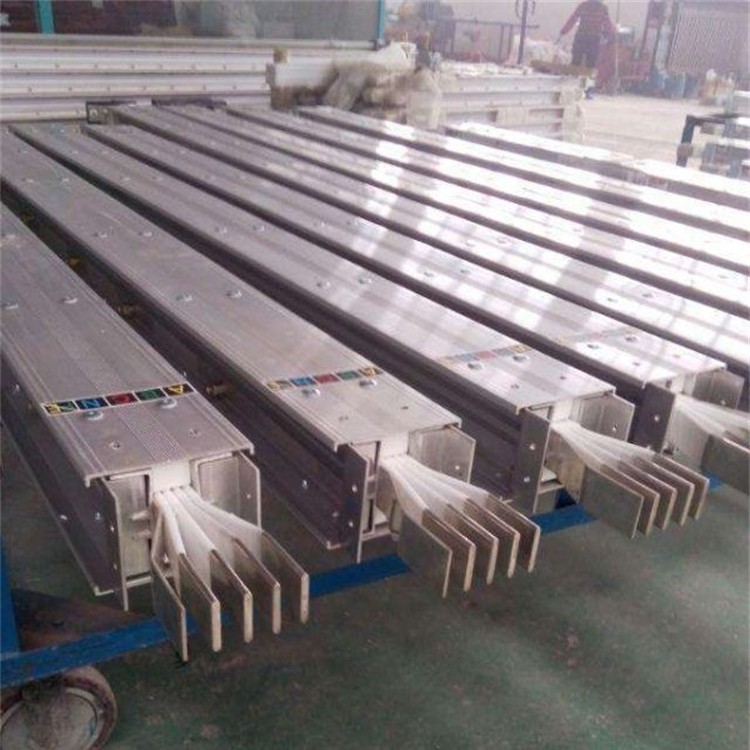
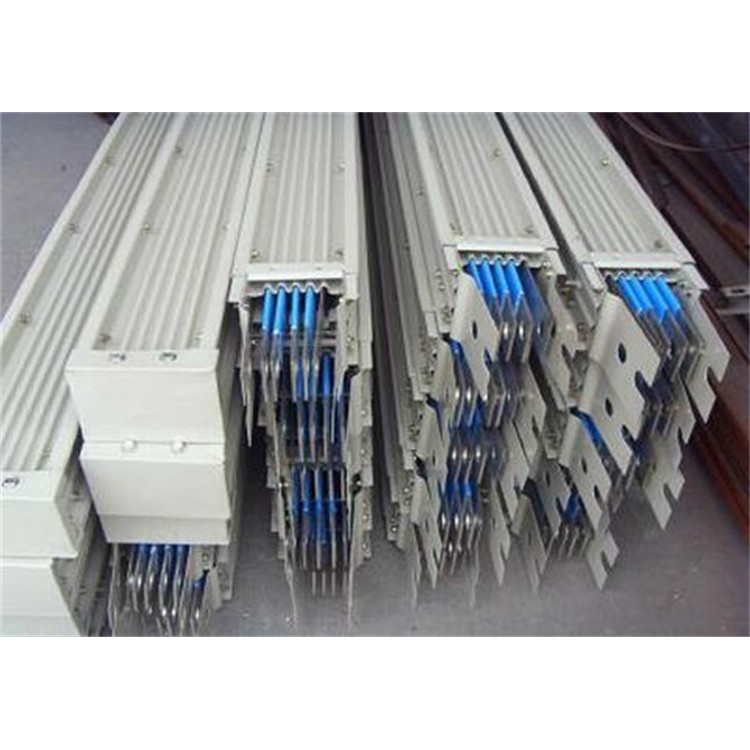











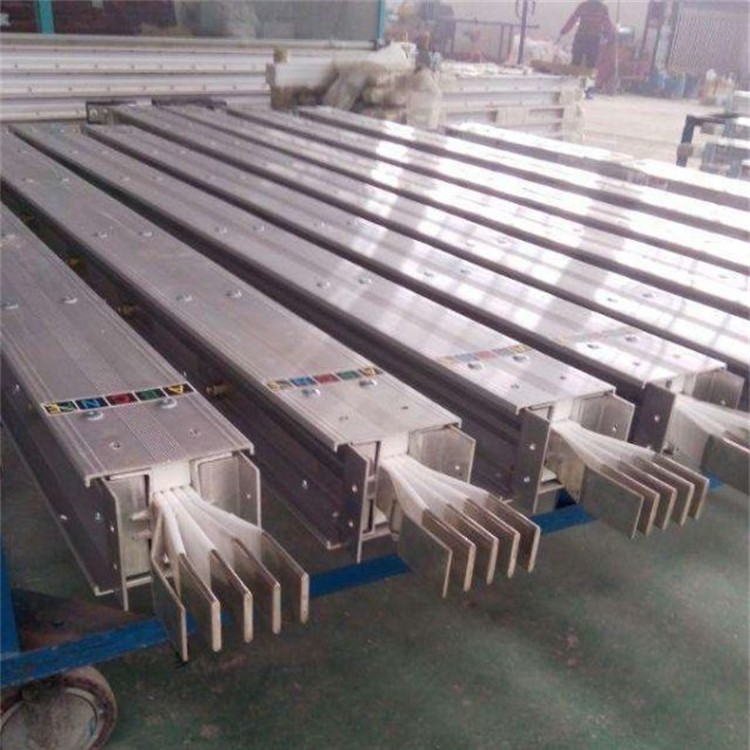
Fire-resistant busway is exclusively designed for the power supply of fire-fighting equipment and is not to be used for any other purpose. Due to its excellent heat resistance and insulation properties, the heat generated within the busway cannot dissipate, thus it should not be operated at full load for extended periods. Besides fire-resistant busway, other busways cannot be operated at full load for long durations. The difference between fire-resistant busway and fire-retardant busway: The outer shell and insulation of the fire-resistant busway are made of fire-resistant materials that can withstand temperatures of ≥1100℃ and insulating materials that can withstand temperatures of ≥300℃. This product offers fire resistance for 60, 90, 120, or 180 minutes. It will only ignite at temperatures between 920℃ to 1050℃, and can operate at full load for over 8 hours. Fire-retardant busway: The outer shell of a standard busway or a fire-retardant smoke spread busway is added with a fire-retardant barrier, and some shells are coated with fire-retardant paint. It can prevent the heat from reaching the interior within the specified time during a fire, allowing the busway to operate normally. The fire will burn at approximately 800 degrees, with fire resistance times of 30, 40, or 60 minutes.