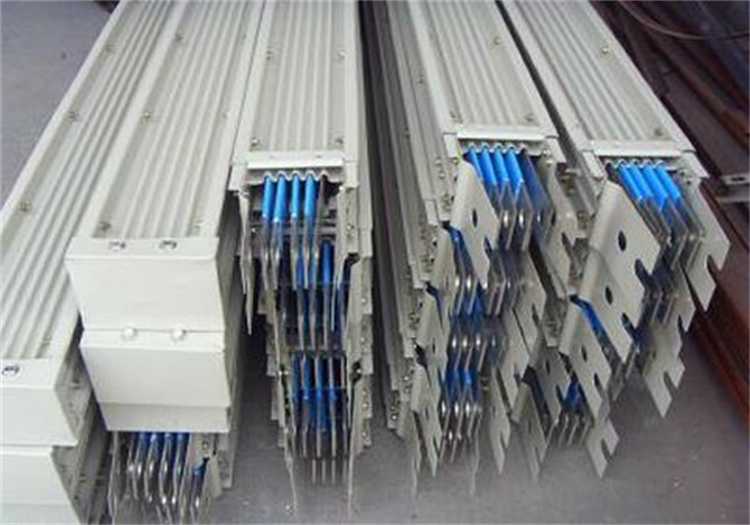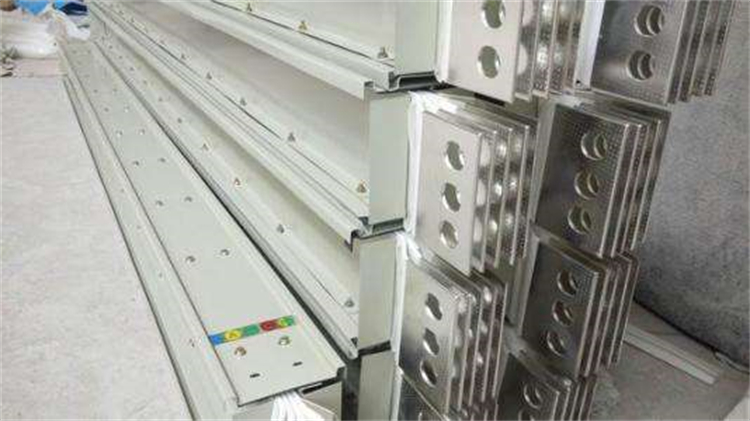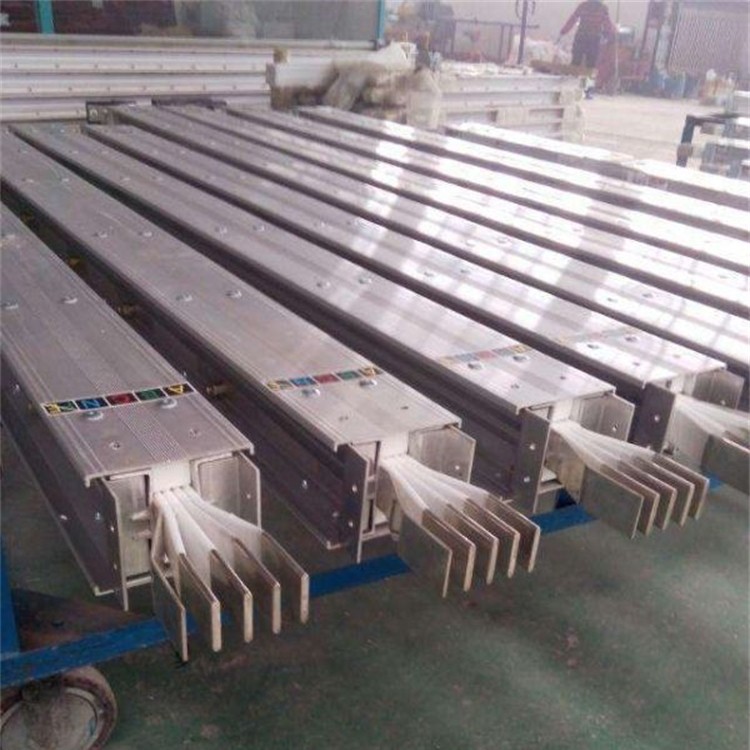

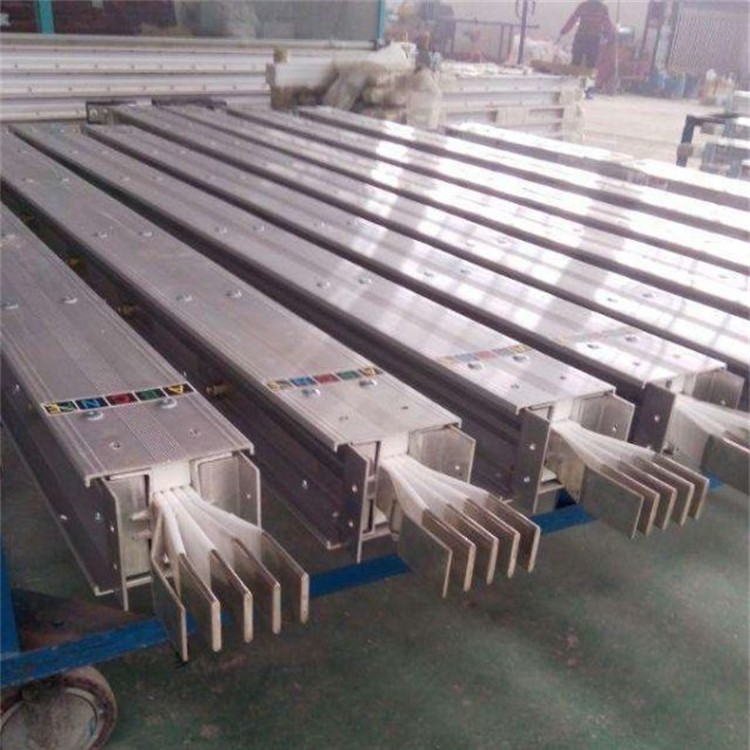
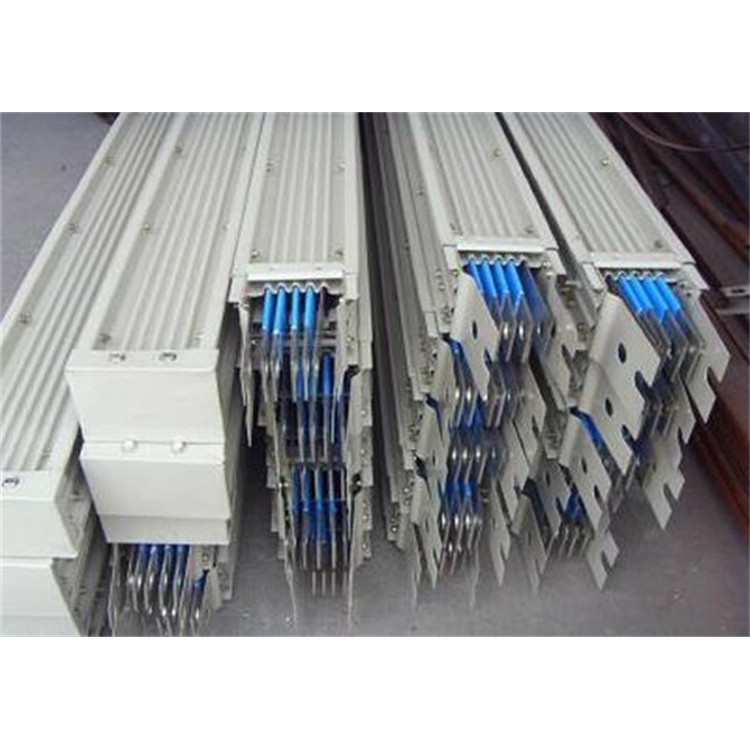
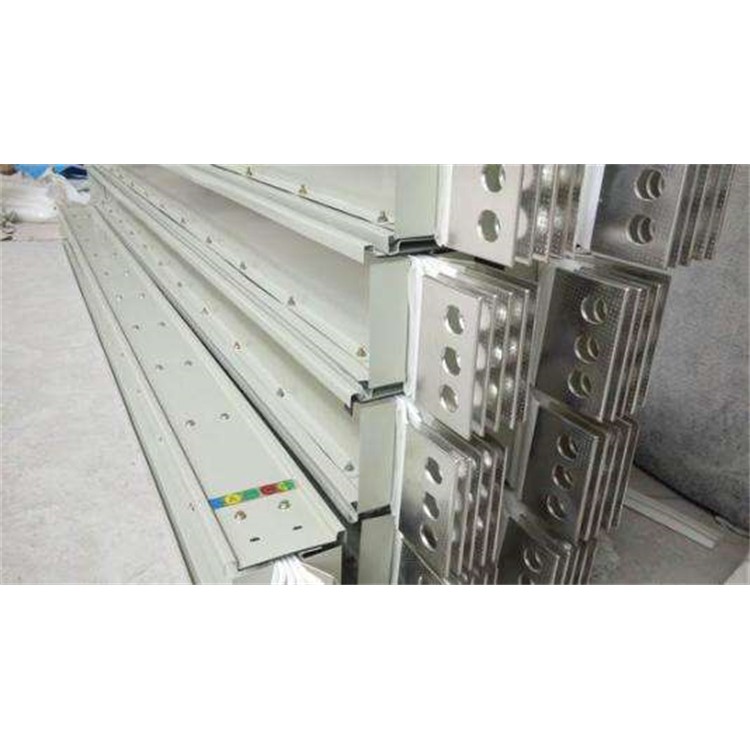











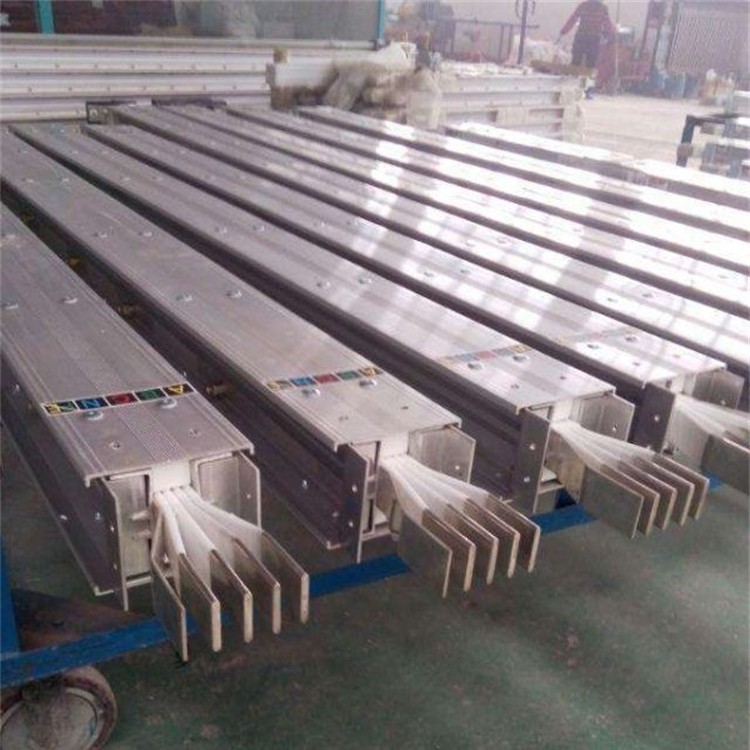
Busway systems (short for busway) are composed of metal plates (steel or aluminum plates) as the protective casing, conductive bars, insulating materials, and related accessories. They can be made into plug-in type busways with junction boxes at regular intervals or into non-junction-boxed feeder type busways. In the power supply systems of high-rise buildings, power and lighting circuits are often separated, with busways installed vertically along the walls in the electrical shafts as the main power supply lines, either a single run or multiple runs. A single busway typically consists of a starting busway, straight-through busways (with and without plug sockets), L-shaped vertical (horizontal) elbows, Z-shaped vertical (horizontal) offsets, T-shaped vertical (horizontal) tees, X-shaped vertical (horizontal) crosses, variable capacity busways, expansion busways, terminal caps, terminal wiring boxes, plug-in boxes, busway accessories, and fastening devices. Busways can be classified into three types based on insulation methods: air-insulated plug-in busways, dense-insulated plug-in busways, and high-strength plug-in busways. They are categorized by structure and use as dense-insulated, air-insulated, air supplementary-insulated, fire-resistant, resin-insulated, and sliding contact busways; and by casing material as steel-cased, aluminum alloy-cased, and steel-aluminum hybrid-cased busways.