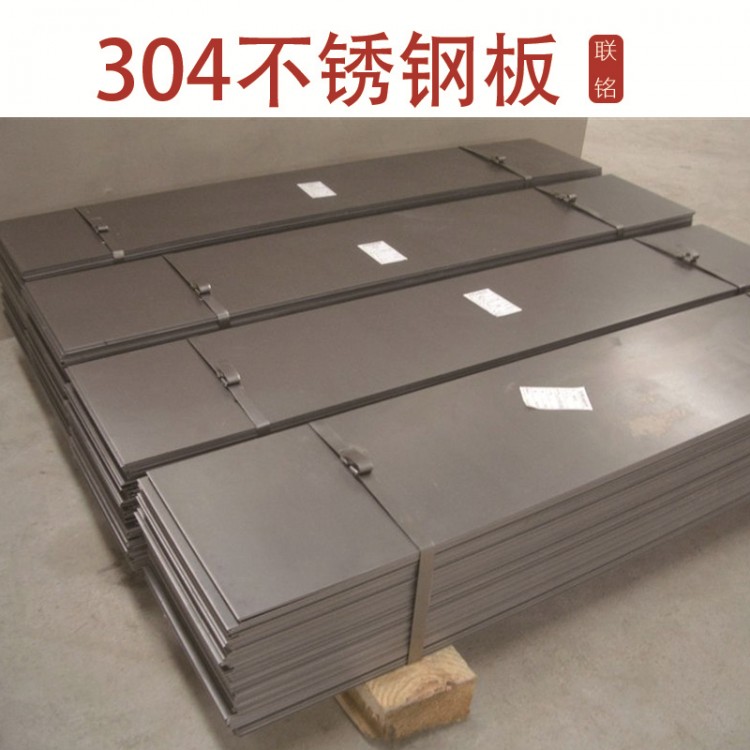












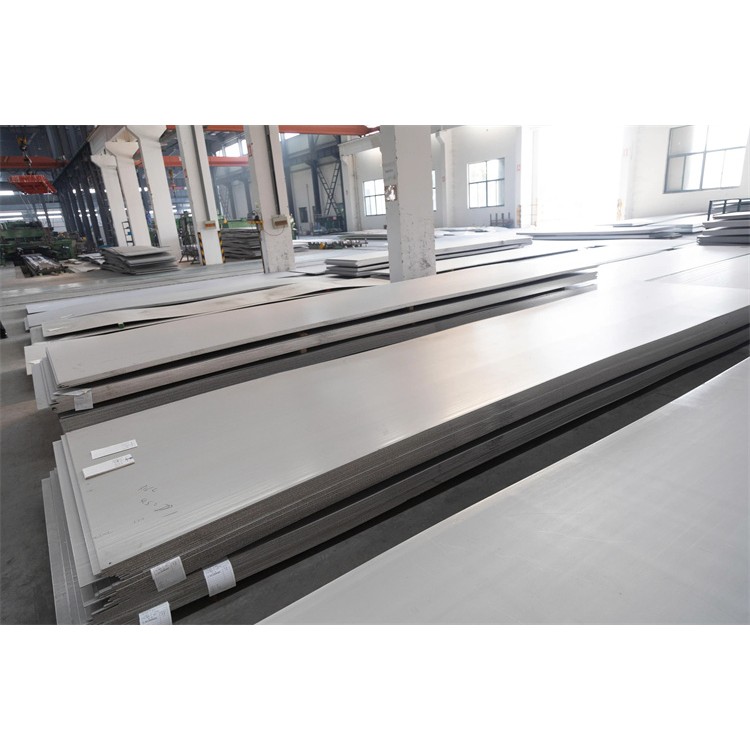
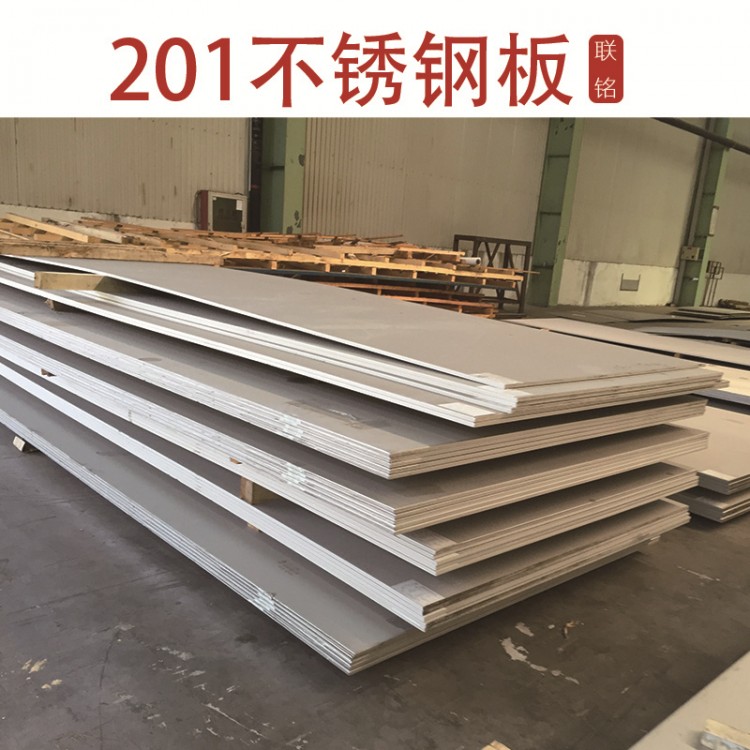
304 stainless steel sheet price per kilogram | Price trend for etched 304 stainless steel sheet today
In various fields such as marine environments, it can be used to manufacture marine structures, seawater desalination equipment, aquaculture equipment, and seawater heat exchange systems; in the environmental protection sector, it can produce flue gas desulfurization units for thermal power generation and wastewater treatment; in the energy sector, it can be utilized for nuclear power generation, comprehensive coal utilization, and tidal power generation; in the petrochemical industry, it is suitable for refining oil and producing chemical and petrochemical equipment; in the food industry, it can be used to make salt-making and soy sauce brewing equipment.
In the aforementioned numerous fields, ordinary 304 stainless steel is not suitable, making special stainless steel indispensable in these unique areas. Over the past few years, with the rapid economic development and the continuous advancement of industrial sectors, an increasing number of projects require higher-grade special stainless steel (super stainless steel, nickel-based alloys).

When sorting a variety of waste stainless steel with diverse specifications, the key is to first identify their respective uses before determining the steel grades. Generally, the classification of stainless steel is closely related to its applications, with the source mainly being discarded stainless steel utensils and other scrap materials from daily life, which can only be recycled as furnace charge. Next are kitchen equipment and tableware, with steel grades typically being 304 and 430 stainless steel. The food processing industry mainly produces machinery and containers for food processing, such as grain, beer and beverage, dairy processing equipment, and quick-freezing and refrigeration equipment, with the primary steel grades being 304, 321, 1cr13, and antimicrobial ferritic stainless steel. During the industrial production process, the trimming and stamping waste (new material) includes some directly usable pipes, rods, and plates, but in smaller quantities. Urban landscape projects mainly use stainless steel welded pipes, while the automotive industry primarily uses ferritic stainless steel 409 for exhaust pipes. Other industries like urban water supply projects, environmental protection, petrochemical, and power sectors also generate a significant amount of waste stainless steel. The pump and container markets for oil, gas, and acids are major markets for producing waste stainless steel tanks, pipes, pumps, and valves, with the primary steel grade being 18/8 stainless steel.