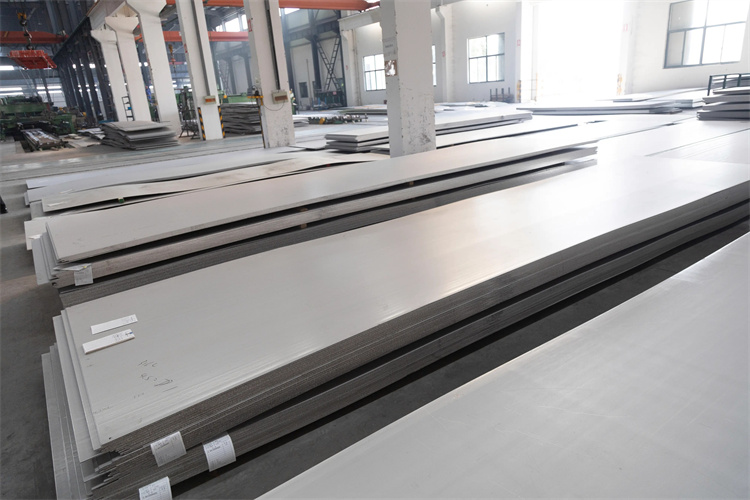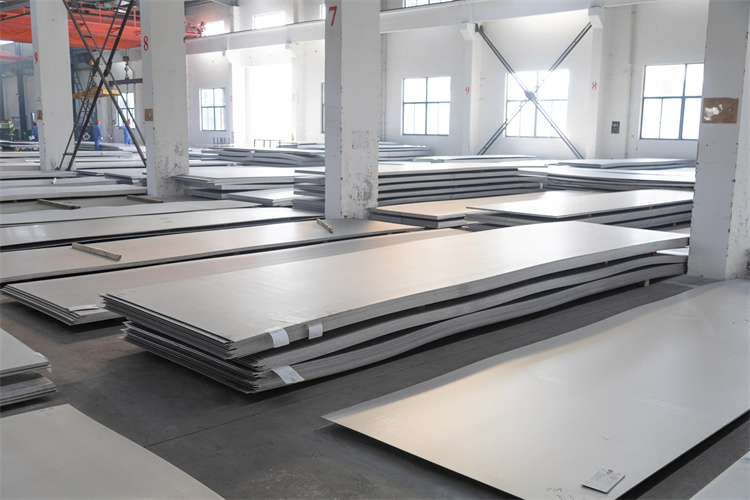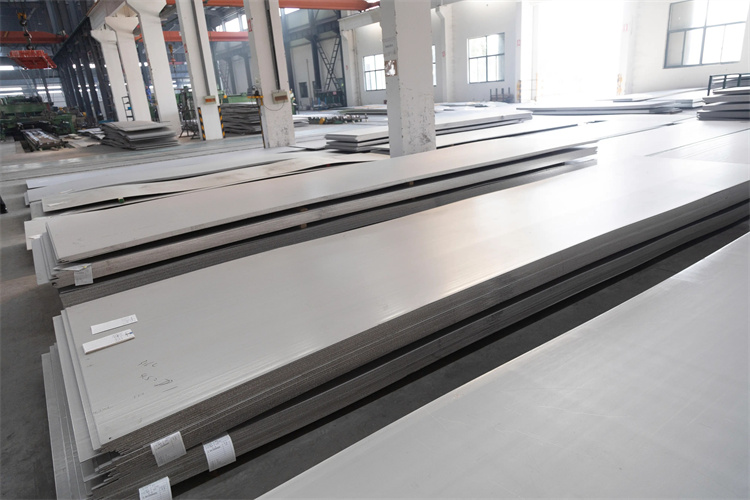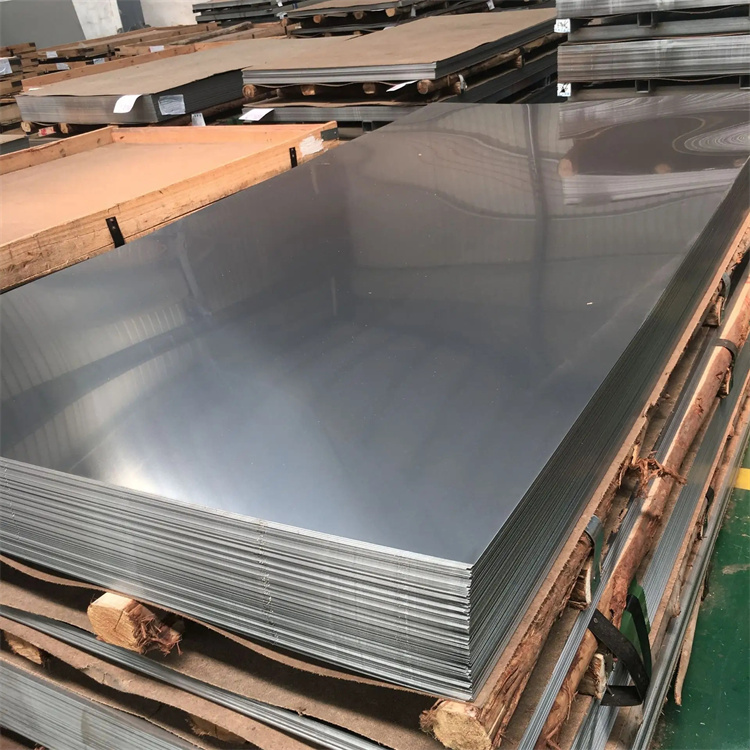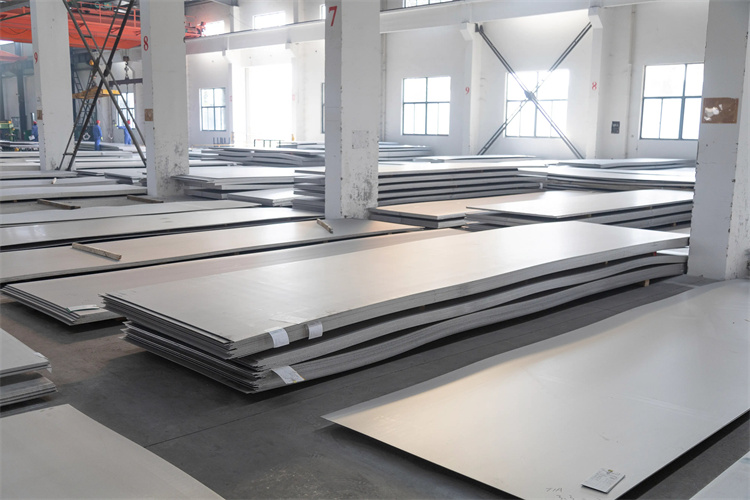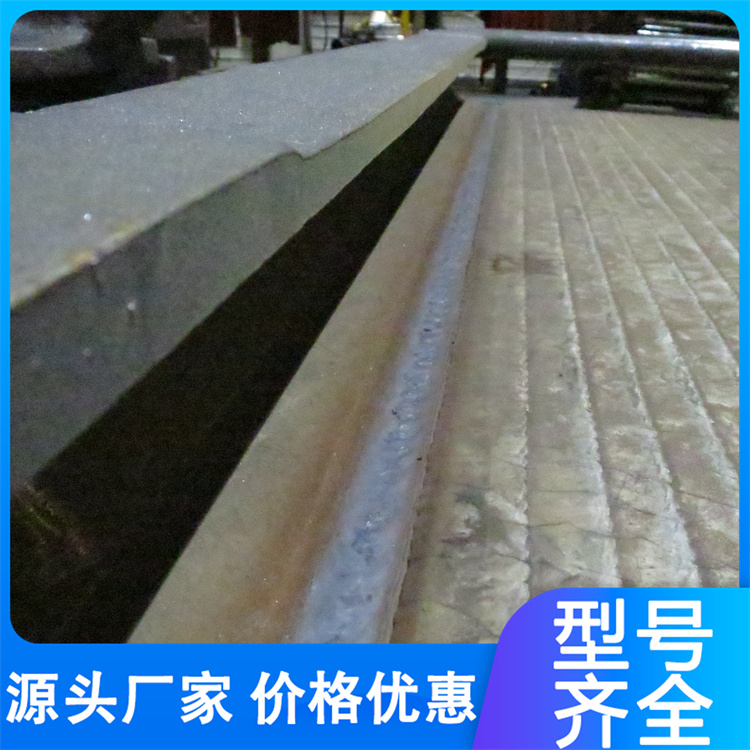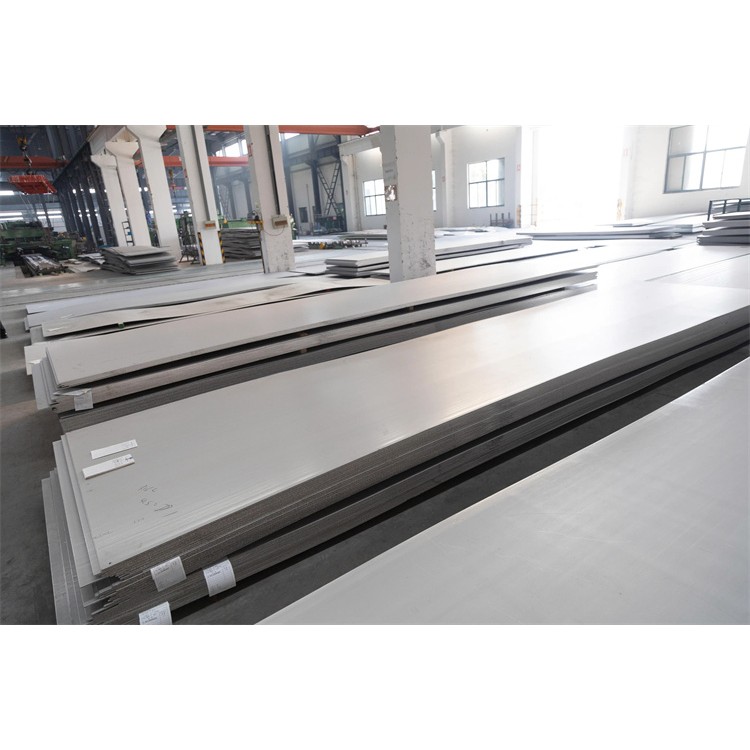

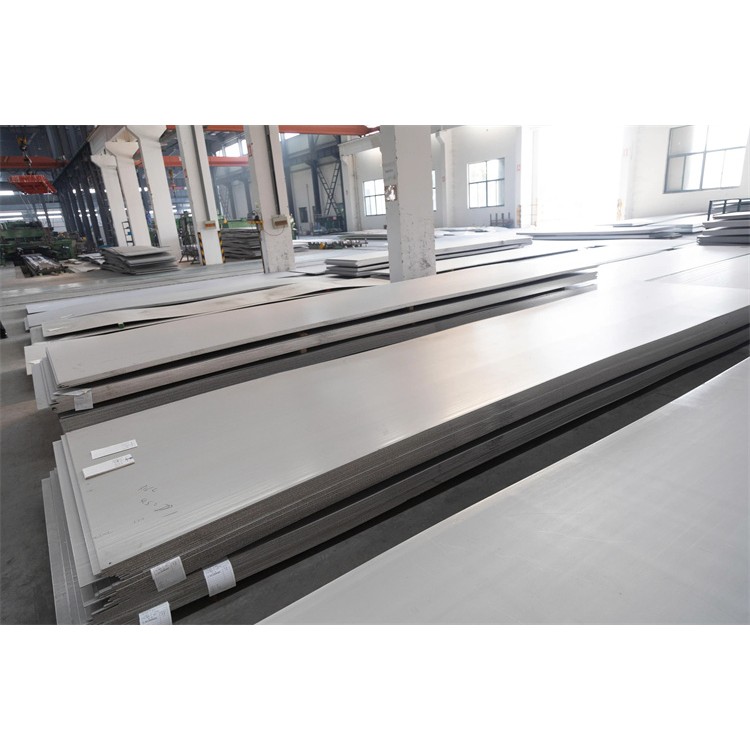
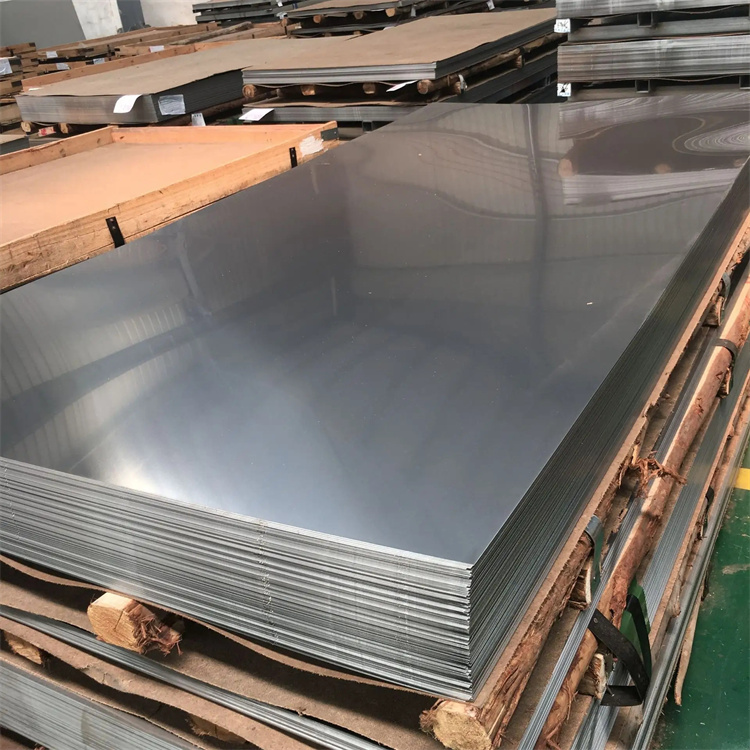











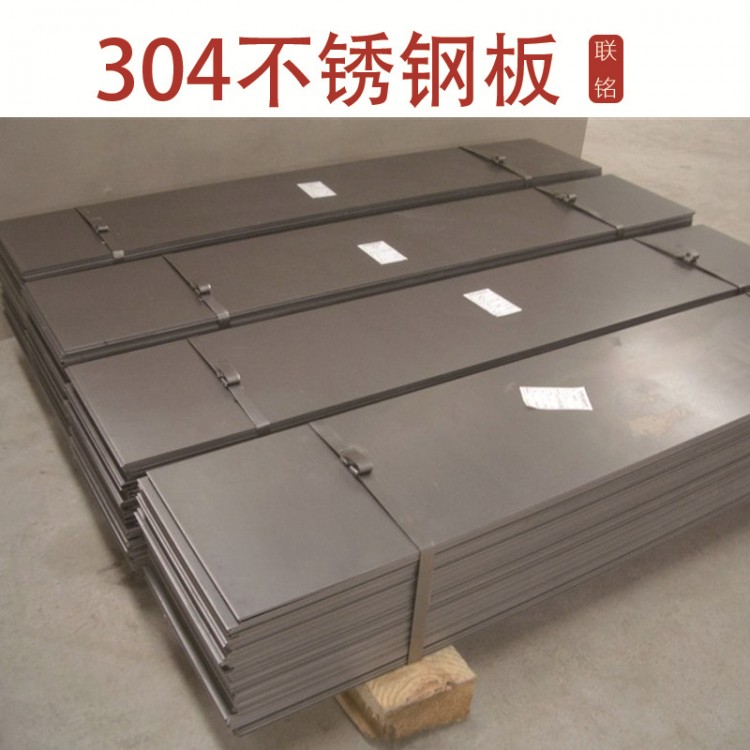
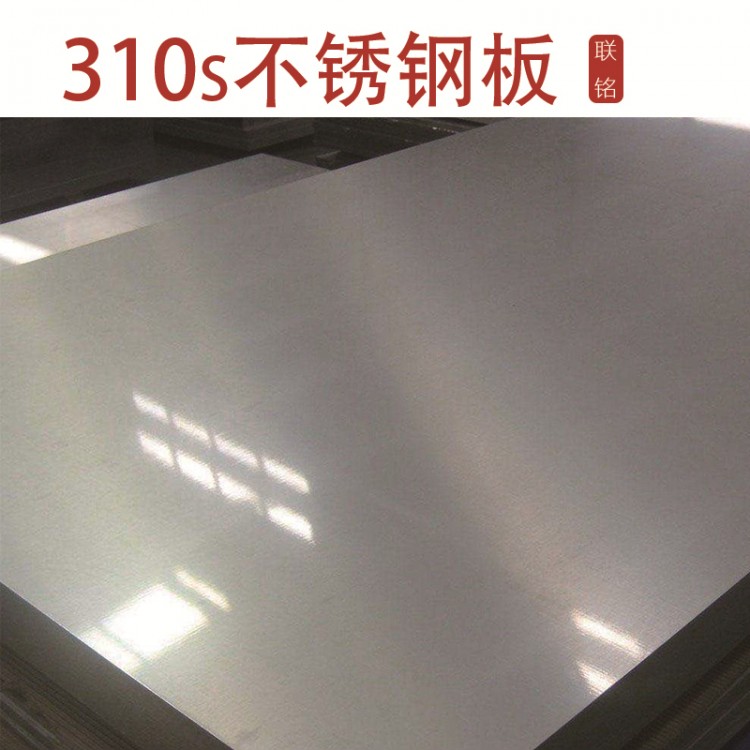
The surface of the stainless steel plate features straight and fine grooves of varying depths. These grooves run parallel to the rolling direction, appearing continuously or intermittently, with inconsistent spacing and no fixed pattern. The pre-smoothing before leveling is relatively smooth, with the grooves displaying a gray-black color. After leveling, there are scratches present, along with burrs and a metallic sheen.
The cause is that parts with sharp edges or hard objects in contact with the steel during pickling, rolling, leveling, and finishing machines cause relative motion; the various rolls (feed rolls, pressing rolls, guide plates) on the finishing line do not operate, resulting in scratches; during unwinding or coiling, the speed of the strip changes or there is relative motion between layers.
When sorting a variety of scrap stainless steel with numerous specifications, the key is to first identify their respective uses, then determine the steel types. Generally, the classification of stainless steel is closely related to its applications, primarily sourced from discarded stainless steel utensils and other old materials from daily life, which can only be recycled as furnace material. Next are kitchen equipment and tableware, with steel types typically being 304 and 430 stainless steel. In the food processing industry, mainly manufacturing equipment and containers for food processing, such as grain, beer and beverage, dairy processing equipment, and quick-freezing and cold storage equipment, the primary steel types are 304, 321, 1cr13, and antibacterial ferritic stainless steel. In industrial production processes, the scrap materials (new material) cut and pressed off include some directly usable pipes, rods, and plates, with a smaller quantity. Urban landscape projects mainly use stainless steel welded pipes, while the automotive industry primarily utilizes ferritic stainless steel 409 for exhaust pipes. Other industries such as urban water supply, environmental protection, petrochemical, and power sectors also generate a significant amount of scrap stainless steel. The pump and container markets for oil, gas, and acids are major markets for generating large quantities of scrap stainless steel tanks, pipes, pumps, and valves, with the main steel type being 18/8 stainless steel.