








The primary function of the activated carbon filter is to remove large molecular organic matter, iron oxides, residual chlorine, and turbidity. This is because organic matter, residual chlorine, and iron oxides are prone to poison ion exchange resins. Moreover, residual chlorine and cationic surfactants not only poison and contaminate the resins but also damage the membrane structure, rendering the reverse osmosis membrane ineffective.
The adsorption principle of activated carbon is to form a balanced surface concentration on its particle surface, then adsorb organic impurities into the activated carbon particles. The initial adsorption effect is high, but over time, the adsorption capacity of activated carbon varies and its effectiveness diminishes. If the water is turbid and contains a high level of organic matter, the activated carbon will quickly lose its filtering function. Therefore, activated carbon should be cleaned or replaced regularly.
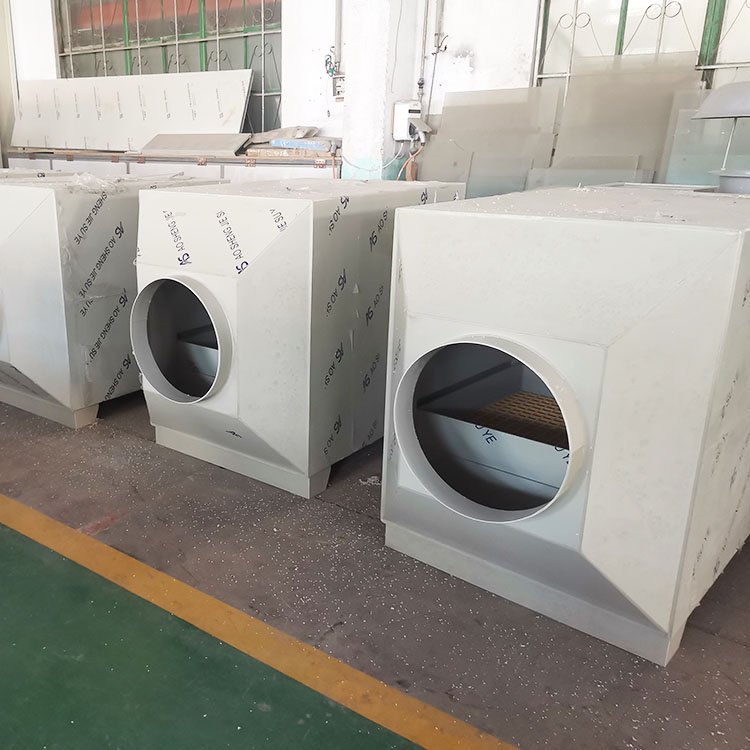
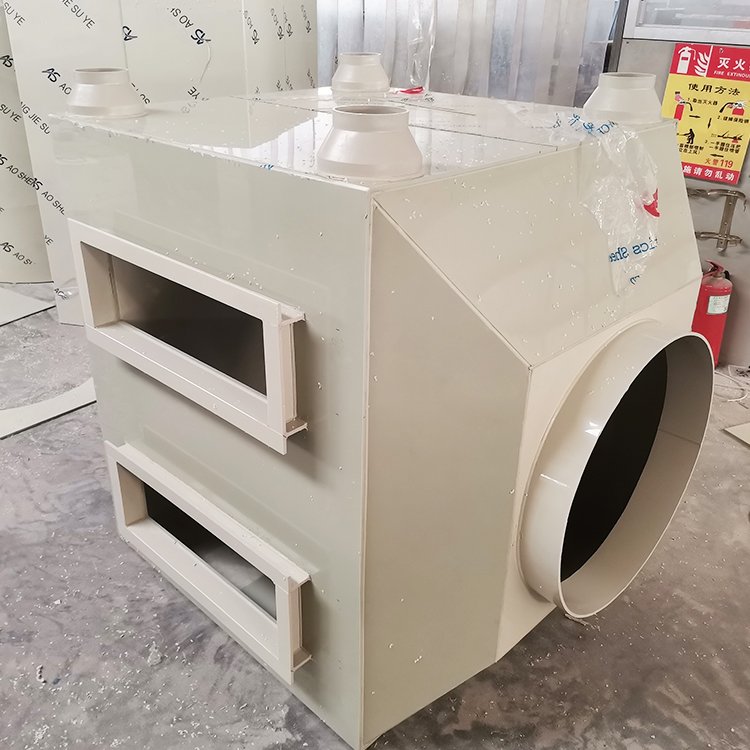
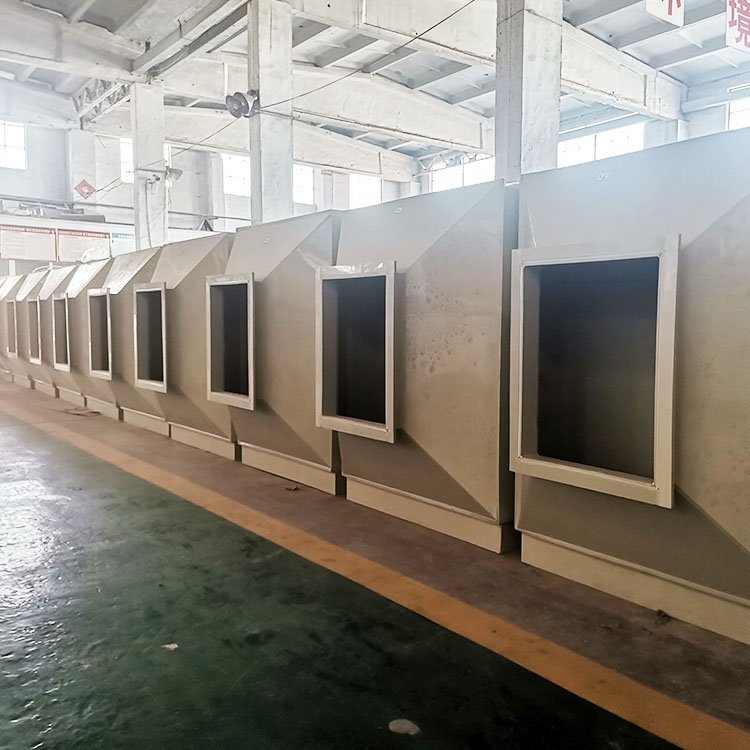
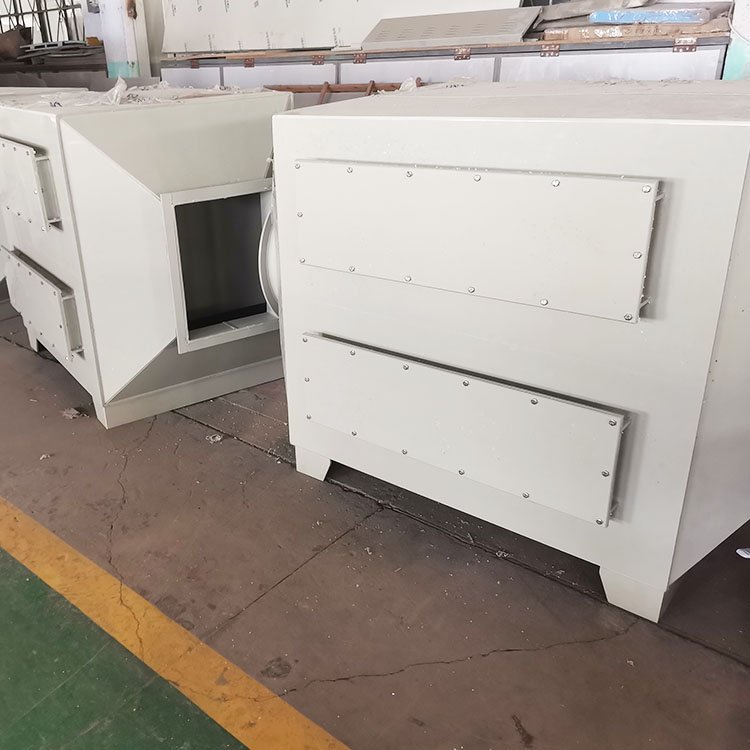
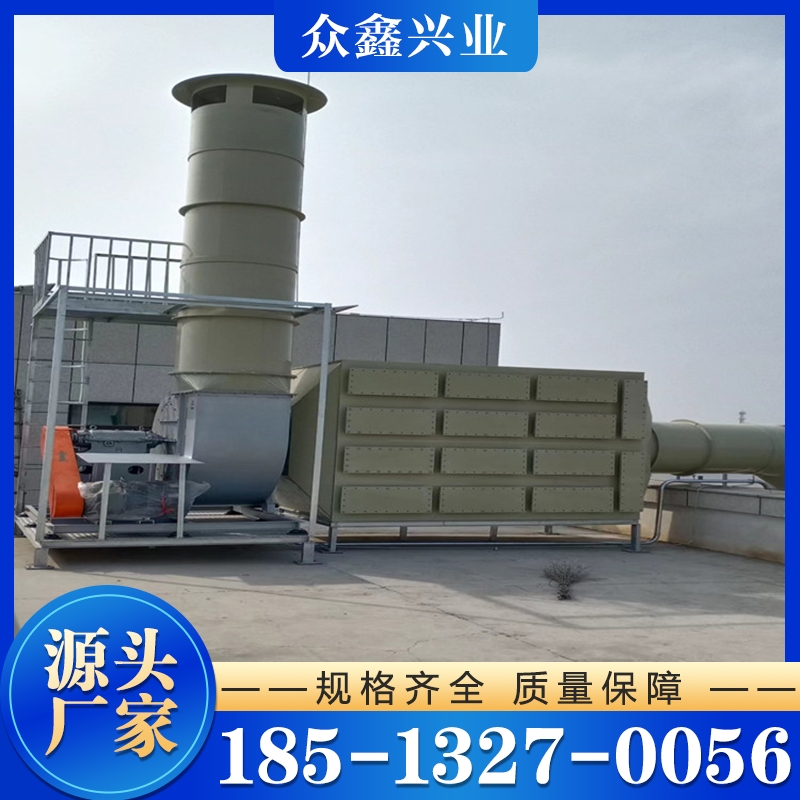
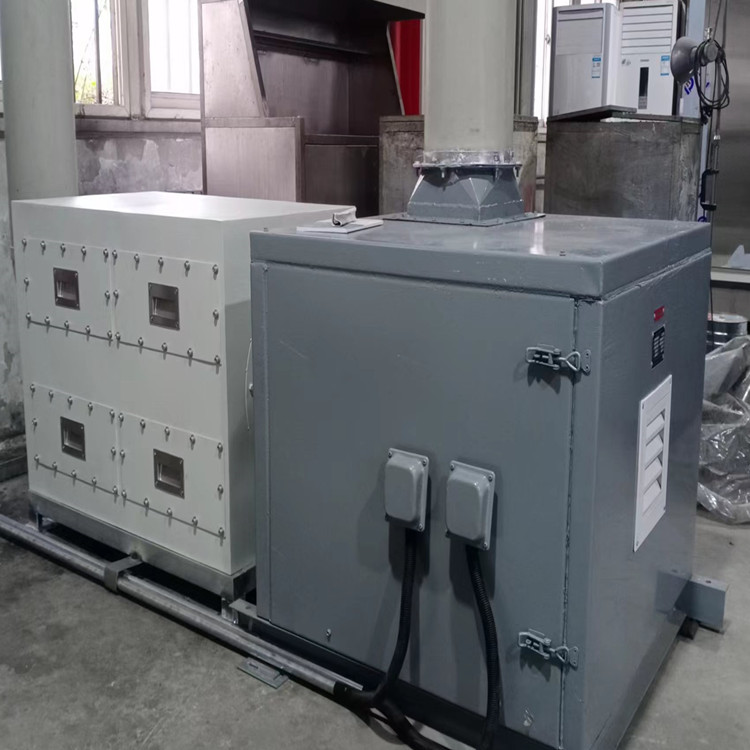
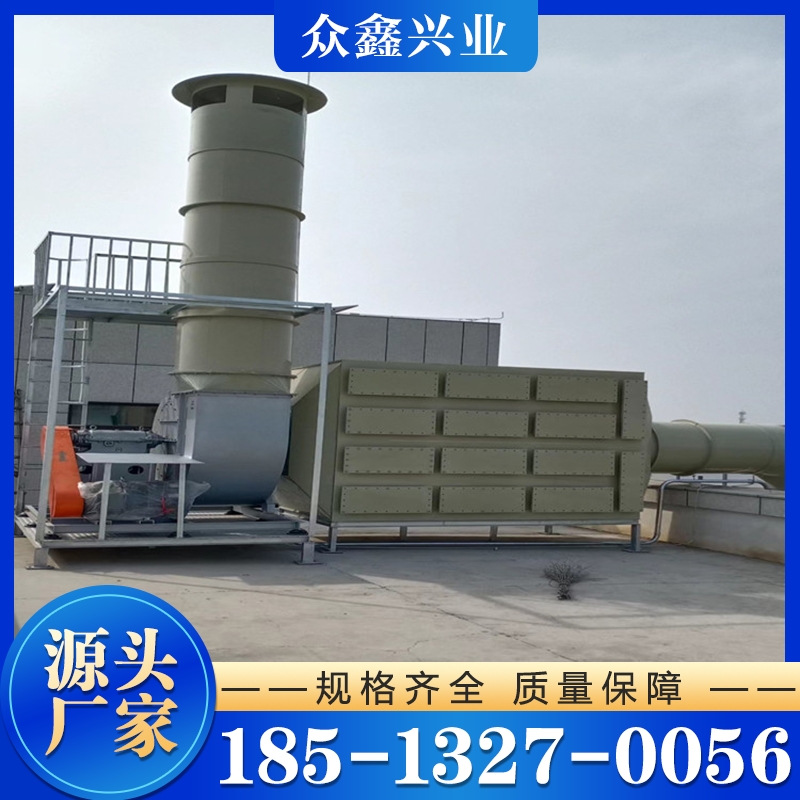
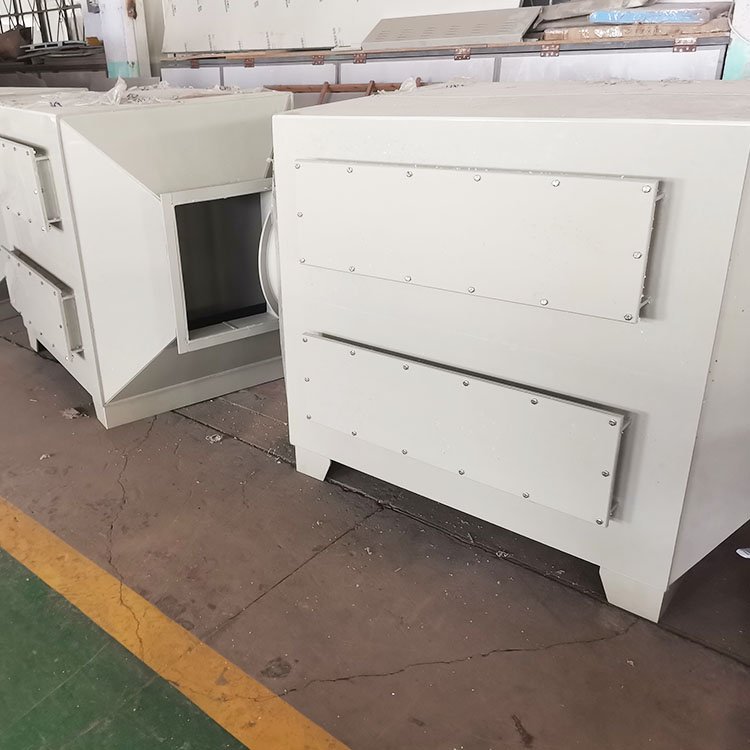
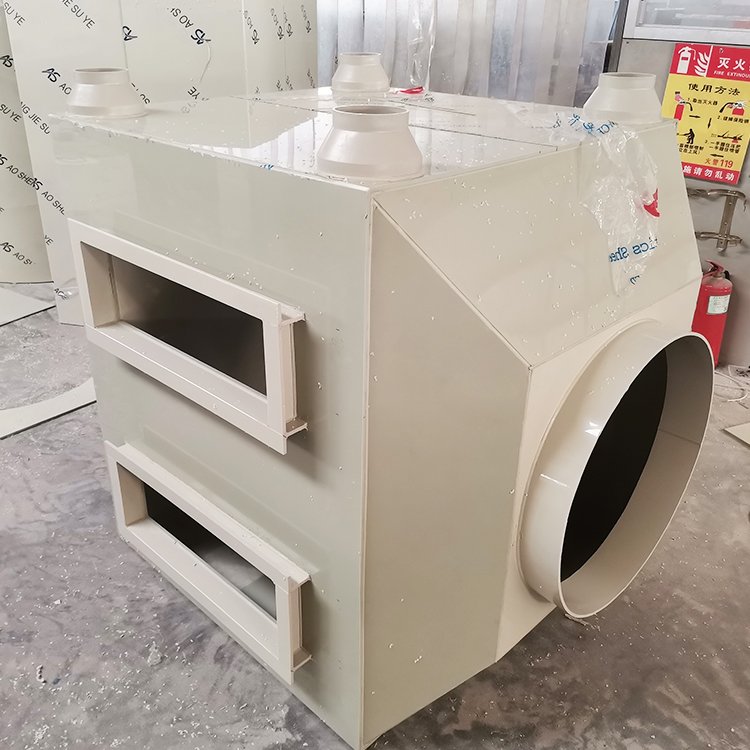
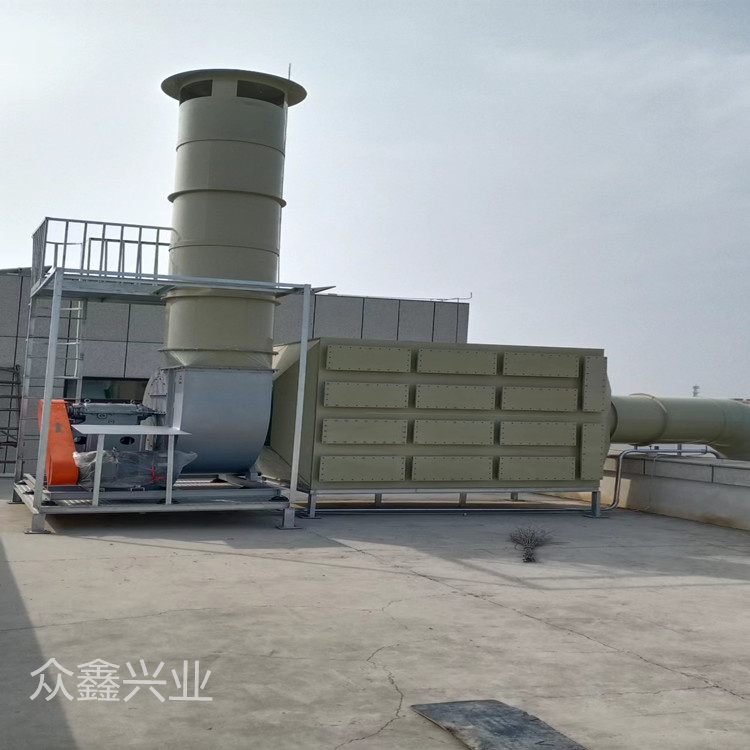
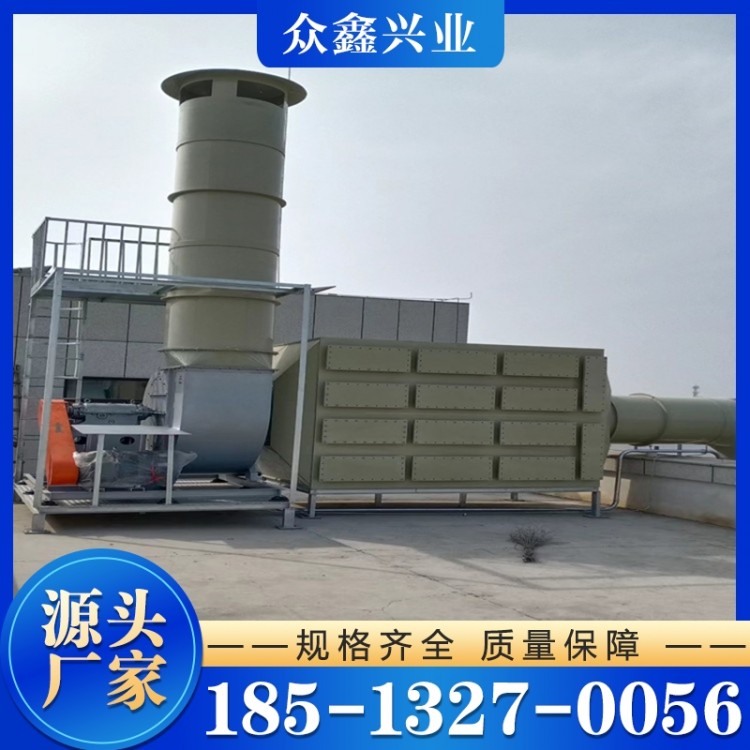
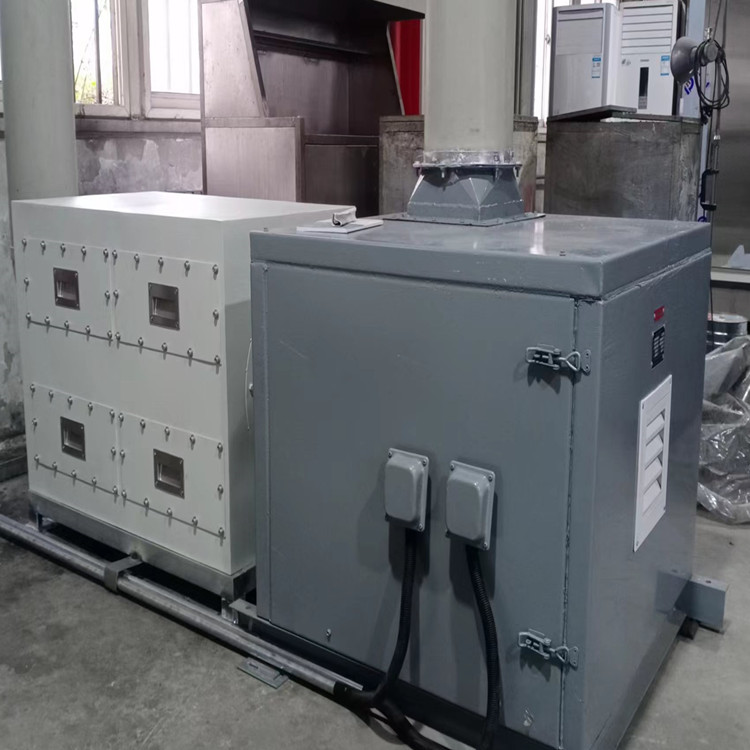
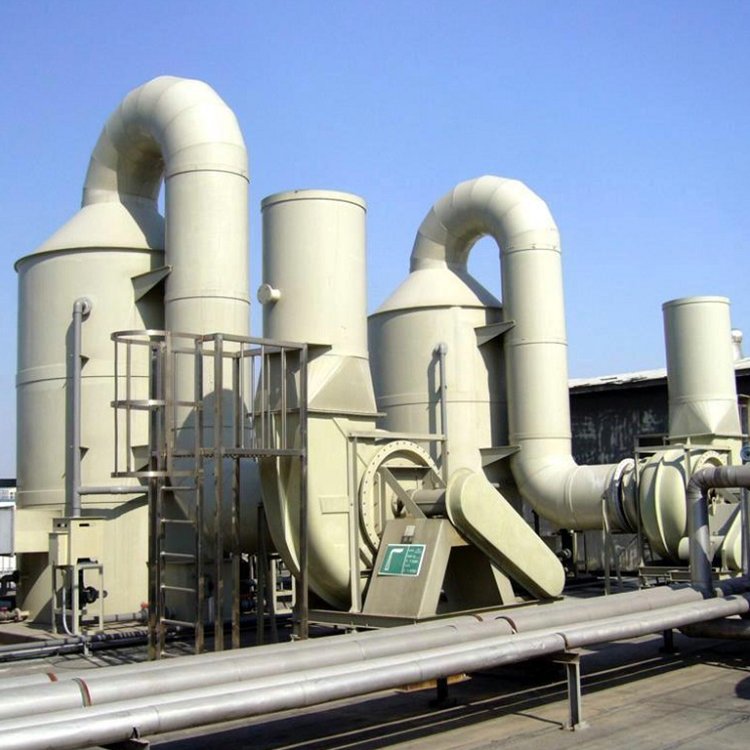
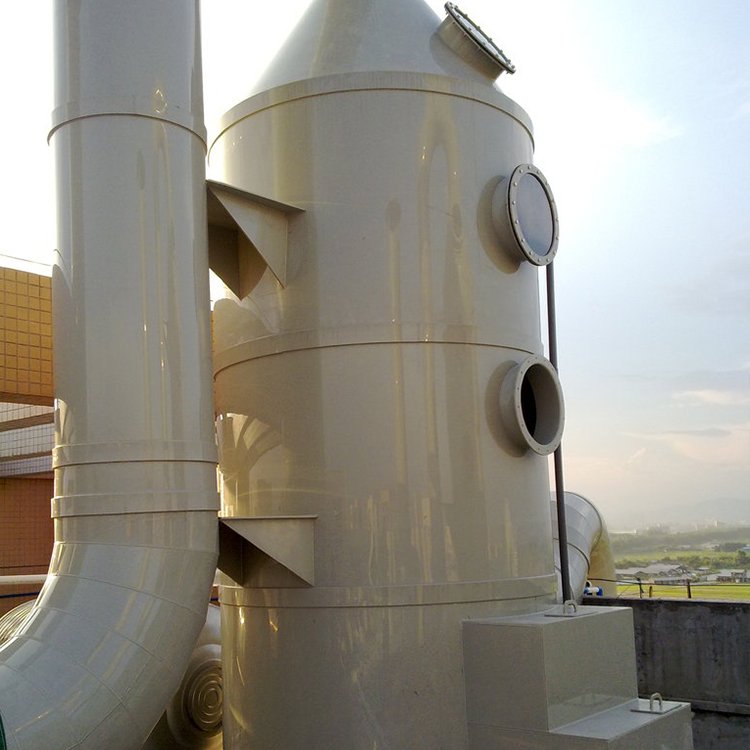
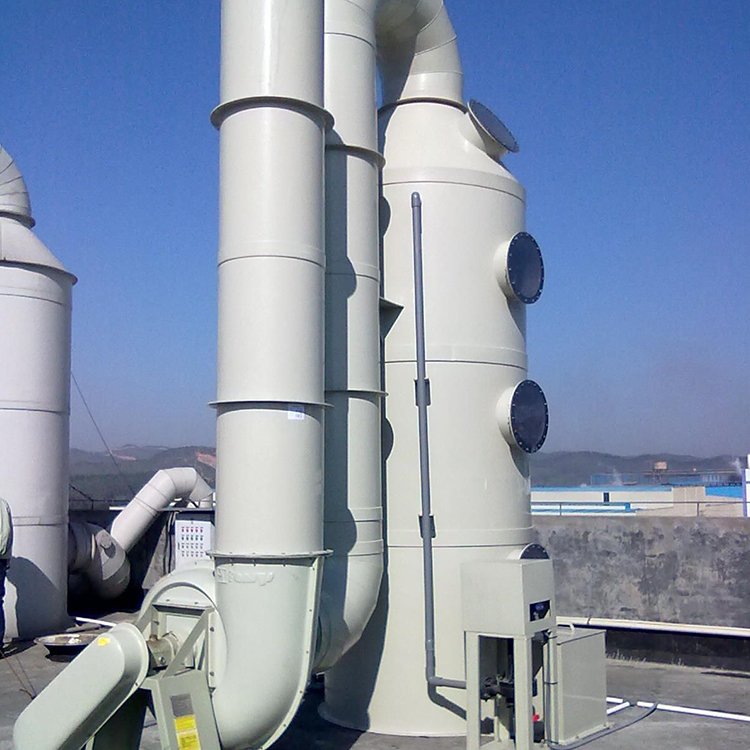
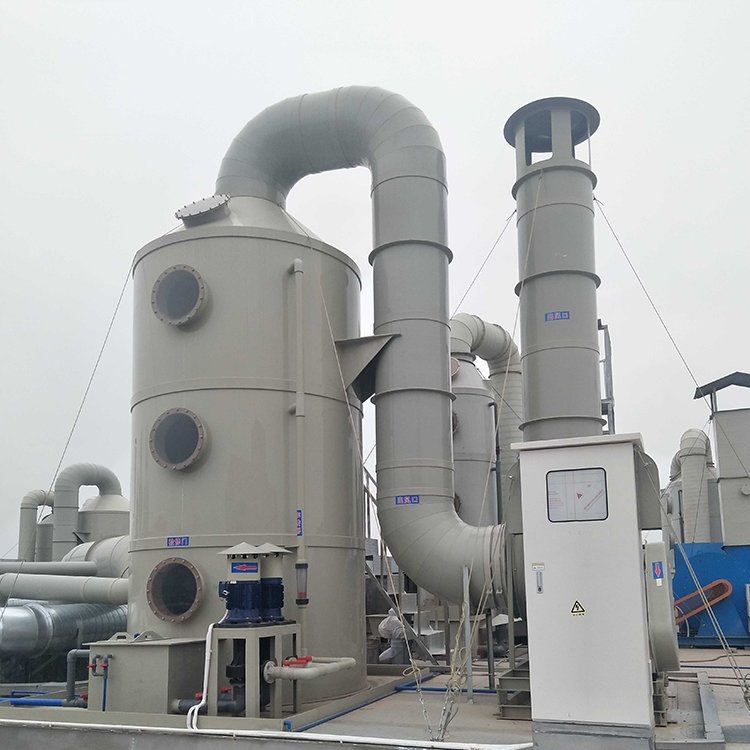
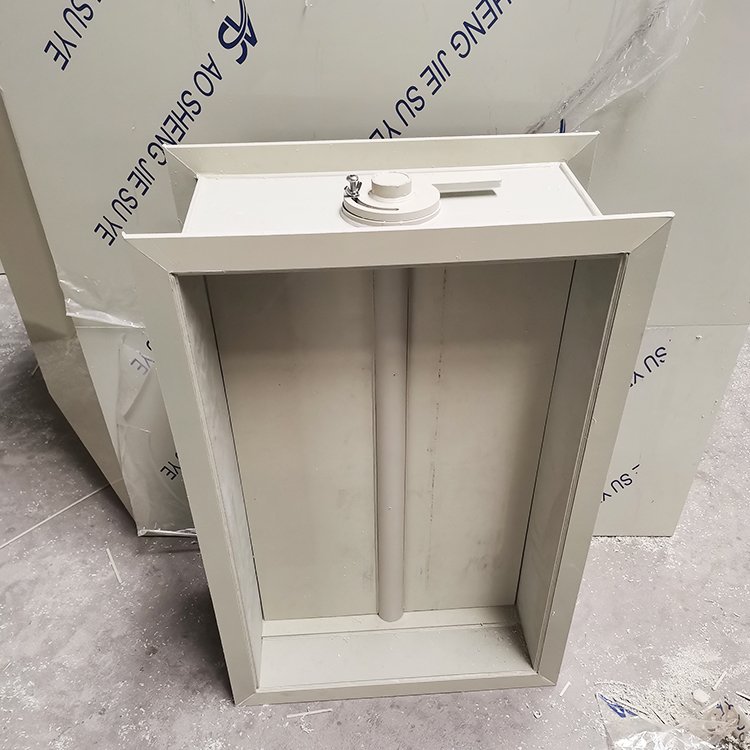
In activated carbon filtration equipment, we all know that activated carbon is the main filter. The substances to be filtered pass through the activated carbon, and the substances that need to be removed are adsorbed into the activated carbon, resulting in successful filtration. So, what is the activated carbon filter box used for? It is also known as an activated carbon吸附 tower and is a type of waste gas treatment equipment. Simply put, it is used to contain activated carbon.
Usage Features:
One, Selective
Activated carbon filter boxes exhibit varying adsorption efficiencies for different substances. They have a certain selectivity, with easier adsorption of non-polar substances compared to polar ones. High-boiling-point substances are more easily adsorbed, while low-boiling-point substances are not. Additionally, lower temperatures, higher pressures, and higher concentrations lead to greater adsorption amounts, whereas the opposite is true. We won't delve into each detail here. Every consumer's usage is unique. For a deeper understanding, a comparative analysis based on your specific situation is recommended. We suggest searching online or consulting with a professional for assistance.
High-performance activated carbon with strong adsorption capacity
Activated carbon is well-known for its excellent adsorption capabilities. The activated carbon filter box utilizes the strong adsorption force on its surface to adsorb organic waste gases onto the activated carbon adsorbent. Additionally, it can adsorb waste gases from organic solvents like esters, alcohols, benzene, and gasoline. This effectively treats organic waste gases, contributing to environmental purification, pollution reduction, and improved air quality. In a broader sense, its use allows for better living conditions and is beneficial to human health.