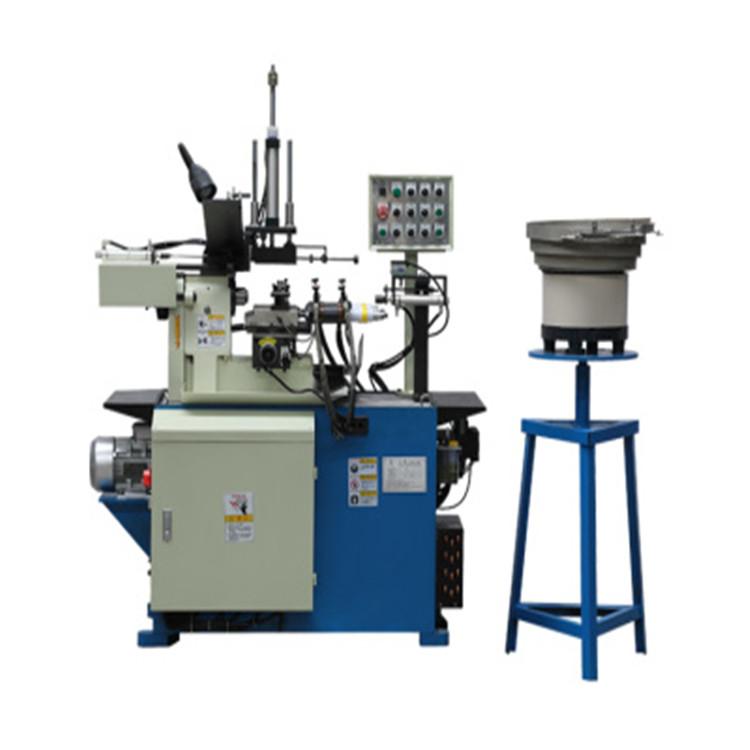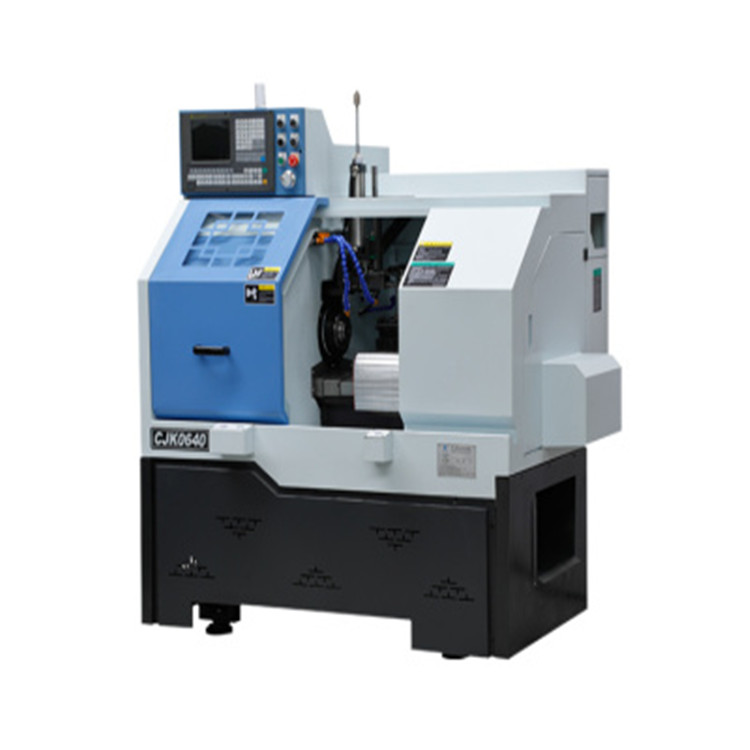

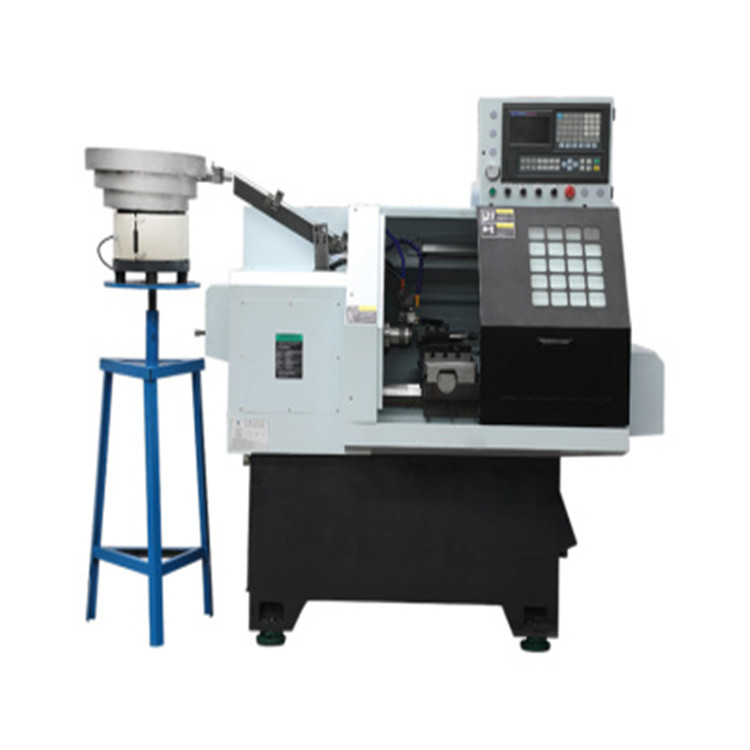











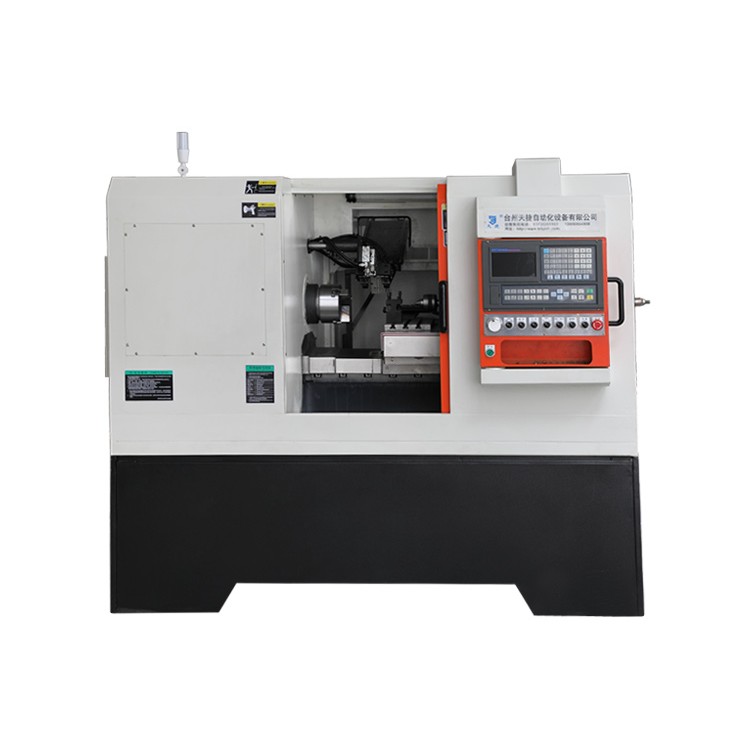
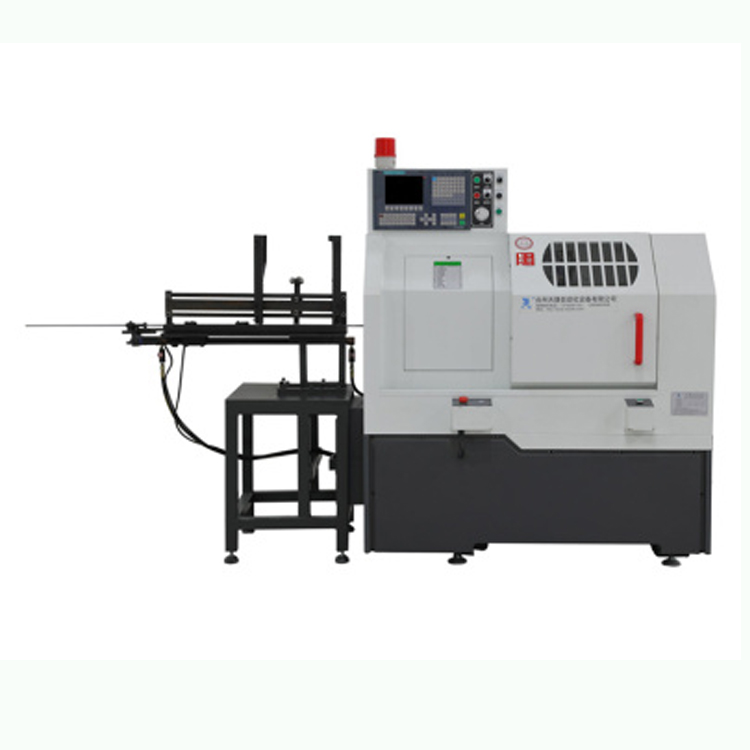
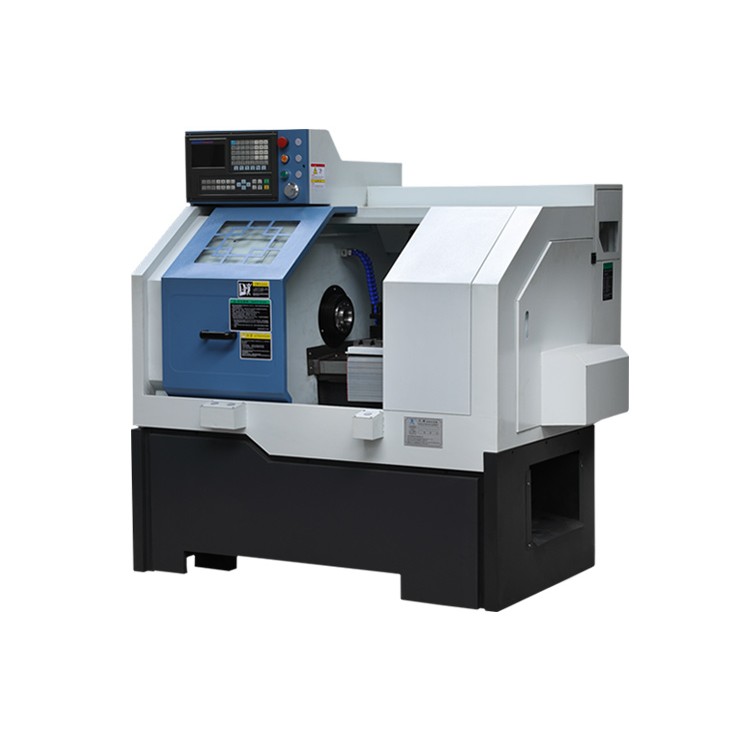
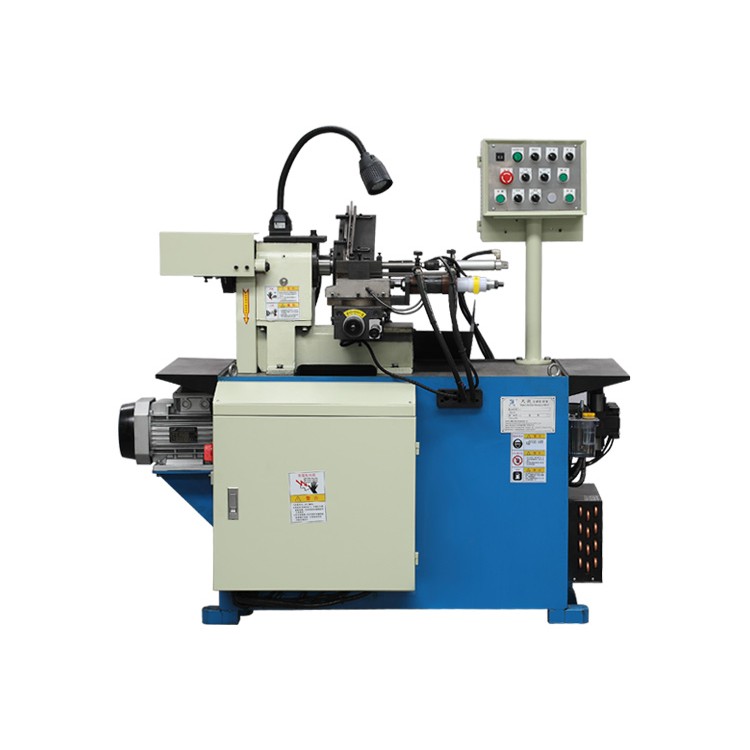
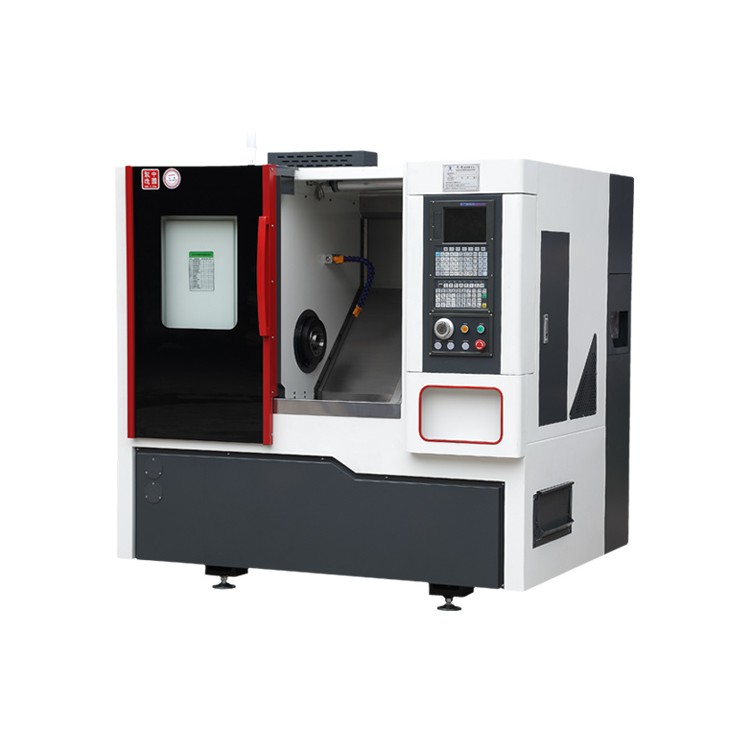


A front-loading CNC lathe utilizes a short-range pusher CNC feeding machine to push the workpiece bars, and automatically clamps, locates, and processes them, representing a new generation of CNC machine tools.
Its features include the ability to process shorter bars and more even distribution of space.
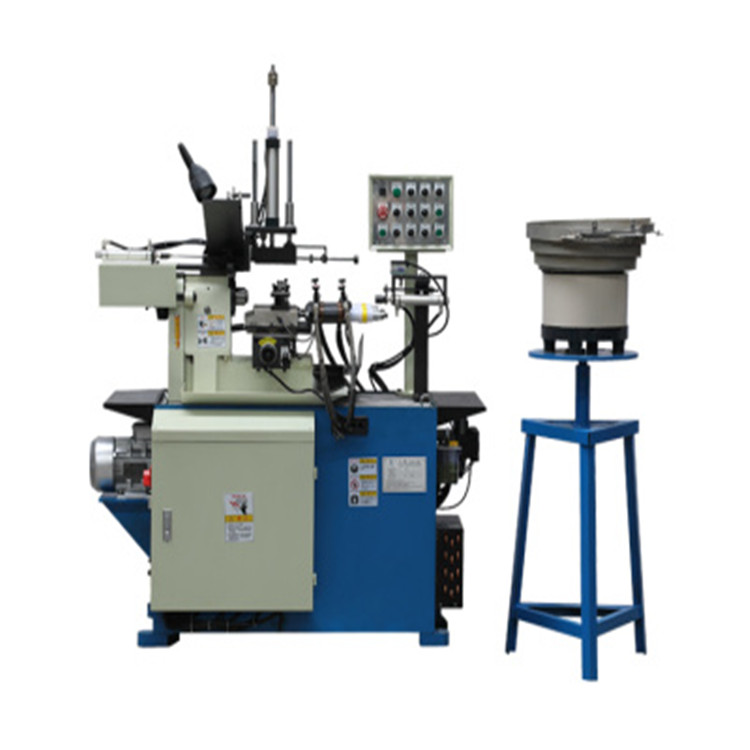
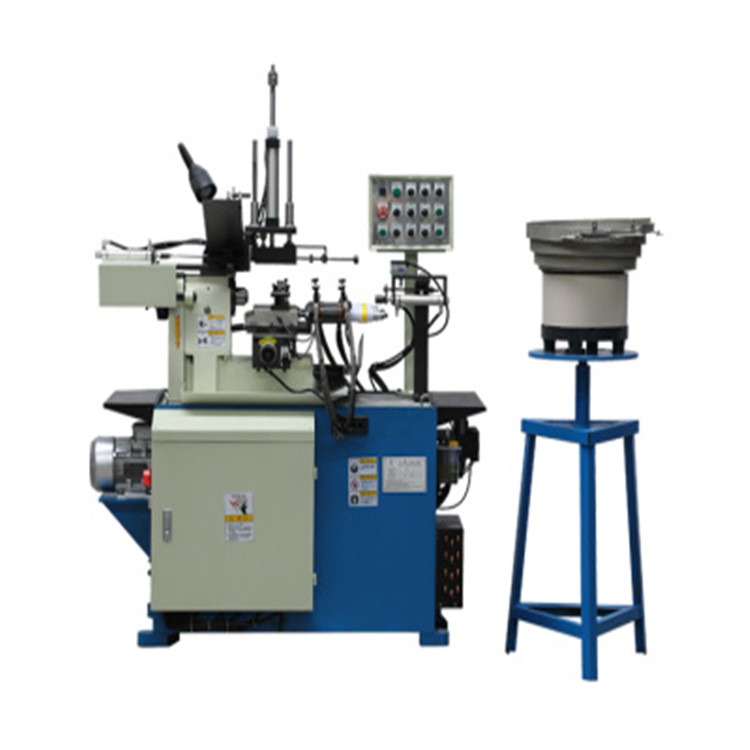
The front-loading CNC lathe can be customized for actual processing needs. Products requiring high precision use imported CNC systems, while those with lower requirements utilize domestic stepping CNC systems. Small products with short shafts can be processed using a vibratory feeder for front feeding, and long shafts or heavier products can be processed with a hopper for rear feeding. The CNC gauge lathe can achieve fully automatic feeding and control of length. It eliminates the time-consuming manual processes of loading, clamping, starting, and unloading, making it an upgraded and alternative product to conventional CNC machines.
The operation and monitoring of the front loading CNC lathe are all completed within this CNC unit, which is the brain of the CNC machine tool. Compared to conventional machine tools, CNC machine tools have the following characteristics:
High processing accuracy, with stable processing quality.
Can perform multi-axis linkage, capable of machining complex-shaped parts.
When the processed parts change, it usually only requires modifying the CNC program, which can save production preparation time.
The machine tool itself has high precision and rigidity, allowing for favorable machining allowances, resulting in high production rates (typically 3 to 5 times that of ordinary machine tools).
Highly automated machine tools can reduce labor intensity.
High qualifications are required for operators, with even higher technical demands for maintenance staff.