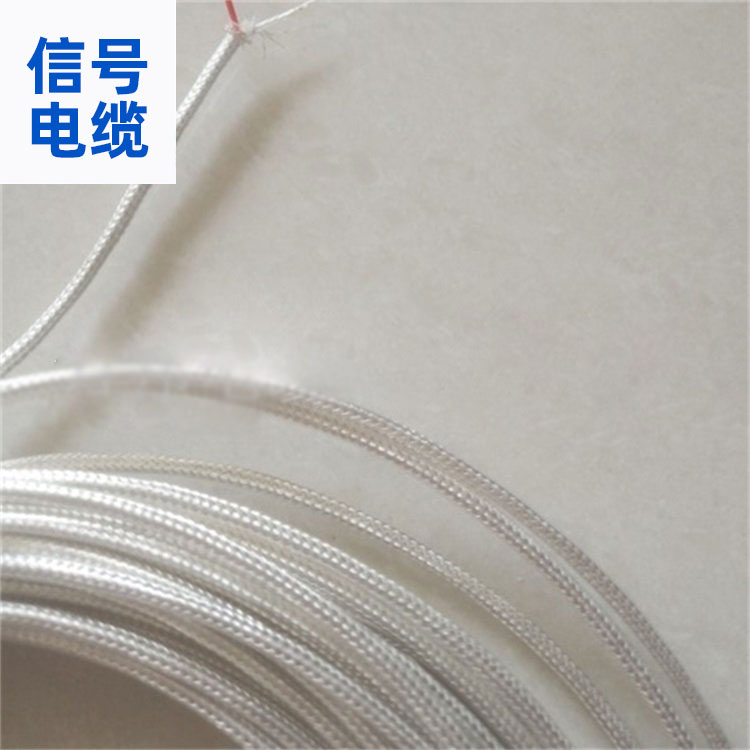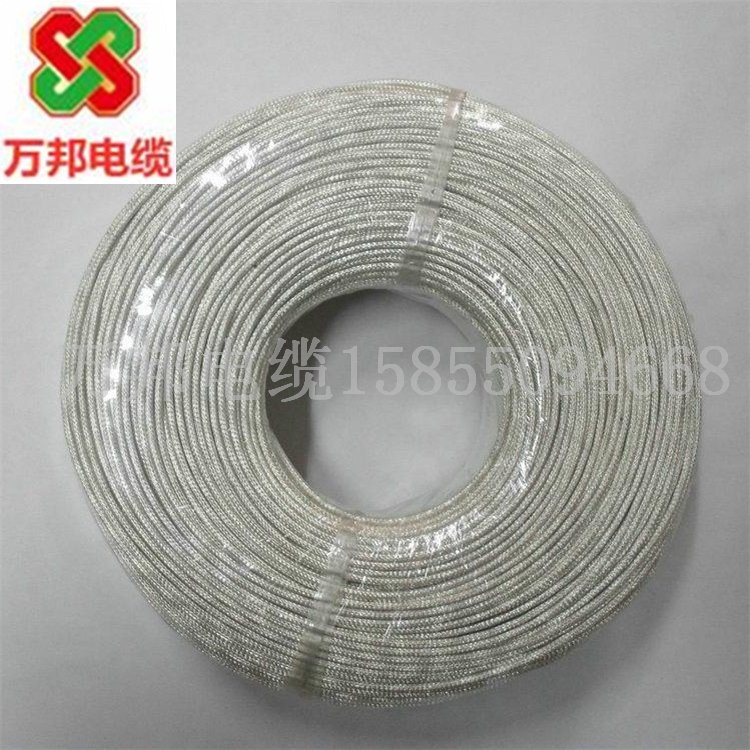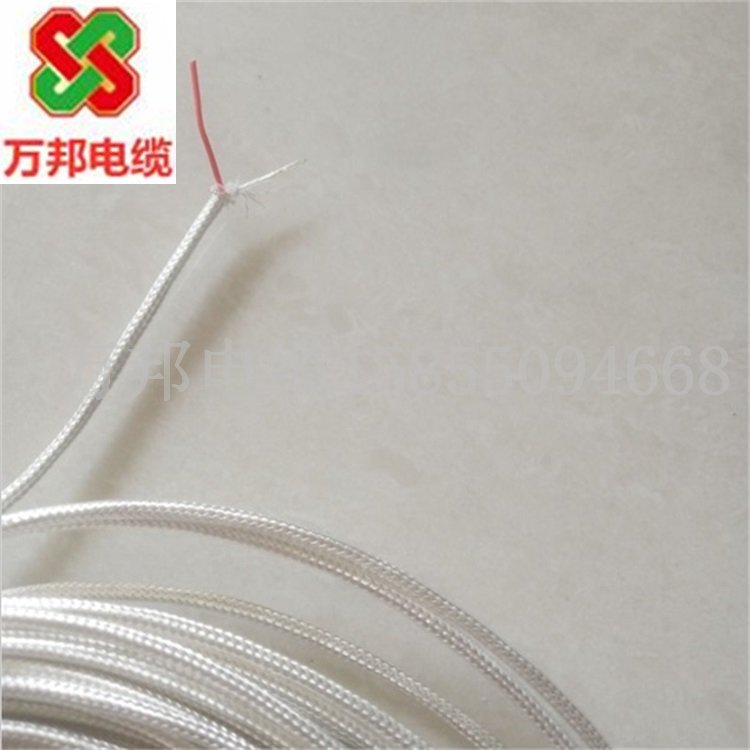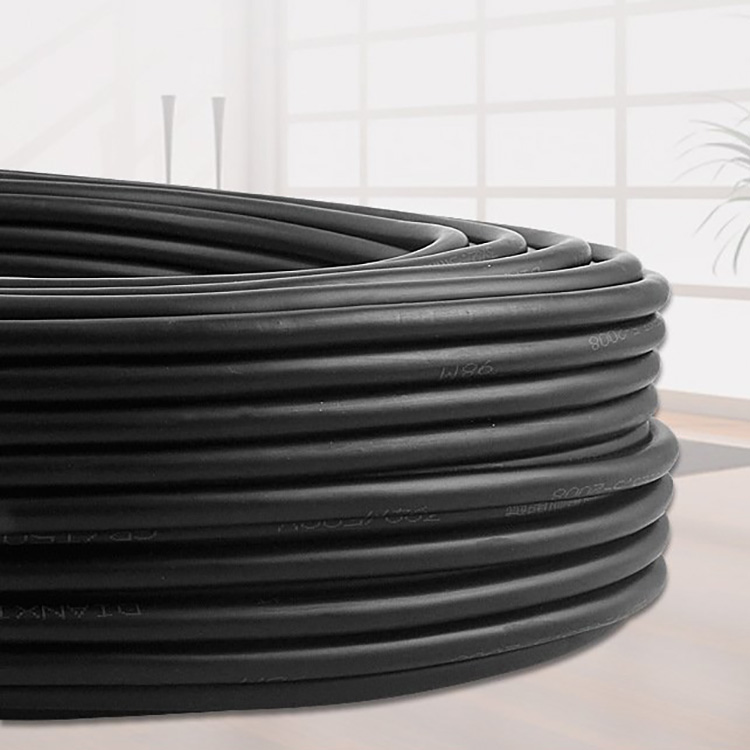

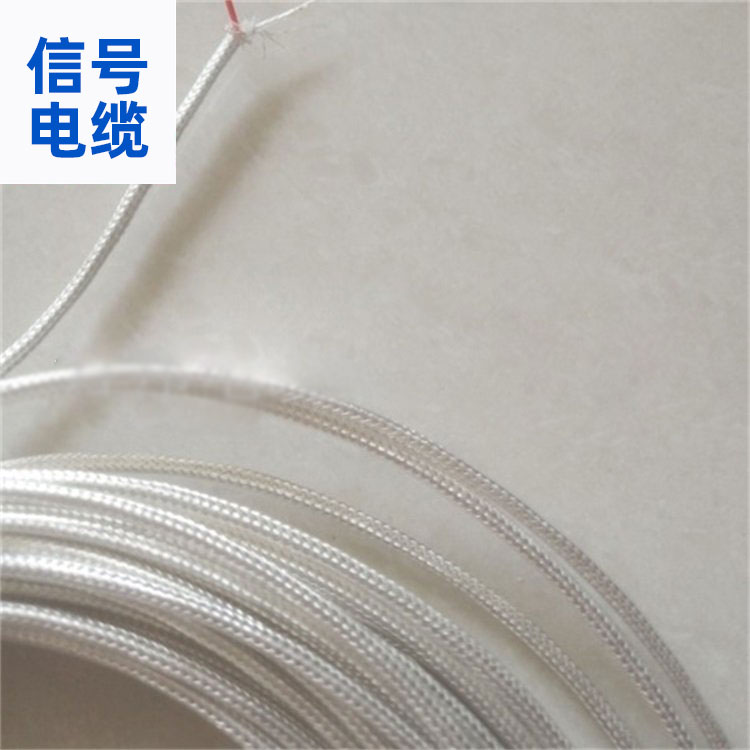

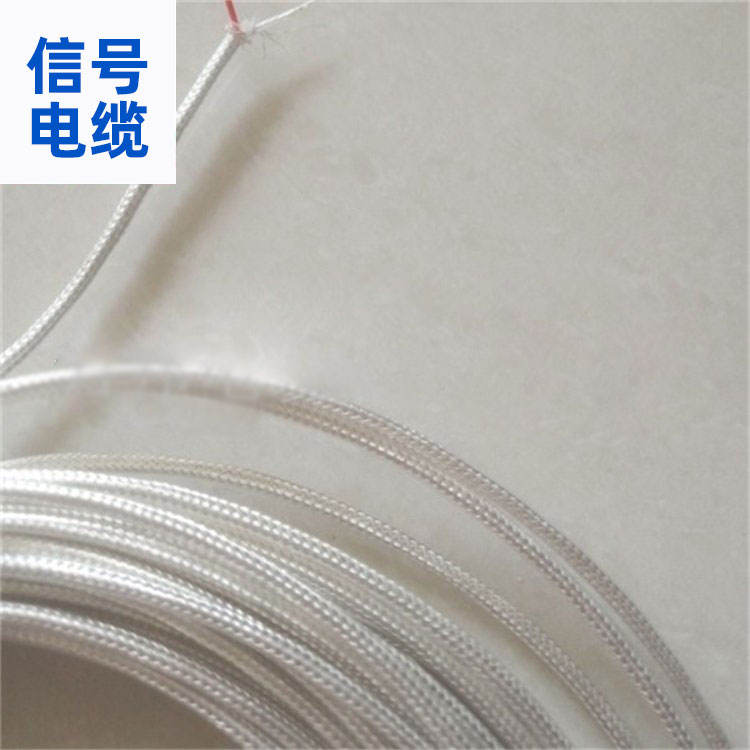
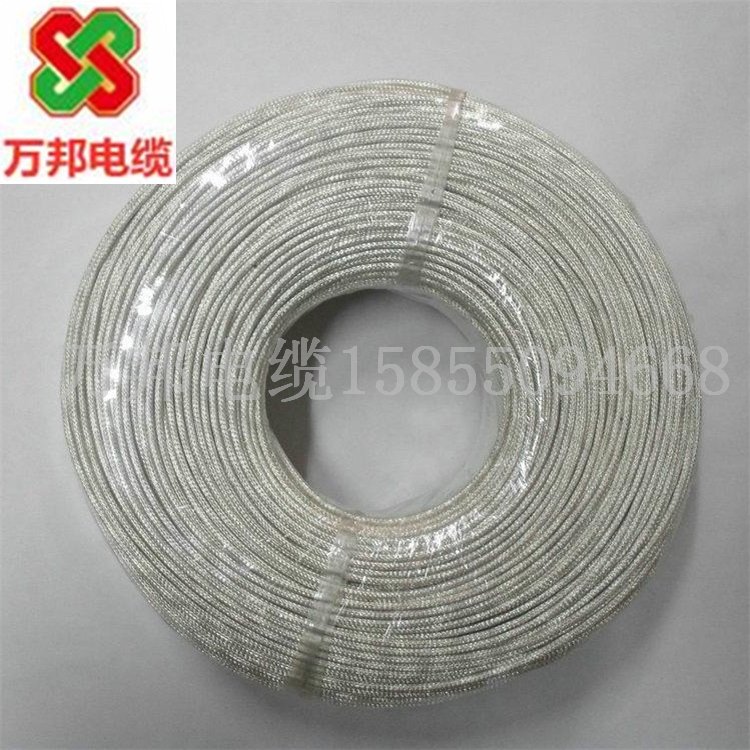
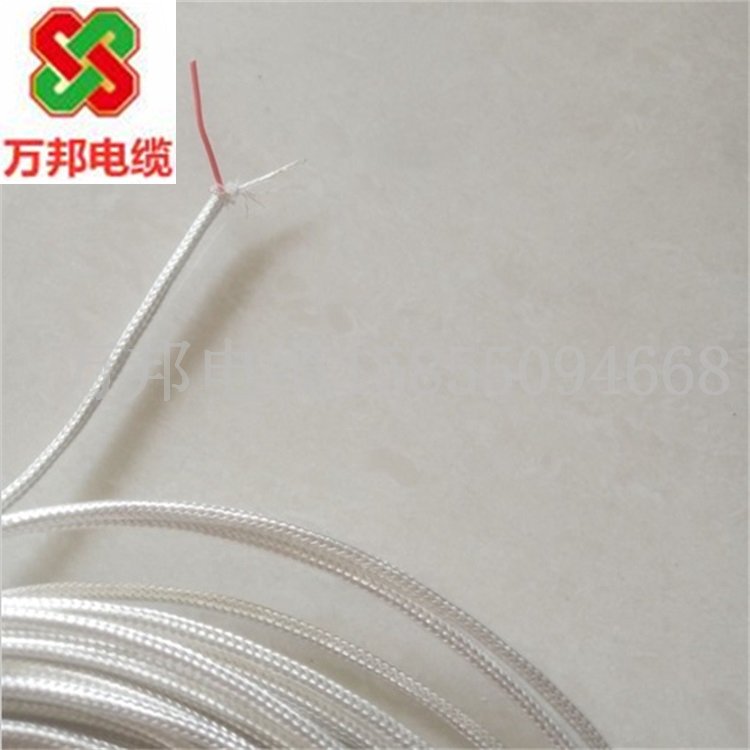











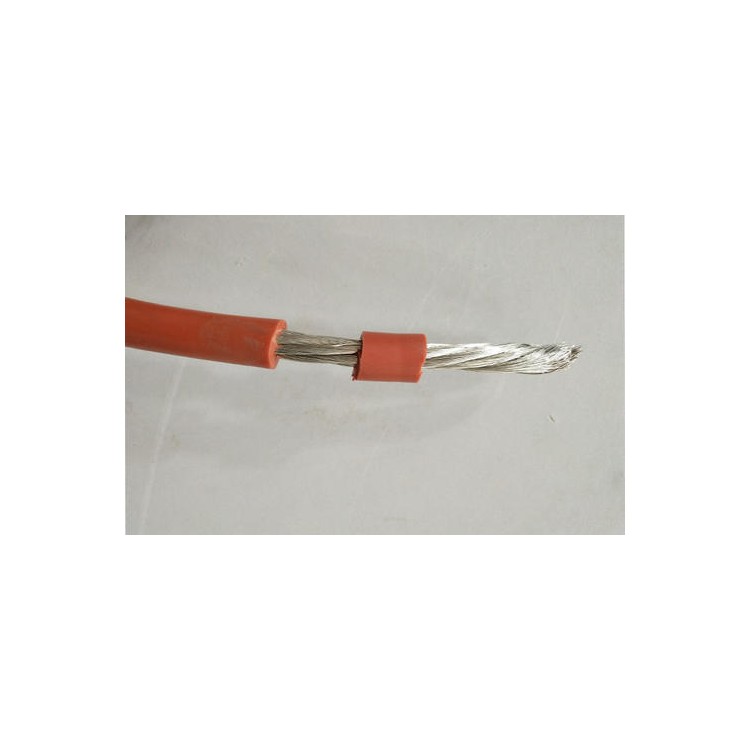
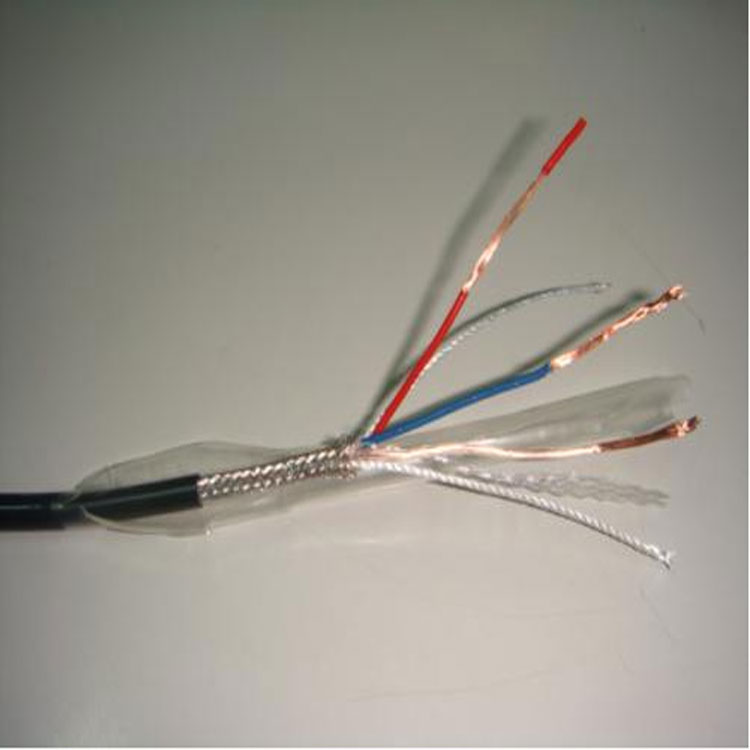
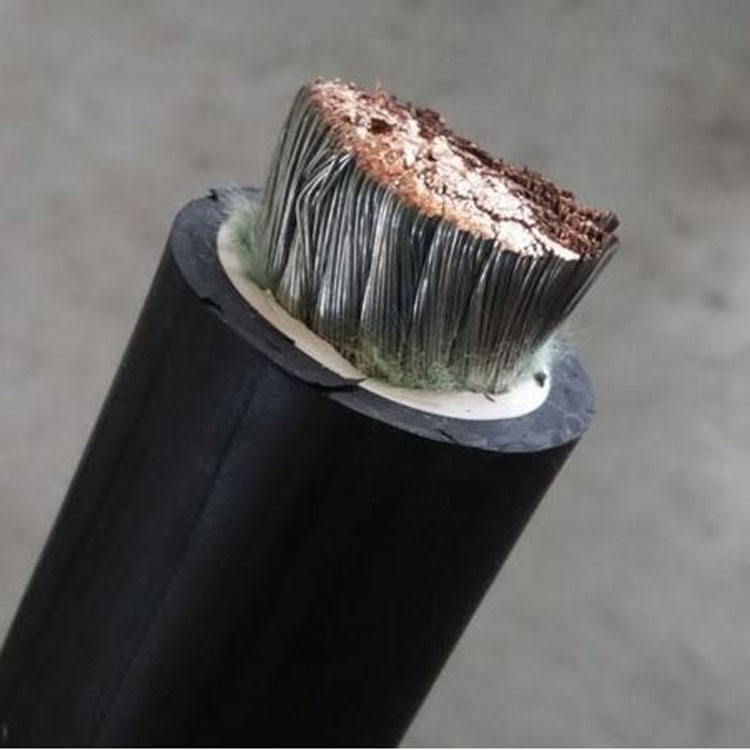
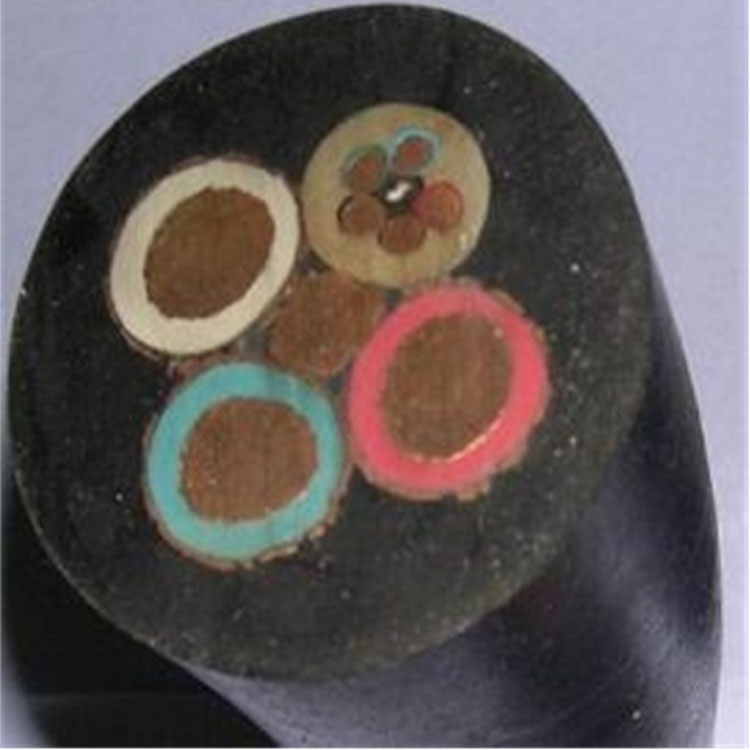
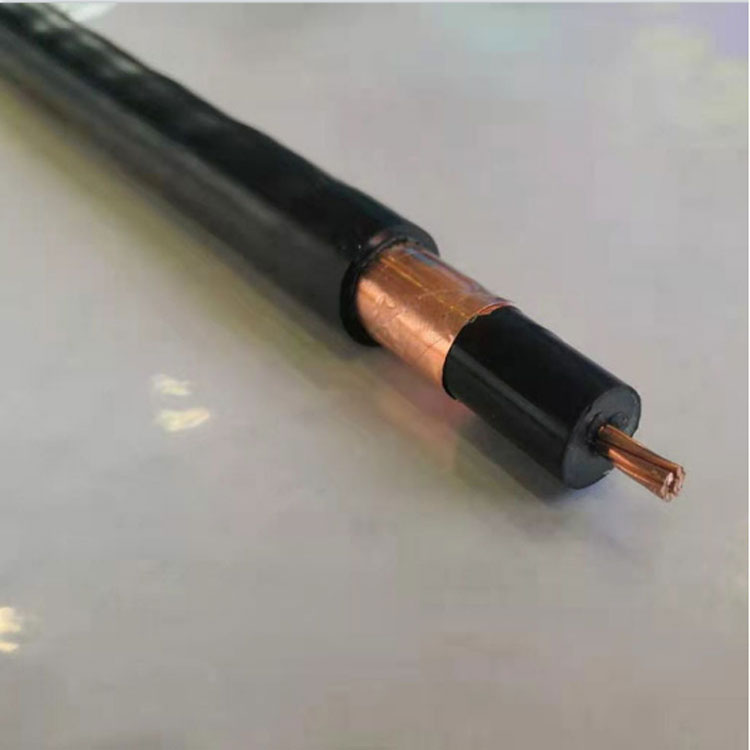
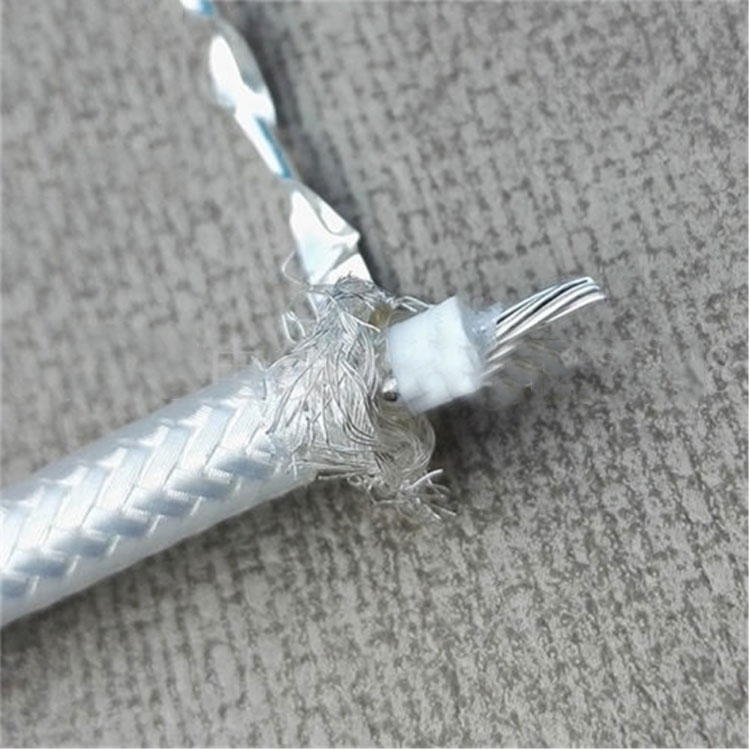
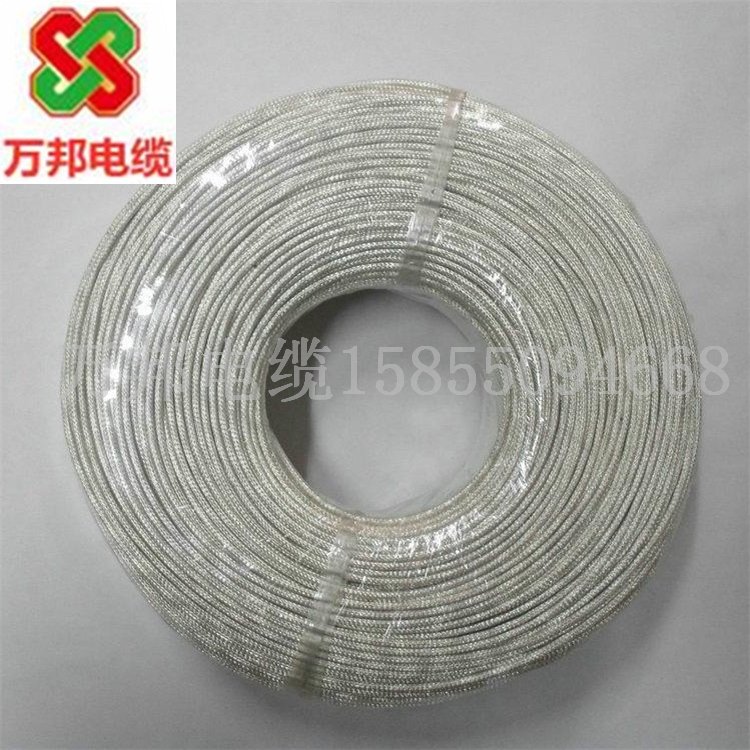

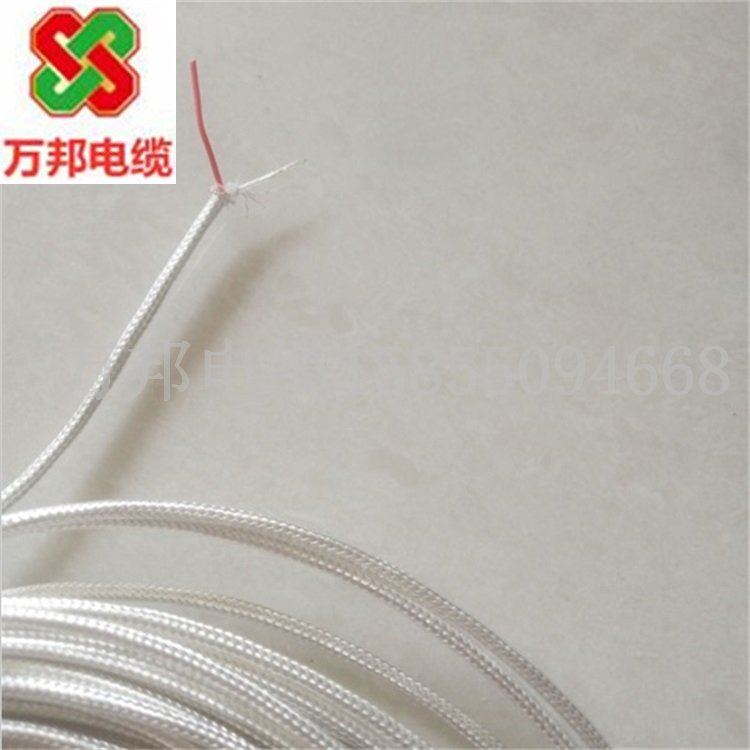
Sensor Signal Cable Structure: The sensor signal cable utilizes tin-plated or silver-plated conductors. The cable features a four-layer protection, including the insulation layer, shielding layer, wrapping layer, and sheath layer, all designed to ensure the accurate transmission of weak electrical signals. Insulation Layer: Possesses physical and chemical properties comparable to the sheath layer, allowing for the removal of the sheath, shielding mesh, and wrapping layer in confined spaces for use as a wire alone. Wrapping Layer: Made of a selected polymer material, primarily to prevent the shielding mesh from damaging the insulation layer and to enhance the cable's overall mechanical properties. Shielding Layer: Delicate metal materials (using copper or tin-plated copper) must effectively conduct interference signals; fine metal wires must have sufficient bend resistance to avoid metal fragments affecting other electrical equipment. Sheath Layer: Excellent mechanical properties, capable of withstanding high-intensity metal impacts and cuts. It has a very high tensile strength and can also withstand long-term repetitive bending.