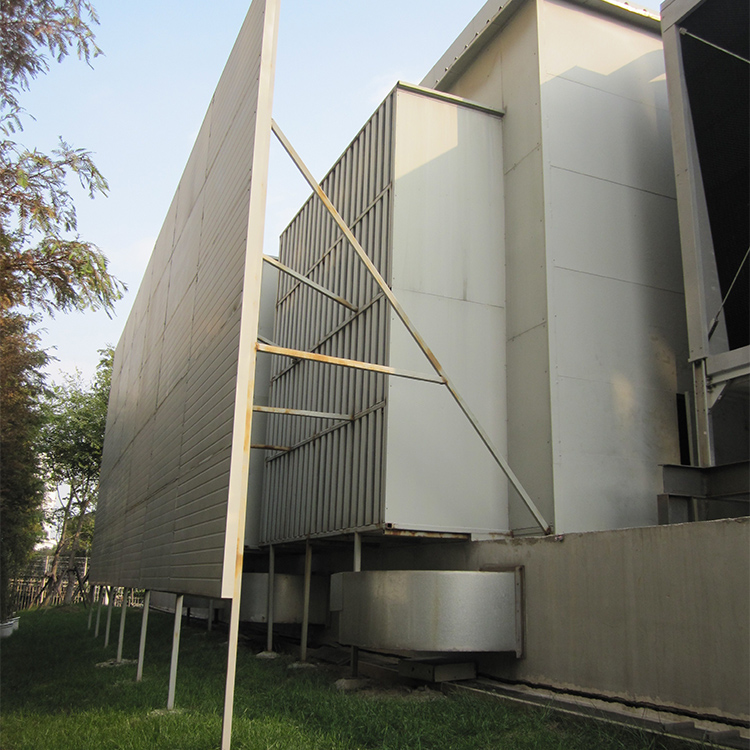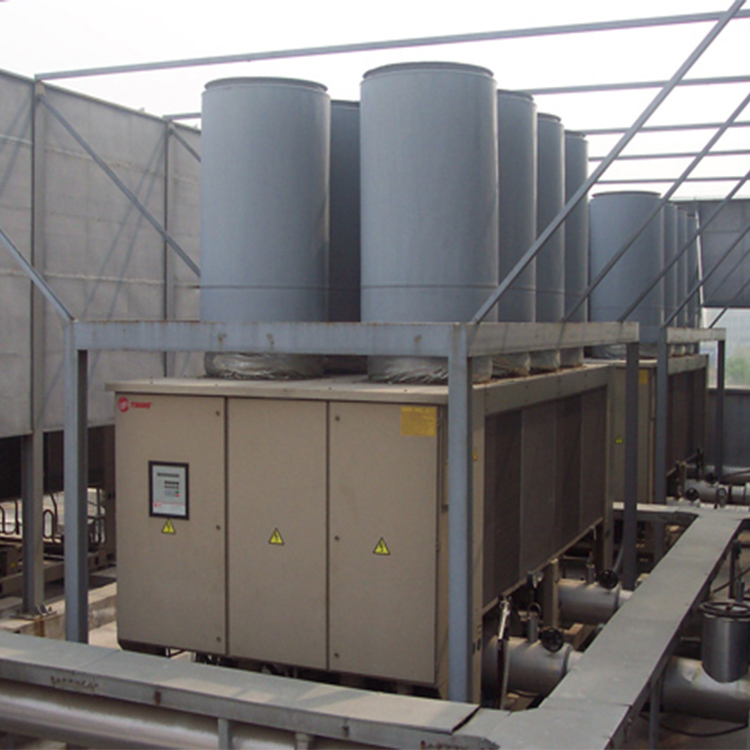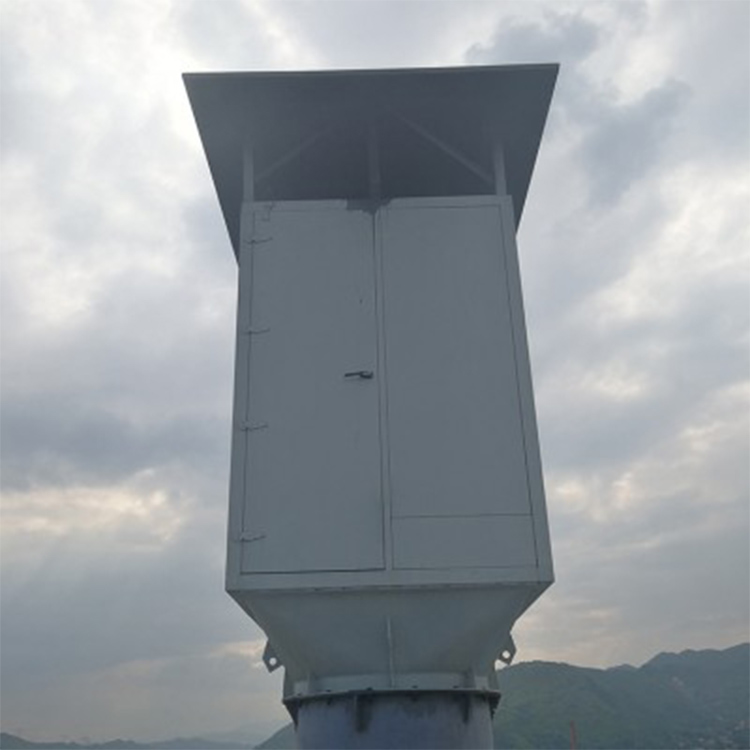













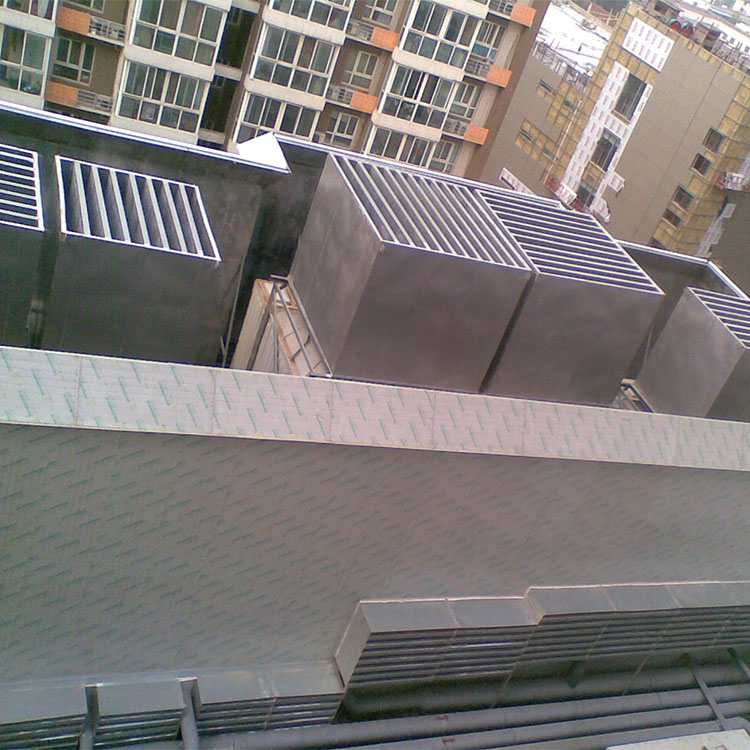

Project Name: Henan Hotel Central Air Conditioning Outdoor Unit Noise Abatement
Project Location: Henan Hotel, at the northwest corner of Huayuan Road and Zijinshan Road, Zhengzhou City
Customer Name: Henan Hotel, Henan Province
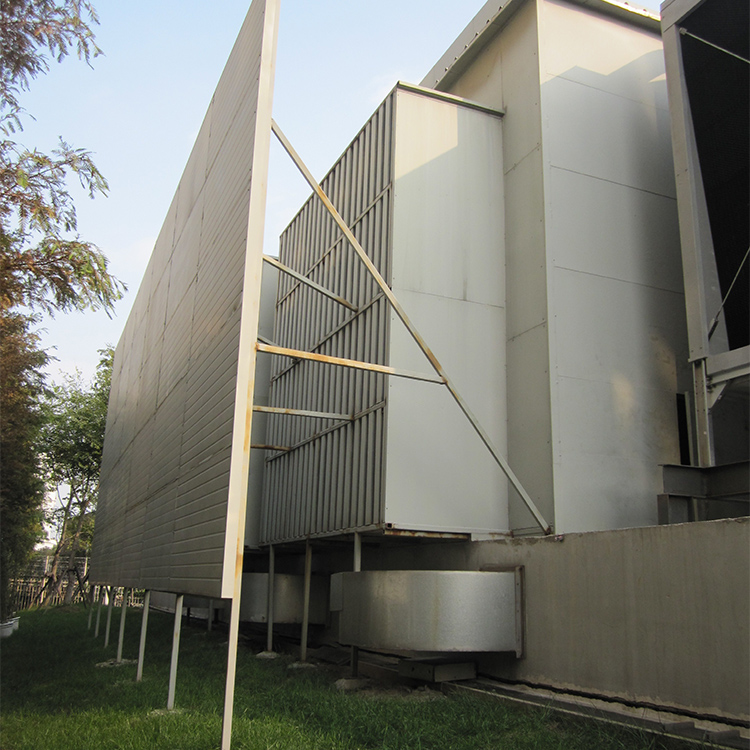
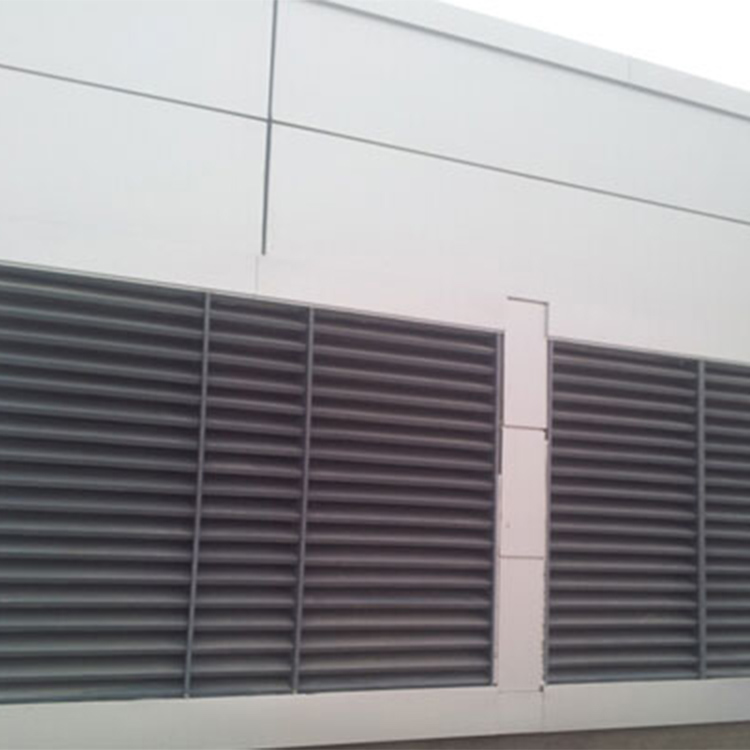
Regulatory Measures: Soundproofing Barrier
Governance Effect: Through this noise governance, the protection area, approximately 60 meters northwest of the equipment, has achieved the second-class standard of the "Sound Environmental Quality Standard" (GB3096-2008) at one meter outside the residential buildings.
Villas, shopping malls, and office buildings all utilize central air conditioning systems, which consist of a main unit and multiple branch units to provide ventilation and air exchange for each room. If the central air conditioning produces noise, it can cause a lot of inconvenience in our lives, necessitating noise control measures. Generally, the noise issues with large central air conditioning systems cannot be resolved by street-side repair shops and require the expertise of soundproofing companies. Henan Shengda Environmental Protection is such a company that specializes in noise pollution issues, and central air conditioning noise control is within the scope of Hangzhou Hanks Soundproofing. Let's take a look at the analysis of the causes of central air conditioning noise and noise reduction methods below.
One, Central Air Conditioning Noise Analysis
Central air conditioning systems, including central air conditioning units, ventilation ducts, outdoor air conditioning units, and auxiliary equipment such as cooling towers, pumps, and fans for large central air conditioning systems, all of which may be noise sources, requiring assessment.
Central air conditioning system noise is manifested as a continuous humming sound. Common sources include noise from fans, various equipment, and ventilation管道 noise and vibration. The noise level is not high, belonging to the mid-to-low frequency range. Since there are multiple sources of noise, the noise control methods at different locations and for different equipment also vary.
Section 2: The Dangers of Central Air Conditioning Noise
The hum of central air conditioning noise may be annoying, but the noise level isn't high. However, prolonged exposure to this noise environment can lead to dizziness and tinnitus.
Section 3: Central Air Conditioning Noise Reduction Techniques
Whether it be central air conditioning units or various equipment, noise control methods are essentially noise reduction, sound insulation, and vibration reduction. Specific noise reduction methods are as follows:
1. Mute
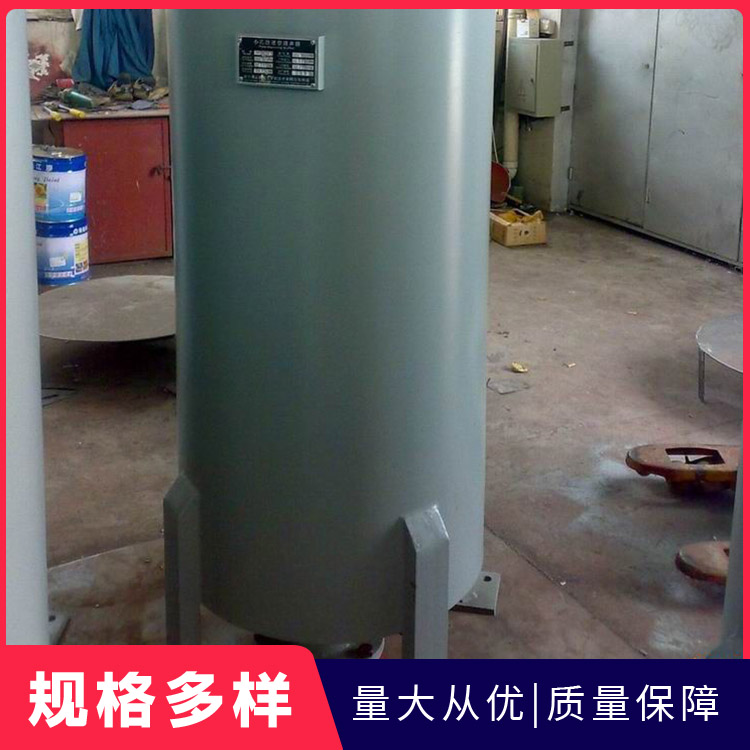
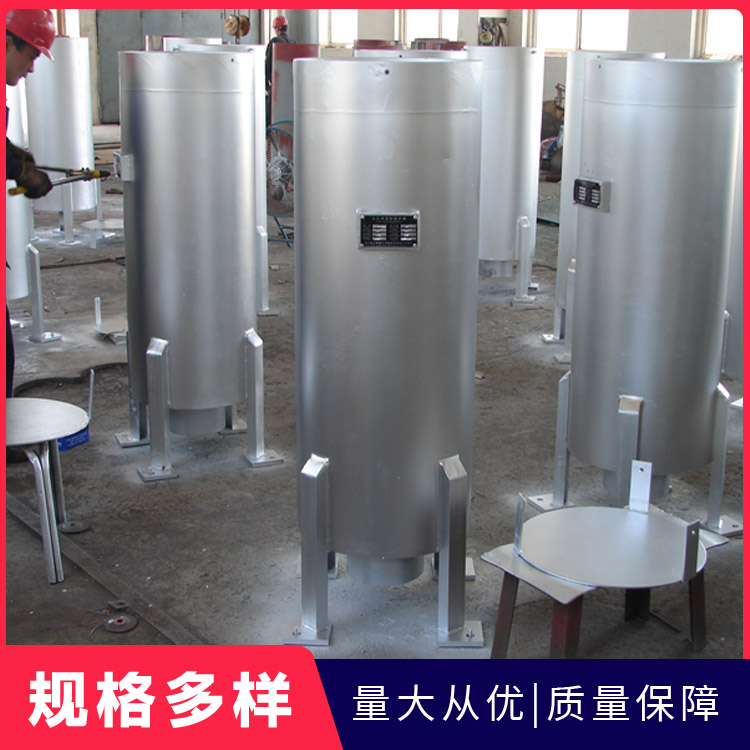
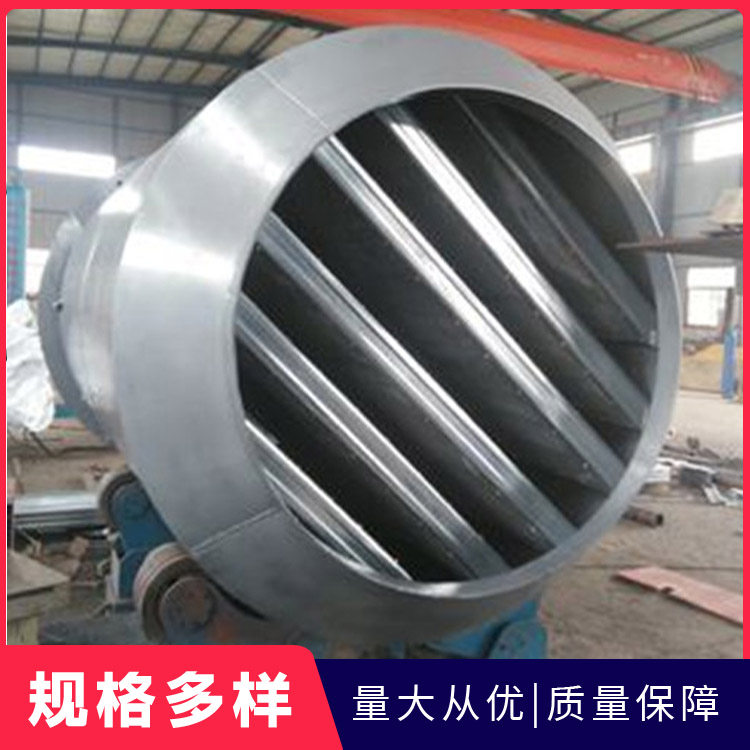
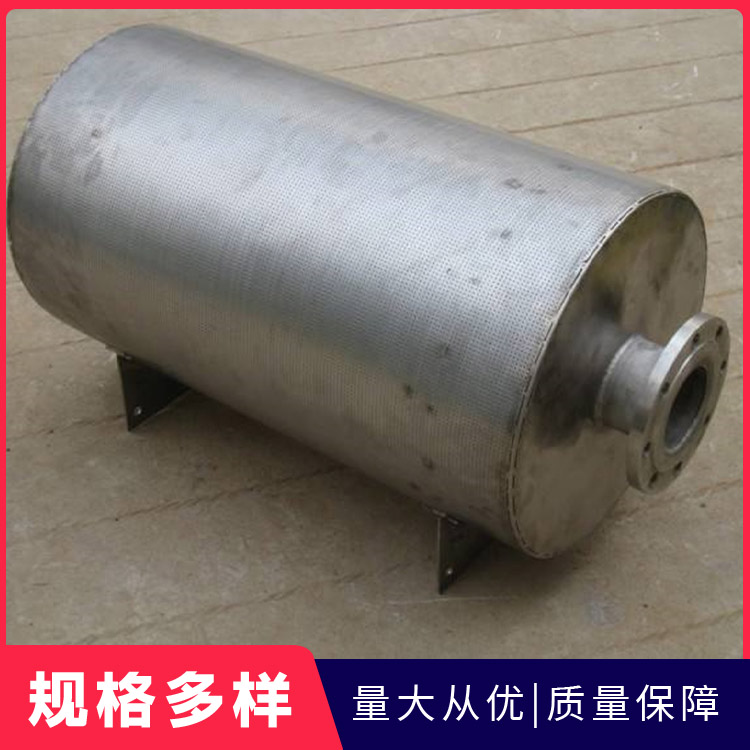
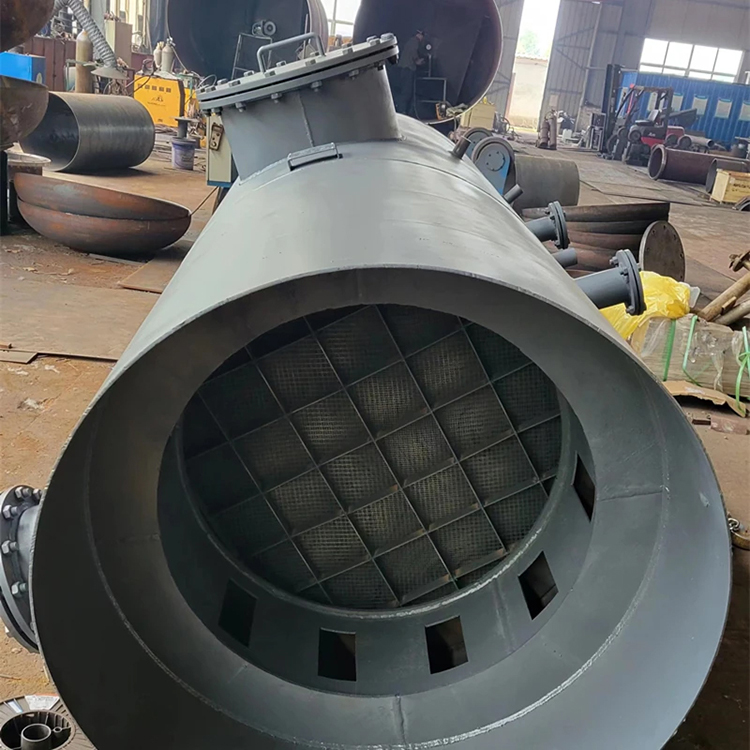
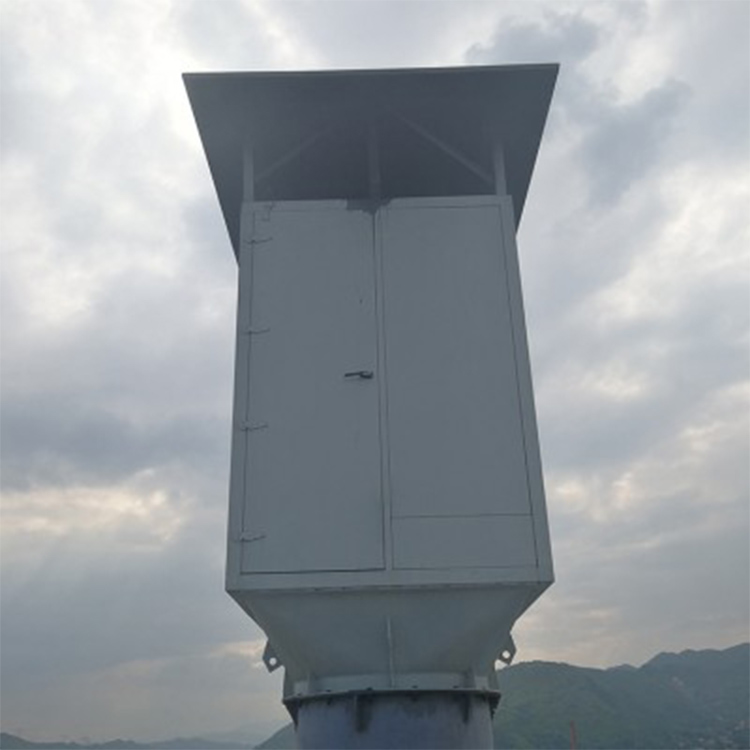
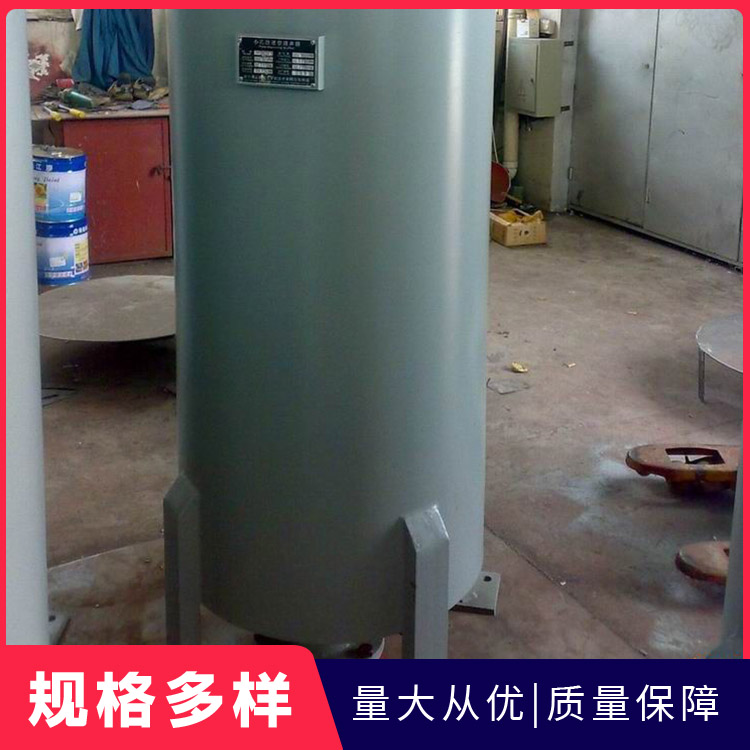
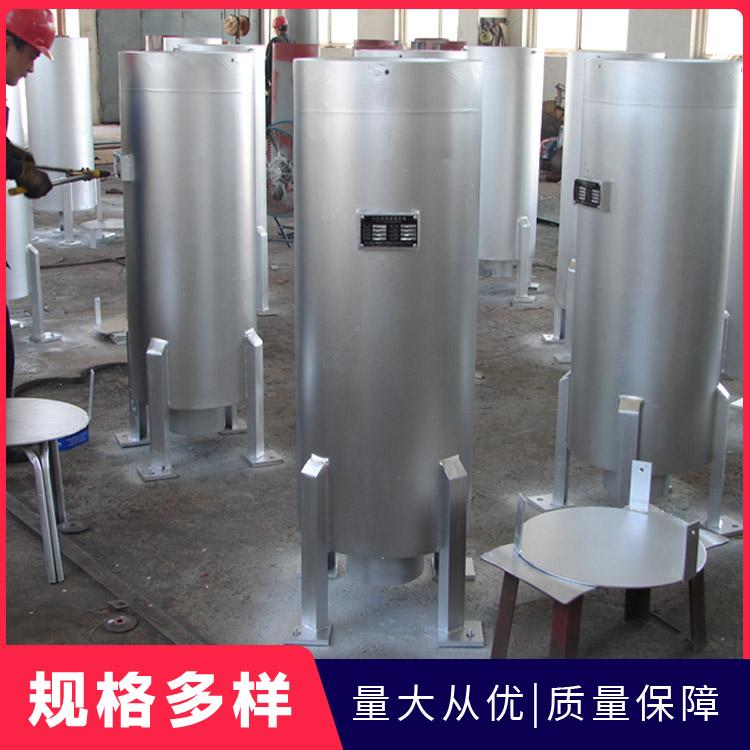
Noise reduction is designed to address the airflow noise issues in central air conditioning systems. Common sources of airflow noise include the intake and exhaust outlets of ventilation ducts. In addition, the intake and exhaust outlets of air conditioning units, fans, cooling towers, and other equipment also contribute to noise. Specific noise reduction measures involve the use of mufflers or other noise reduction devices to eliminate airflow noise, with different devices suitable for various noise levels and air conditions.
3. Soundproofing
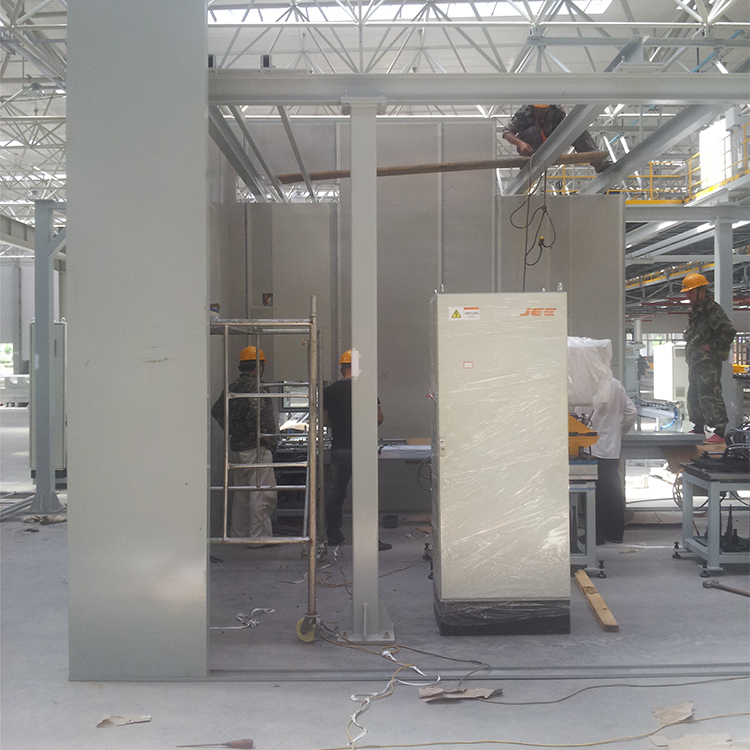
Central air conditioning units have many devices that generate noise, including the cooling main unit, fan unit, chilled water pump, and cooling tower. The noise level is quite high and requires soundproofing treatment. The most common soundproofing measure is a soundproof enclosure. Simply placing the equipment inside the enclosure can significantly reduce the noise, but it's important to ensure proper ventilation and air exchange within the enclosure. Cooling towers, due to their high demand for ventilation and air exchange, are not suitable for soundproof enclosures and require the use of sound barriers for noise discharge.
2. Vibration Reduction
Central air conditioning units and auxiliary equipment both require vibration reduction due to slow vibration attenuation, which can easily propagate through solid objects like walls. If the equipment vibrates excessively, vibration dampers should be installed to reduce its vibration. For equipment with less vibration, using a damping layer can effectively reduce vibration and noise. Vibration pads are also an appropriate vibration reduction device, when paired with shock absorbers and damping measures, they can further reduce vibration, especially suitable for dealing with ventilation pipe vibration.