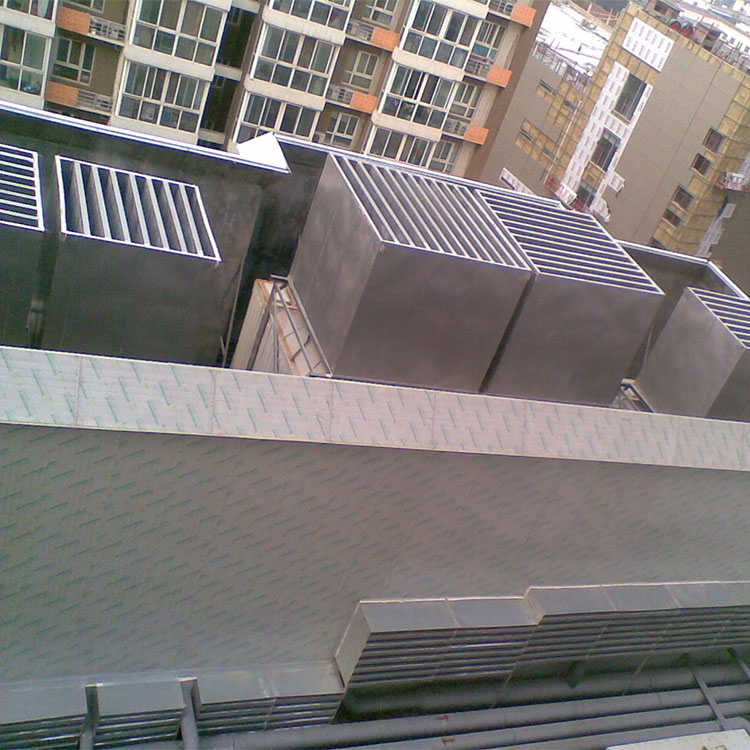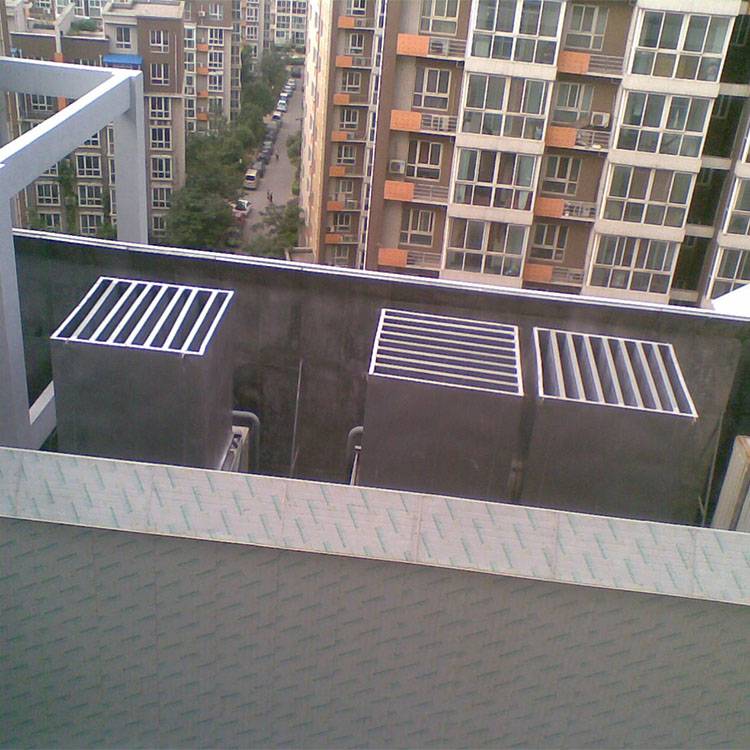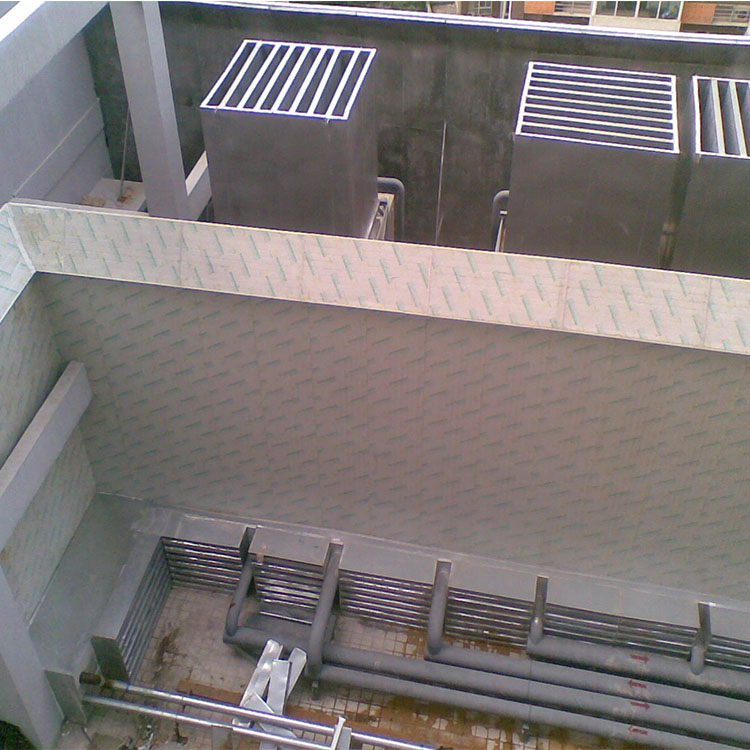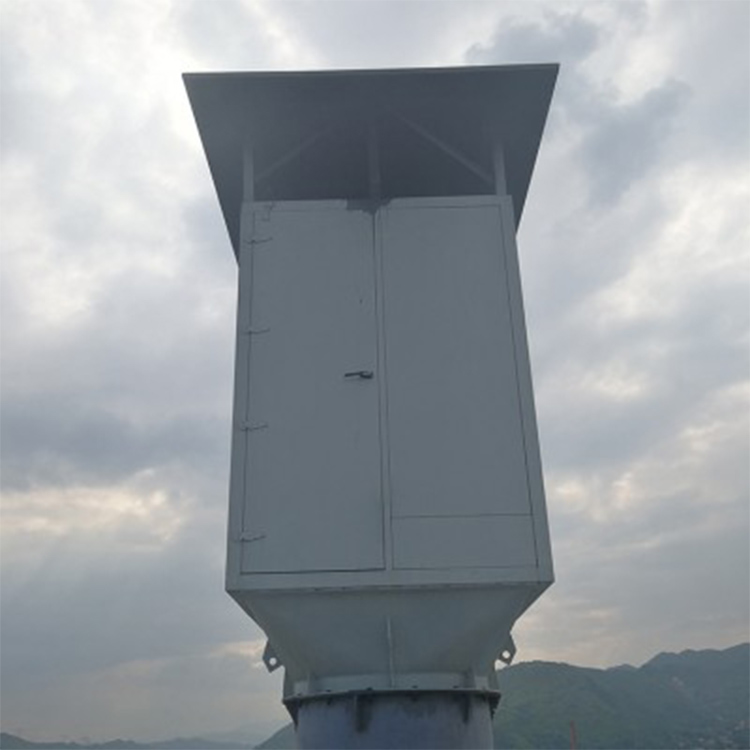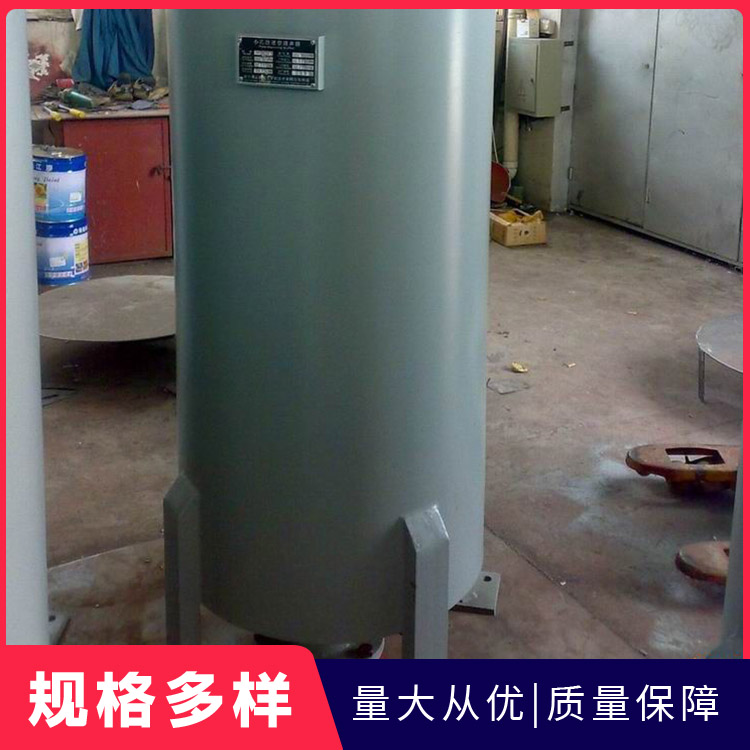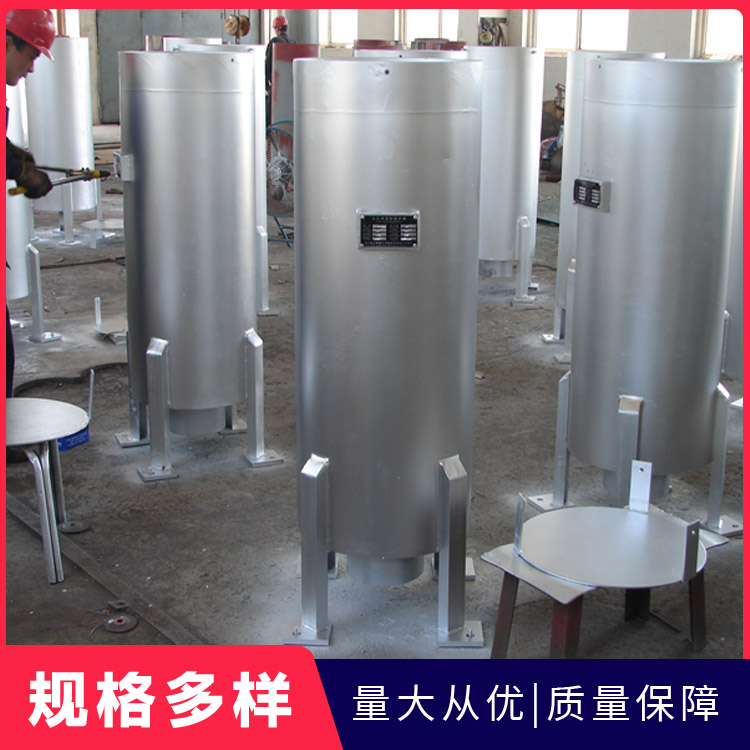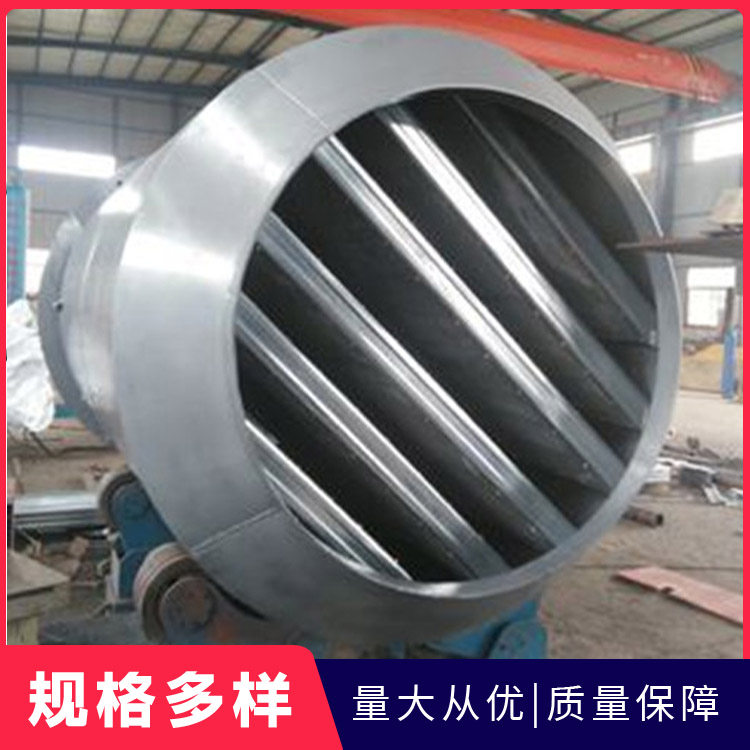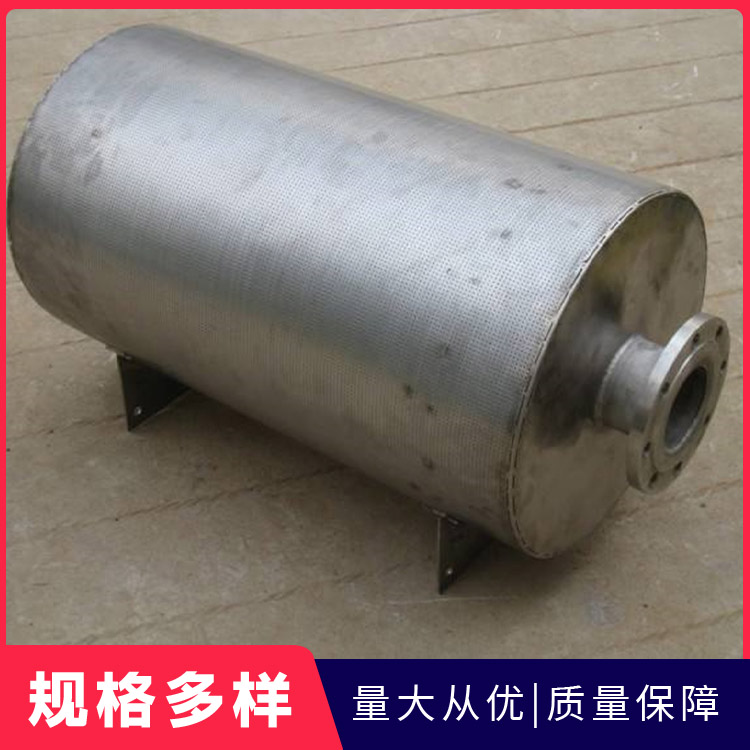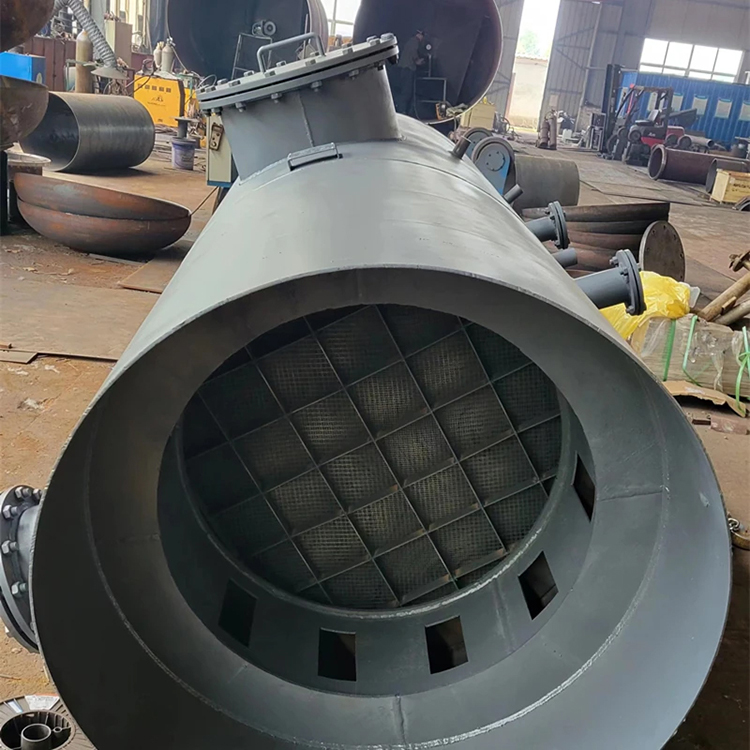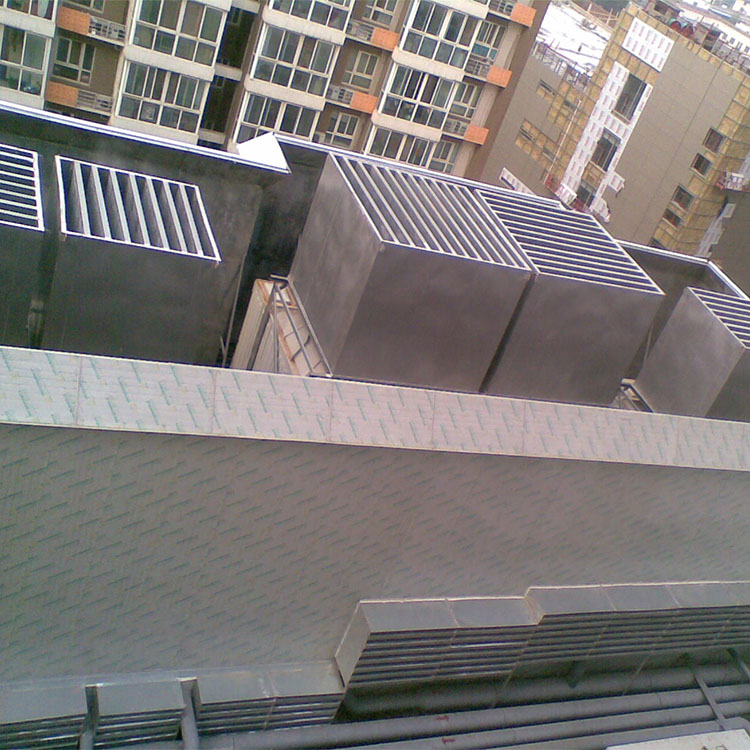

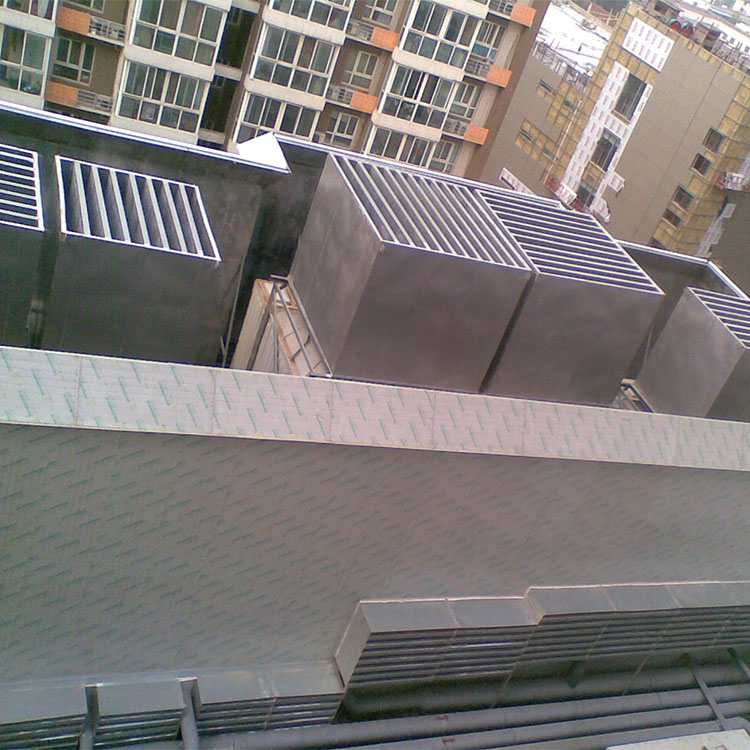

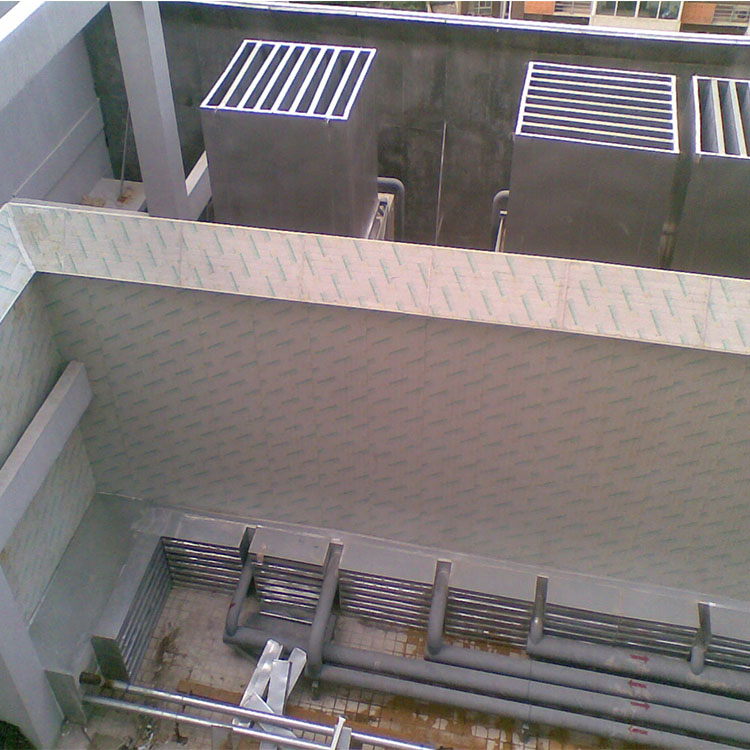


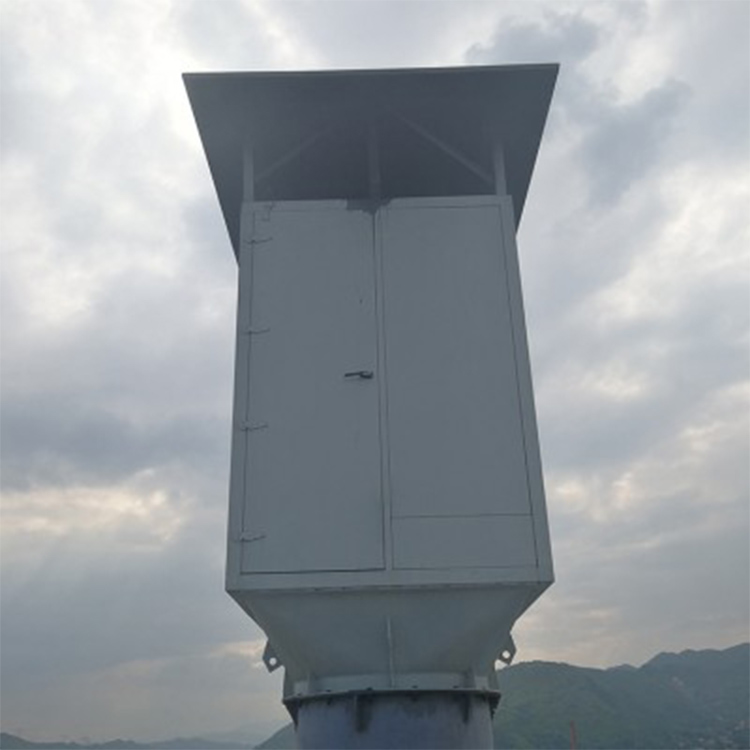
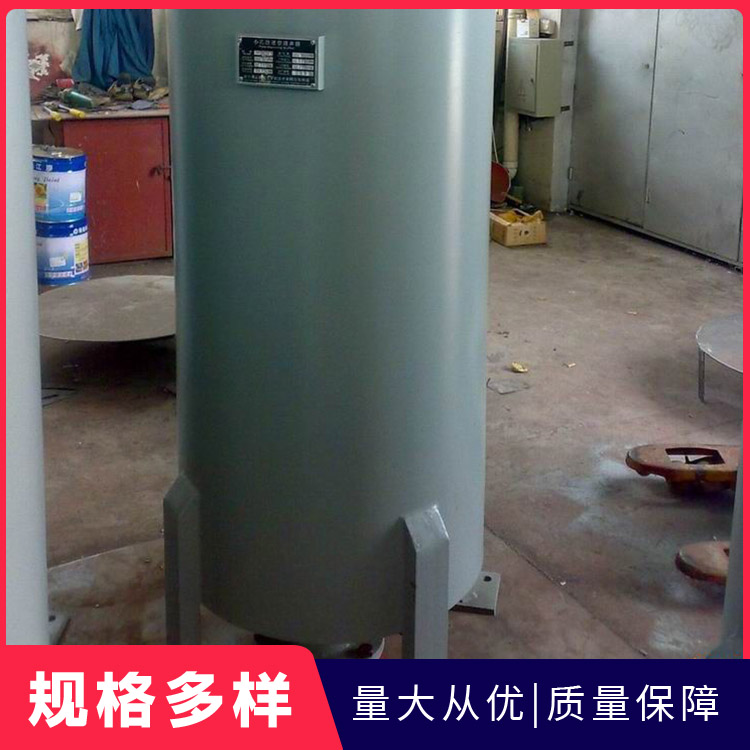
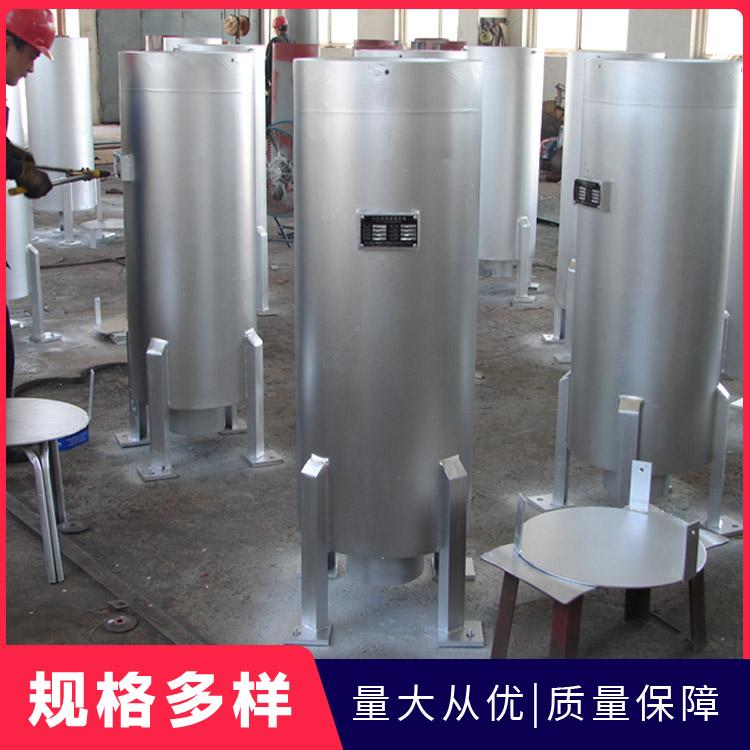









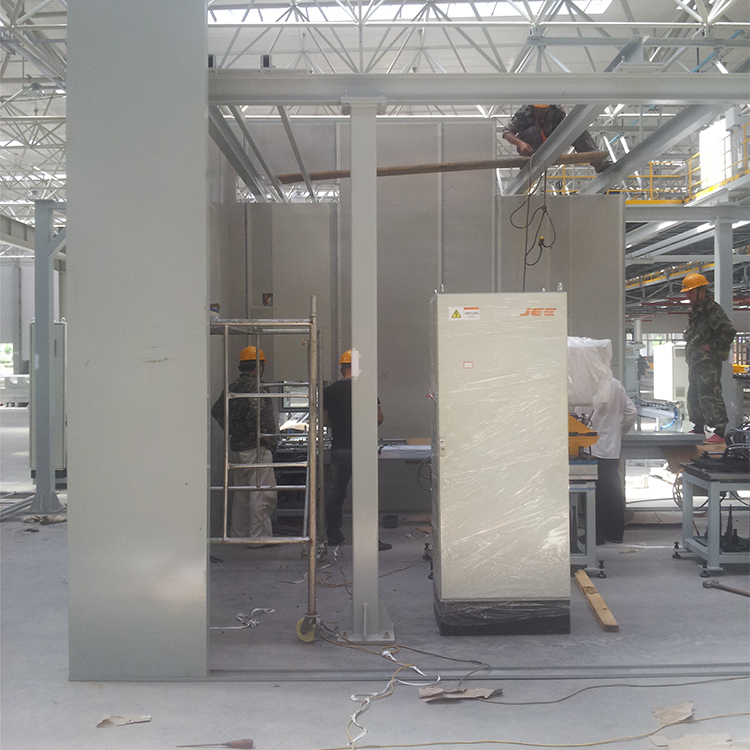
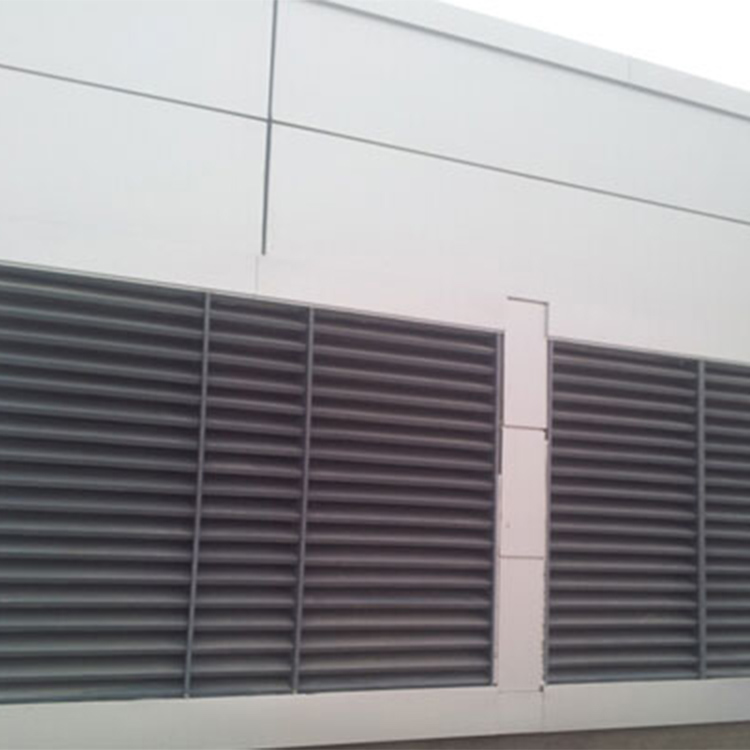

Control Measures: Soundproofing barriers, sound-insulating doors, large impedance composite in-and-out air silencers, etc.
Regulatory Outcome: Through the aforementioned technical measures, the noise level in the area has been reduced toUrban area environmental noise standard GB3096-93 Second-level standard
Noise Reduction Principle
When sound waves encounter obstacles during propagation, they exhibit three phenomena: reflection, transmission, and diffraction. An acoustic barrier is a facility inserted between the sound source and the receiving point to intercept and absorb the direct sound waves reaching the receiving point. This causes some sound waves to be blocked and reflected, while others are absorbed and attenuated before passing through the barrier and undergoing additional attenuation through top diffraction, ultimately reducing the noise impact on the receiving point and achieving noise reduction.
Low-frequency Noise Control in Fans: The choice of silencer is crucial. Generally, silencers have little effect on mid-low frequency noise. Resonant silencers provide good treatment results, but have a strong frequency selectivity, hence the common preference for impedance composite silencers.
An impedance composite silencer is a type of silencer that combines sound absorption and reflection effectively. It possesses both the noise reduction characteristics of a resistive silencer for mid to high-frequency noise and an absorptive silencer for low to mid-frequency noise, providing a wideband noise reduction effect.
Waterfall High-Frequency Noise Control
Governance is relatively easy, but attention must be paid to soundproofing without compromising the performance of heat dissipation. Although silencers and silencer louvers can significantly reduce noise, they must be designed reasonably, taking into account both heat dissipation and dynamic performance. An unreasonable structure will not achieve the noise reduction goal; excessive flow resistance will affect the cooling tower's operation and reduce cooling capacity. Poor dynamic performance design will also increase resistance, possibly causing echo noise, so a comprehensive consideration must be made during the governance process.