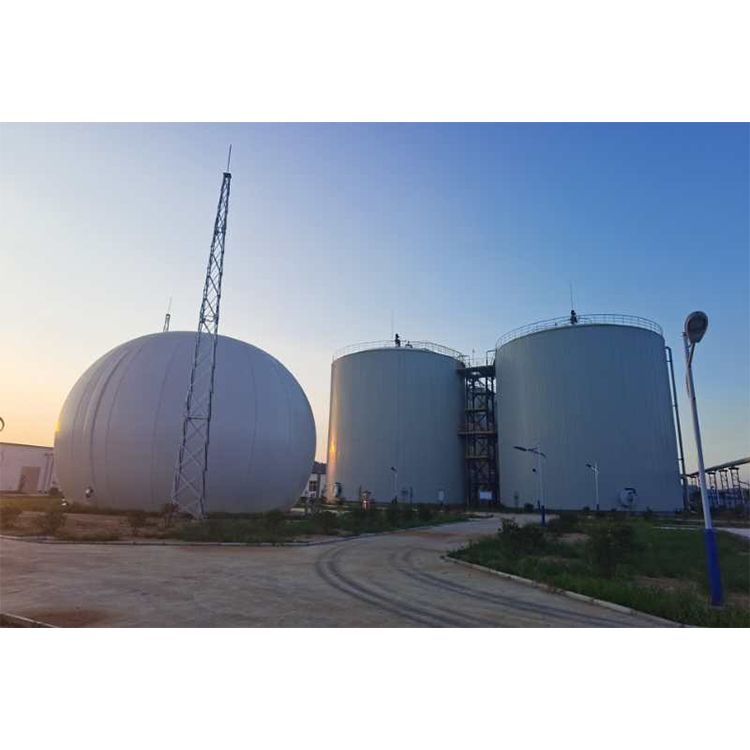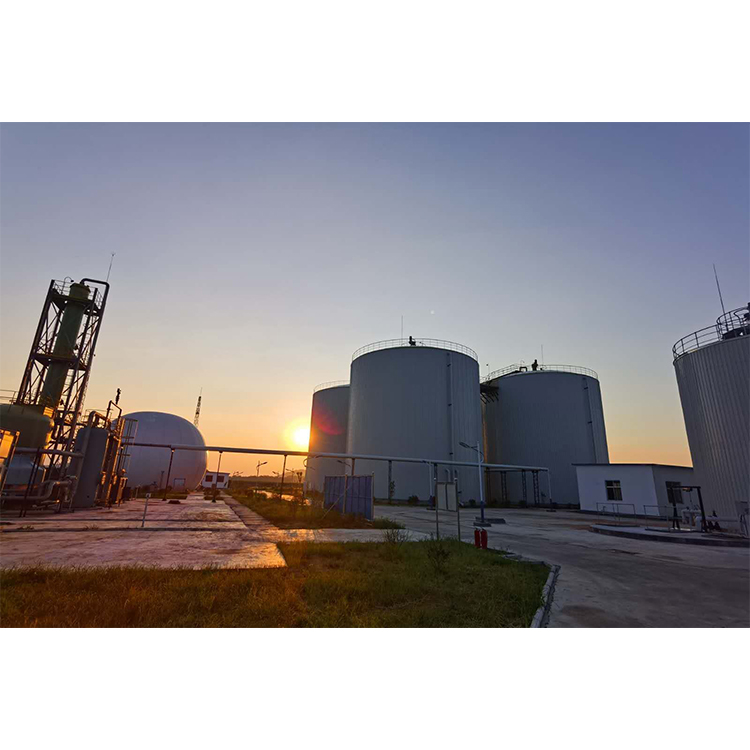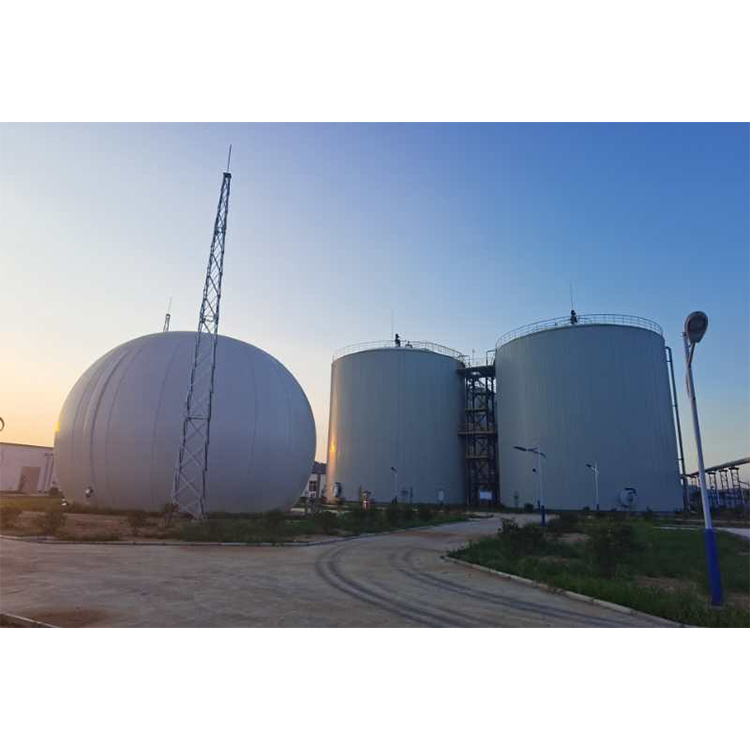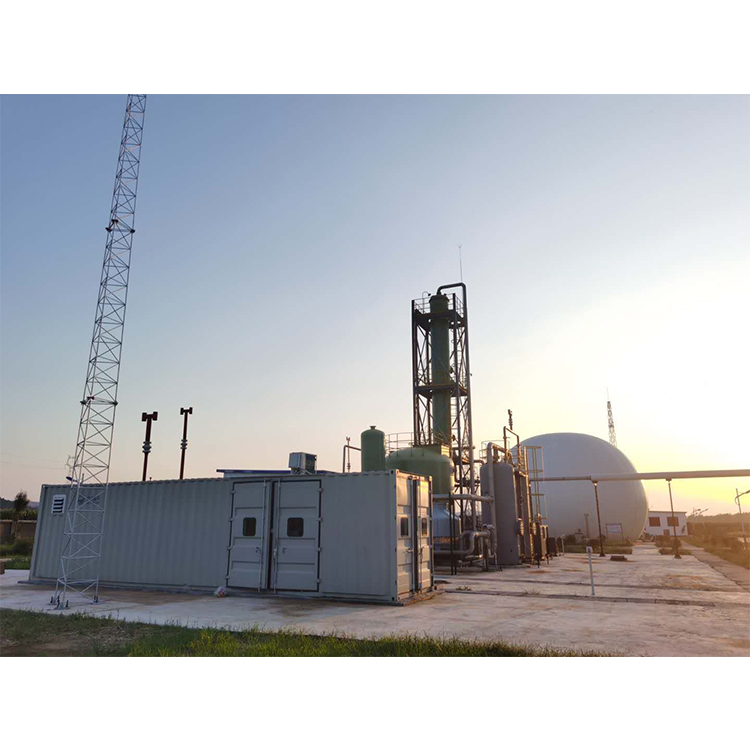















Biological desulfurization is a technology that utilizes sulfur bacteria to remove sulfur compounds at normal temperature and pressure. Compared to the chemical method, biological desulfurization offers advantages such as mild desulfurization conditions, high removal rates, no need for chemical catalysts, low energy consumption, and the ability to generate recoverable resources of elemental sulfur.
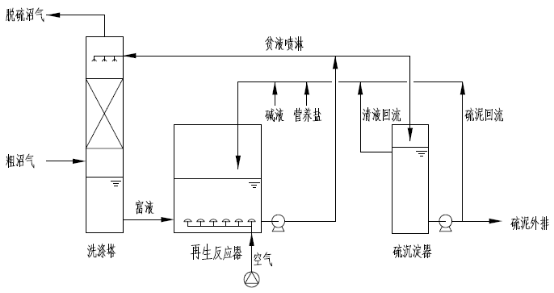
The biological desulfurization process is divided into four units: ① Washing Unit; ② Microbial Regeneration Unit; ③ Elemental Sulfur Separation Unit. The specific process is shown in Figure 1.
Washing Unit: Alkaline biological washing fluid is sprayed from the top of the washing tower, where it counterflows with biogas containing sulfur compounds (mainly H2S) entering from the bottom. This absorption process removes over 98% of H2S from the biogas after several seconds of washing.
H2S+OH-→HS-+H2O(1)
Microbial Regeneration Unit: The rich liquid containing sulfides flows into the regeneration reactor from the bottom of the washing tower, where it undergoes biological metabolism by sulfur-reducing microorganisms, converting sulfur compounds into elemental sulfur, while simultaneously increasing the solution's pH level.
HS-+1/2O2→S0+OH-(2)
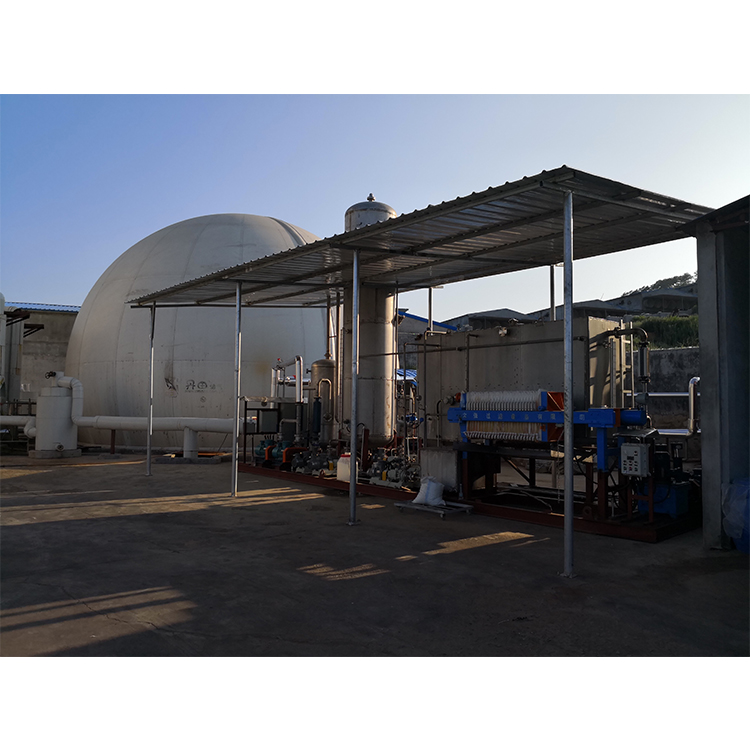
Sulfur Separation Unit: Elemental sulfur is separated from the sulfur precipitator as a granular sediment and stored temporarily in the sulfur storage pond. After being filtered by a plate and frame filter press, the elemental sulfur is separated, and the clarified liquid is recycled back to the biological regeneration reactor.