














I. Technical Principle
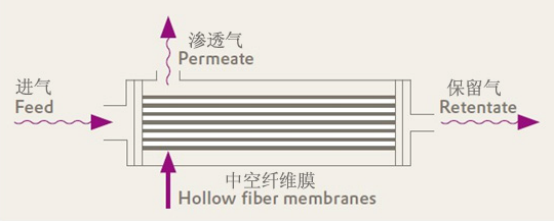
Membrane separation technology is a technique that utilizes the differential permeability of thin film materials to various gases to achieve gas separation.
Drive force: The pressure difference between the retention side (inside the hollow fiber) and the permeate side (outside the hollow fiber). The higher the difference, the greater the proportion of gas passing through the permeation membrane.

The permeation rate of gases depends on the solubility and diffusion rate of the membrane material. Different gases permeate through the membrane material at varying rates. By exploiting the permeation rate differences between methane and carbon dioxide, carbon dioxide can be separated from biogas, thereby increasing the purity of methane in the biogas.
Section II: Technical Advantages
★ High methane purity, low operation cost
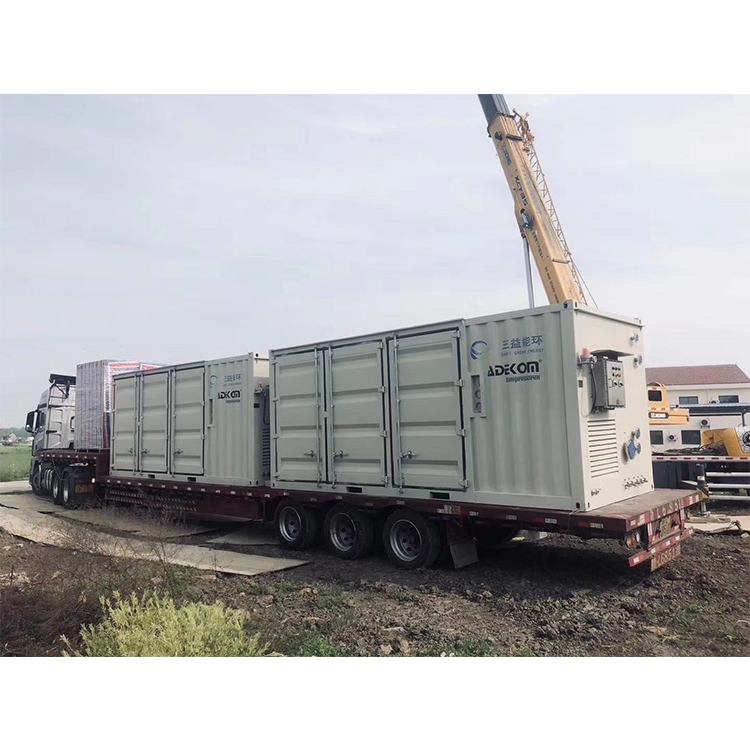
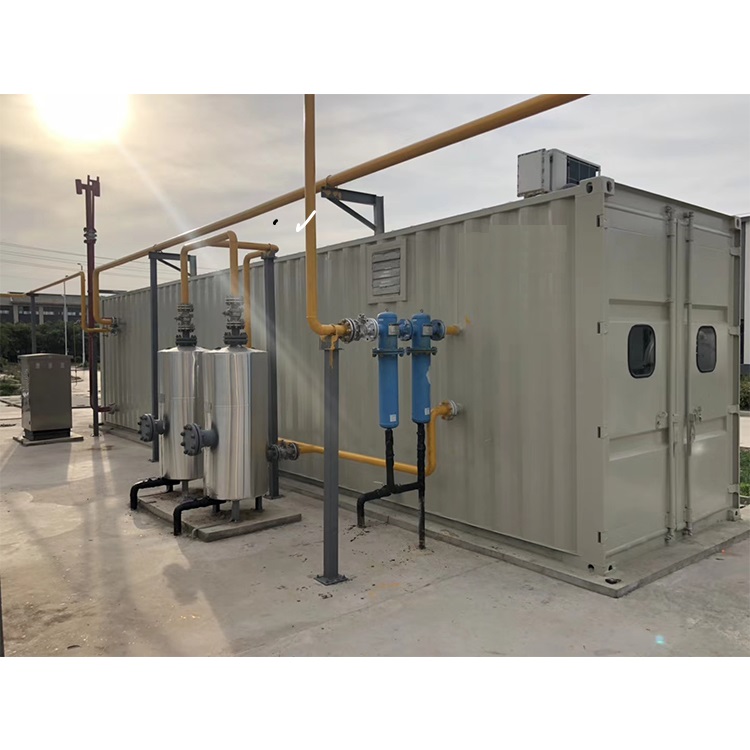
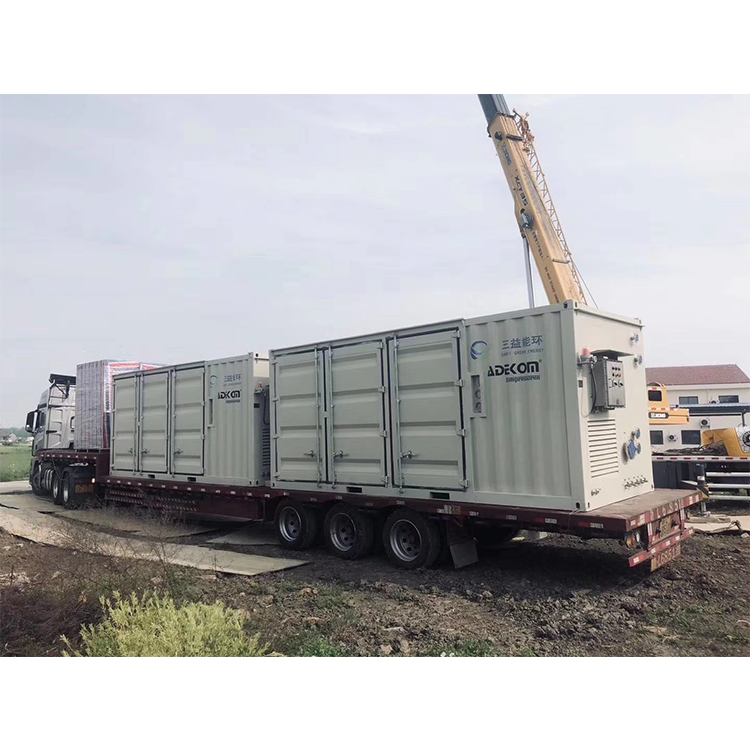
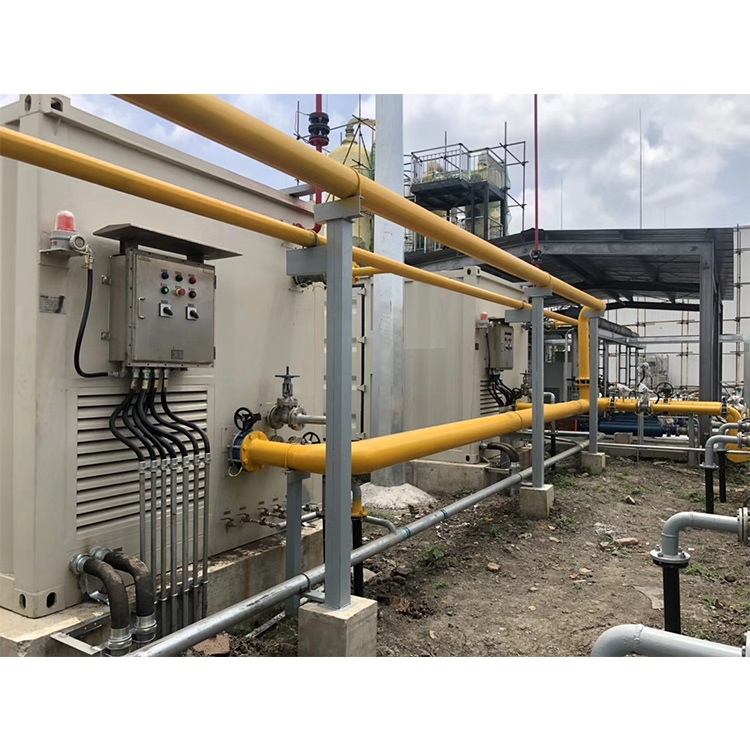
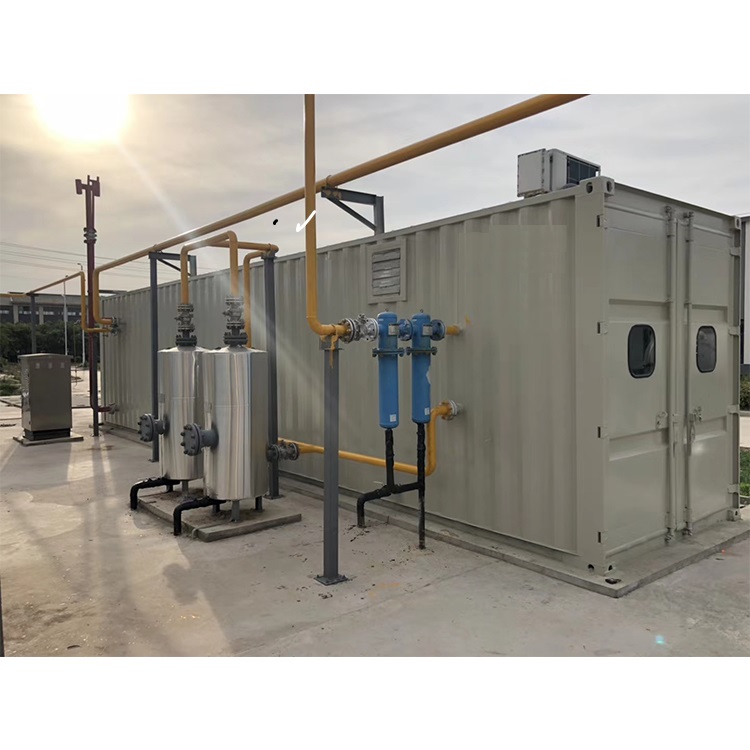
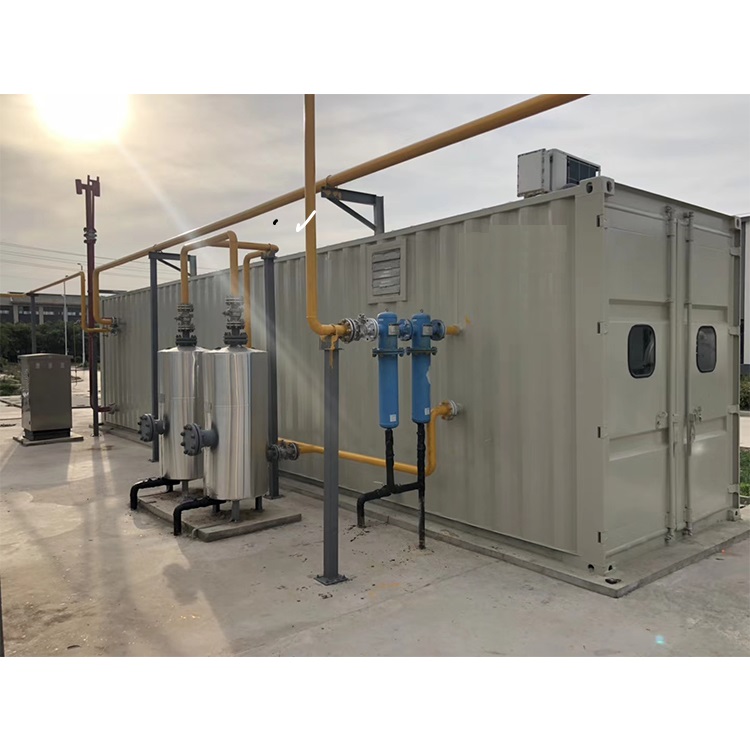
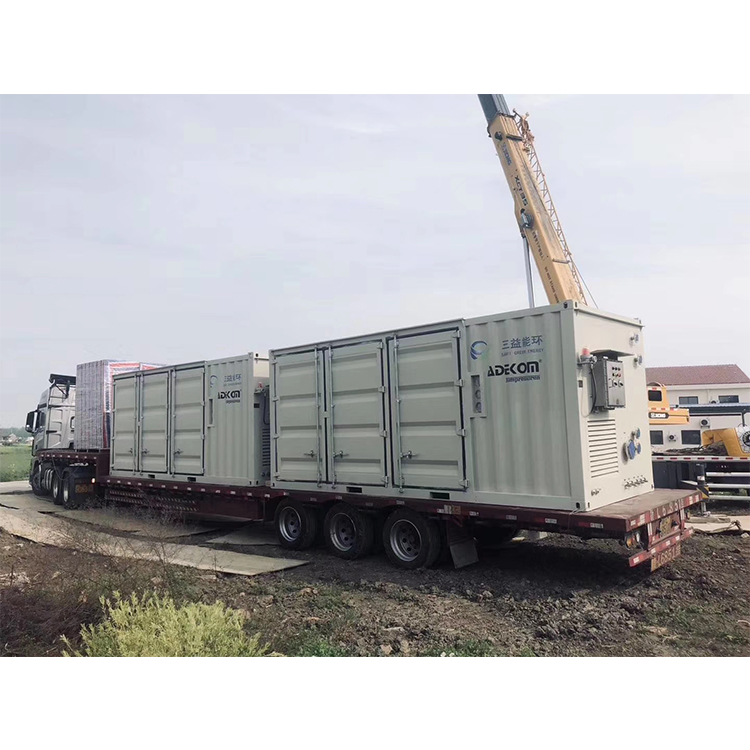
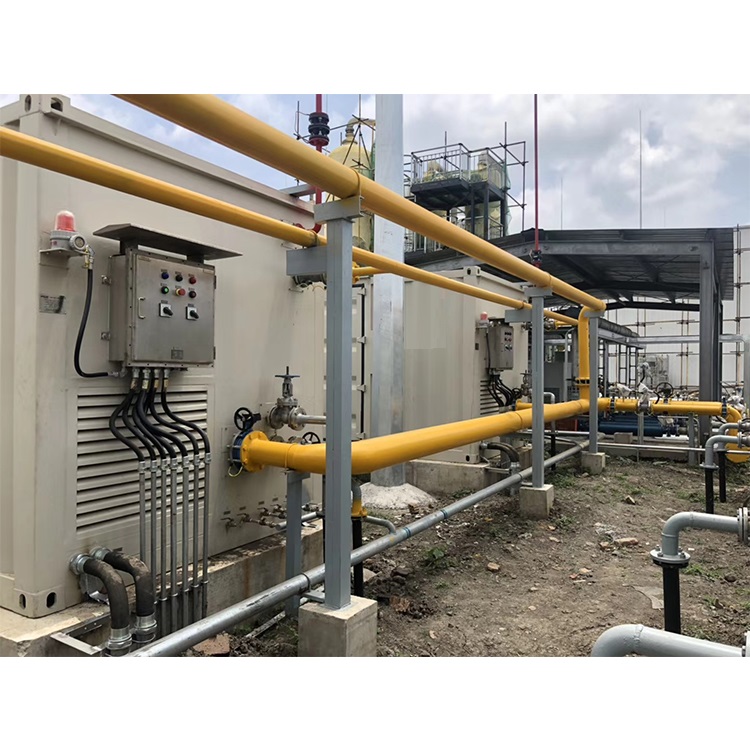
★ Skid-mounted equipment, short process flow, compact structure, small land occupation
★ No additional auxiliary materials, no secondary pollution
★ The system can be started and stopped within short intervals, offering high flexibility.
Section 3: Process Flow

Membrane purification is primarily composed of three parts: gas pretreatment, pressure system, and membrane separation system. Systems can be configured as single, double, or multi-stage, based on the owner's requirements for methane purity and yield.