









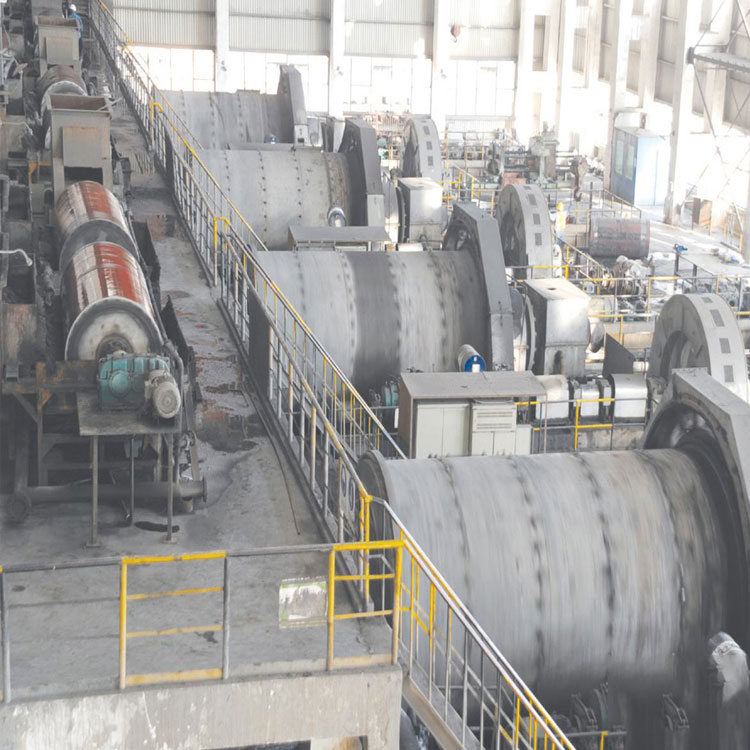
Product Introduction
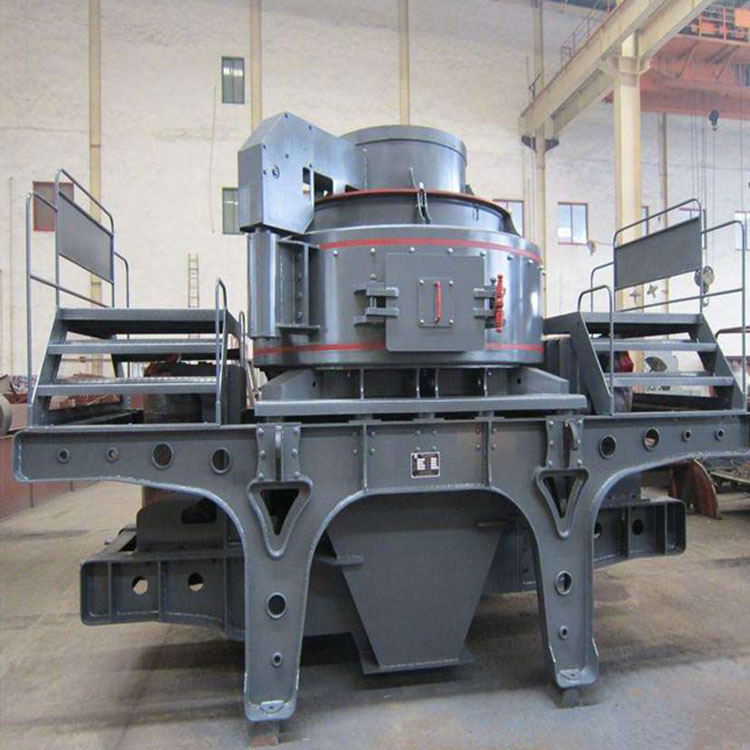
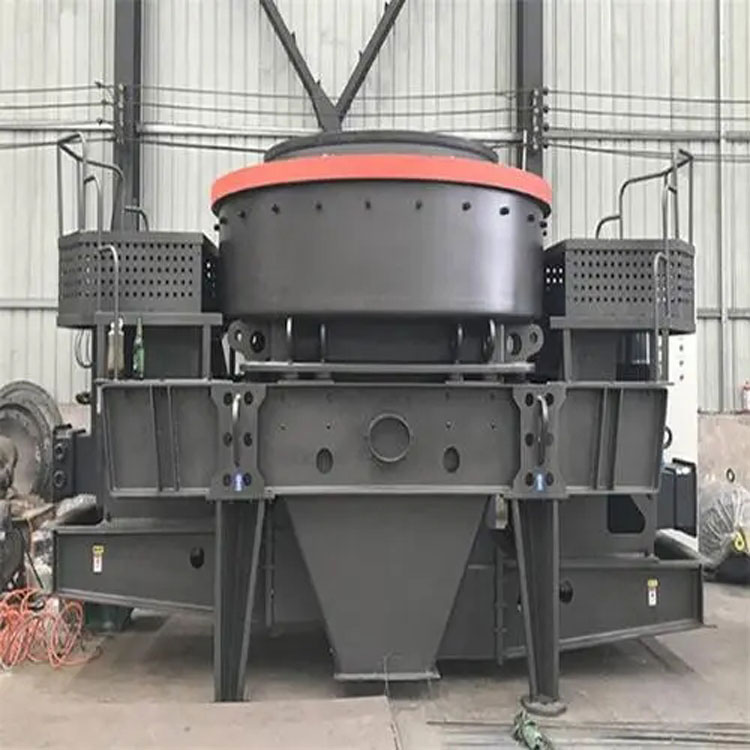
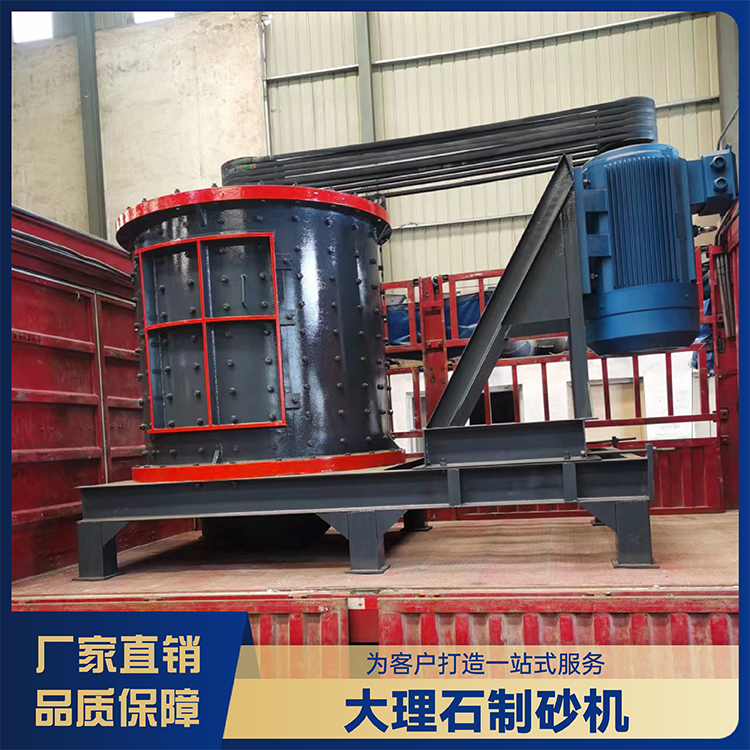
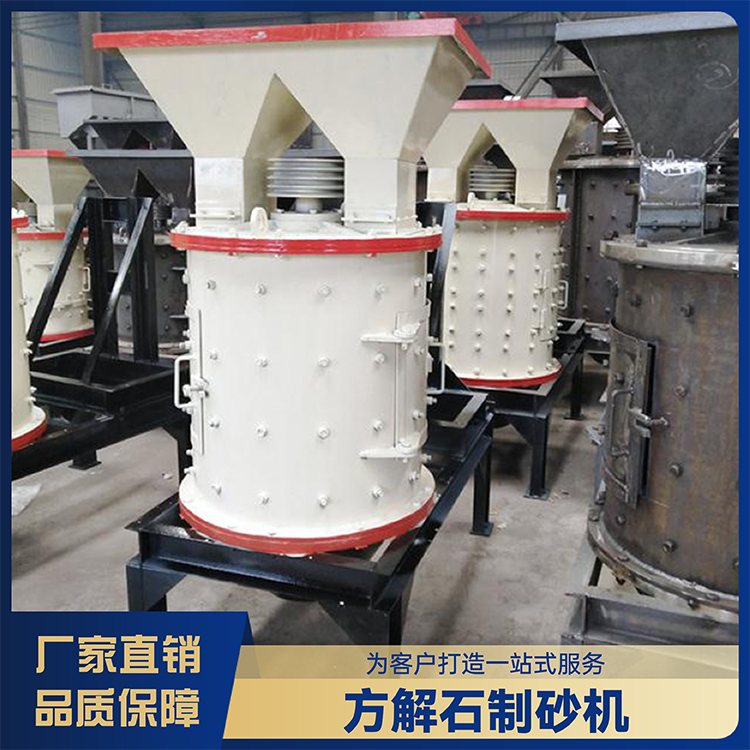
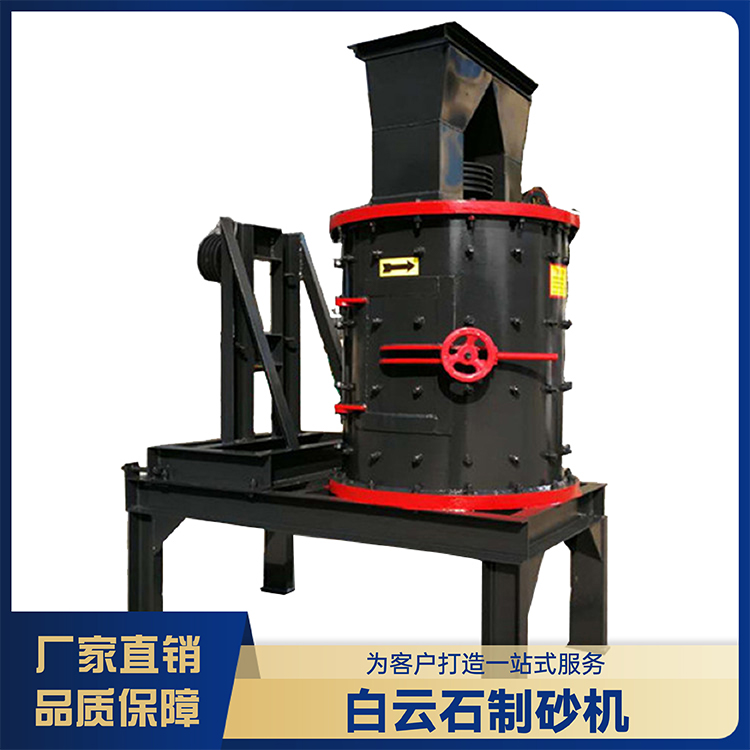
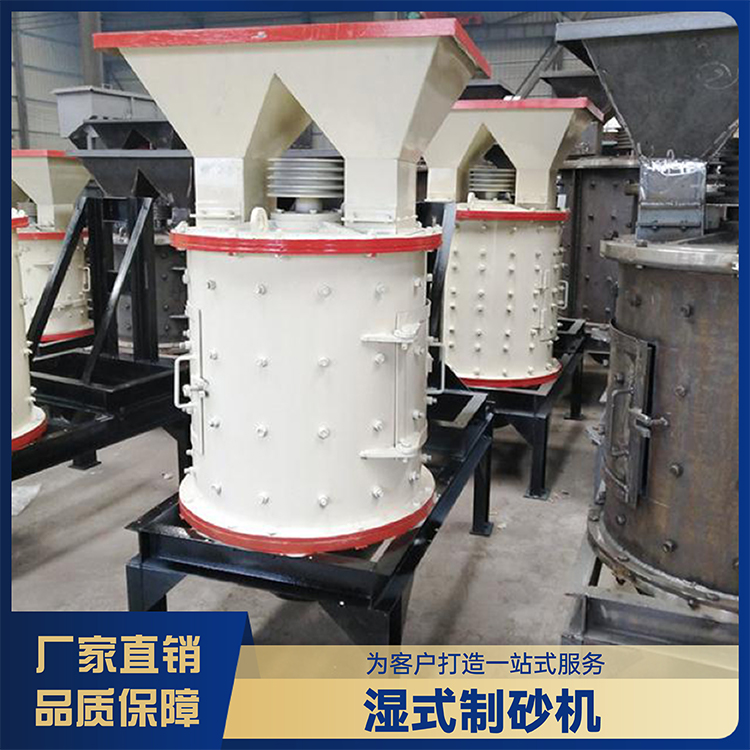
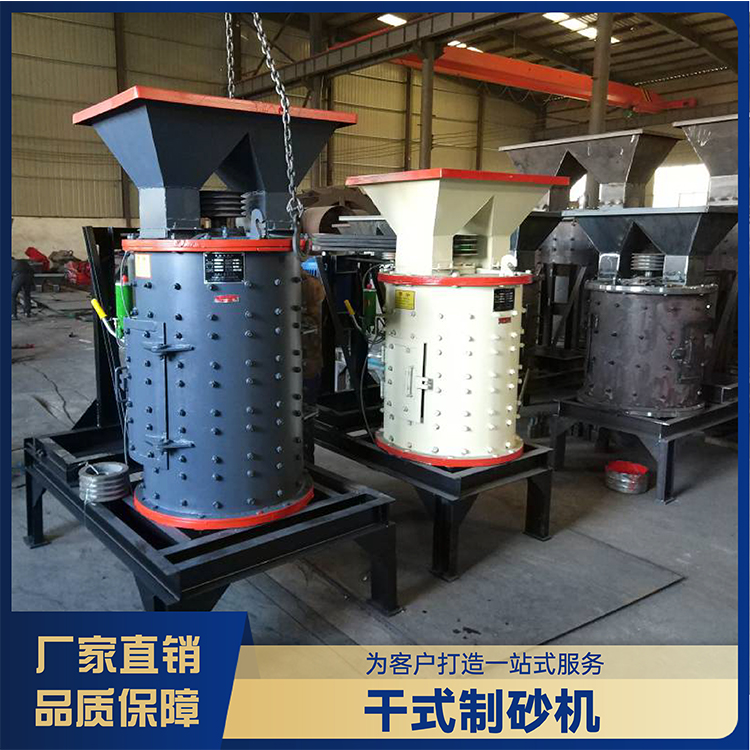
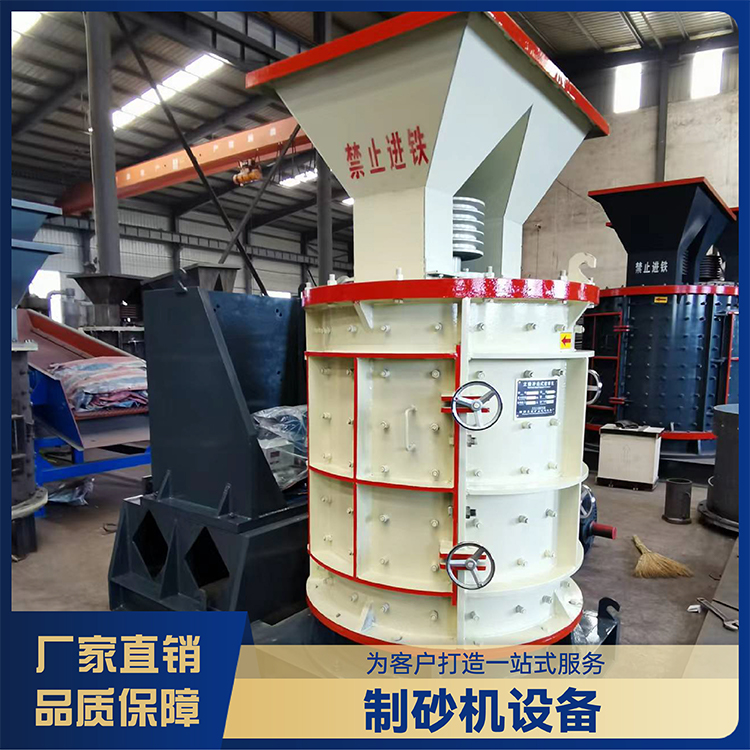
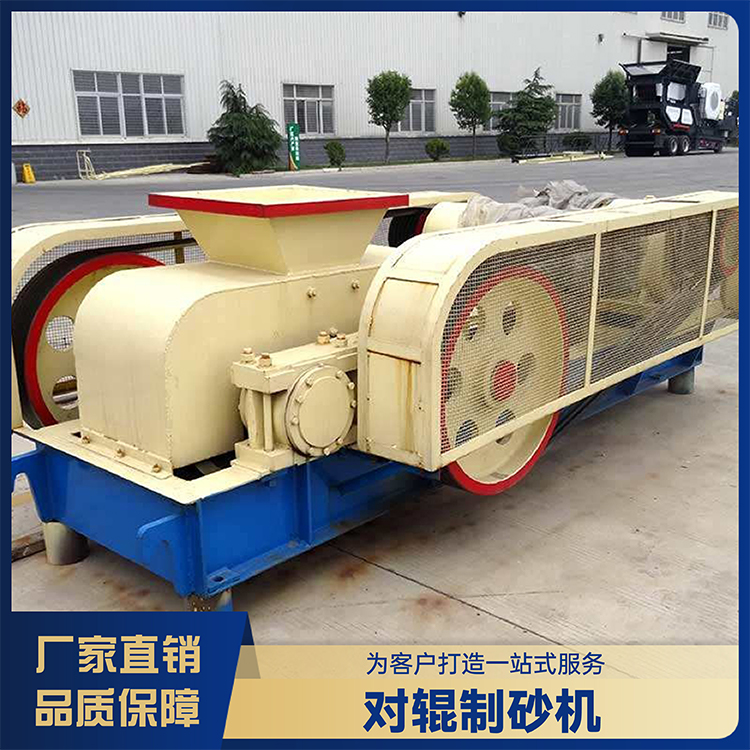
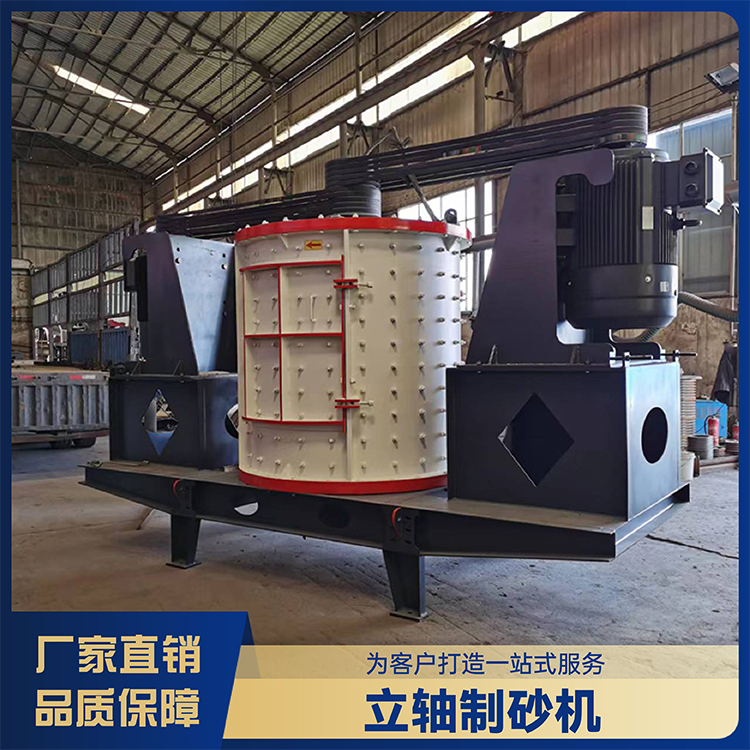
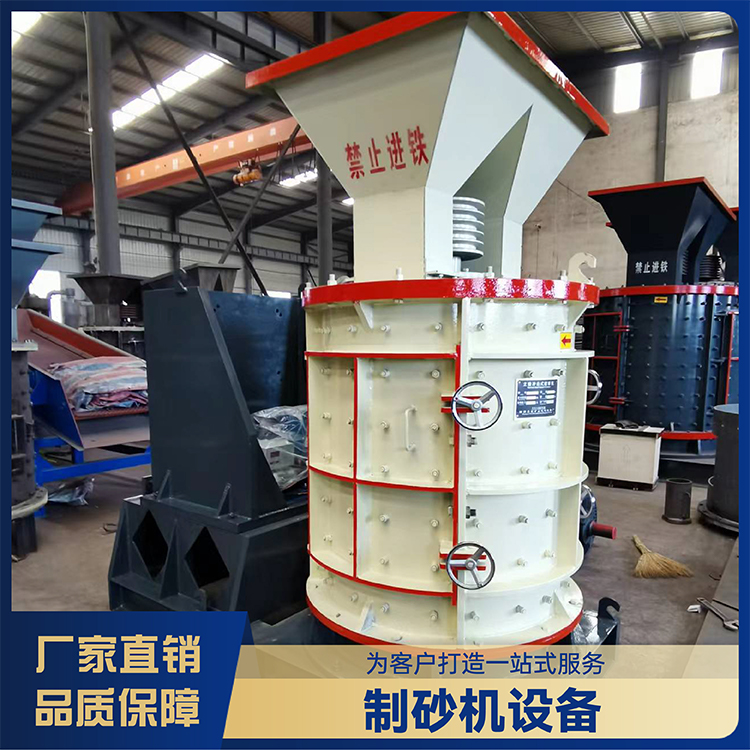
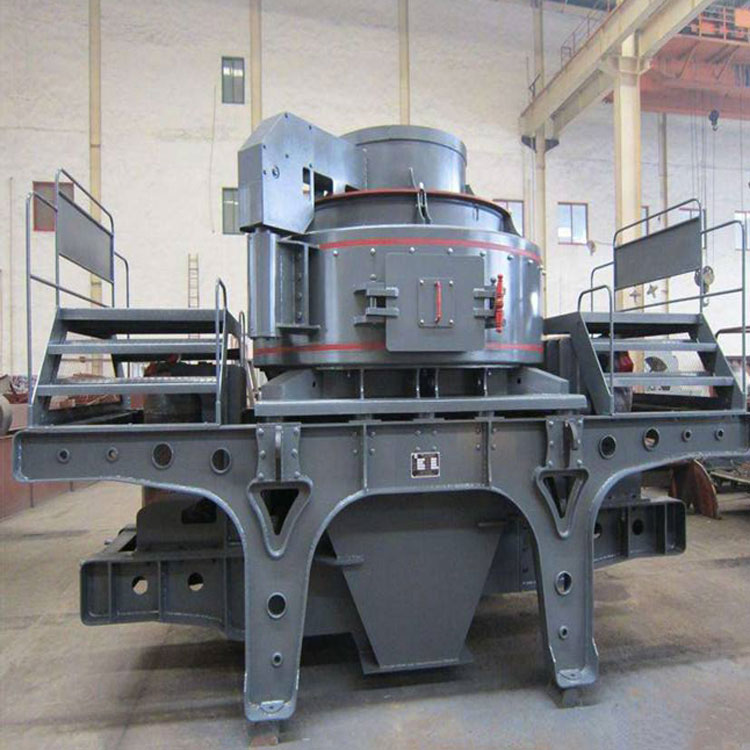
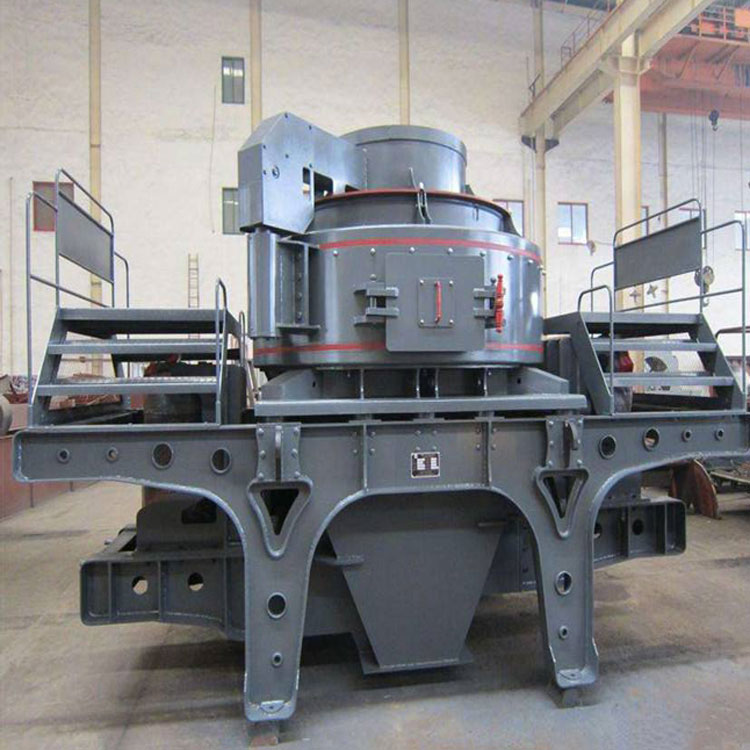
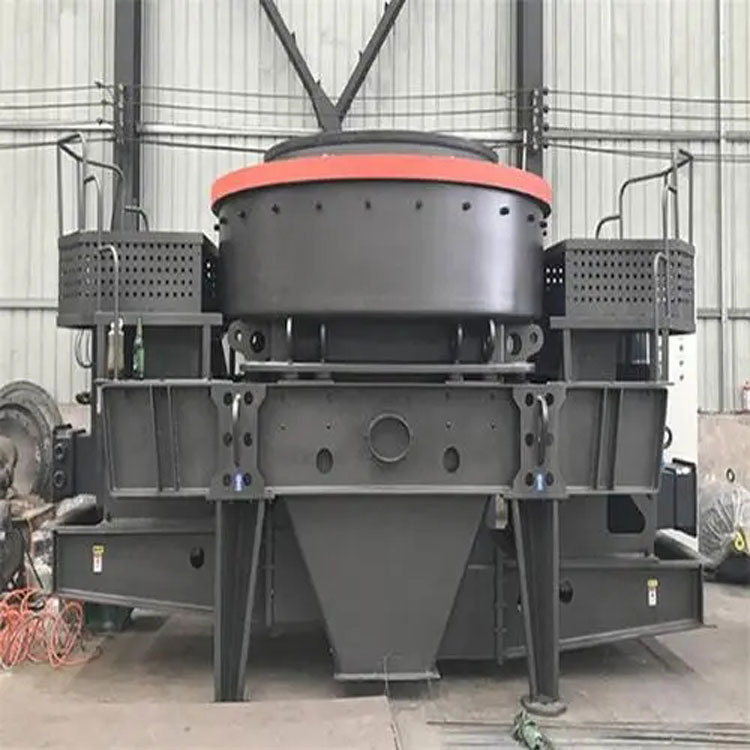
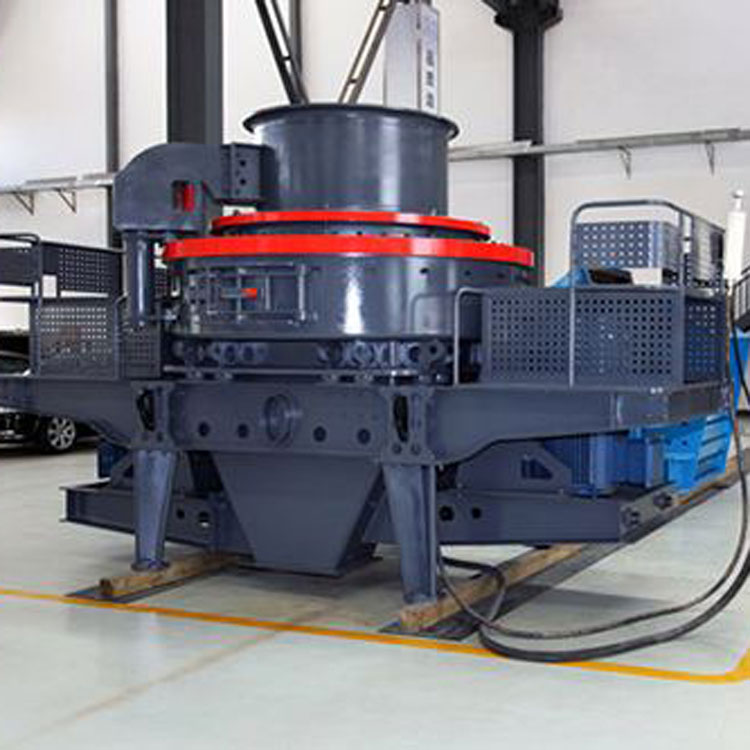
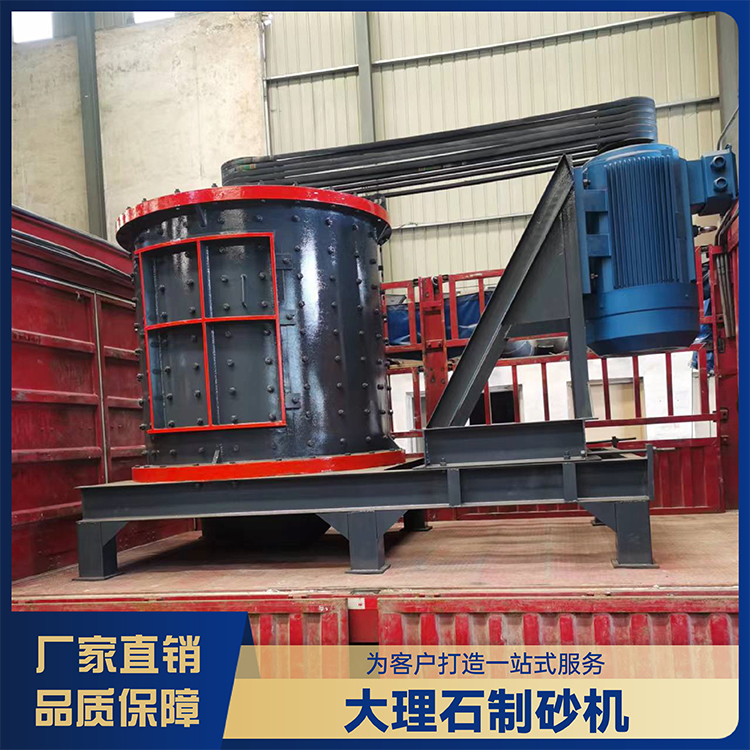
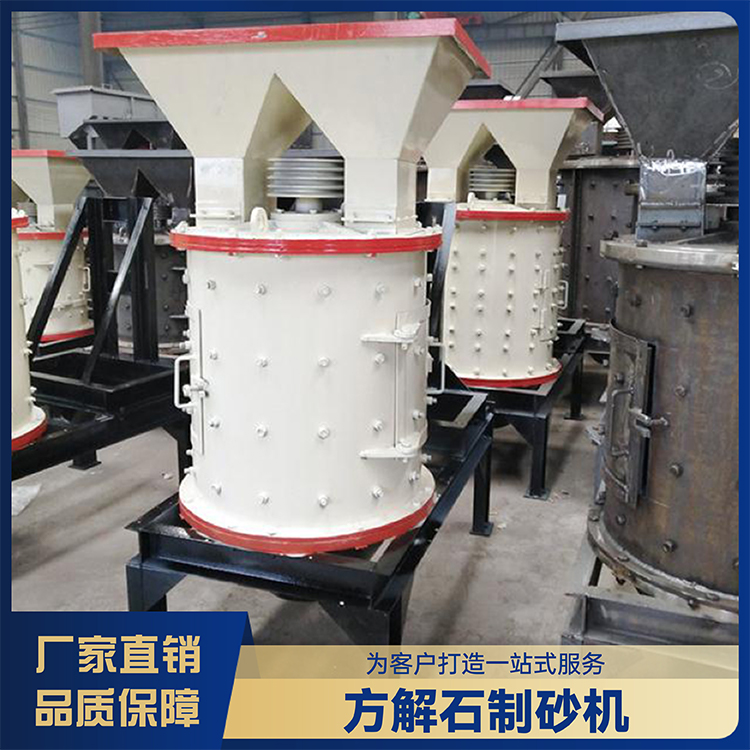
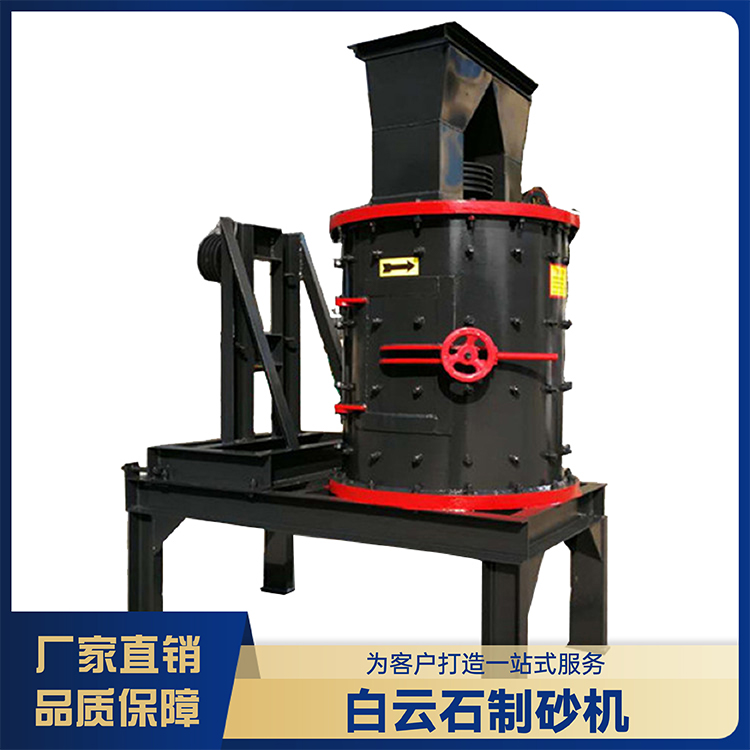
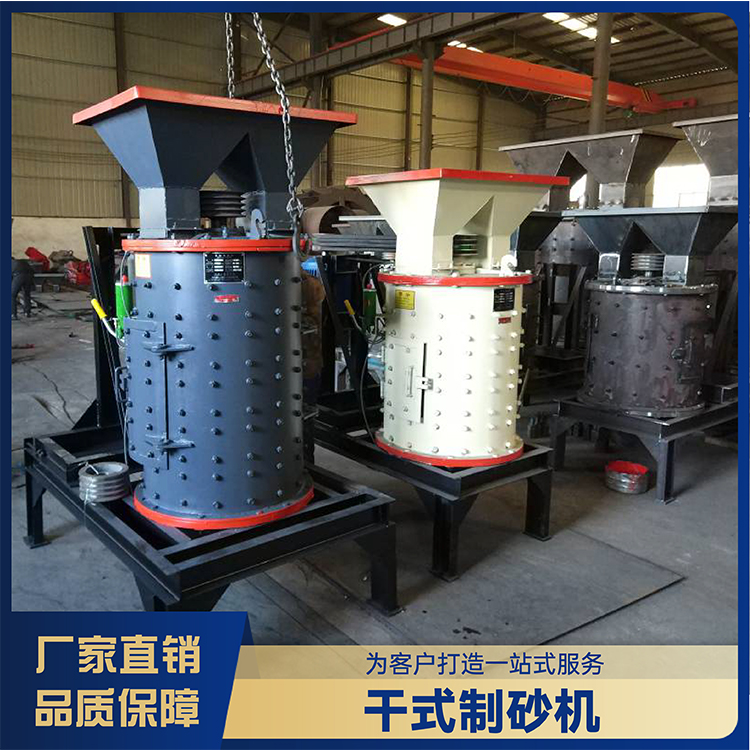
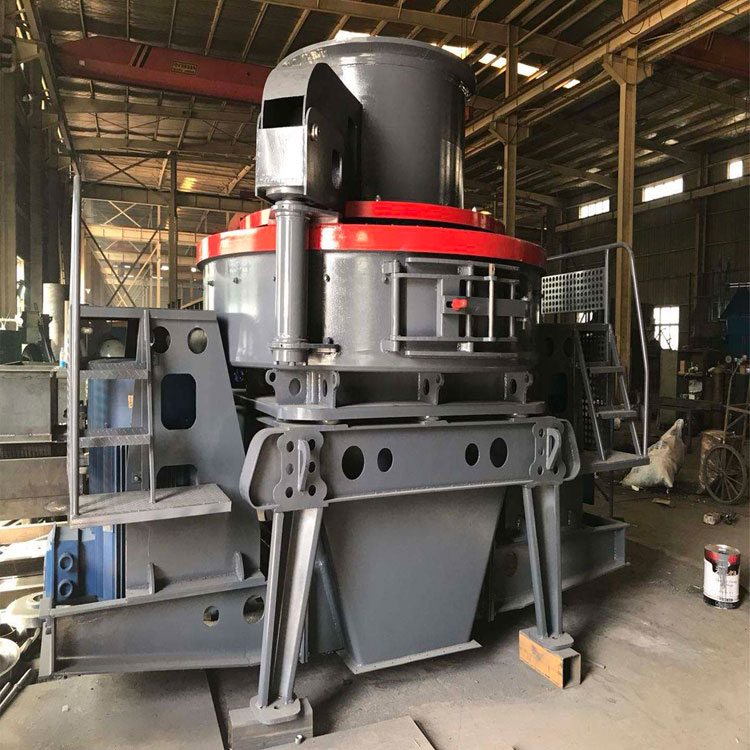
PCL Direct-feeding Impact Crusher, commonly known as a sand-making machine. It is the crystallization of years of research and wise decision-making in mining equipment development by our company. It is a high-efficiency, low-energy-consuming equipment with high performance, playing a significant role among various fine crushing equipment for ores. It is currently an effective, practical, and reliable crushing machine. The product performance is ever-improving, gaining deep customer trust and attracting both domestic and international clients. This product is widely used in various industries, including ore processing, cement, refractory materials, bauxite clinker, silicon carbide, glass raw materials, manufactured construction sand, stone materials, and various metallurgical slags. Note: In China, it is also known as a vertical impact crusher. When the China Construction Materials Industry Association authorized the China Sand and Stone Association to lead in formulating the industry standards for sand-making machines, it was also designated as a vertical impact breaker. The vertical impact crusher is a new type of equipment, with its working principle proposed by the American Poulamin. There are already various products available in Europe and America, with different names. In China, it is commonly referred to as a vertical impact crusher. Such equipment has a history of over 30 years and was originally used for the fine crushing of hard ores in mines.
Highlight Advantages
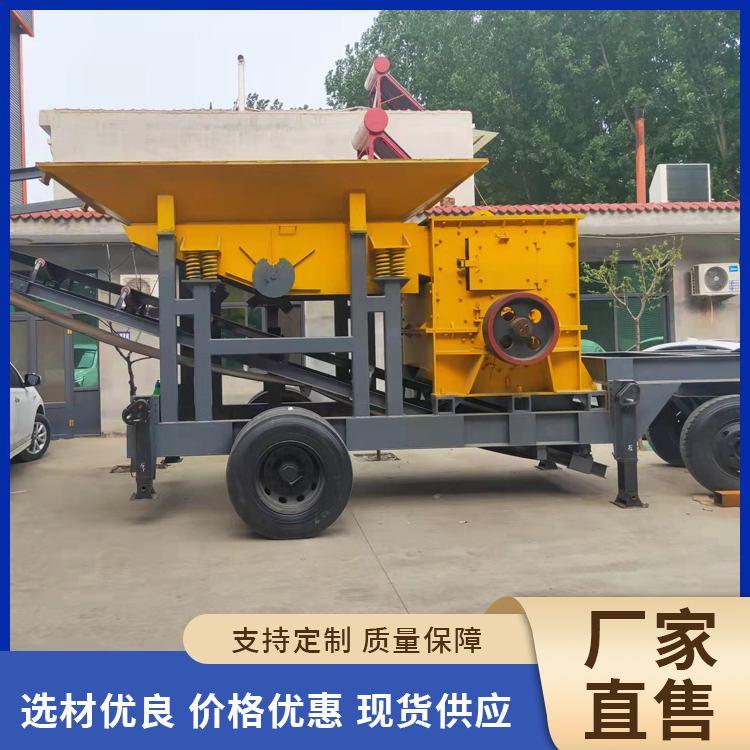
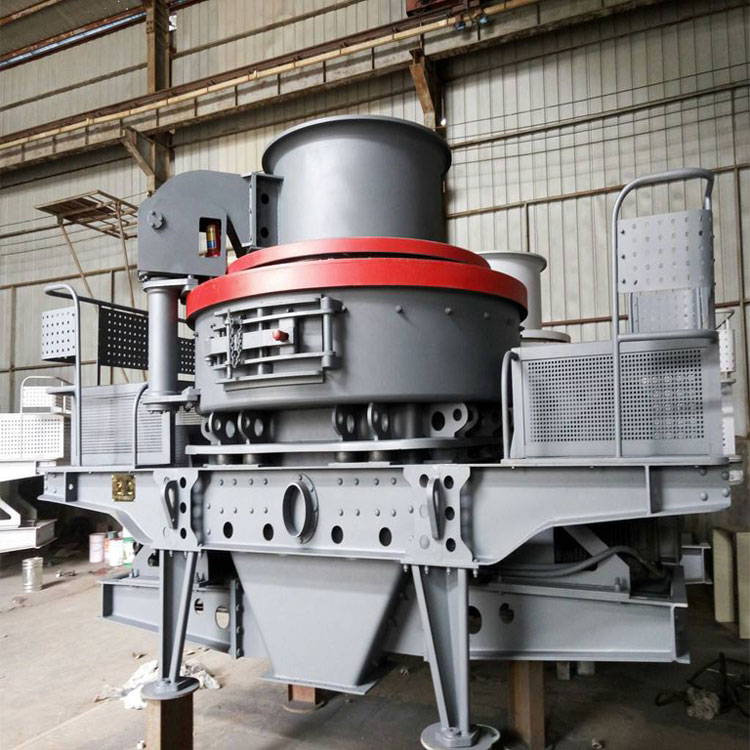
The machine features a simple and rational structure, self-impact crushing, and low operating costs; the main shaft design with bearing installation allows for heavy loads and high-speed rotation. It has fine crushing and coarse grinding capabilities; high reliability and a stringent safety protection system ensure equipment and personal safety; smooth operation, low noise, and crushing efficiency; minimal impact from material moisture content, with moisture levels up to about 8%; low wear and tear on components, all made from wear-resistant materials both domestically and internationally, resulting in a long service life. A small number of wear-prone parts are made from ultra-hard wear-resistant materials, which are compact, lightweight, and easy to replace. The air flow in the vortex cavity is self-circulating, reducing dust pollution. The material in the impeller and vortex crushing cavity significantly reduces wear and tear costs and maintenance work. During production, the stone forms a protective layer, ensuring the machine body is wear-free and durable. The installation methods are versatile, including mobile installation. The product is in a cubic shape, with high stacking density and minimal iron contamination. It can be used as a stone shaping machine.
Operating Principle
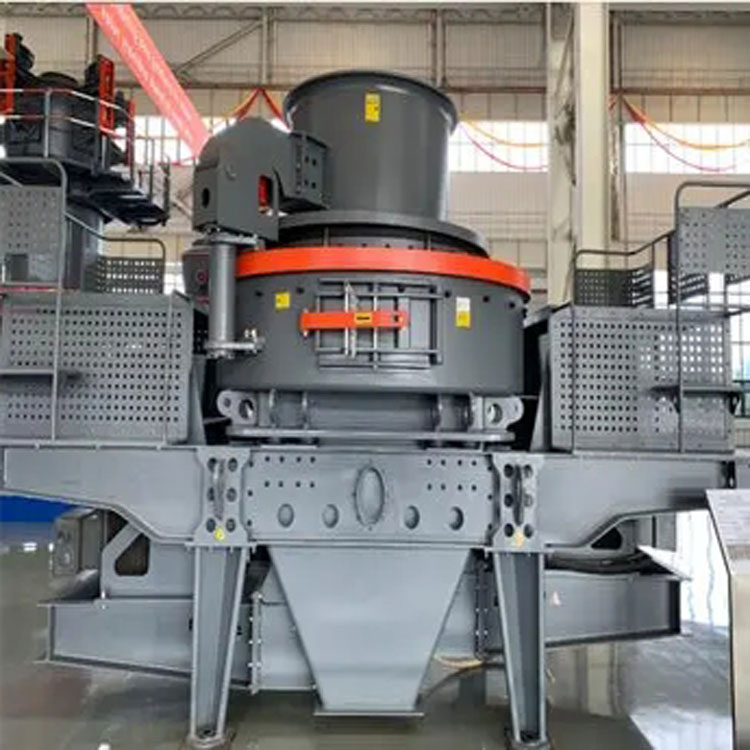
The material enters the sand-making machine from the feeding hopper, where it is divided into two parts by the distributor. One part enters the high-speed rotating impeller through the center, where it is rapidly accelerated to several hundred times the acceleration due to gravity, and then ejected at a speed of 60-70 meters per second through three evenly distributed channels. It first impacts and crushes the material that has fallen from around the distributor, and then together, they strike the material lining inside the vortex cavity. The material lining bounces it back,斜 upward, to the top of the vortex cavity, where it changes direction and moves downward at an angle. The material emitted from the impeller channels forms a continuous curtain. This piece of material undergoes two or more chances of collision, friction, and grinding within the vortex crushing cavity. The crushed material is discharged from the lower discharge port. In conjunction with the circulating screening system, the material is typically crushed to less than 20 mesh after three cycles. Throughout the crushing process, the material impacts and crushes itself without direct contact with metallic components, instead, it is crushed by impacting and friction with the material lining, reducing angular contamination and extending the wear time of the machinery. The clever internal airflow self-circulation within the vortex cavity eliminates dust pollution.
Technical Specifications
| Model Specifications | Larger raw material intake (mm) | Power (KW) | Impeller Speed (r/min) | Processing Volume (t/h) | Dimensions (mm) | Total Weight (kg) |
| PCL-600 | 35 | 37-55 | 2000-3000 | 12-30 | 2500×1620×2600 | 5600 |
| PCL-750 | 45 | 55-75 | 1500-2500 | 25-55 | 2700×1760×2800 | 7600 |
| PCL-900 | 50 | 110-150 | 1200-2000 | 55-100 | 3900×2000×3070 | 12600 |
| PCL-1050 | 60 | 150-180 | 1000-1700 | 100-160 | 4600×2350×3450 | 17300 |
| PCL-1250 | 60 | 264-320 | 850-1450 | 160-300 | 4500×2400×3700 | 22500 |
| PCL-1350 | 60 | 320-400 | 800-1193 | 200-360 | 5200×2700×3800 | 27600 |