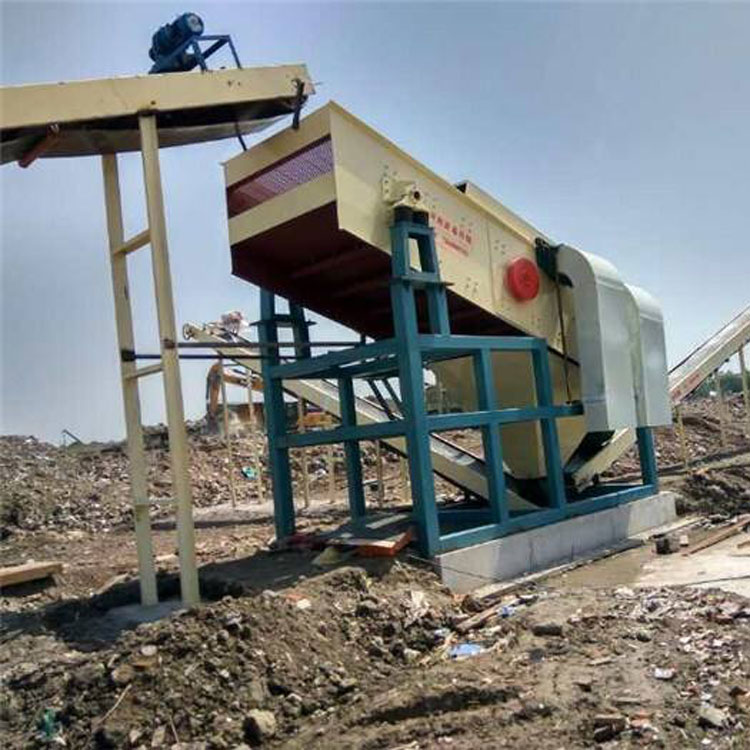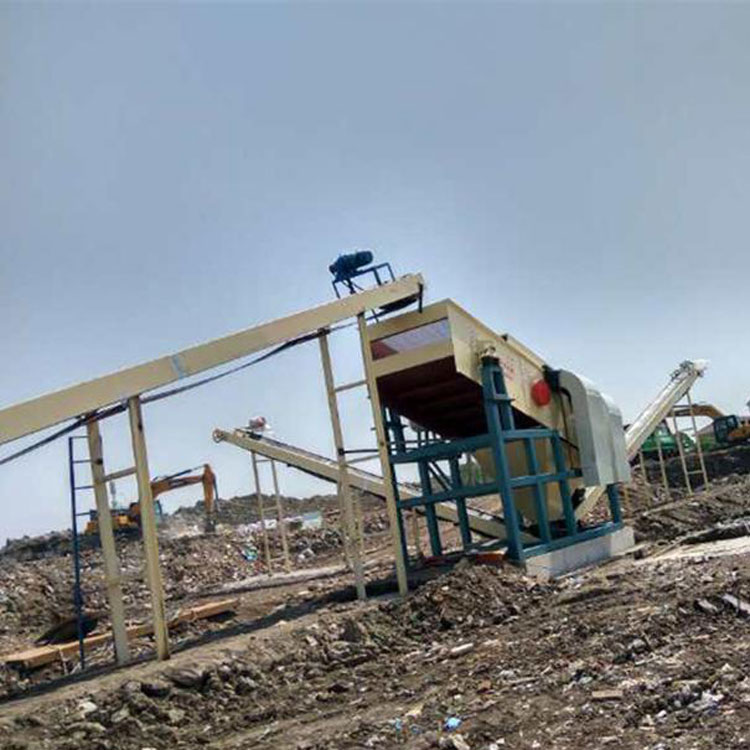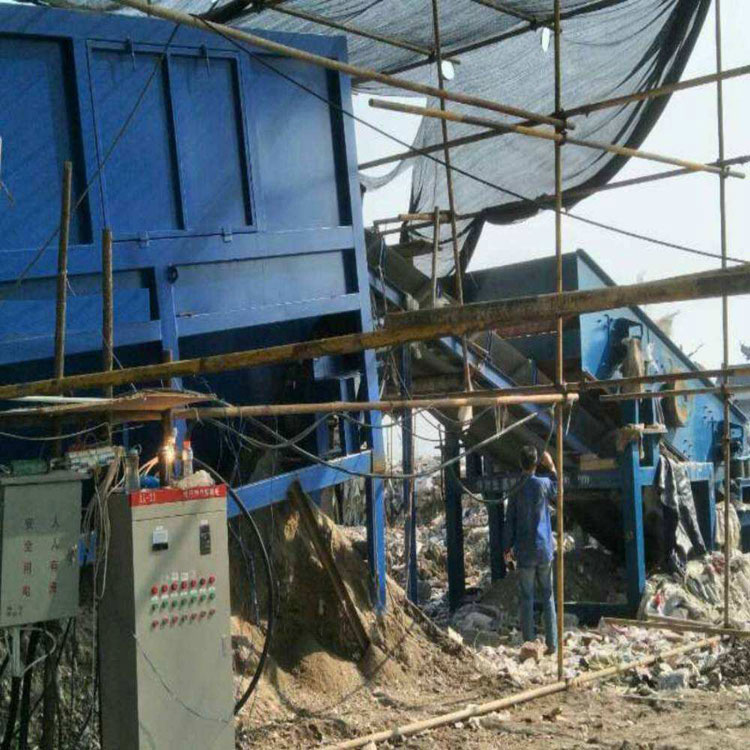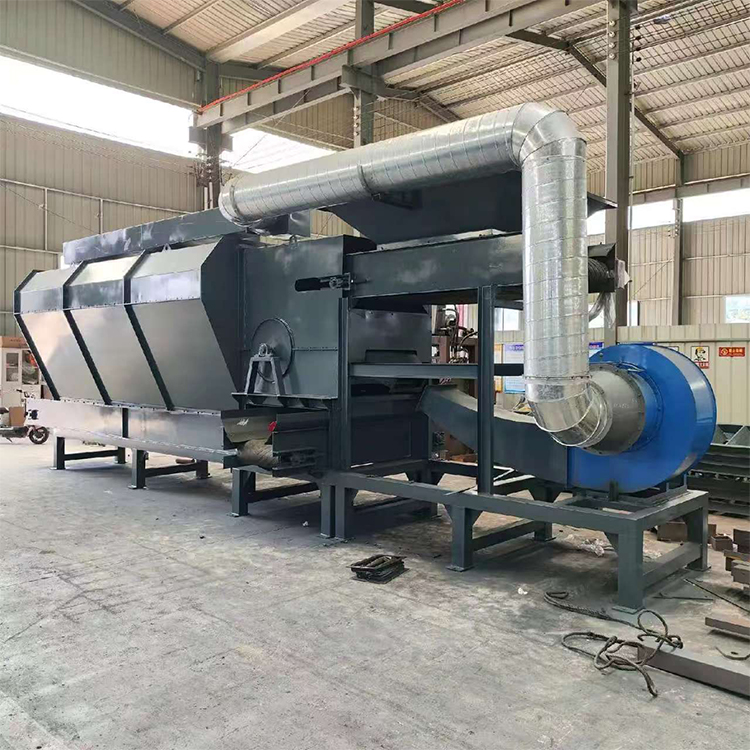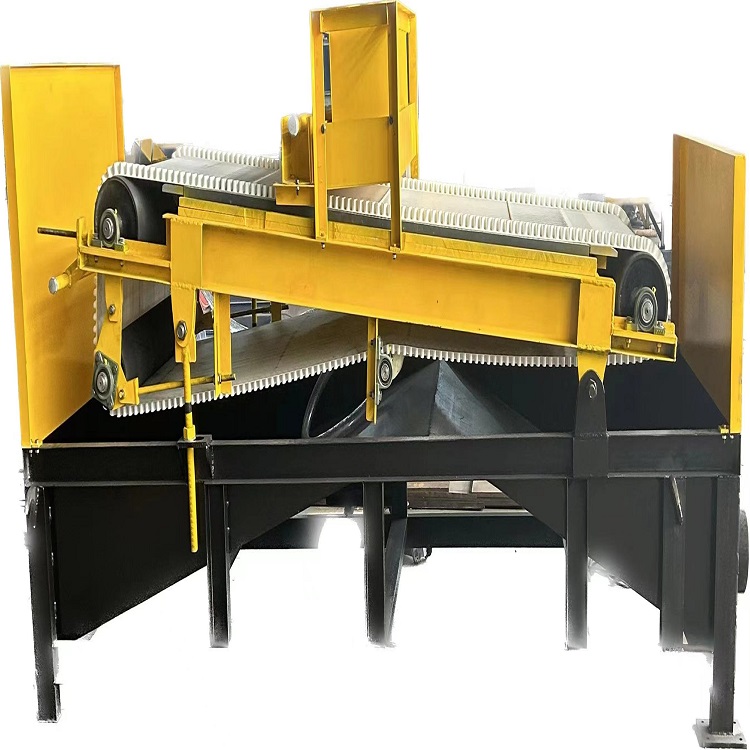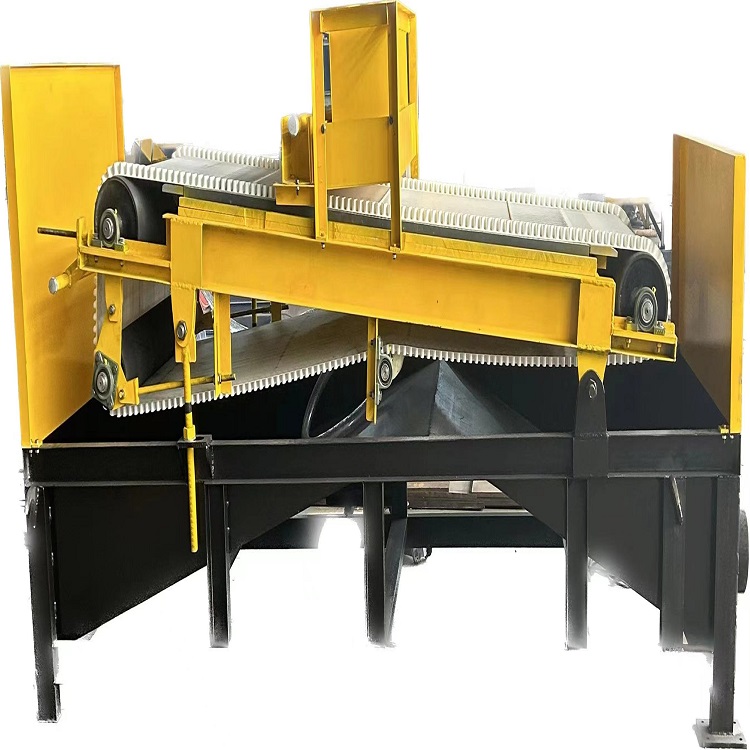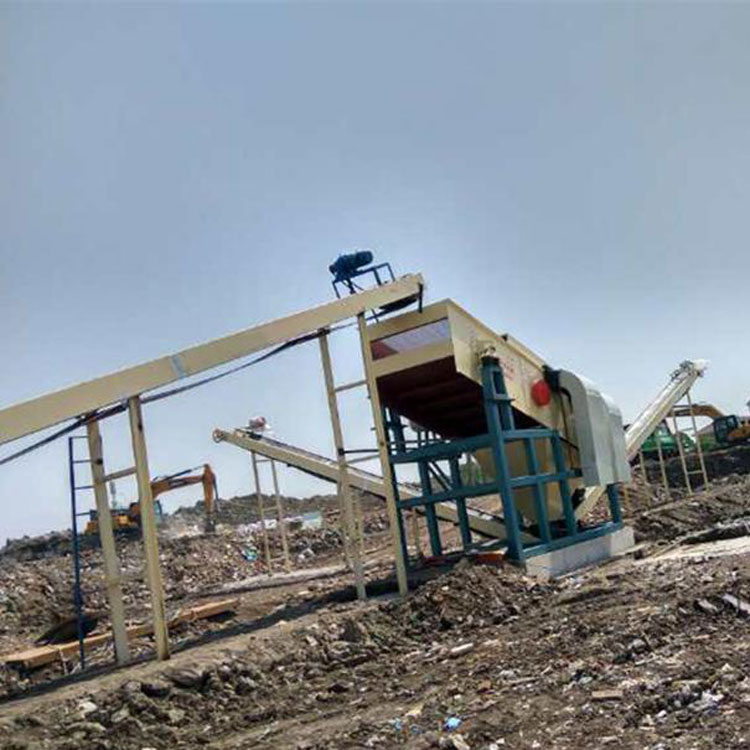

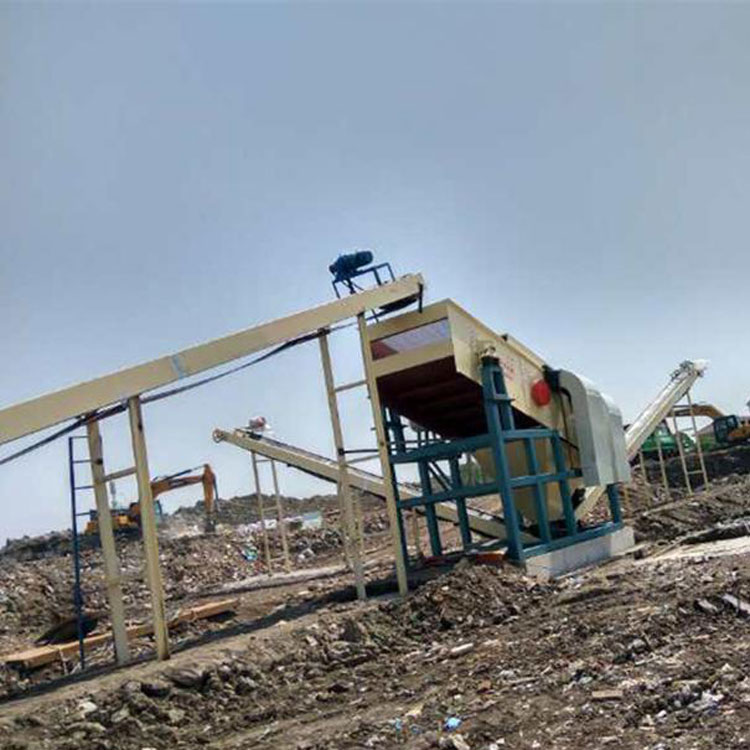
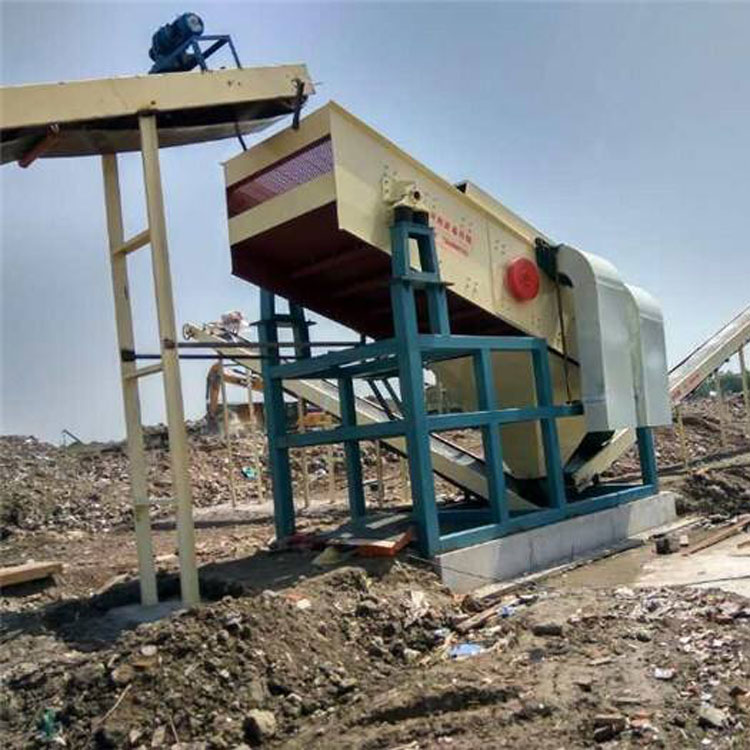
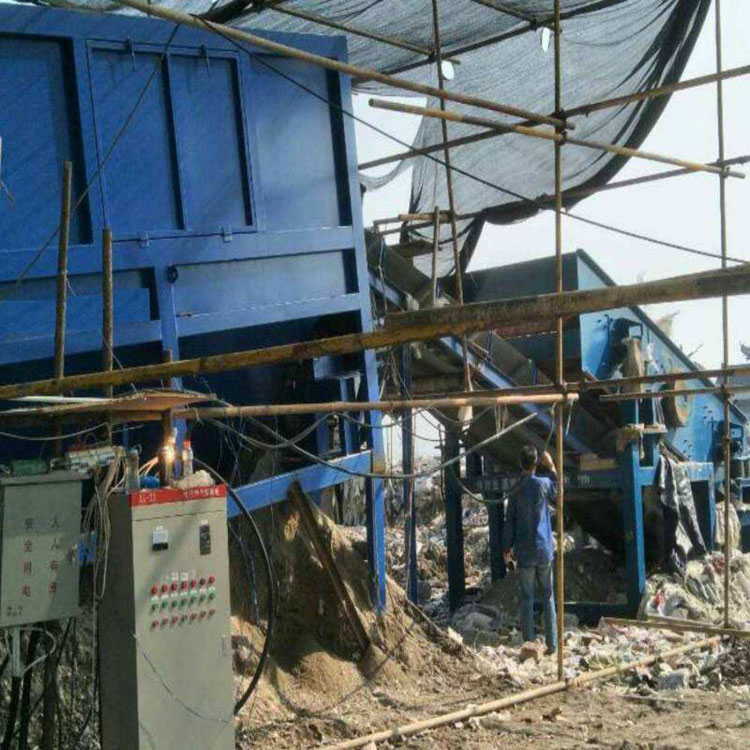











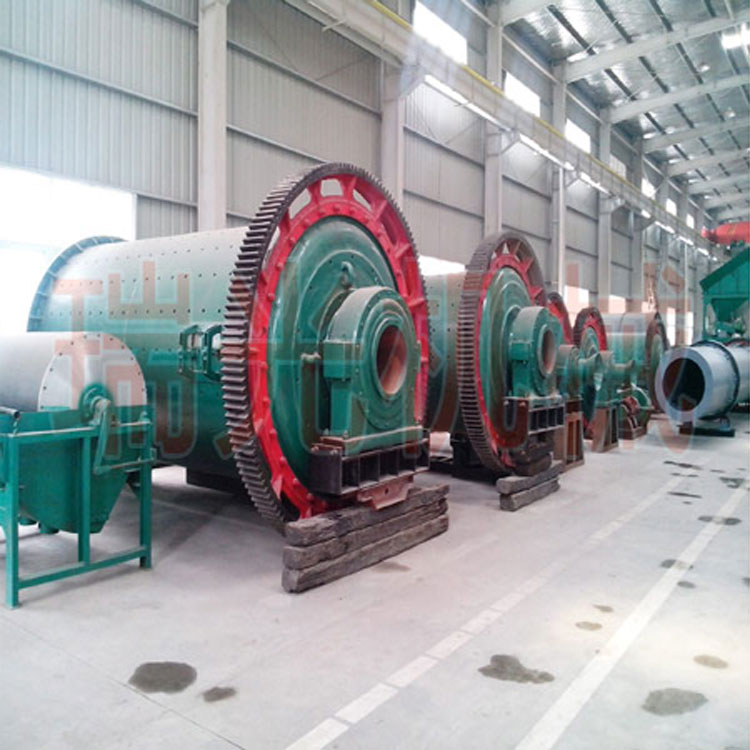
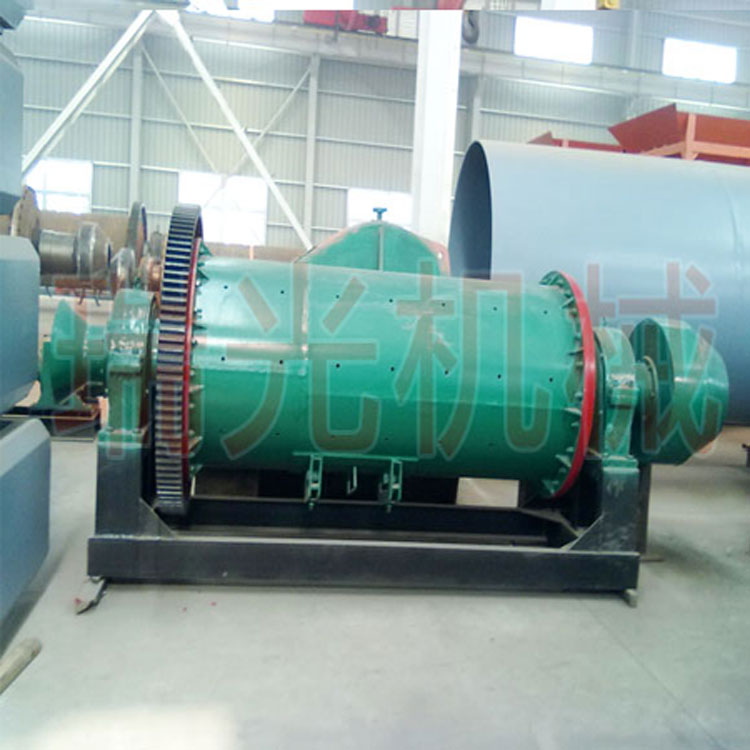
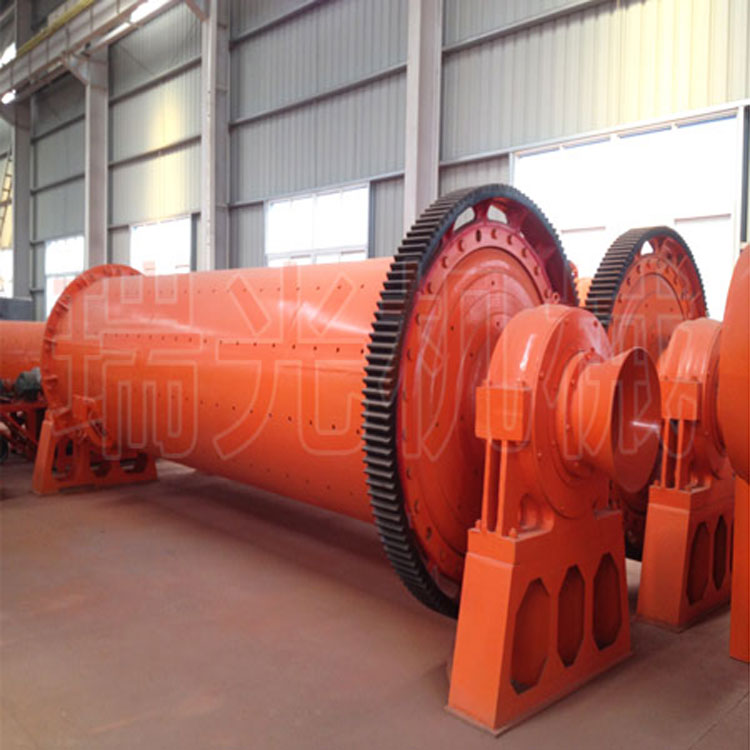
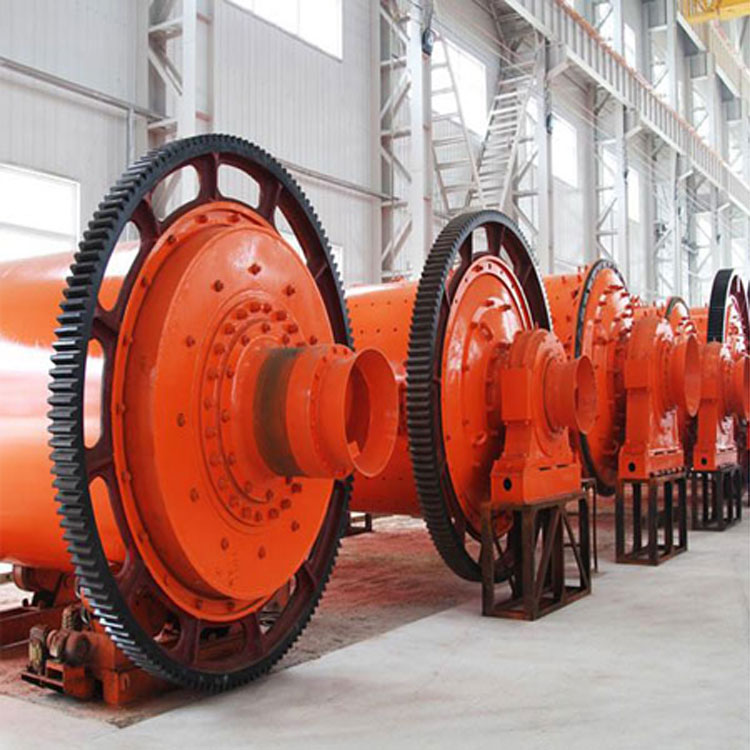
The construction waste separator, also known as the construction waste separator, sorter, and sifter, is well-known for its complex composition, including concrete blocks, bricks, soil, and lightweight organic materials (plastics, fibers, wood, etc.). These components vary greatly in hardness, making it difficult for traditional methods to separate them effectively. The finished products also suffer from inconsistent performance due to the complex composition, limiting their application. How to effectively separate the mixed materials within construction waste is the key to its resource recovery and regeneration, as well as the main challenge. These difficulties are no longer significant with our construction waste separator.
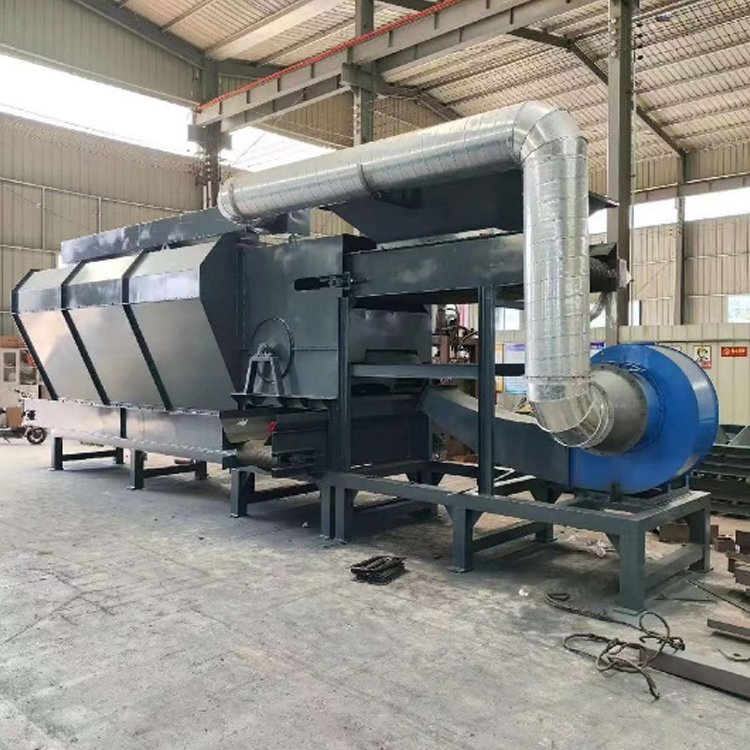
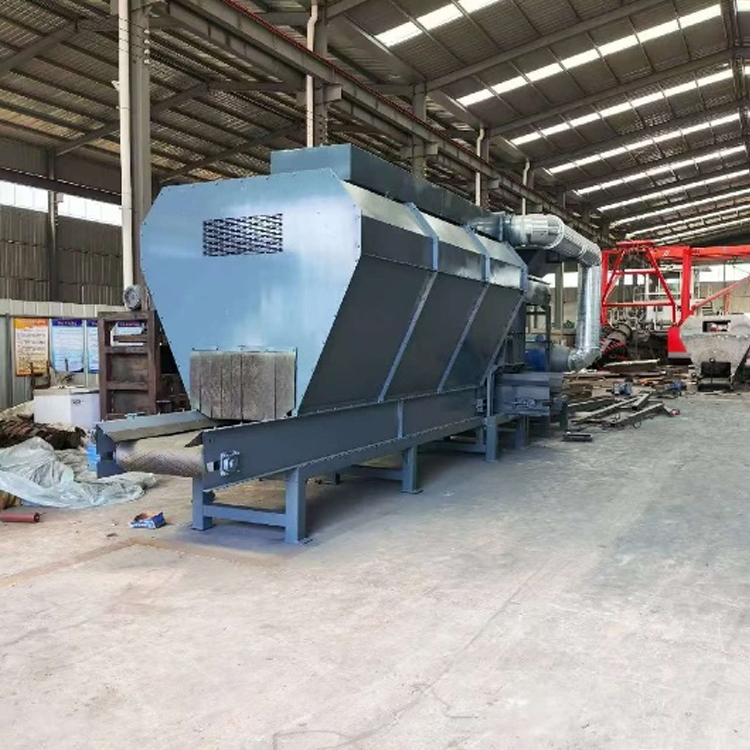
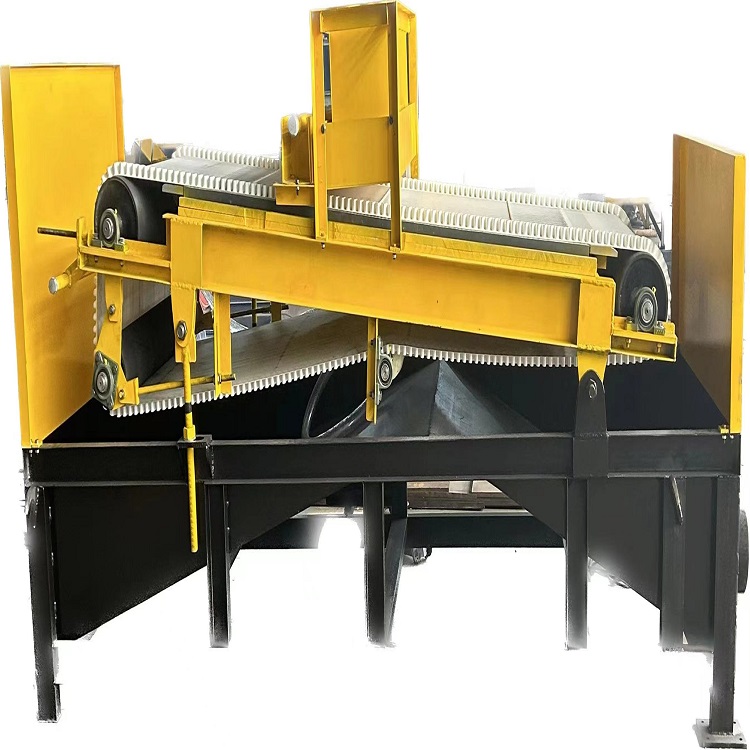
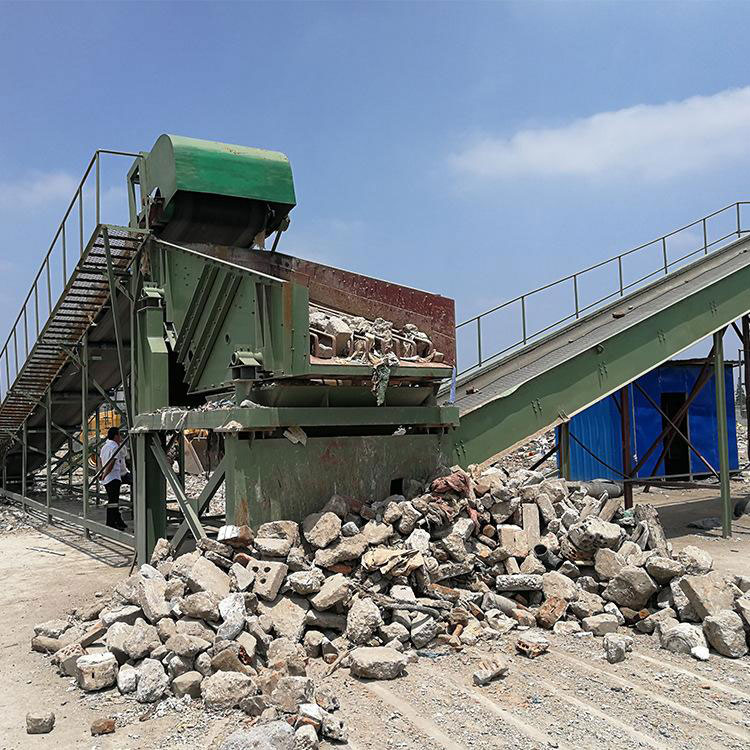
Construction waste separator
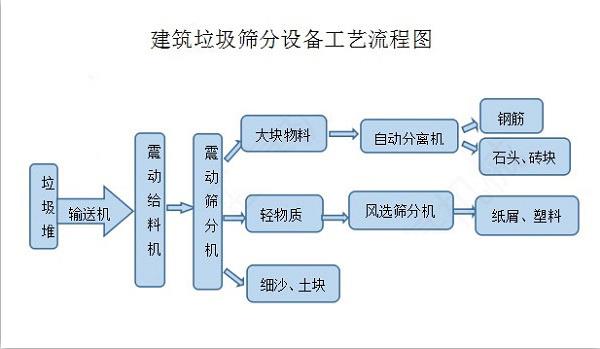
The construction waste separator employs different sorting methods based on the physical or chemical properties of the waste (including particle size, density, gravity, magnetism, electrical conductivity, elasticity, etc.), such as screening, gravity separation, photoelectric separation, elastic separation, and simple, effective manual sorting. Sorting is mandatory prior to the treatment, disposal, and recycling of construction waste to separate useful components for utilization and to isolate harmful components.
Structure Features of Construction Waste Separation Machine:
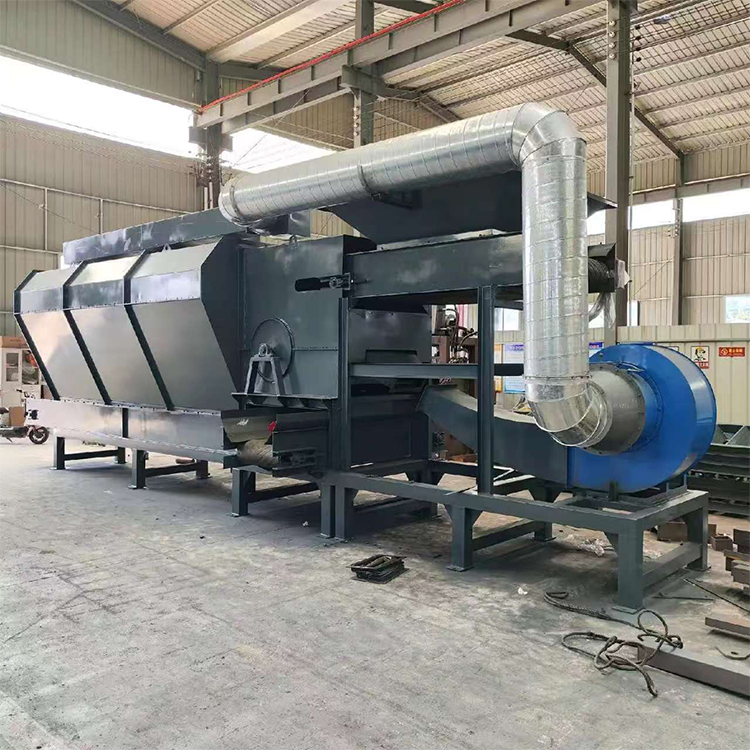
1. The construction waste separator utilizes a separation device for bricks and concrete blocks within the material, including a housing with a fixed frame inside, which is mounted within the housing via a base support installed at the bottom.
2. Equipped with an eccentric vibration mechanism and a sieve plate on the frame, the eccentric vibration mechanism is located below the sieve plate and connected to it via a hinge-driven rod. The eccentric vibration mechanism is connected to the motor, which drives the sieve plate to vibrate in an elliptical path.
3. The lower end of the sieve plate is connected to a brick discharge outlet, while the upper end is connected to a concrete discharge outlet. Both the brick discharge outlet and the lower end of the concrete discharge outlet extend from the shell.
4. The bottom of the construction waste sorting machine frame is fixed with a blower unit.
5. The housing above the frame is equipped with an inlet and a debris outlet.
6. The construction waste separator can achieve the stratification and relative movement of bricks and concrete blocks in construction waste, thereby accomplishing the purpose of automatic sorting.