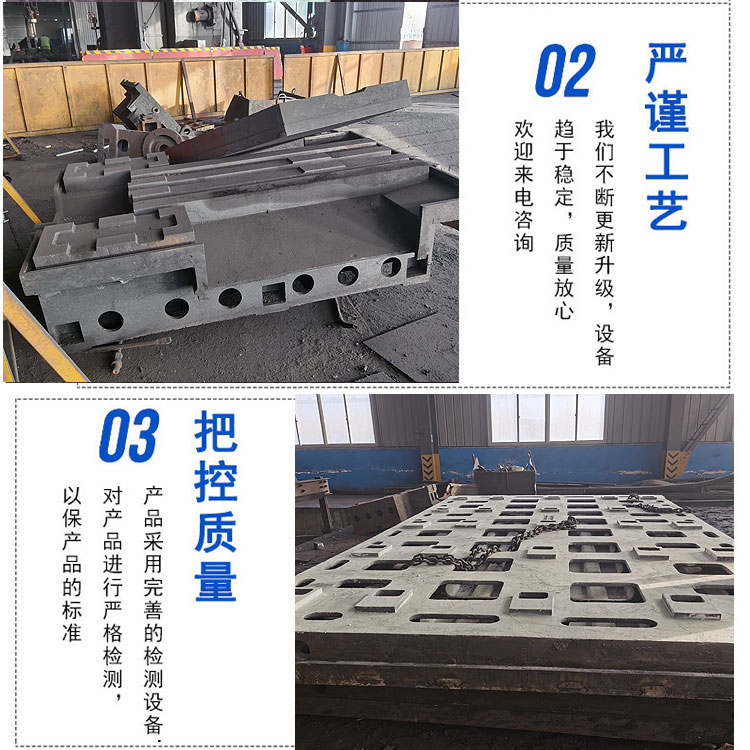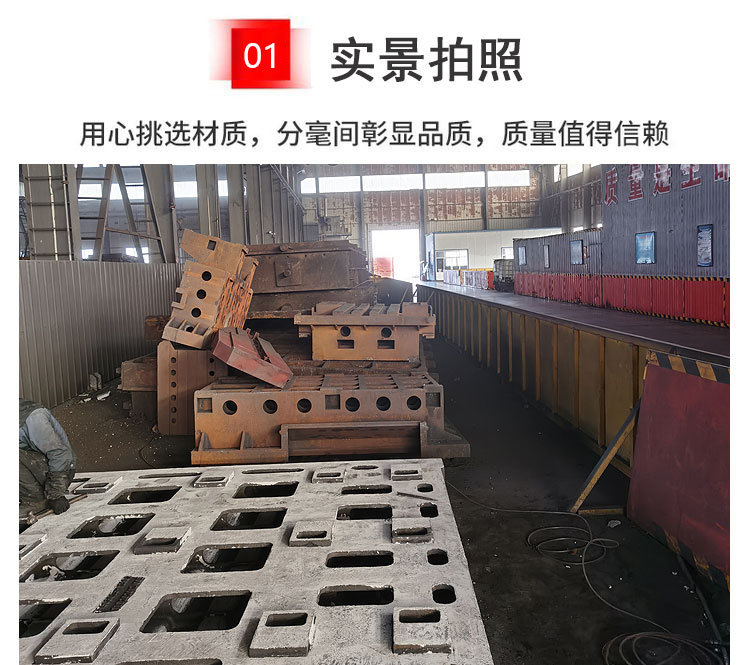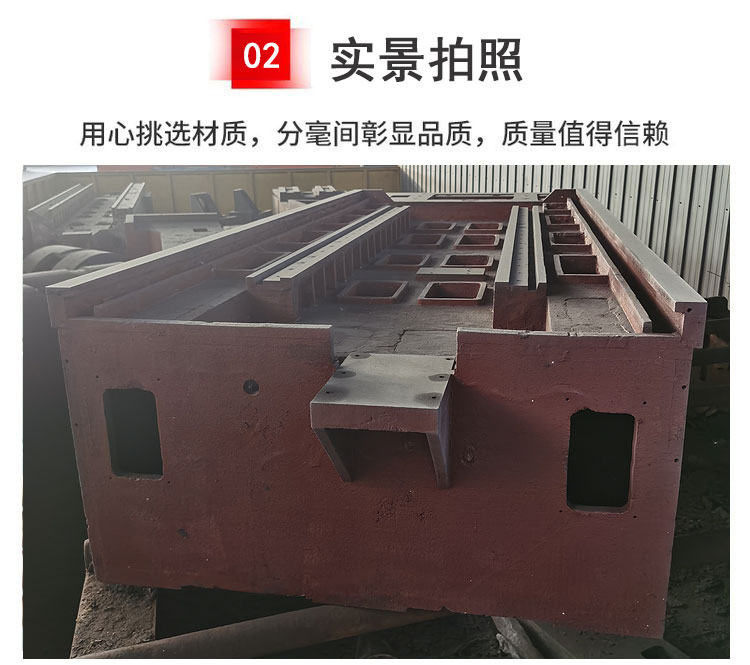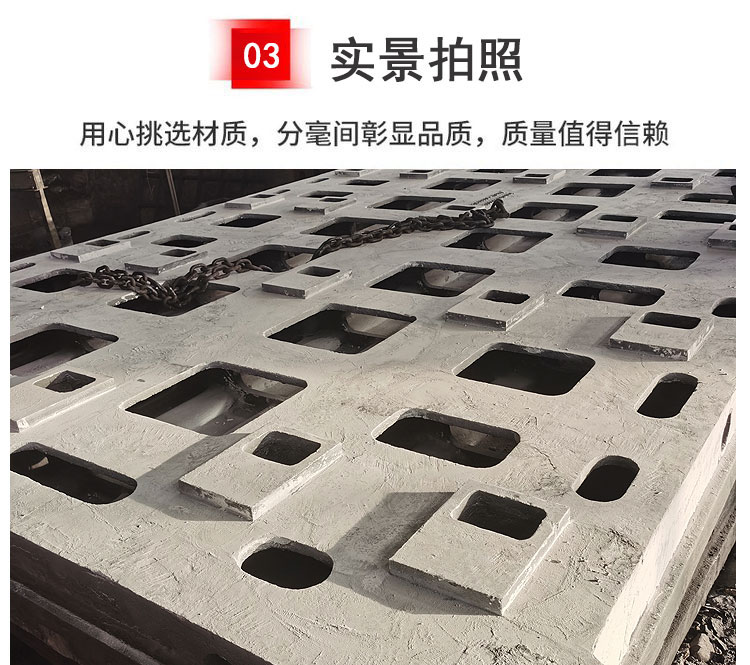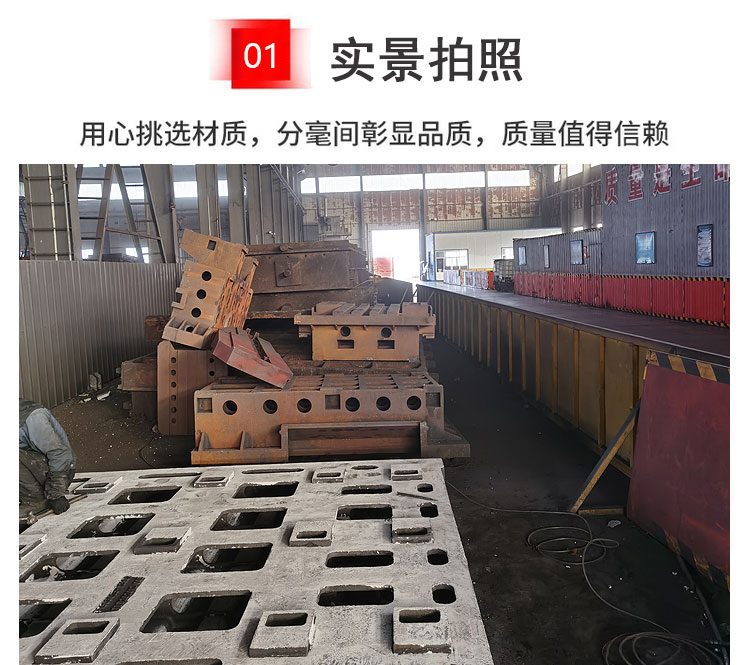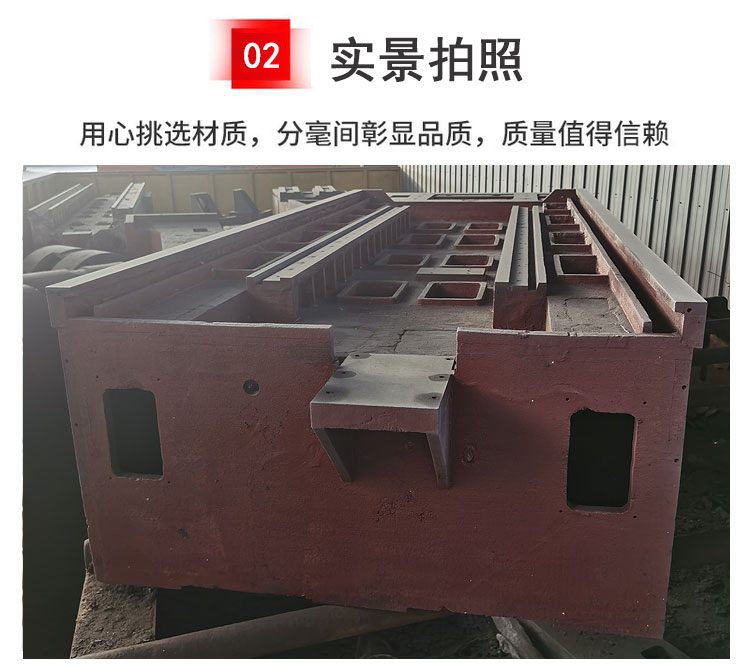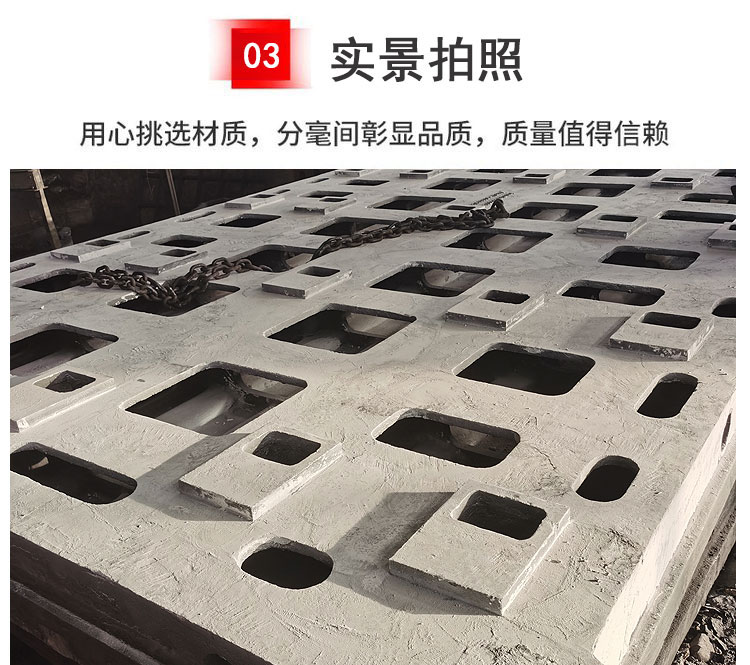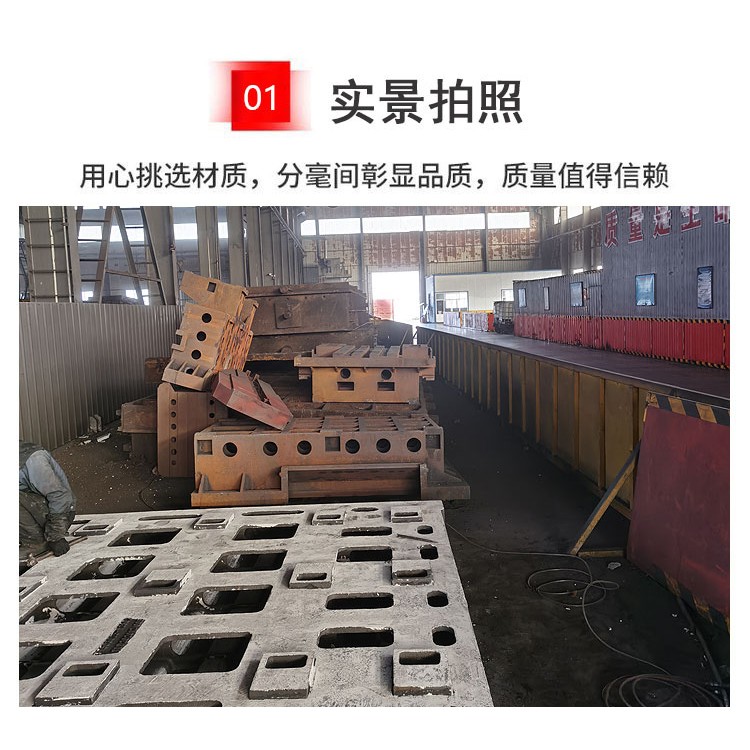

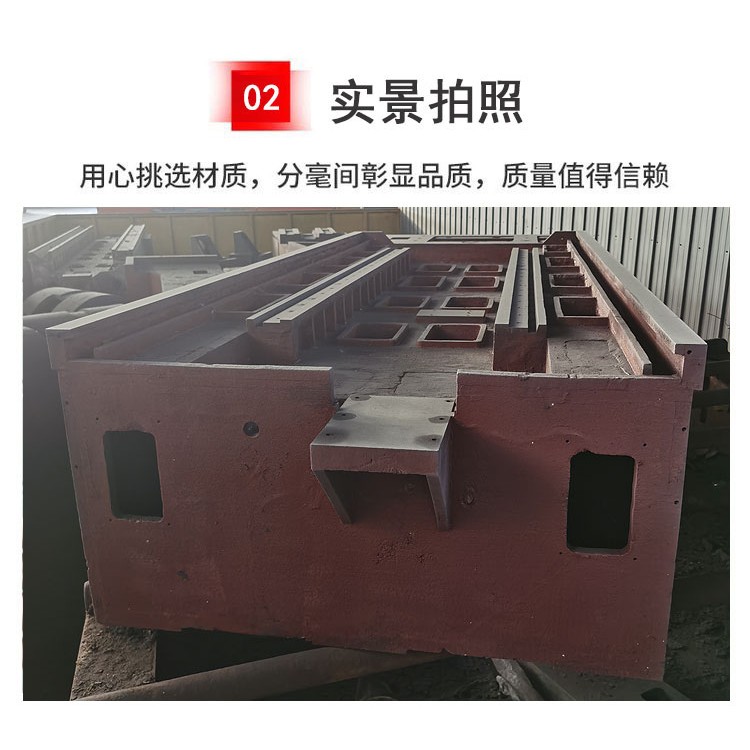
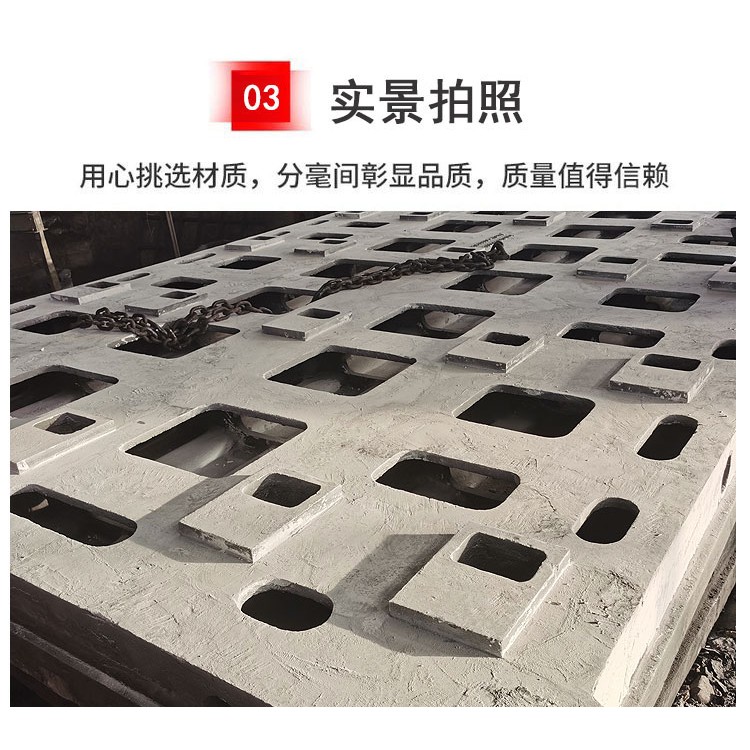









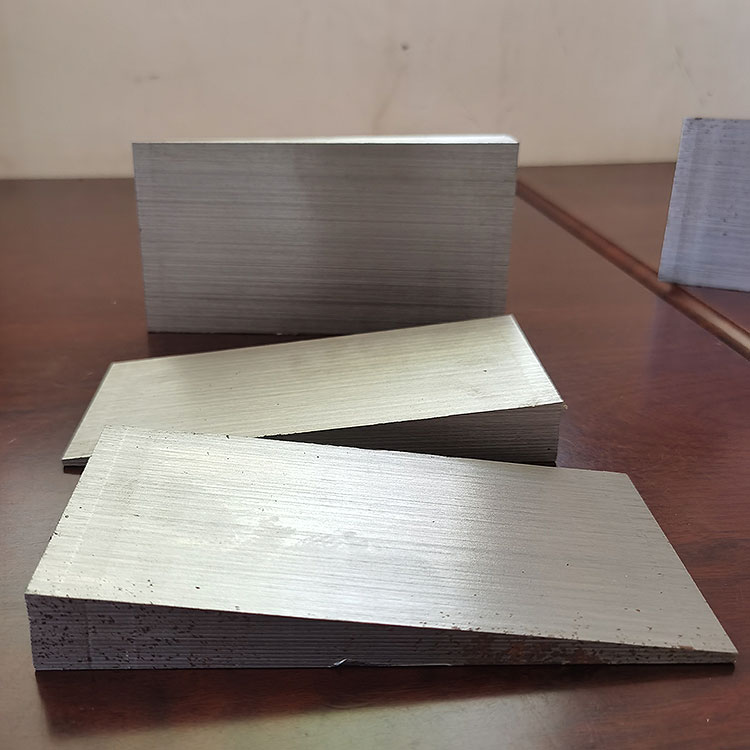
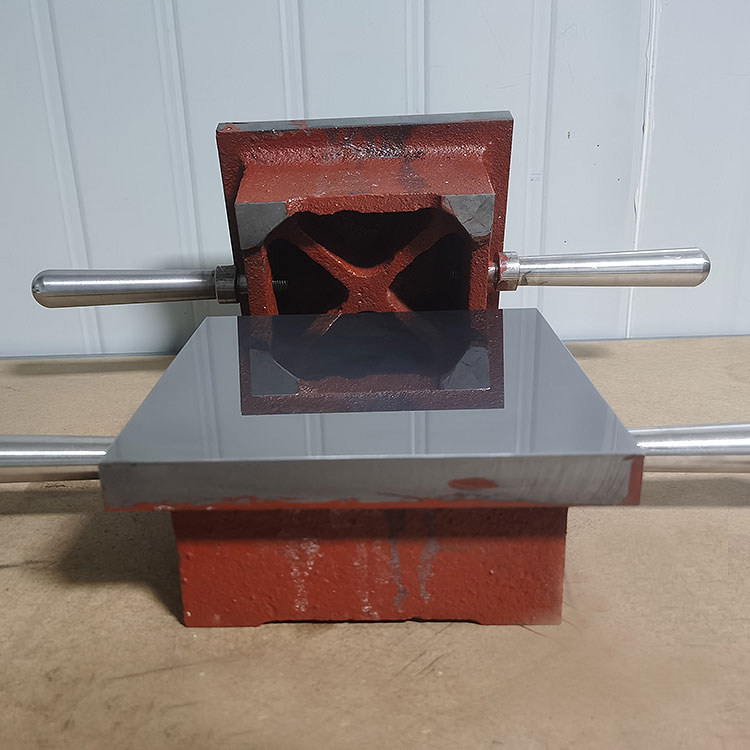

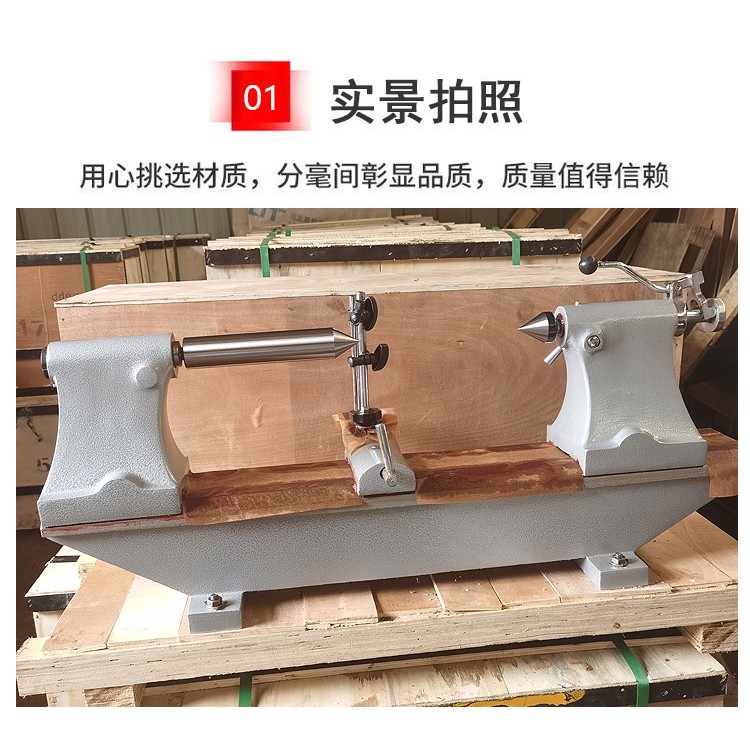

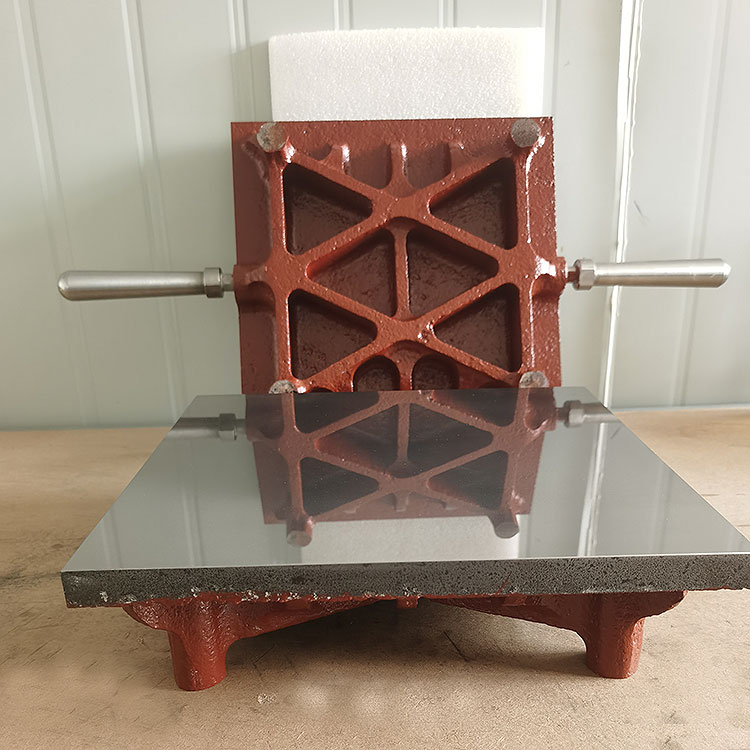
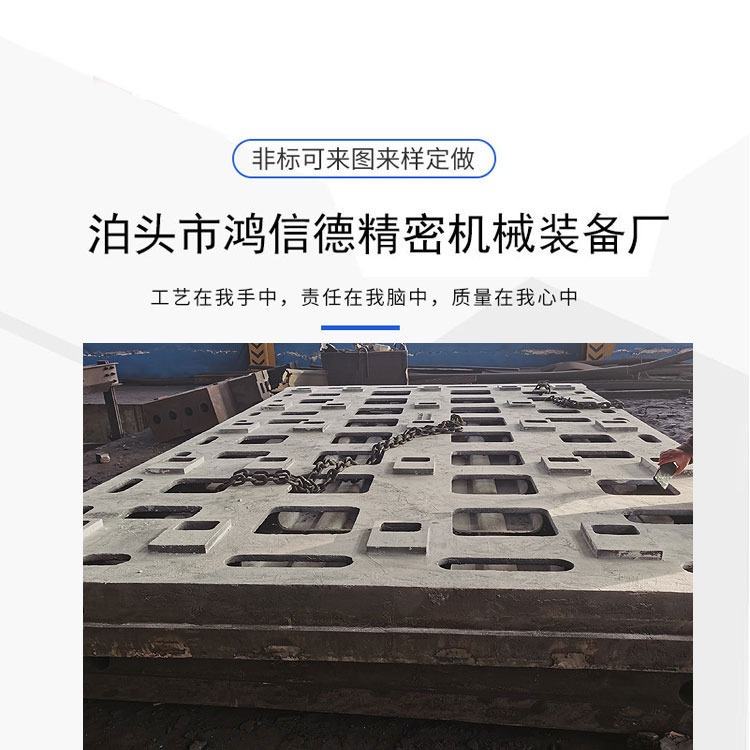
 Machining casting, also known as large castings, bed frames, bases, worktables, etc., features: (1) Good wear resistance and vibration damping. (2) Excellent process performance.
Bed frame castings, as large-scale castings, must undergo heat treatment to enhance their service performance and improve the inherent quality of cast iron castings. Metal heat treatment is one of the important processes in mechanical manufacturing. Compared to other processing techniques, heat treatment generally does not alter the shape or overall chemical composition of the workpiece but rather modifies the internal microstructure or alters the surface chemical composition of the workpiece, thereby imparting or improving its service properties. Its characteristic is to enhance the inherent quality of the workpiece.
To achieve the required mechanical, physical, and chemical properties of metal workpieces, in addition to selecting appropriate materials and various forming processes, heat treatment is often indispensable. Steel and iron are materials widely used in the mechanical industry, featuring complex microstructures that can be controlled through heat treatment, making heat treatment a key aspect of metal heat treatment. Moreover, metals like aluminum, copper, magnesium, titanium, and their alloys can also alter their mechanical, physical, and chemical properties through heat treatment to attain diverse performance characteristics.
Overall heat treatment is a metal heat treatment process that involves heating the workpiece as a whole and then cooling it at an appropriate rate to alter its overall mechanical properties. The overall heat treatment of steel generally includes four basic processes: annealing, normalizing, quenching, and tempering.