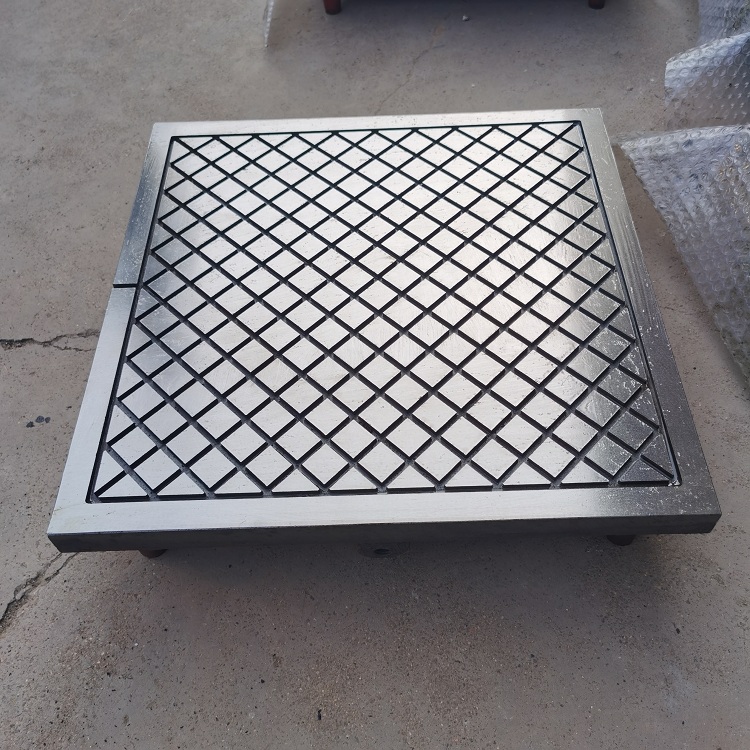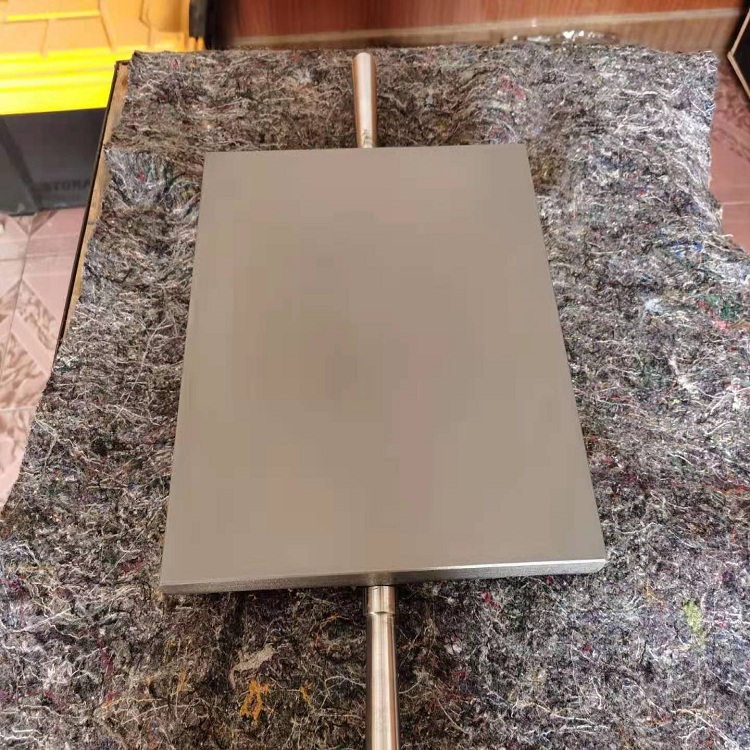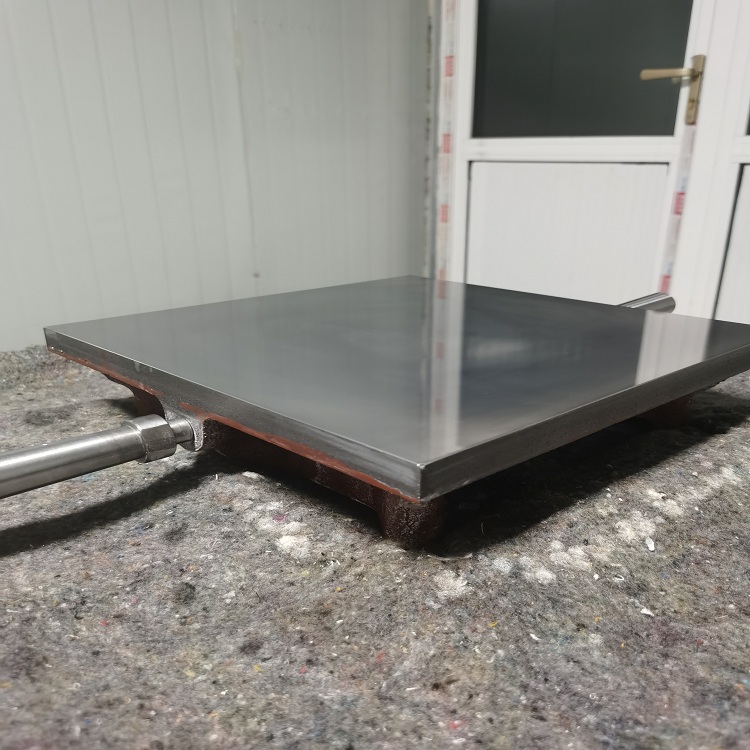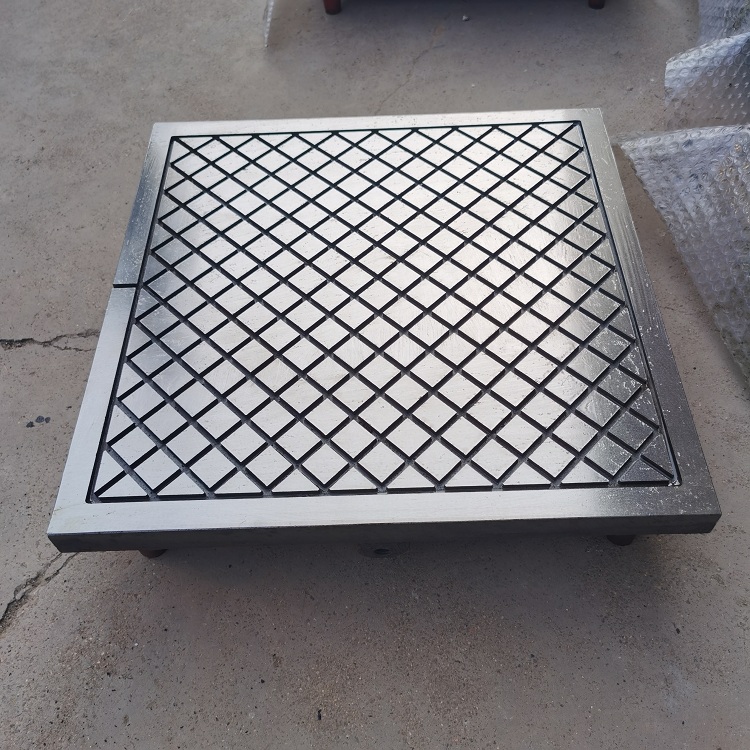


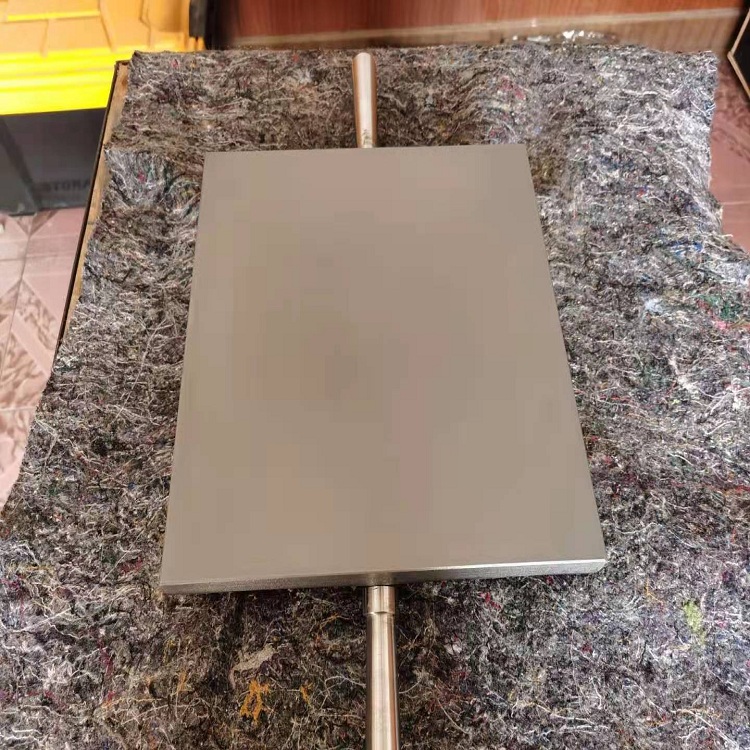
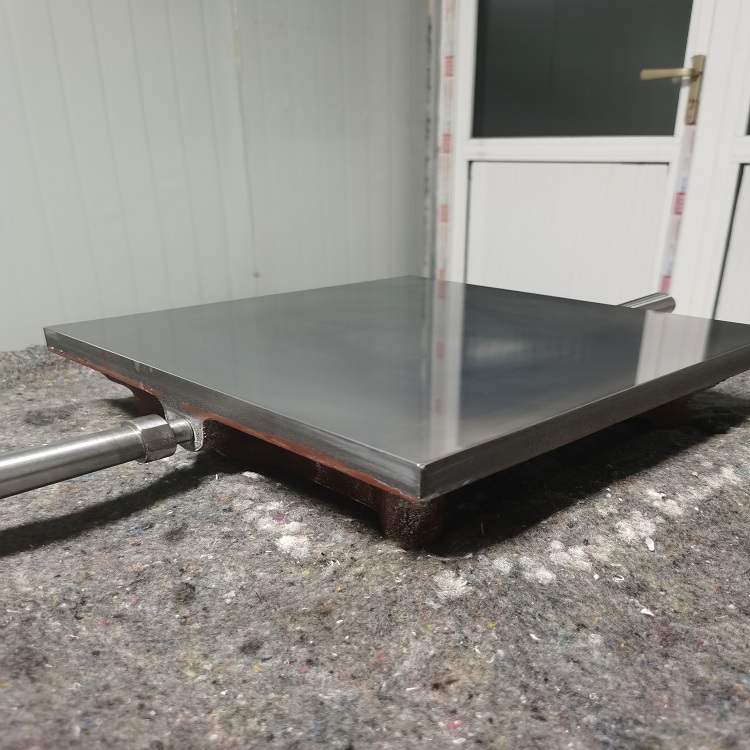








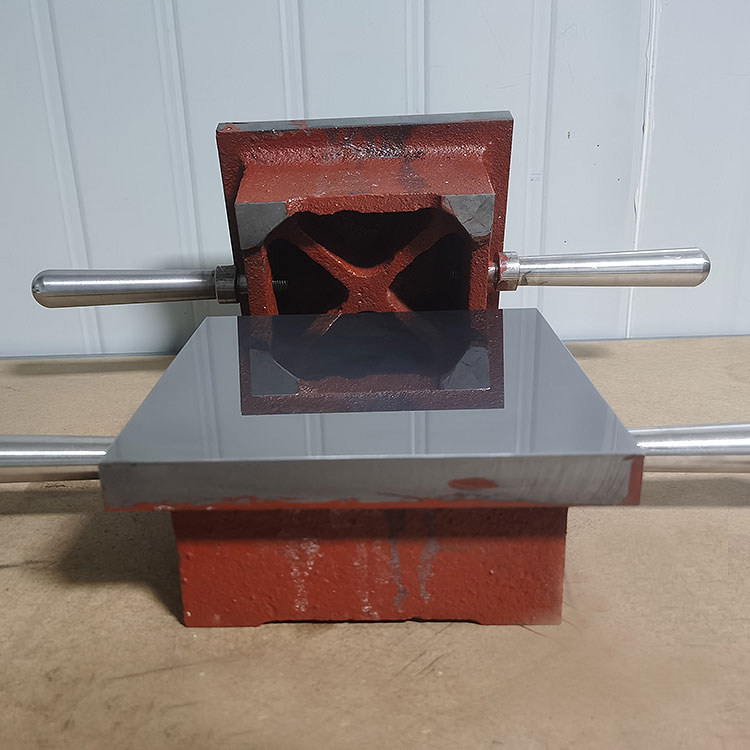

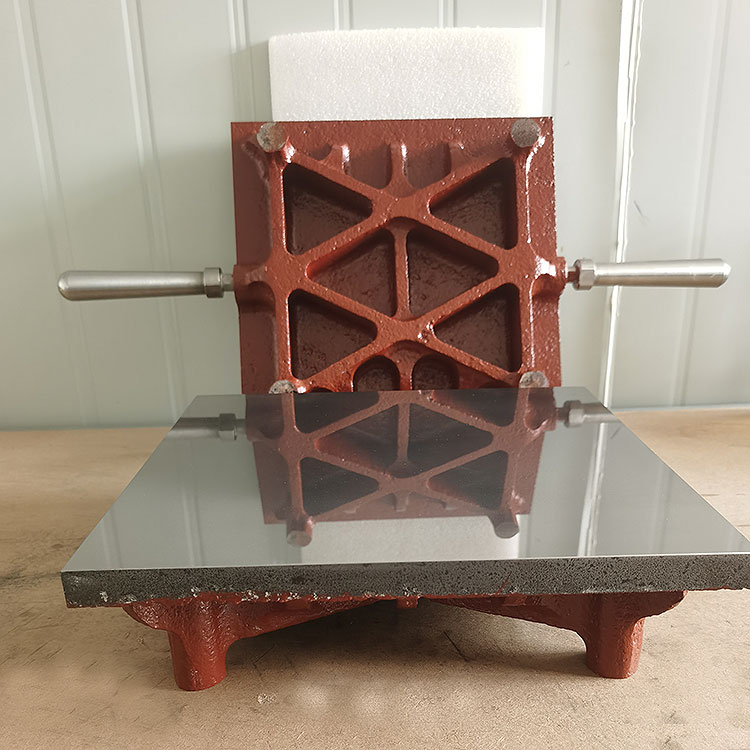
Grinding is a precision finishing method that removes a thin layer of metal from the workpiece surface. The principle of grinding involves micro-cutting of the workpiece surface through a combination of physical and chemical actions.
Grinding encompasses methods such as mechanical, chemical mechanical, floating, and magnetic grinding. Grinding processes typically involve using abrasives like alumina and silicon carbide particles ranging from 1μm to several tens of micrometers, filled between the tools made of cast iron and other hard materials. The complex movement provided by machine tools facilitates the surface finishing of parts.
Due to variations in workpieces, abrasives, grinding tools, and grinding fluids, the surface conditions achieved by different grinding methods are also diverse. For instance, when grinding materials like glass and single crystal silicon, which are所谓的hard and brittle, it's necessary to refine the matte finish surfaces composed of fine fractures. The quality of the workpiece material varies, resulting in different surface conditions. In summary, the journey of the grinding surface is influenced by a combination of factors such as chip formation, grinding tool wear, and abrasive breakage. Grinding can address challenges such as processing of large-scale integrated circuit wafers and high-precision hard disk drives. The surface roughness Ra achieved can be as low as 0.003μm.



.jpg)