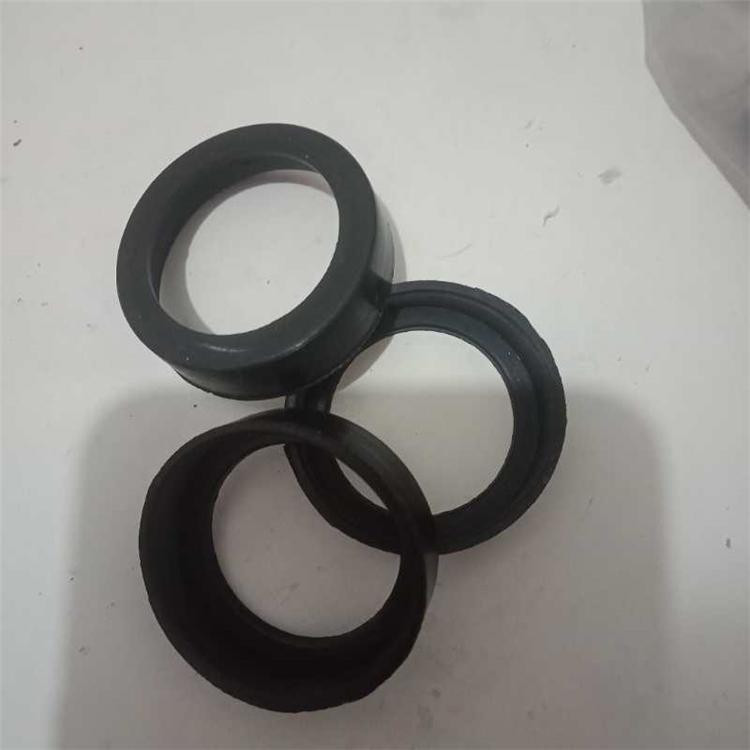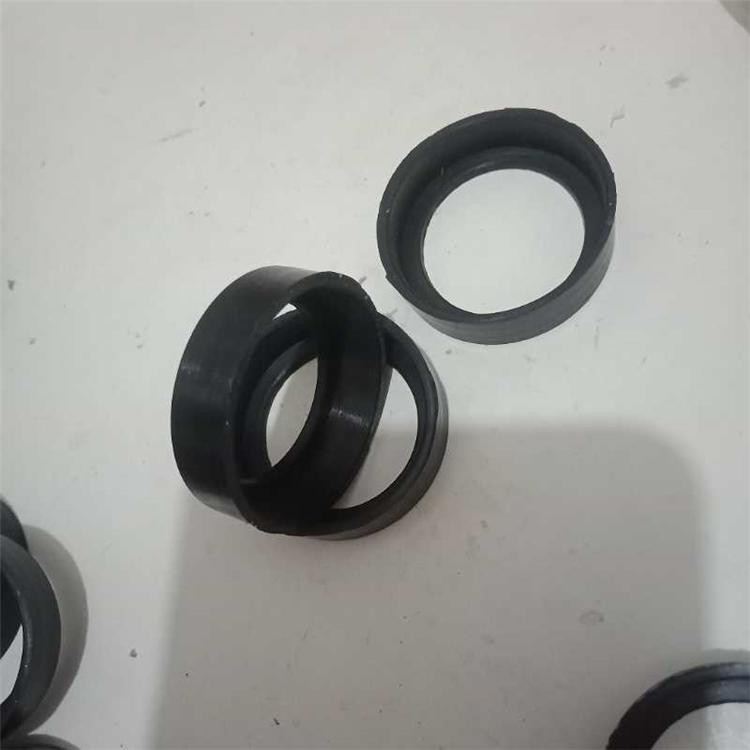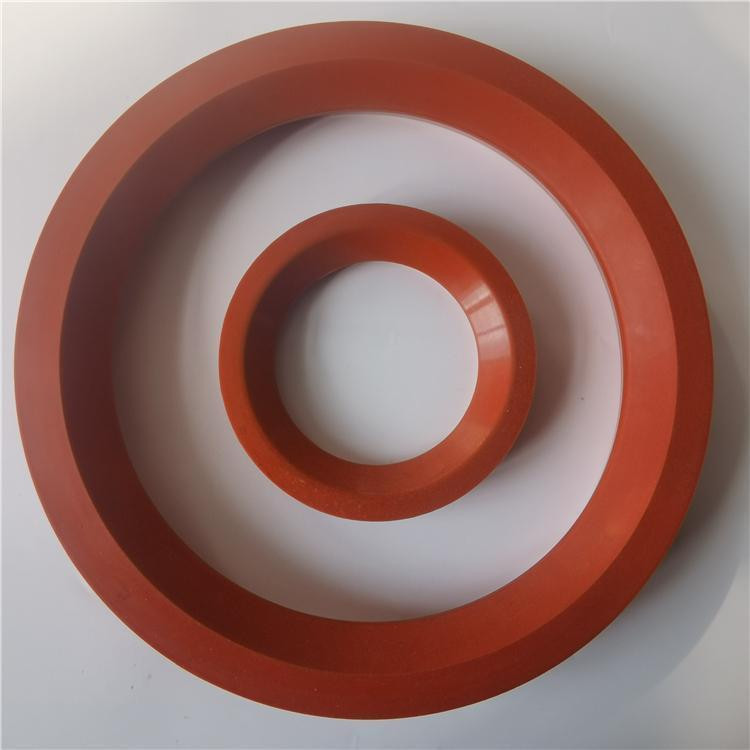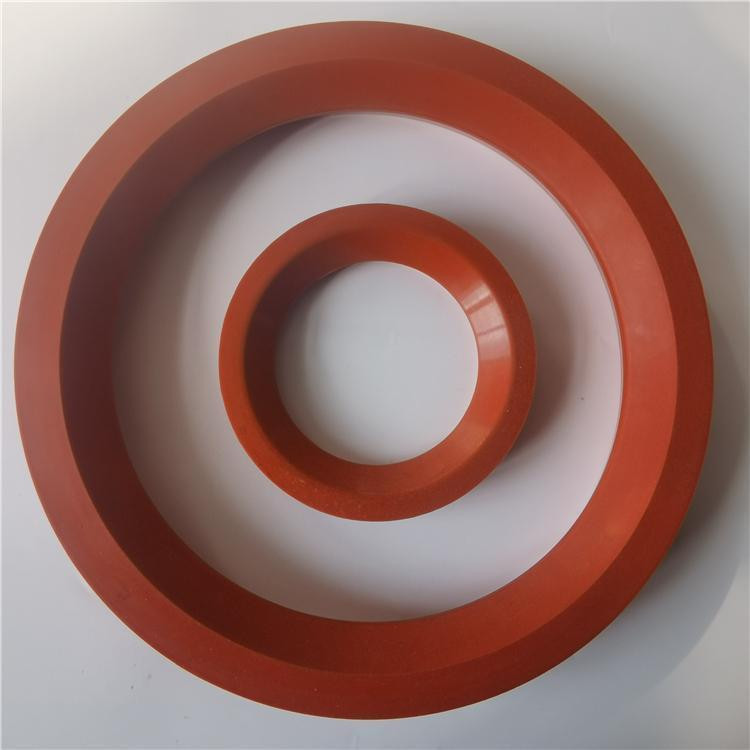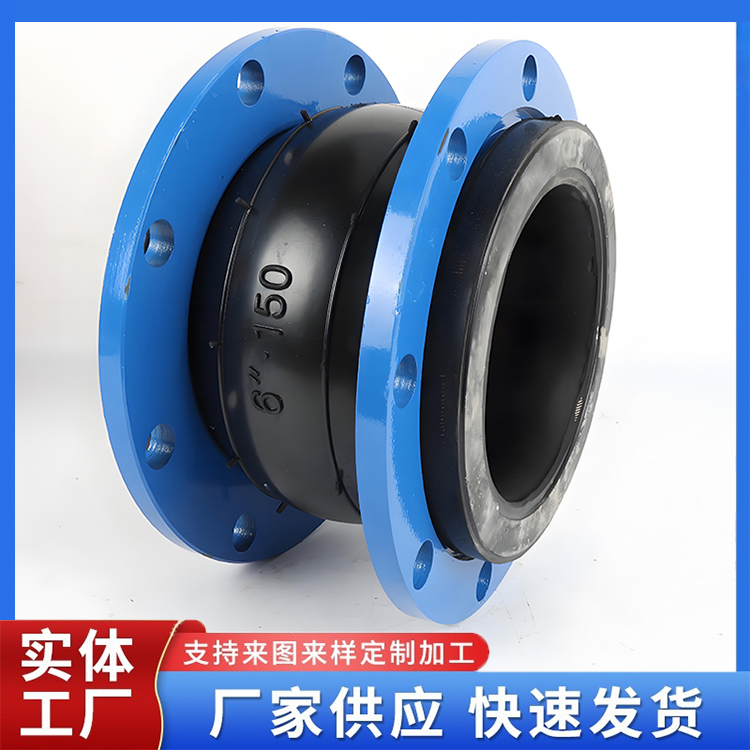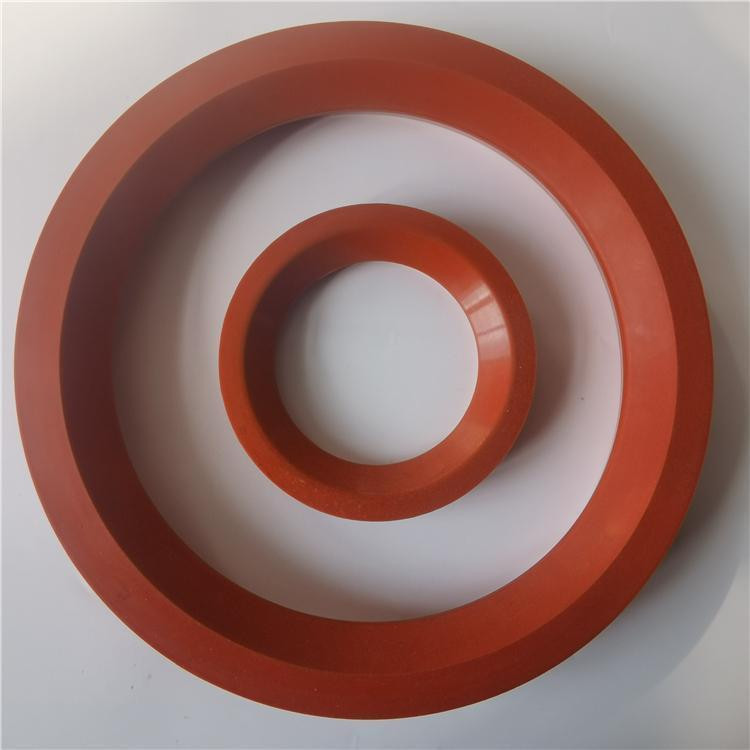

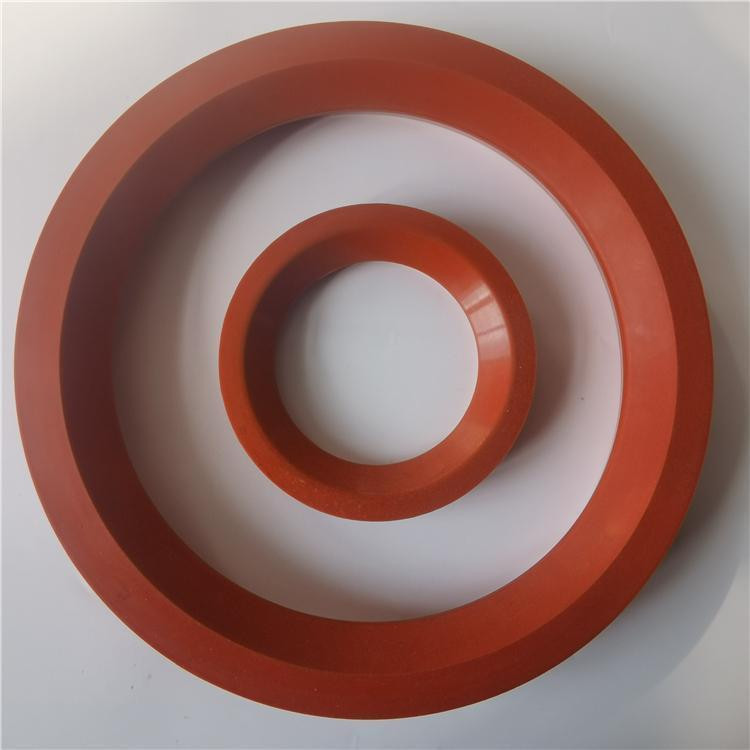
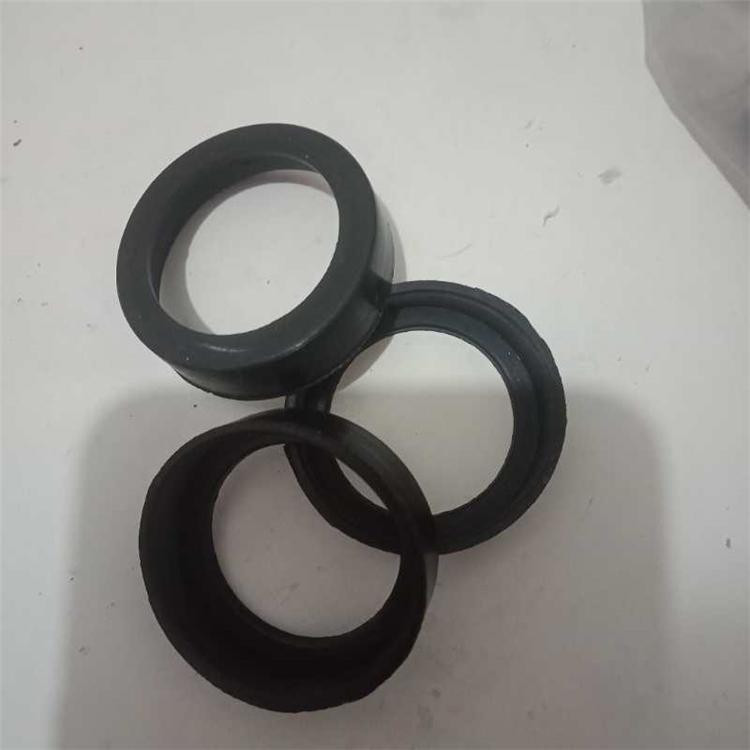
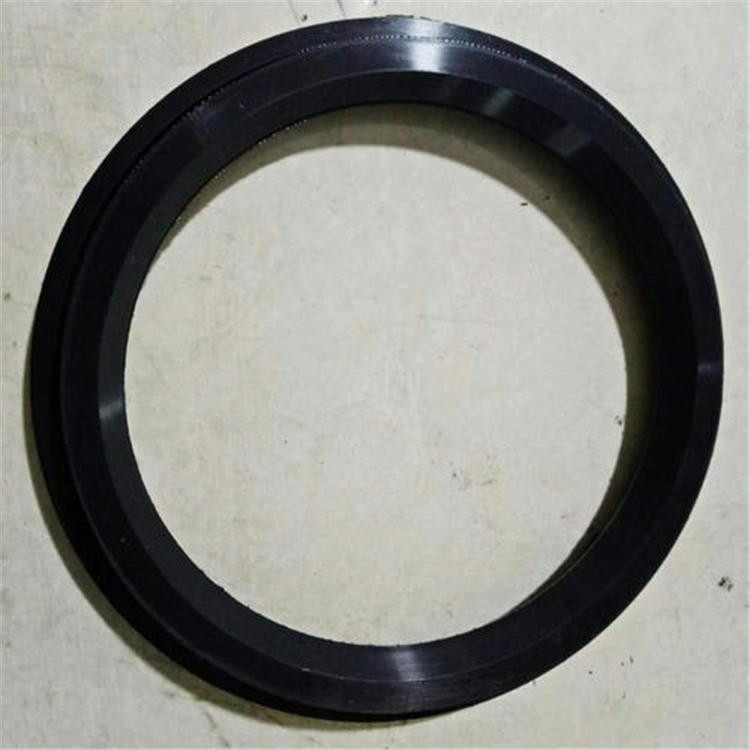


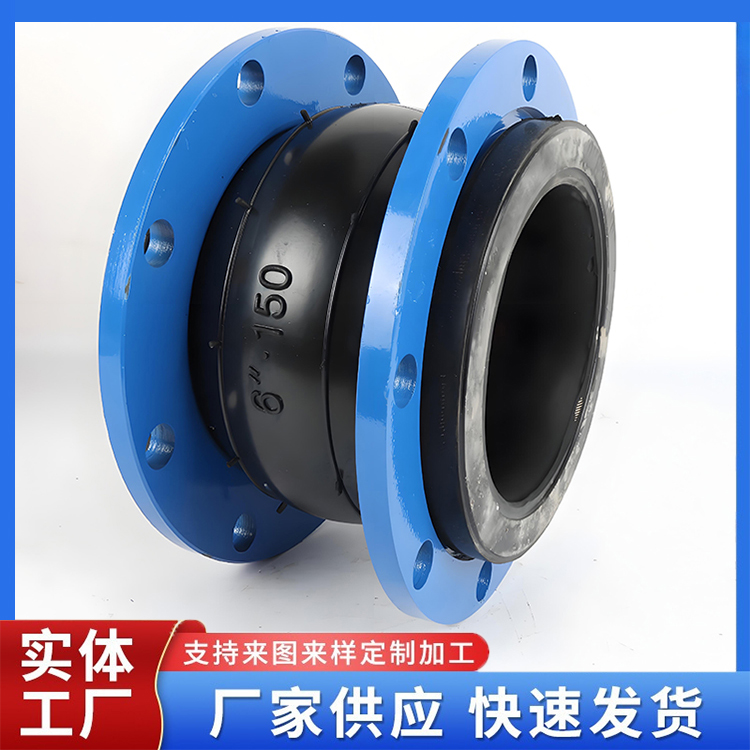
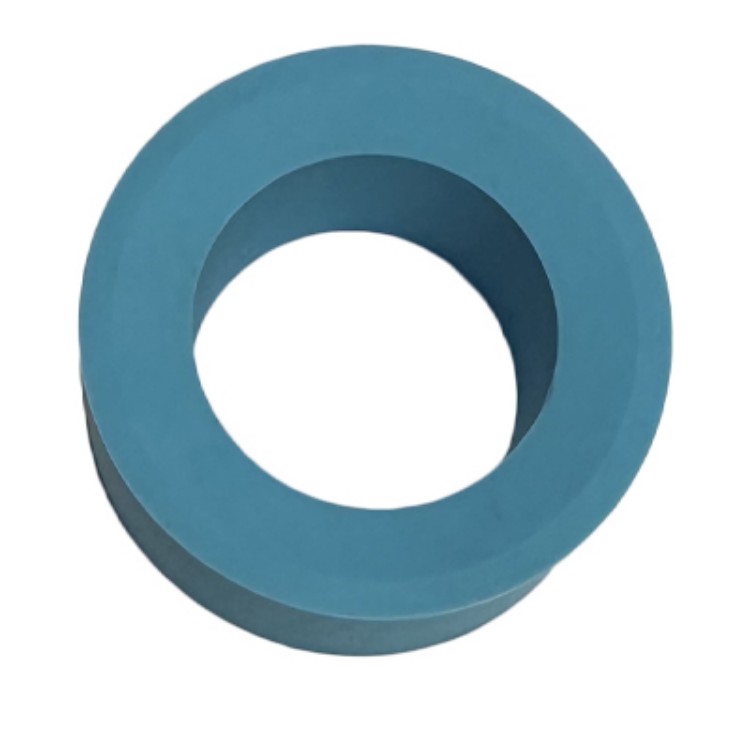





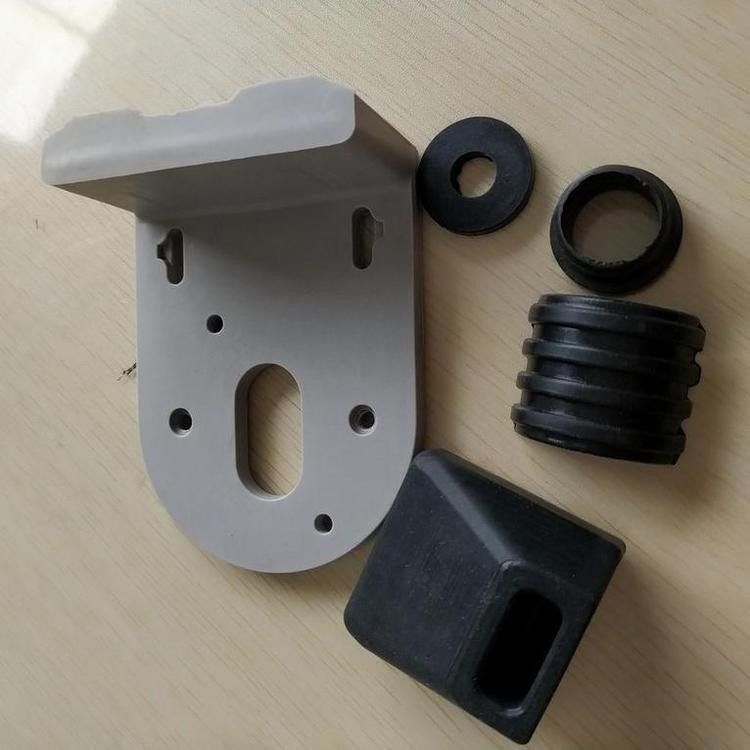
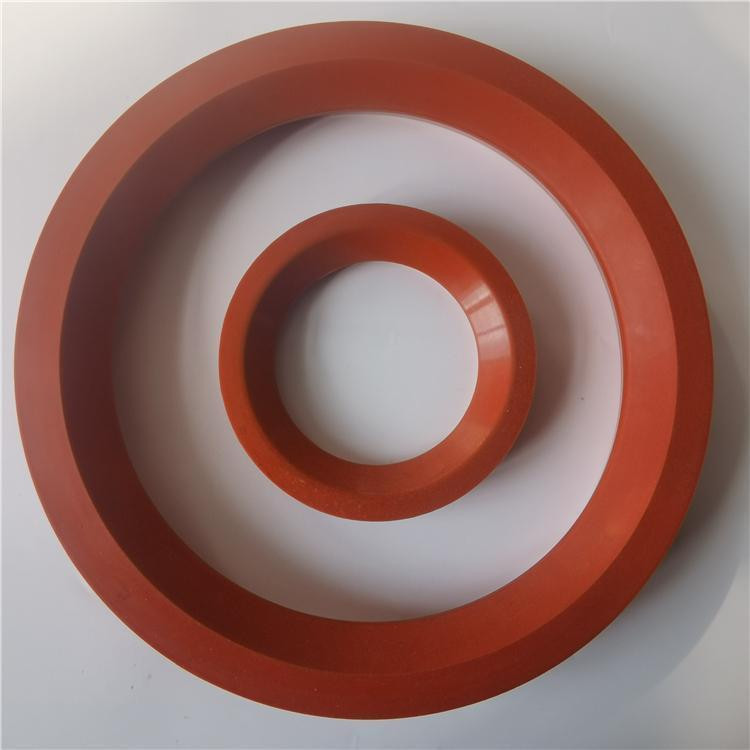
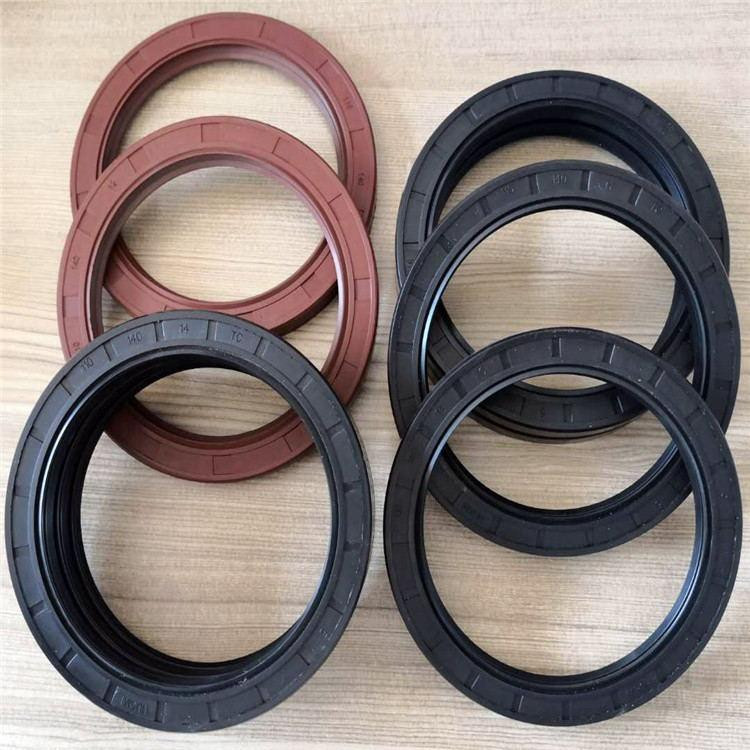
1) Rubber Flat Washers: Easy to deform, not difficult to tighten, but with poor pressure and temperature resistance; only suitable for low-pressure and low-temperature environments. Artificial rubber has certain acid and alkali resistance, with a maximum use temperature of 60℃; neoprene can withstand certain acids and alkalis, with a maximum use temperature of 80℃; nitrile rubber is oil-resistant, usable up to 80℃; fluororubber has excellent corrosion resistance and better temperature resistance than some rubbers, usable in a medium of 150℃.
(2) Rubber O-rings: With a circular cross-sectional shape, they offer certain self-tightening properties, better sealing performance than flat washers, and less clamping force.
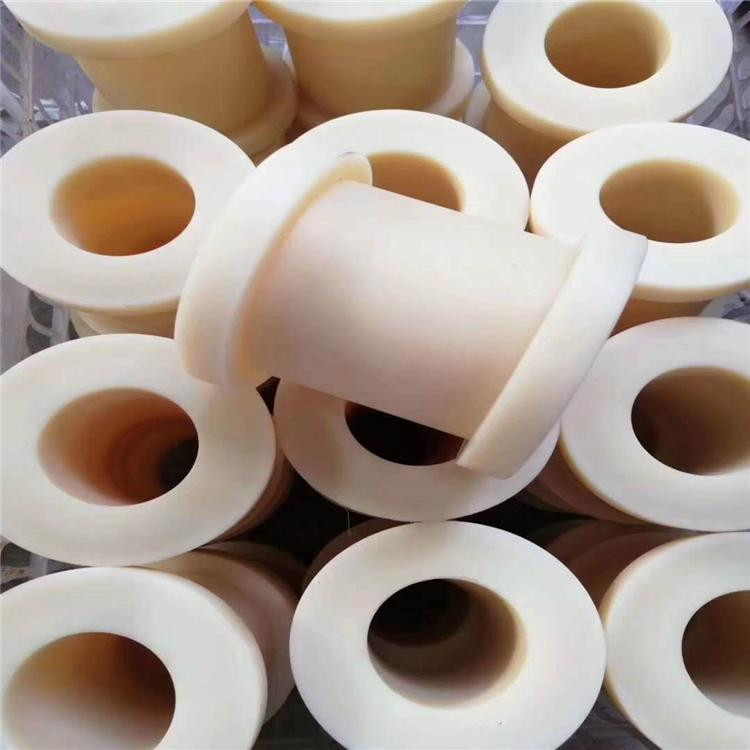
(3) Plastic Flat Washers: The major characteristic of plastic is its excellent resistance to corrosion, although most plastics have poor temperature resistance. Polytetrafluoroethylene (PTFE) is the cream of the crop among plastics, not only offering excellent corrosion resistance but also a broad temperature range that allows for long-term use between -180℃ and +200℃.
(4) PTFE-lined Washers: To fully utilize the advantages of PTFE while compensating for its poor elasticity, these washers are made by wrapping rubber or asbestos rubber around PTFE. This design offers both corrosion resistance like PTFE flat washers and excellent elasticity, enhancing sealing performance while reducing clamping force.