



 通过中商114认证
Polypropylene fibers can be categorized into long fibers, short fibers, spunbonded nonwoven, meltblown nonwoven, and more.
Polypropylene long fibers are categorized into normal long fibers and fine denier long fibers (single fiber fineness ≤ 2.2 dtex, suitable for producing garments, decorations, and some industrial long fiber products. Polypropylene fine denier long fibers have good luster, soft texture, good drape, and low density, making them ideal for the knitting industry. When blended with cotton, viscose, silk, spandex, and other materials to create products like cotton-over-PP and silk-over-PP, they are perfect for manufacturing sportswear, T-shirts, and more.
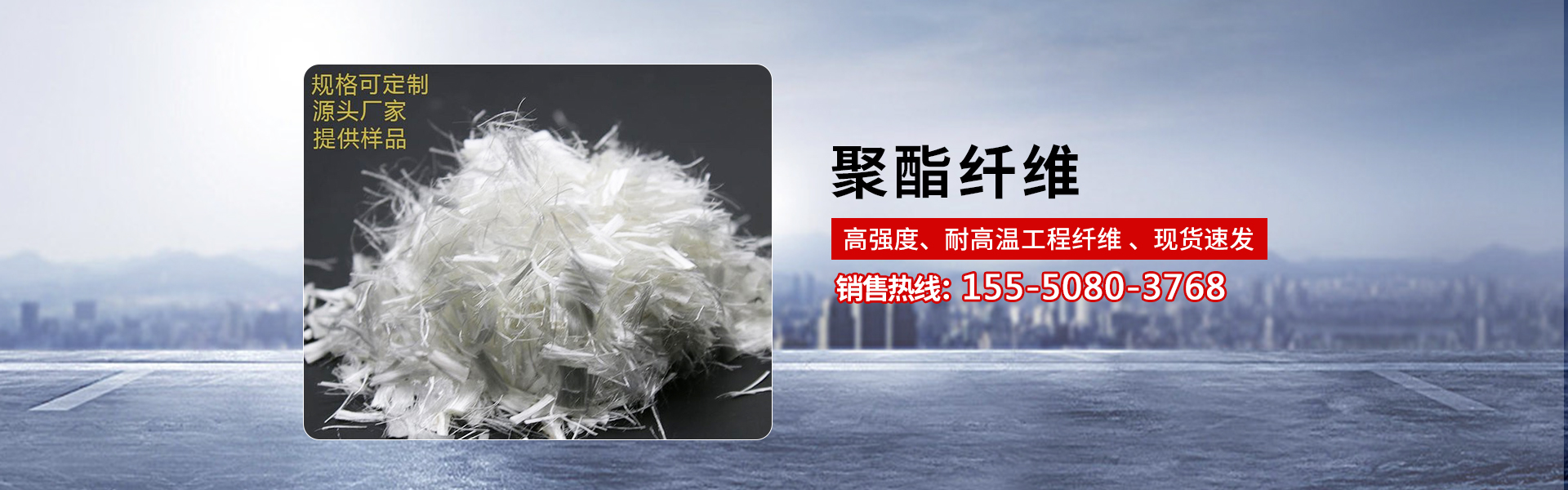
Polypropylene short fibers are primarily produced using porous, low-speed, continuous processes, known as the short spinning process. These fibers can be blended with cotton to create丙棉细布, bed sheets, and blankets. Blending with粘胶 allows for the production of blankets. Polypropylene pure and blended yarns, polypropylene blankets, carpets, and cigarette filters made from polypropylene cotton are also produced. The fiber thickness for hygiene products ranges from 1.5-2.5 dtex, while that for ground fabrics is 5-10 dtex. The fiber length varies from 1.5-200.0 mm, depending on the application. Short fibers for concrete are typically 1.5-200.0 mm long, those for diapers usually 40.0 mm, and for ground fabrics, 60.0 mm.
Spunbond nonwoven fabric, also known as staple fiber nonwoven, is made by melting polypropylene material, then extruding, spinning, stretching, laying out, and bonding to form. It features short process, low cost, high productivity, excellent product performance, and wide application. Polypropylene nonwoven fabrics are widely used in various fields of production and daily life (such as disposable medical supplies, single-use protective clothing, agricultural fabrics, furniture fabrics, and shoe lining, etc.).
The fibers produced by meltblown nonwoven technology are extremely fine (down to 0.25μm). Meltblown nonwovens possess a large specific surface area and small pores with high porosity, which makes their application characteristics such as filtration, shielding, and oil absorbency difficult to achieve with nonwovens produced by other individual processes. Meltblown nonwovens are widely used in medical and health care, thermal insulation materials, and filtration materials, among other fields.
