



 通过中商114认证
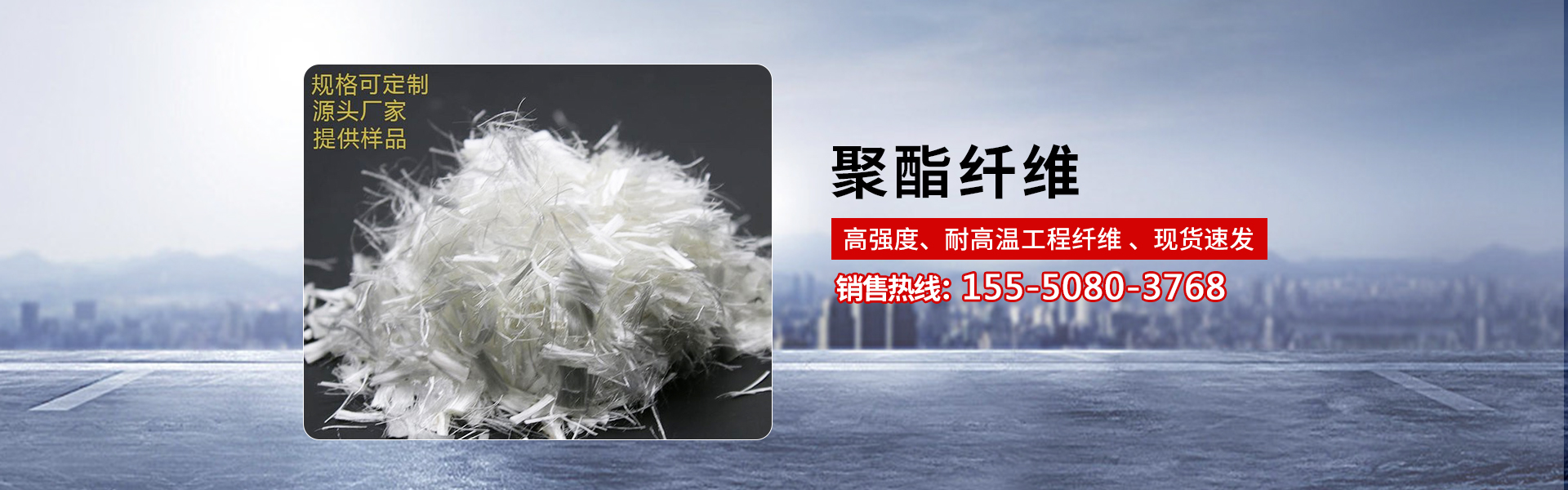
Polyester (PET) fibers are synthetic fibers spun from fiber-forming polymers where the chain segments of the macromolecules are connected by ester groups. In China, fibers with more than 85% of polyethylene terephthalate content are simply referred to as polyester.
As early as 1894, Vorlander synthesized low molecular weight polyester using dichloroacetone and ethylene glycol; in 1898, Einkorn synthesized polycarbonate; and Carothers synthesized aliphatic polyester. Early synthesized polyesters were mostly aliphatic compounds, with low molecular weights and melting points, and were easily soluble in water, thus lacking the utility value for textile fibers. In 1941, Whinfield and Dickson from the UK synthesized polyethylene terephthalate (PET) using dimethyl terephthalate (DMT) and ethylene glycol (EG), a polymer that could be spun into high-performance fibers through melt spinning. In 1953, the United States was the first to establish a factory for producing PET fibers, making PET a relatively late-developing fiber among the major synthetic fibers.
With the development of organic synthesis, polymer science, and industry, various practical PET fibers with different characteristics have been developed and produced in recent years. These include polybutylene terephthalate (PBT) fibers and polytrimethylene terephthalate (PTT) fibers with high extensibility and elasticity, as well as fully aromatic polyesters with ultra-high strength and high modulus: the term "polyester fiber" generally refers to polyethylene terephthalate (PET) fiber.
Polyester fibers possess a range of excellent properties, including high tensile strength and modulus of elasticity, moderate resilience, superior heat setting effects, and good heat and light resistance. The melting point of polyester fibers is around 255°C, with a glass transition temperature of approximately 70°C. They maintain shape stability under a wide range of applications, offering washable fabric properties. Additionally, they exhibit resistance to organic solvents, soaps, detergents, bleaches, and oxidizers, along with good corrosion resistance, stability against weak acids and alkalis, making them suitable for both clothing and industrial uses. The rapid development of the petrochemical industry has provided a more abundant and inexpensive raw material source for polyester fiber production. Furthermore, advancements in chemical, mechanical, and electronic self-control technologies in recent years have gradually made the raw material production, fiber formation, and processing processes more short-range, continuous, automated, and high-speed. Polyester fibers have become a synthetic fiber variety with fast development and high yield. In 2010, the global production of polyester fibers reached 37.3 million tons, accounting for 74% of the total world synthetic fiber production.
