

Product Details

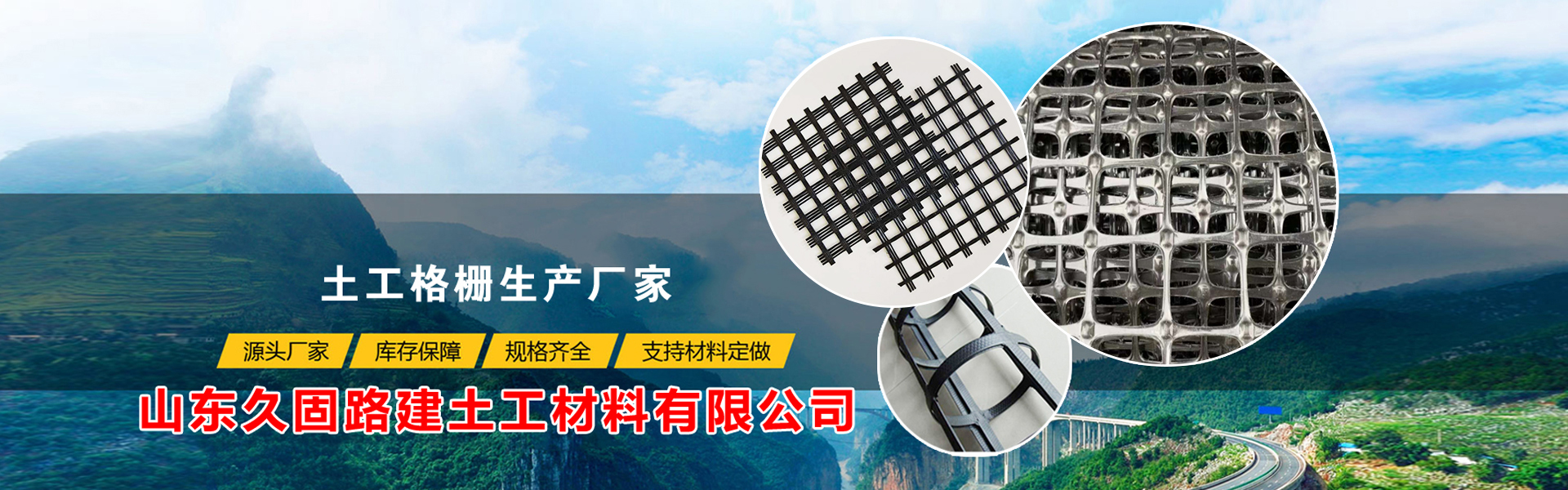
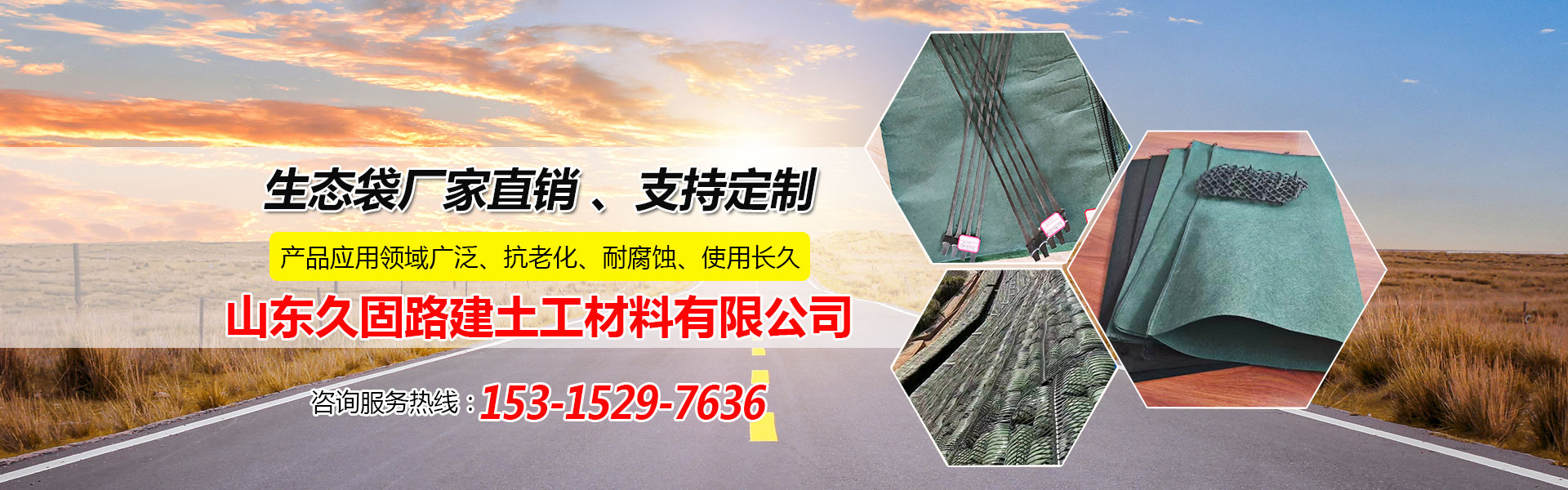
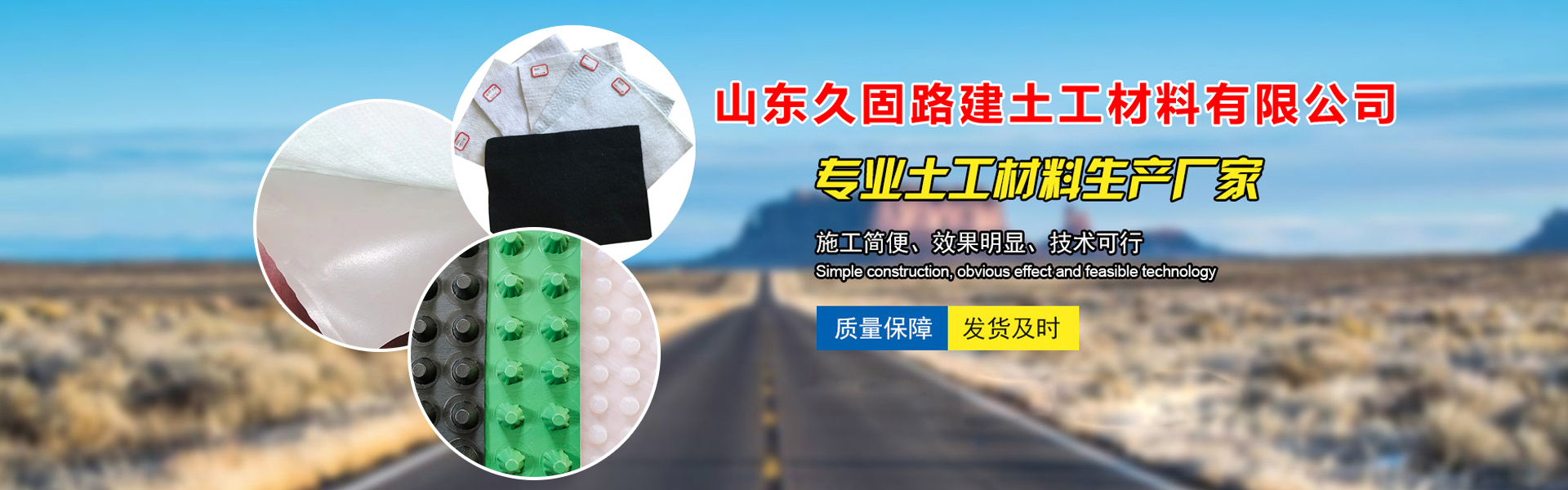
Ecological bags, glass fiber geogrids, steel-plastic geogrids, bidirectional plastic geogrids, unidirectional plastic geogrids, crack-resistant strips, etc.


价 格Negotiable
最小起订0 Piece库存0 Piece
 Business Card
Negotiable

Negotiable

Negotiable

Negotiable
 Changji Landfill
Negotiable
Changji Landfill
Negotiable
 Long-fiber Eco Bags
Negotiable
Long-fiber Eco Bags
Negotiable
 Polyester polyester geogrid
Negotiable
Polyester polyester geogrid
Negotiable
 Short-fiber geotextile
Negotiable
Short-fiber geotextile
Negotiable
 Flexible Perforated Drainage Pipe
Negotiable
Flexible Perforated Drainage Pipe
Negotiable
 Waterproof sheet
Negotiable
Waterproof sheet
Negotiable
 Flood control ecological bags
Negotiable
Flood control ecological bags
Negotiable
 Drainage mat
Negotiable
Drainage mat
Negotiable
 Crack-Resistant Tape
Negotiable
Crack-Resistant Tape
Negotiable
 One-way grate
Negotiable
One-way grate
Negotiable

.jpg)
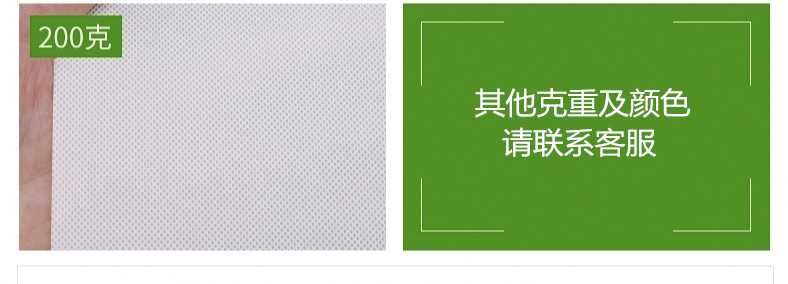
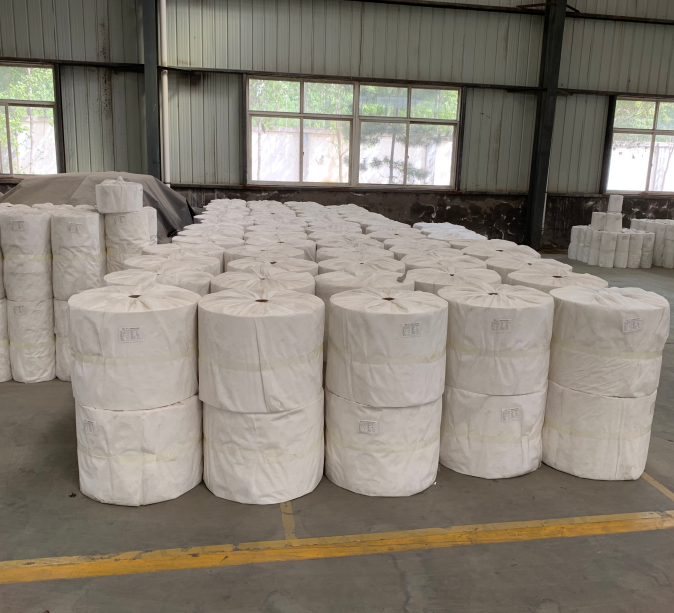
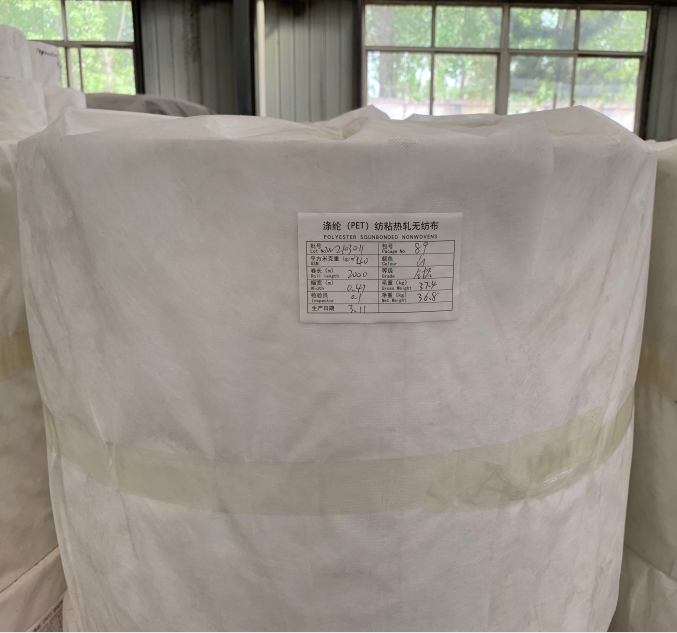
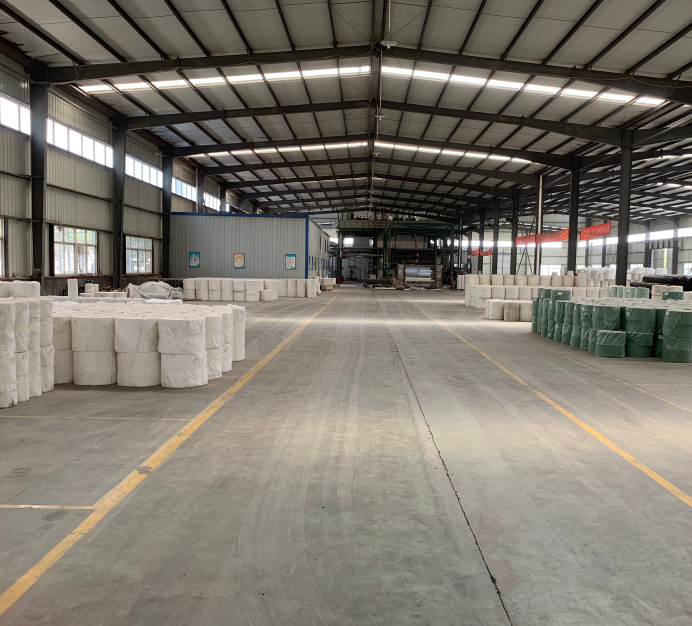
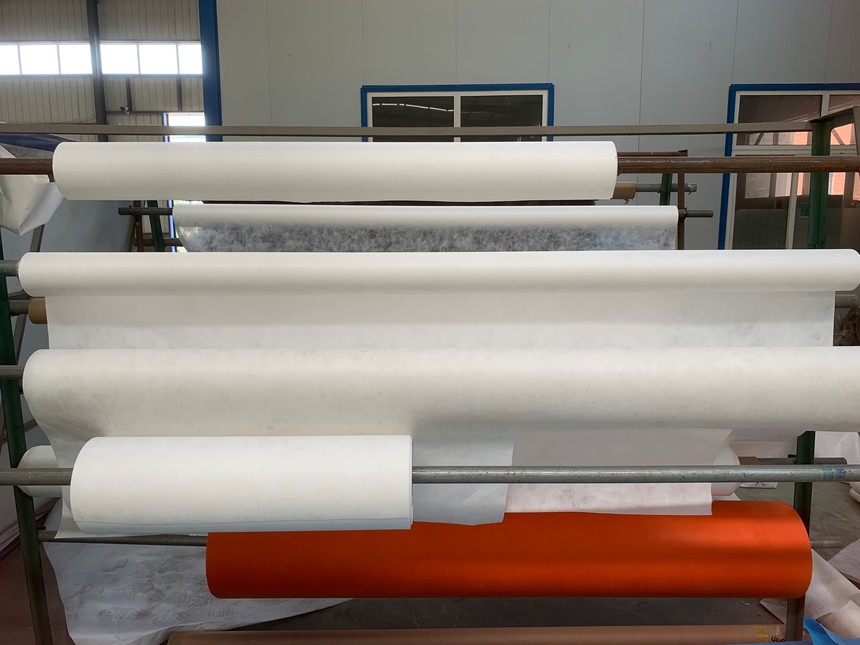

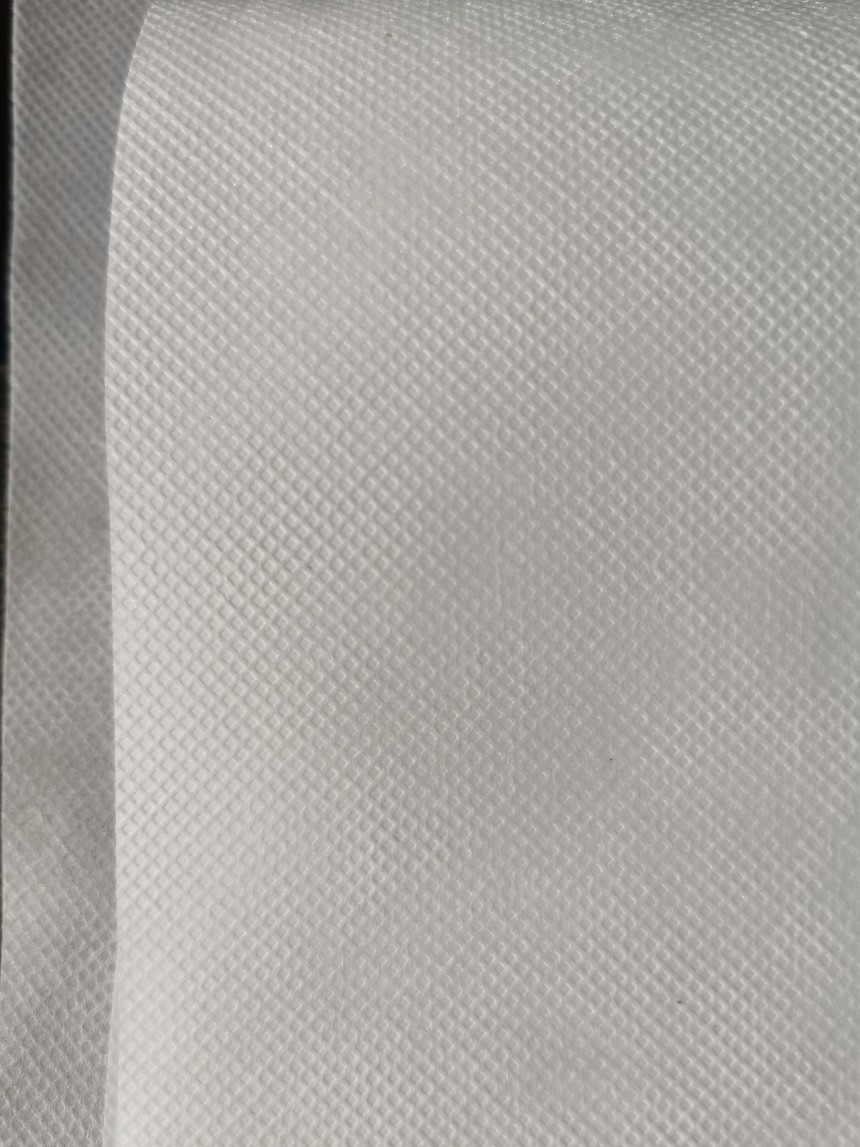
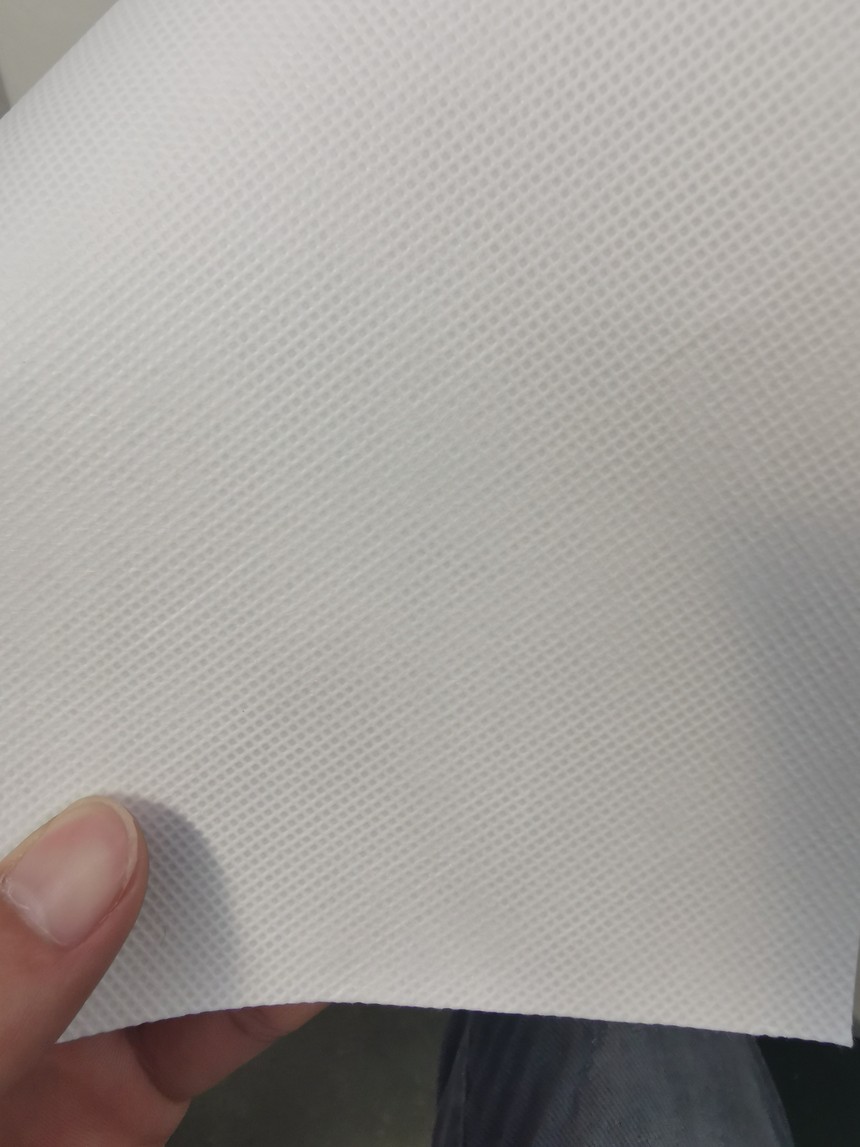
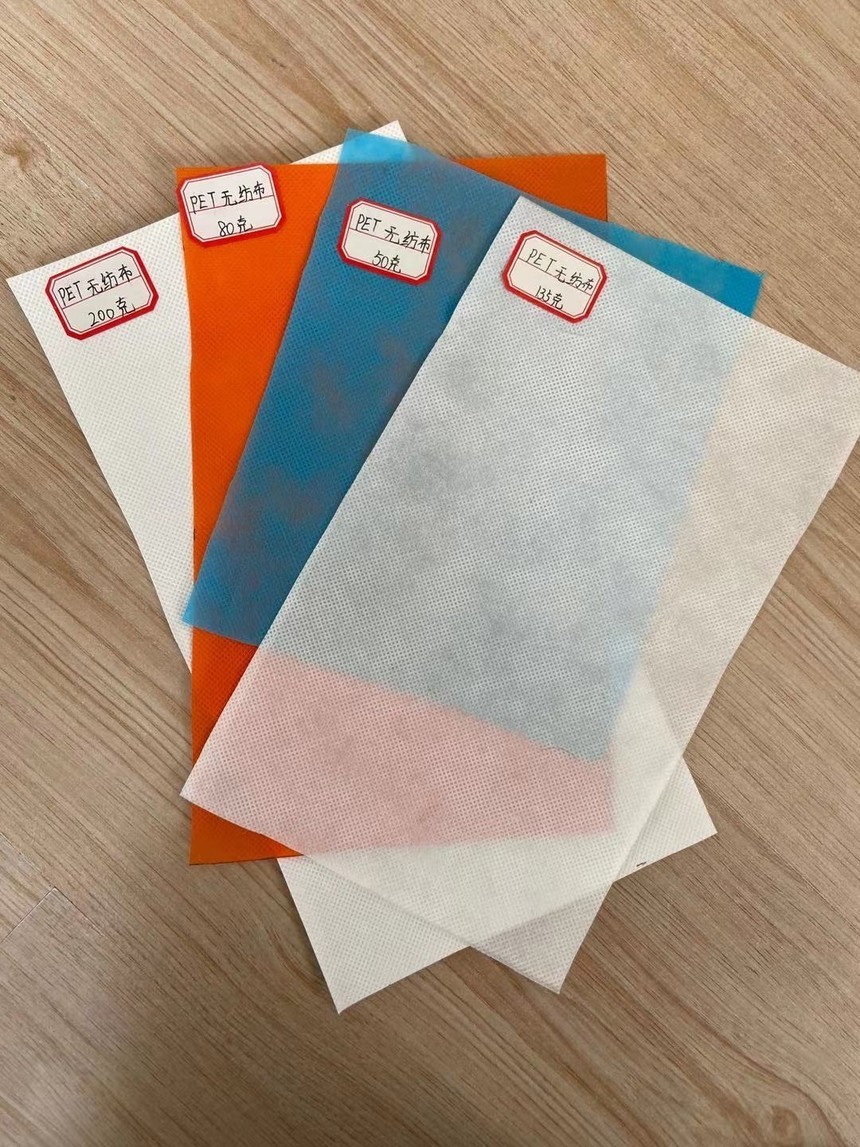
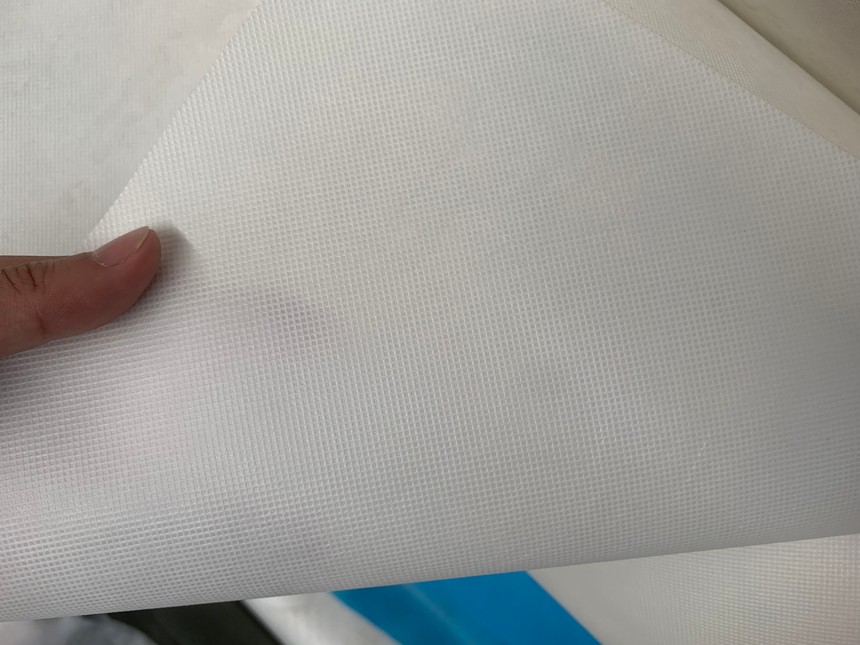
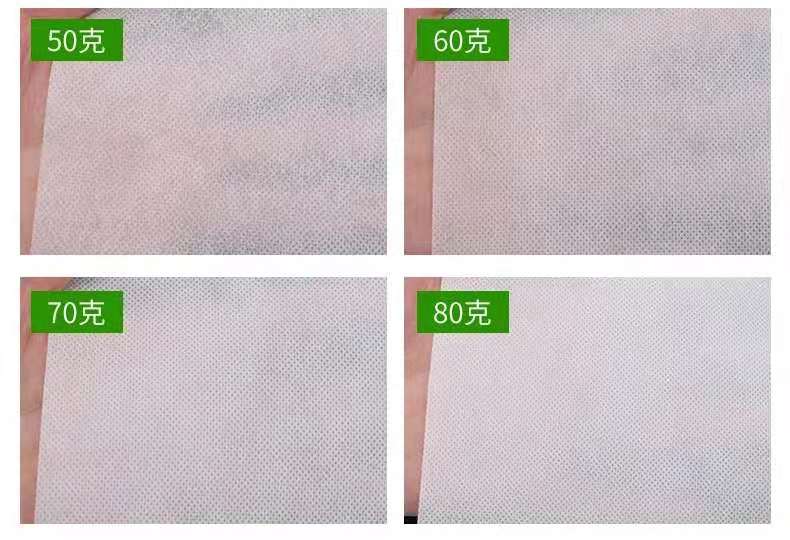
Polyester Nonwoven Fabric
Polyester (PET) spunbonded nonwoven is a type of nonwoven fabric, made from polyester chips. It is produced by bonding countless continuous polyester filaments through spunbonding and hot rolling. Also known as PET spunbonded nonwoven or PES spunbonded nonwoven, it is also referred to as single-component spunbonded nonwoven.
Features of PET Nonwoven:
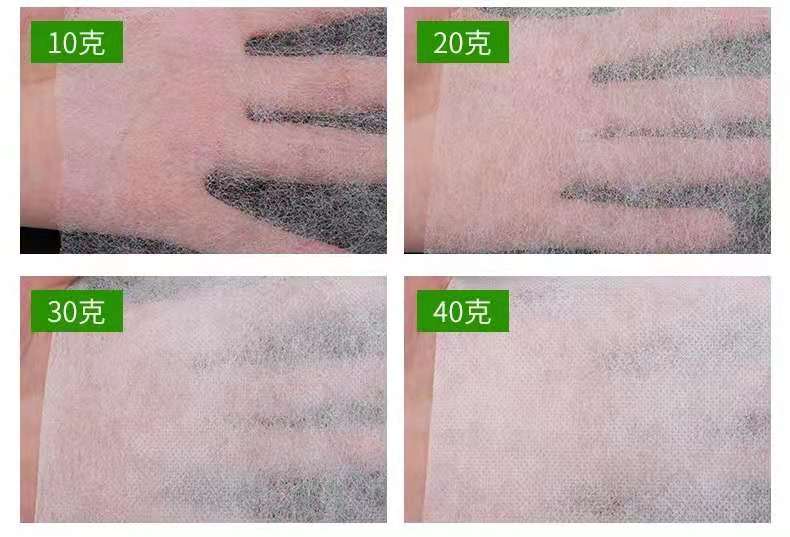
One, Polyester (PET) spunbonded nonwoven fabric is a waterproof nonwoven material, with varying degrees of water resistance depending on the grammage. The higher the grammage and thickness, the better the water resistance. If water droplets land on the surface of the nonwoven, they will simply slide off.
Secondly, high temperature resistance. Due to the melting point of polyester being around 260°C, it can maintain the stable dimensions of non-woven fabric in environments requiring heat resistance. It has been widely used in heat transfer printing, transmission oil filtration, and some high-temperature-resistant composite materials.
Third, Polyester (PET) spunbond nonwoven is a long-fiber nonwoven that ranks second only to nylon spunbond nonwoven. Its excellent strength, good breathability, and resistance to tearing and aging have been increasingly applied in various fields.
Fourth, polyester (PET) spunbonded nonwoven fabric has a very unique physical property: gamma-ray resistance. This means that if used in medical products, it can be disinfected with gamma rays without damaging its physical properties and dimensional stability—a feature not present in polypropylene (PP) spunbonded nonwoven fabric.
PET non-woven fabric has a very wide range of applications:
① Home Textiles:绒面衬里, heat transfer printing, non-woven calendar, office file bags, curtains, vacuum cleaner bags, disposable trash bags.
② Packaging: Cable wrapping, tote bags, bulk bags, floral packaging materials, desiccant, absorbent packaging materials.
③ Decor: Wall decoration fabric, floor革base fabric, velvet base fabric.
④ Agriculture: Harvesting cloth, crop and plant protection products, weed control strips, fruit setting bags, etc.
⑤ Waterproof Material: High-grade breathable (wet) waterproof material base fabric
⑥ Industrial Applications: Filtration Materials, Insulating Materials, Electrical Equipment, Reinforcement Materials, Support Materials.
⑦ Others: Protective gear, travel products, etc.
⑧ Filtration: Transmission oil filtration.
The Differences Between PP Nonwoven and PET Nonwoven:
PP is polypropylene material, also known as polypropylene fiber, which falls under lightweight nonwoven fabric; PET is new polyester material, or polyester fiber, with no additives in the entire production process, making it an excellent eco-friendly product, classified as thick nonwoven fabric.
Comparison between Polypropylene (PP) Nonwoven Fabric and Polyethylene Terephthalate (PET) Nonwoven Fabric:
1. PP material is cheaper than PET material. PP waste can be recycled and reused, whereas PET waste cannot be recycled, thus PP has a slightly lower cost.
2. PP has a high-temperature resistance of about 200 degrees, while PET has a resistance of about 290 degrees, making PET more heat-resistant than PP.
3. Non-woven fabric printing with heat transfer effect; same width PP shrinkage is large, PET shrinkage is small, with better effect; PET is more cost-effective and waste-efficient.

Phone Consultation