

Product Details

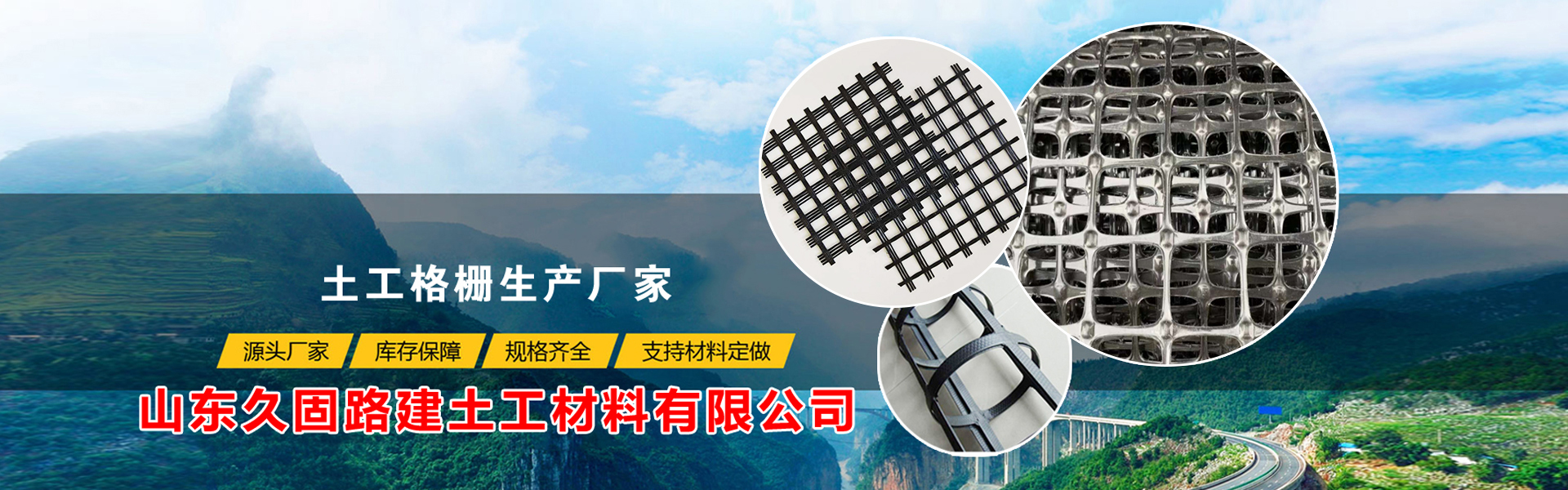
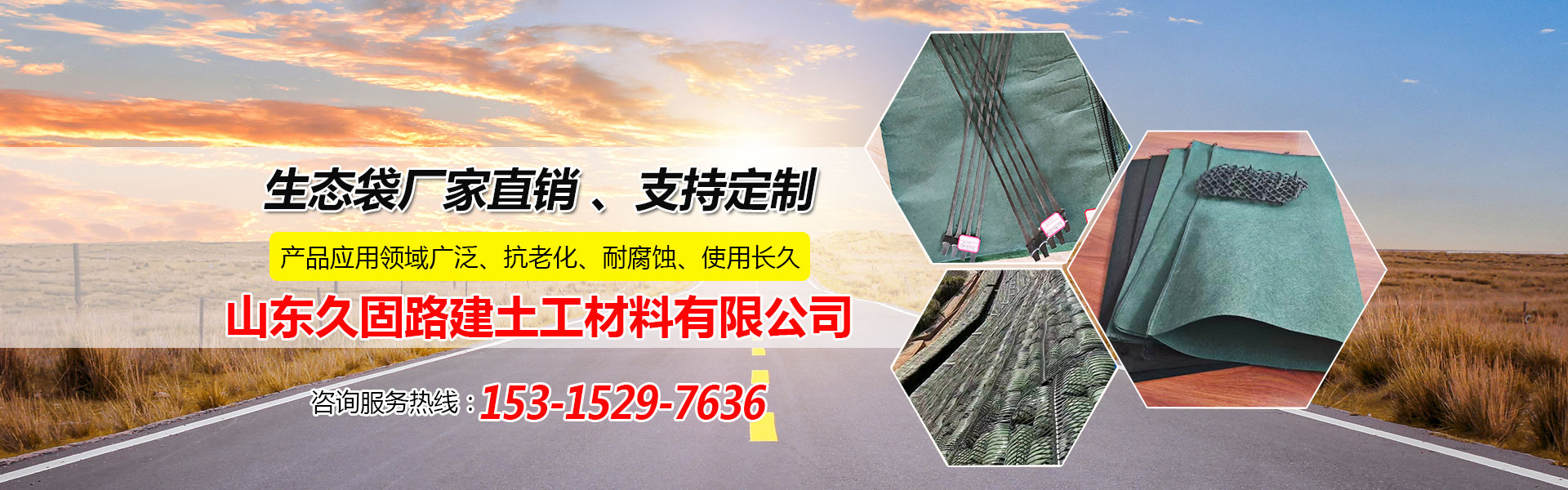
Ecological bags, glass fiber geogrids, steel-plastic geogrids, bidirectional plastic geogrids, unidirectional plastic geogrids, crack-resistant strips, etc.


价 格Negotiable
最小起订0 piece库存0 piece
 Business Card
Negotiable

Negotiable

Negotiable

Negotiable
 Crack-Resistant Tape
Negotiable
Crack-Resistant Tape
Negotiable
 Grass Grid
Negotiable
Grass Grid
Negotiable
 Sealant for joint filling
Negotiable
Sealant for joint filling
Negotiable
 Double-sided stretch plastic supp
Negotiable
Double-sided stretch plastic supp
Negotiable
 Grille composite geotextile
Negotiable
Grille composite geotextile
Negotiable
 Long-fiber Eco Bags
Negotiable
Long-fiber Eco Bags
Negotiable
 Drainage geotextile sheets
Negotiable
Drainage geotextile sheets
Negotiable
 Flexible Perforated Drainage Pipe
Negotiable
Flexible Perforated Drainage Pipe
Negotiable
 Geotextile Cellular Confinement S
Negotiable
Steel-plastic geogrid
Negotiable
Geotextile Cellular Confinement S
Negotiable
Steel-plastic geogrid
Negotiable



.png)

.jpg)
.jpg)
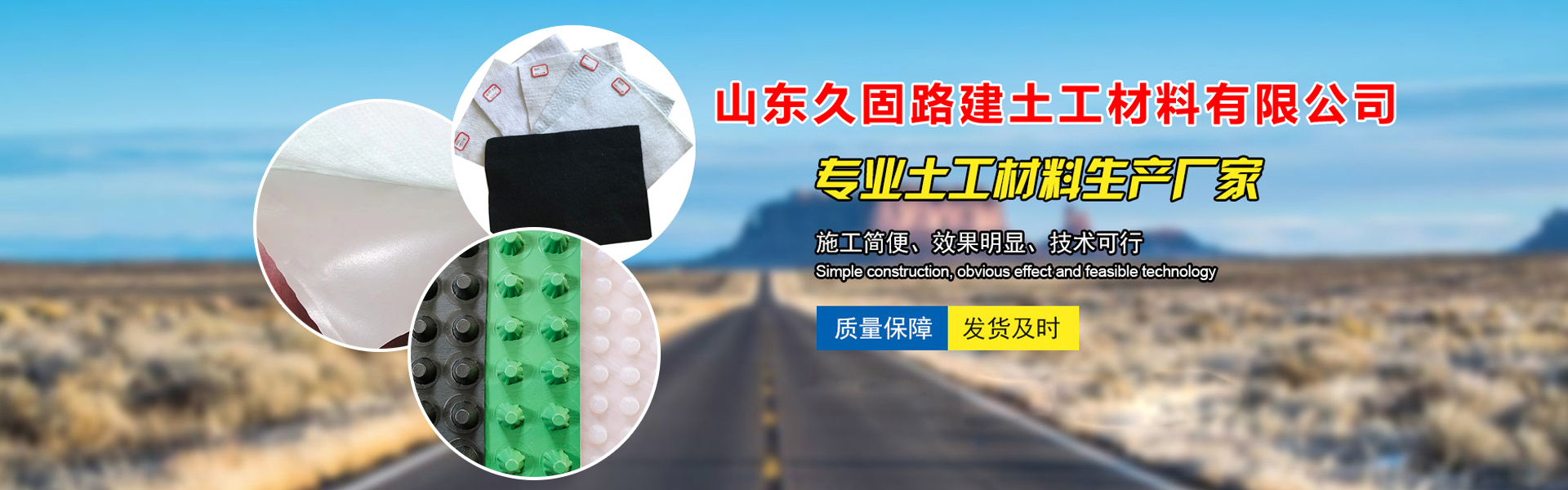
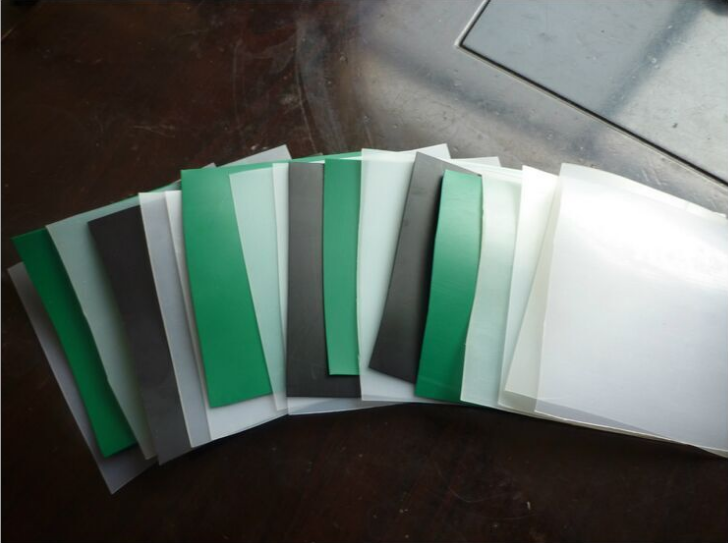
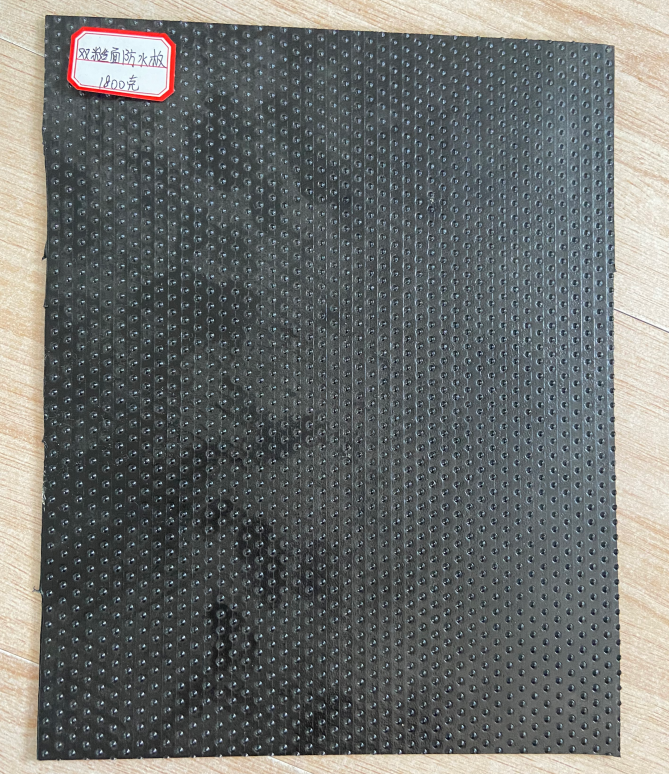
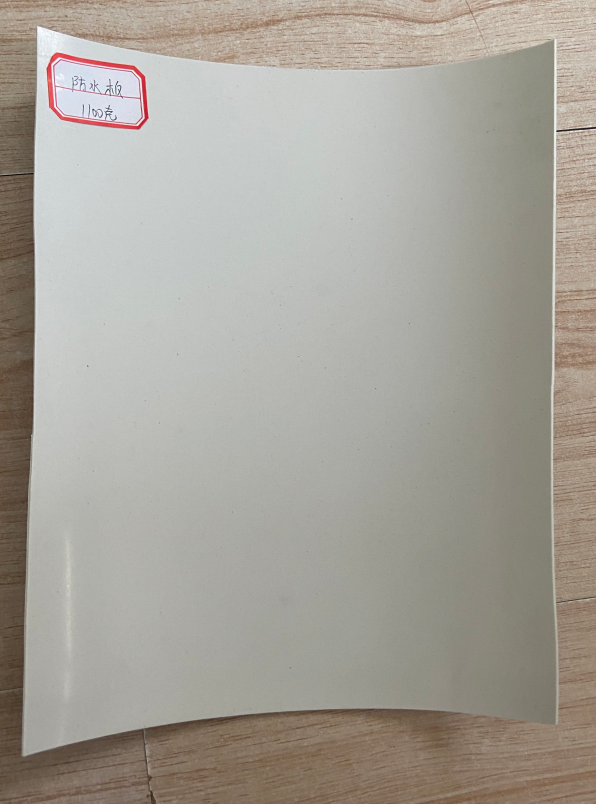
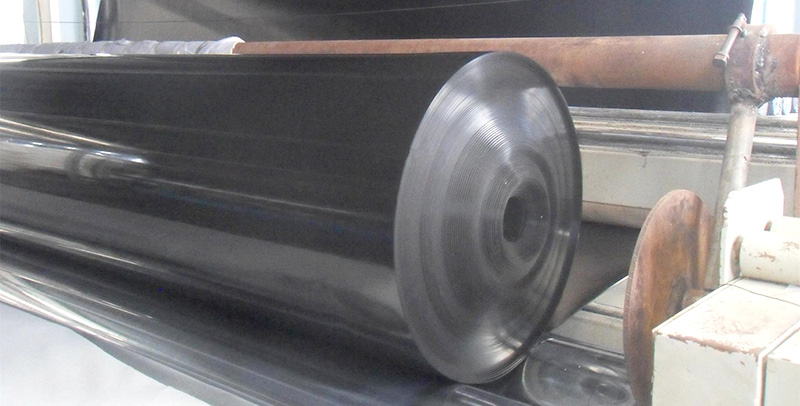
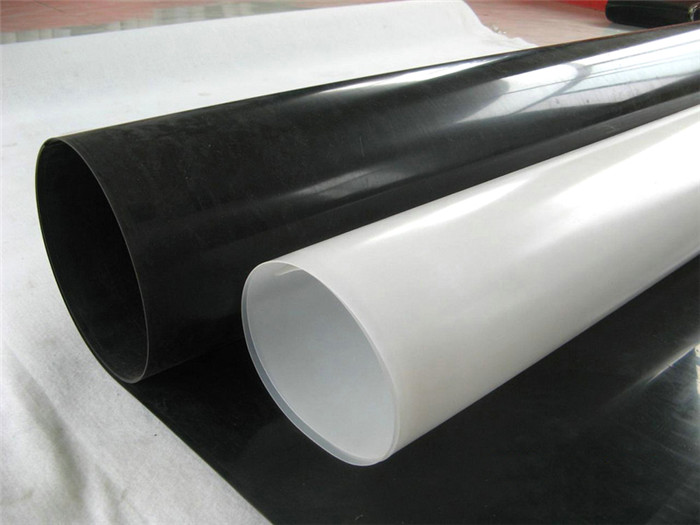
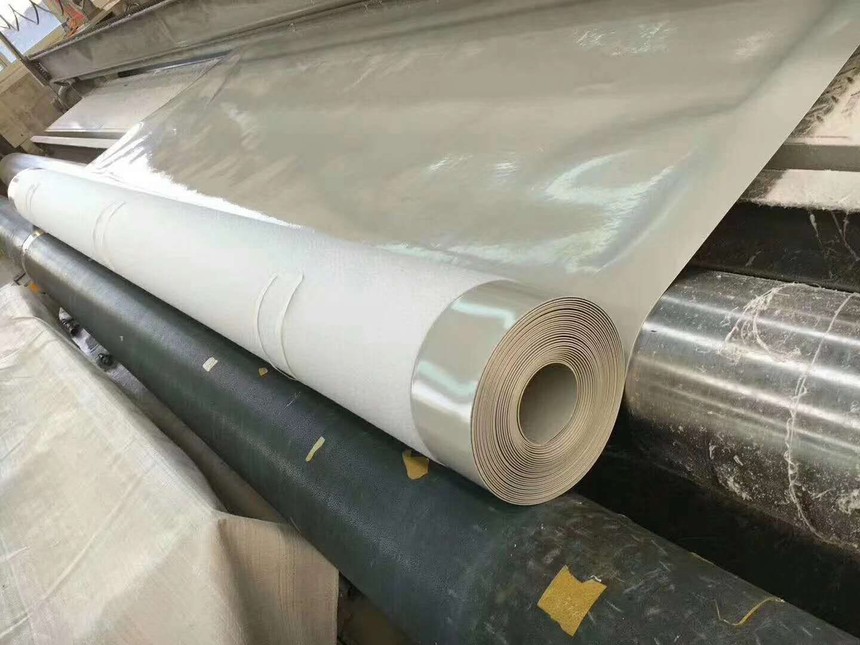
Geotextile membranes (waterproof boards) primarily consist of polyvinyl chloride (PVC), polyethylene (PE), and EVA (ethylene/vinyl acetate copolymer). In tunnel applications, there are also designs that utilize ECB (ethylene acetic vinyl modified asphalt blended geotextile membranes). They are high molecular weight, flexible, lightweight materials with high extensibility, excellent adaptability to deformation, corrosion resistance,低温 resistance, and good frost resistance. Geotextile membranes are waterproof and barrier materials based on high molecular polymer raw materials. They are mainly categorized into low-density polyethylene (LDPE) geotextile membranes, high-density polyethylene (HDPE) geotextile membranes, and EVA geotextile membranes.
Product Performance:
1. Geomembrane is a flexible waterproof material with a high seepage coefficient (1×10^-17 cm/s).
2. Geomembrane features excellent heat and cold resistance, with operating temperatures ranging from high of 110℃ to low of -70℃.
3. Geomembrane features excellent chemical stability, capable of resisting the corrosion from strong acids, alkalis, and oils, making it a superior material for corrosion prevention.
4. Geomembranes feature high tensile strength, offering excellent tensile resistance to meet the needs of high-standard engineering projects.
5. The geomembrane has excellent weather resistance and strong anti-aging properties, allowing for long-term bare usage without loss of its original performance.
6. The overall performance of geomembranes, with HDPE geomembranes boasting high tensile strength and elongation at break, allowing them to be used under various harsh geological and climatic conditions. They are highly adaptable to uneven geological settlement stresses.
7. Geomembrane is made from virgin plastic and carbon black particles, free of any preservatives, and has been used in our country to replace PVC as the raw material for food packaging bags and cling films.
Product Application:
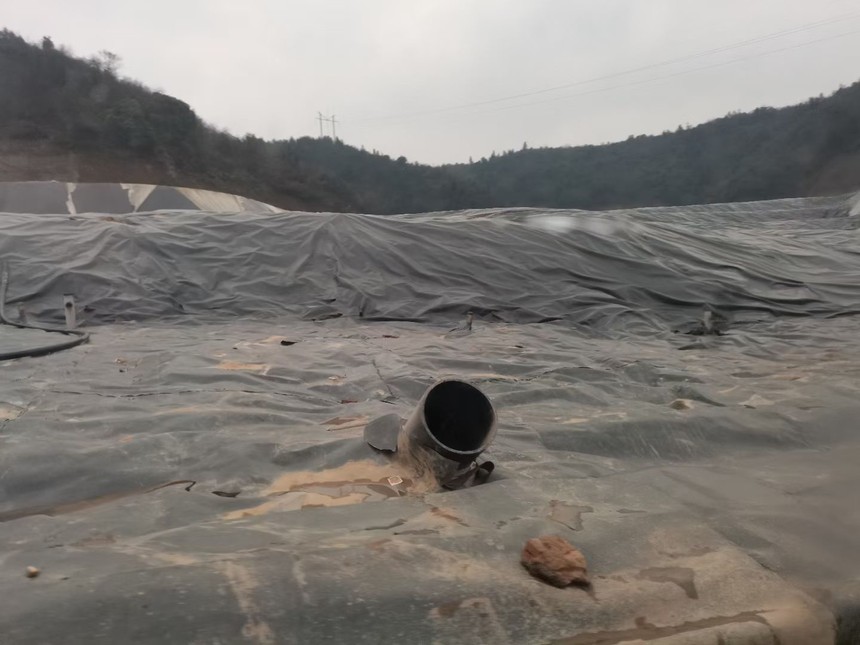
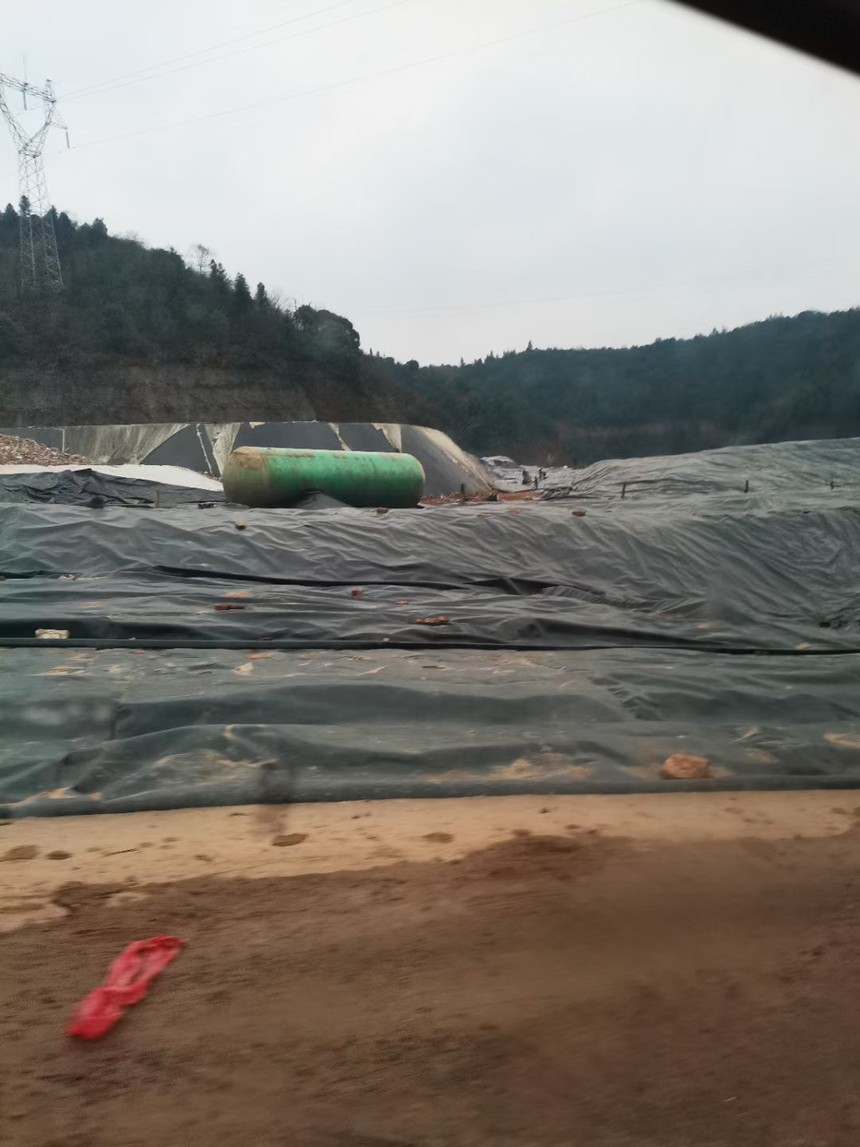
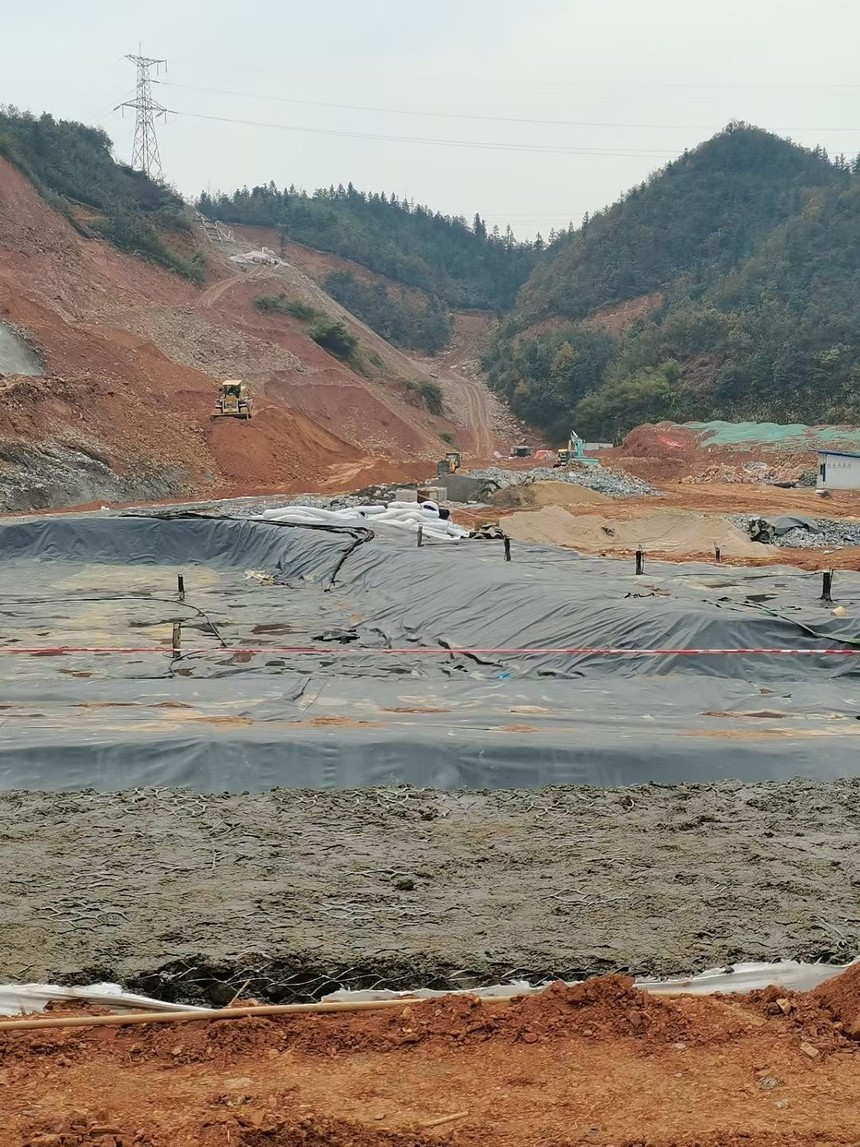
1. Geomembranes are suitable for environmental protection and sanitation applications, such as landfill sites, wastewater treatment plants, power plant settling ponds, industrial, and hospital solid waste.
2. Waterproofing membranes for hydraulic engineering applications: such as seepage prevention and leakage plugging for river, lake, reservoir embankments, reinforcement, seepage prevention for canals, vertical core walls, slope protection, etc.
3. Waterproofing membranes in municipal engineering: subway, underground construction of buildings, green roofs, rooftop gardens, and septic pipeline waterproofing.
4. Polyethylene waterproof membrane is suitable for gardens: artificial lakes, riverbanks, reservoirs, ponds at golf courses, slope protection, green lawns, waterproofing and moisture-proofing, etc.
5. High-density polyethylene geomembrane is suitable for petrochemical applications: chemical plants, refineries, oil tank leakage prevention, reaction ponds, sedimentation pond linings, secondary linings, etc.
6. Polyethylene geomembrane suitable for mining applications: lining for washing pools, leach ponds, ash ponds, dissolution ponds, sedimentation ponds, stockpiles, and tailings for waterproofing.
7. Low-density polyethylene film for traffic facilities: road foundation reinforcement, culvert seepage prevention.
8. Waterproof membrane for agriculture: reservoirs, drinking water pools, water storage ponds, and irrigation system seepage prevention.
9. Geomembrane for Aquaculture: Lining for intensive and factory-style fish ponds, shrimp ponds, sea cucumber enclosures, and slope protection.
10. High-density polyethylene waterproof membrane is suitable for the salt industry: saltfield crystallization ponds, brine pond covers, salt film, and plastic covering membrane for salt ponds.
Construction Method:
Avoid dragging or pulling the geotextile membrane roughly during transportation to prevent sharp objects from piercing it.
1. Extend from the bottom to the top, avoid stretching it too tight, and leave a 1.50% allowance for local sinking and stretching. Considering the actual conditions of this project, the slope is laid from top to bottom.
2. The longitudinal joints between adjacent panels should not align on a single horizontal line; they should be staggered by at least 1 meter.
3. Vertical joints should be located at least 1.50 meters above the dam foot and bend corners, and should be set on a flat surface.
4. First the slope, then the base of the field.
5. When laying on the slope, the direction of the film should generally be parallel to the steep slope line.
Laying Method:
Prior to laying the geotextile membrane, a qualified acceptance certificate from the civil engineering project should be provided.
Before cutting the geotextile membrane, accurate measurements of its relevant dimensions should be taken, then cut according to the actual size. Generally, it is not advisable to cut according to the dimensions shown in the diagram. Each piece should be numbered individually and detailed records should be kept on a spreadsheet.
3. When laying geotextile membranes, strive for fewer welds while ensuring quality. Aim to save raw materials as much as possible.
Easy to ensure quality.
4. The overlap width between membranes is generally not less than 10 cm, usually arranged so that the welding seam direction is parallel to the steep slope, i.e., aligned along the slope direction.
5. Generally, at corners and irregular sites, the seam length should be kept as short as possible. Unless otherwise specified, no welds should be placed within 1.5 meters of the crest or stress concentration areas on slopes with a gradient greater than 1:6.
6. During the laying of geomembrane, avoid creating artificial wrinkles. When the temperature is low, try to tighten and flatten it as much as possible.

Phone Consultation