


- AllProduct Category
-
Well-type Resistance Furnace
Cart-Type Resistance Furnace
Melting Aluminum Resistance Furnace
Cart-Type Resistance Furnace
Well-Type Resistance Furnace
Box-Type Resistance Furnace
All-Fiber Cart Electric Furnace
Well-fired Furnace
Flip-Over Car Furnace
Box Type Resistance Furnace
Reversing Hearth Resistance Furnace
Salt Bath Furnace
RGY Series Dry Oven
Carbonizing Furnace
Nitriding Furnace
Conveyor Furnace
Annealing Furnace
Reheating Furnace



详情描述
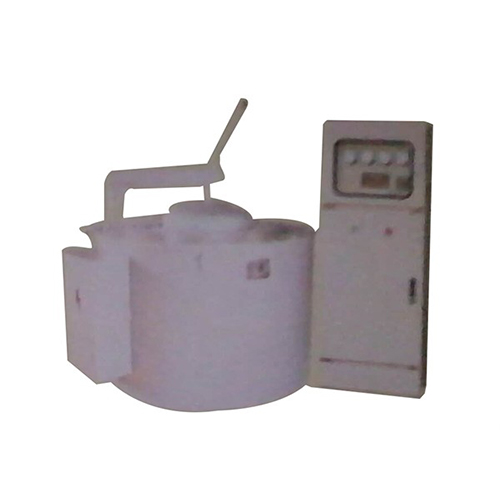
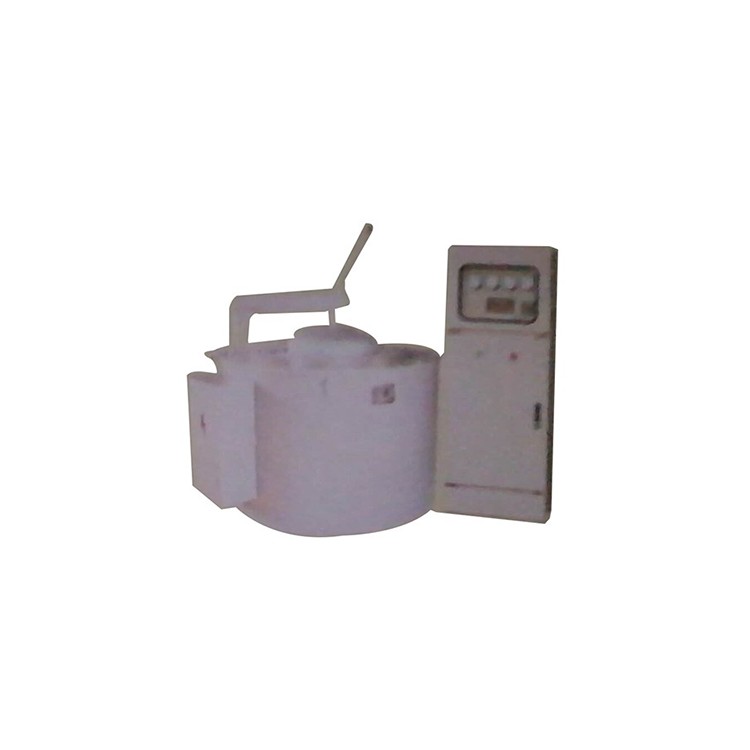
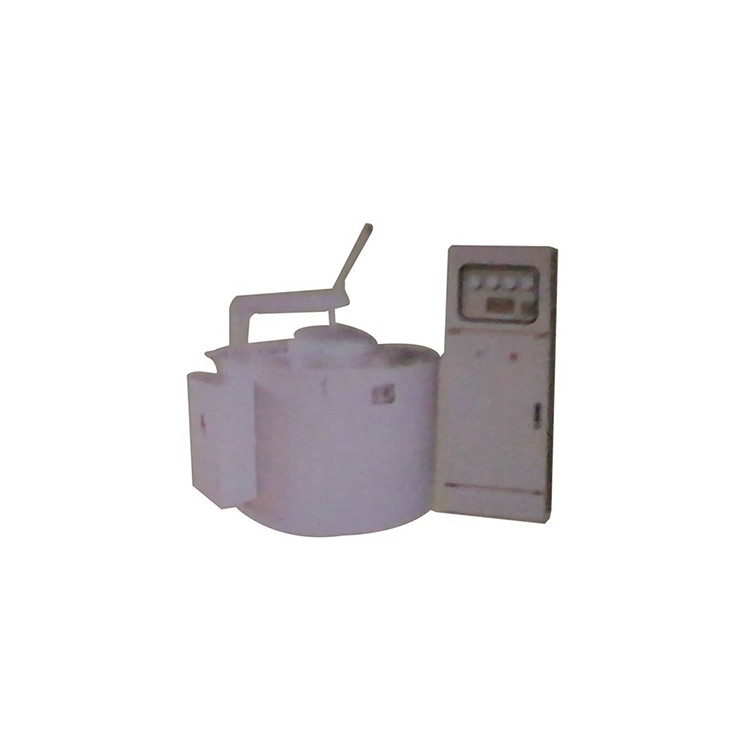
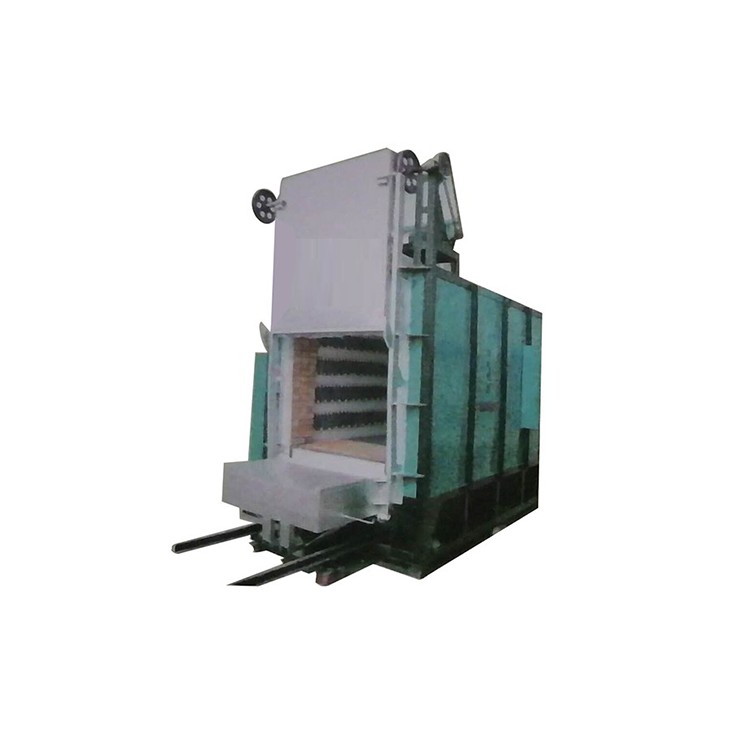
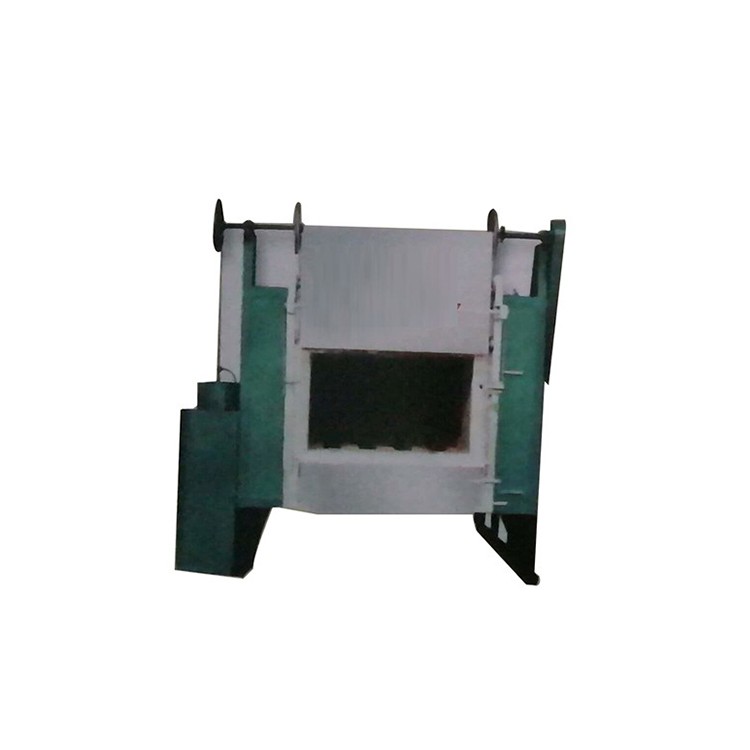
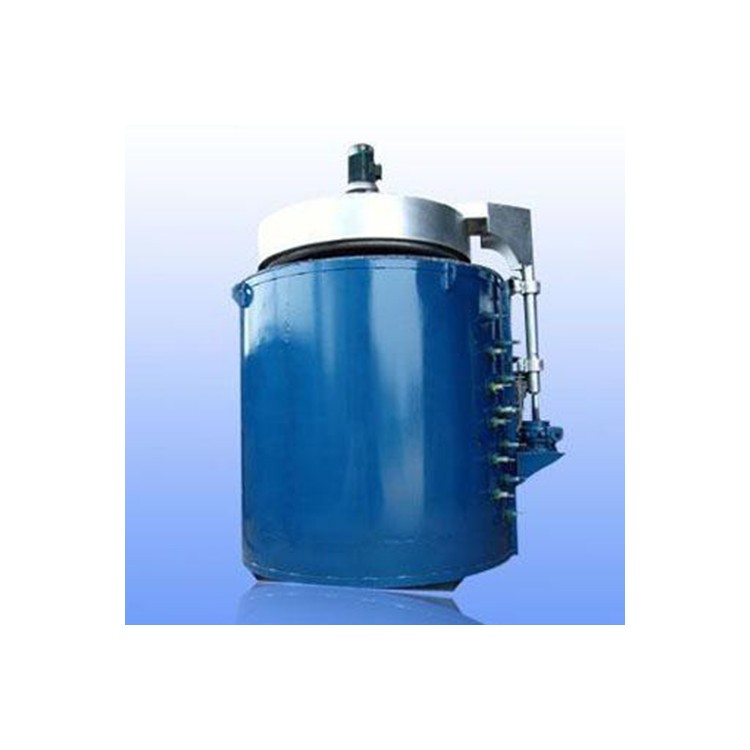
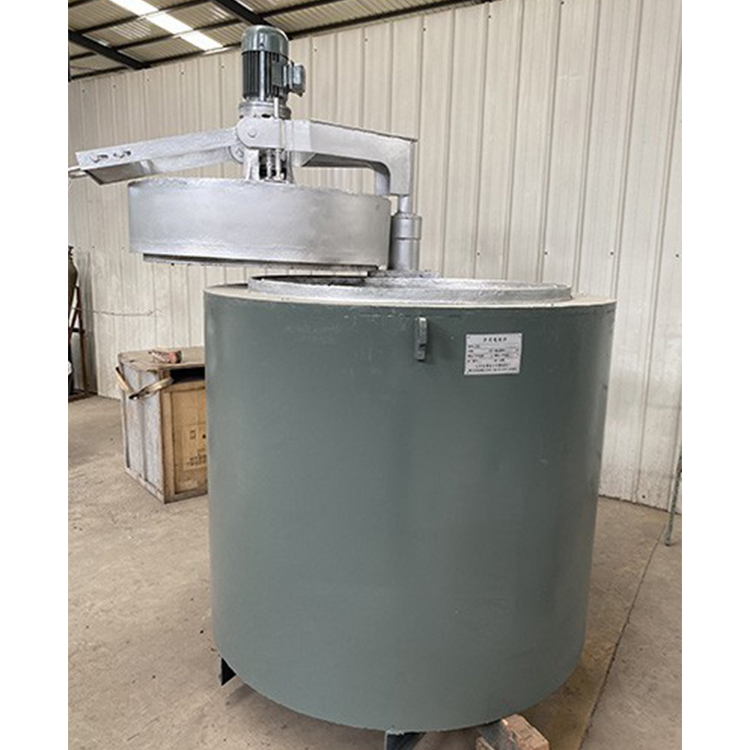
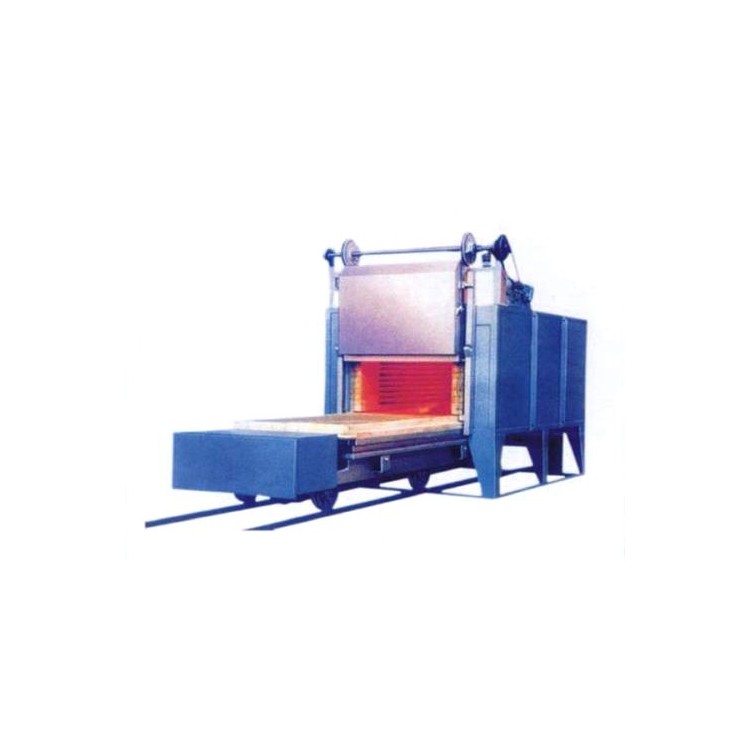
Aluminum melting resistance furnaces belong to gas-lift cover furnaces, open cover aluminum melting furnaces, and lift-off melting furnaces, etc., mainly used for the melting and blending of aluminum and aluminum alloys to meet casting and rolling process requirements.
Simple process: Charge material loaded into the softening bed, softening bed to charge material level, charge material level to full melting, aluminum melt heating up.
The melting aluminum resistance furnace features the following:
1. High Efficiency and Energy Saving. This aluminum melting furnace meets the stringent requirements for alloy composition in the melting process of aluminum and its alloys, with a large single furnace capacity and discontinuous production. It improves working conditions while achieving high efficiency and energy saving. It also comes with a complete furnace mouth exhaust gas recovery hood, which can recover and reuse waste heat, significantly saving energy and ensuring a safe working environment.
2. Stable and Reliable. The casting method employs a brand-new whole-casting technique, which ensures the overall structural integrity of the melting furnace, free of brick joints, and resistant to leakage and cracking, allowing for long-term stable operation. Additionally, the comprehensive control system and precise temperature control system enable accurate control of the aluminum melt temperature, enhancing product quality and reliability.
3. Easy to operate. The furnace features a mechanical lid opening and feeding process, facilitating rapid feeding within a short period, enhancing the loading operation efficiency, making it simpler to handle. Additionally, the control system employs smart instruments and zero-crossing triggering for three-phase power control, with an intuitive and easy-to-understand operation interface.
4. Low-carbon and environmental-friendly. The aluminum melting furnace uses a non-reversing type regenerative combustion nozzle, which can utilize the waste heat of flue gas, ensuring even distribution of furnace temperature, reducing emissions of pollutants. It offers significant energy-saving effects and extends the furnace's lifespan, achieving the dual objectives of low carbon and environmental protection.