

- AllProduct Category
-
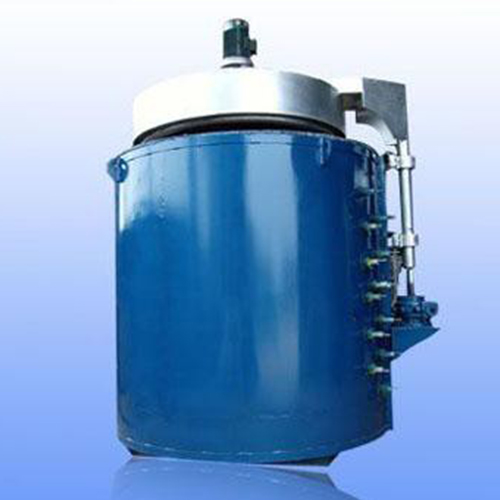
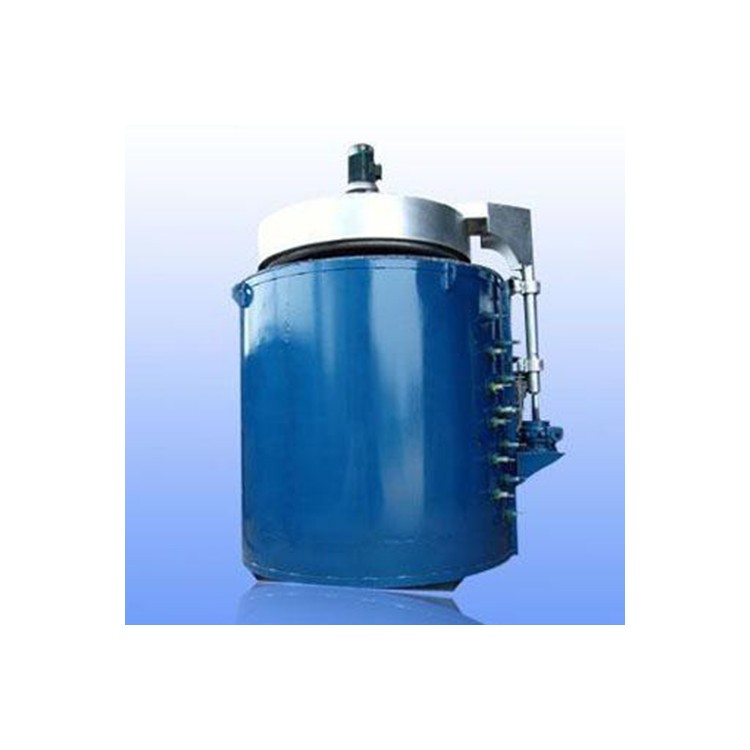
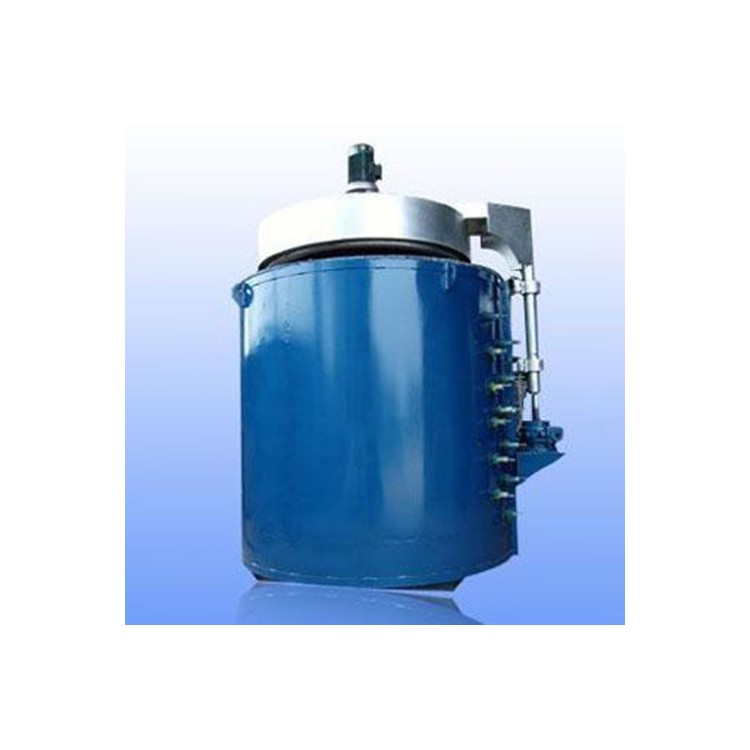
Well-type Resistance Furnace
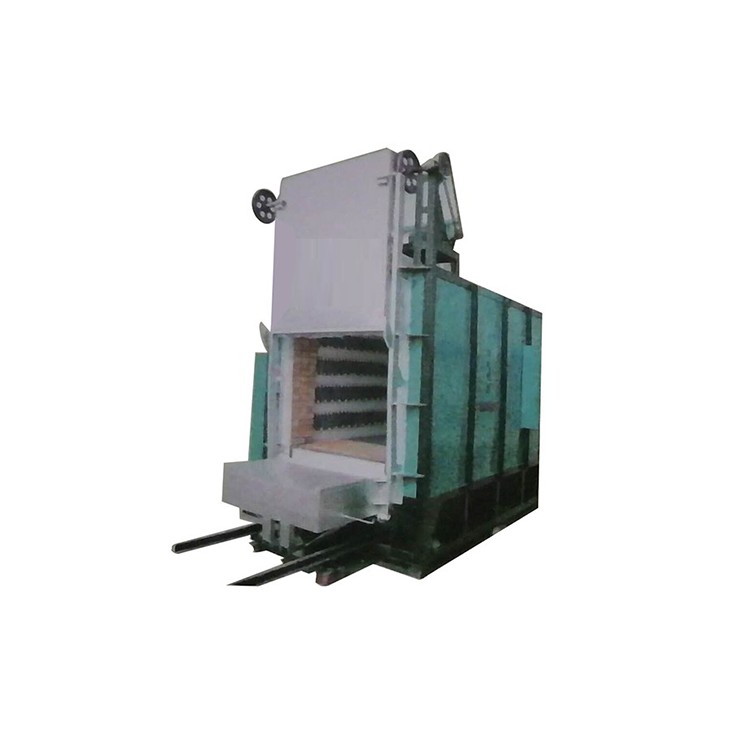
Cart-Type Resistance Furnace
Melting Aluminum Resistance Furnace
Cart-Type Resistance Furnace
Well-Type Resistance Furnace
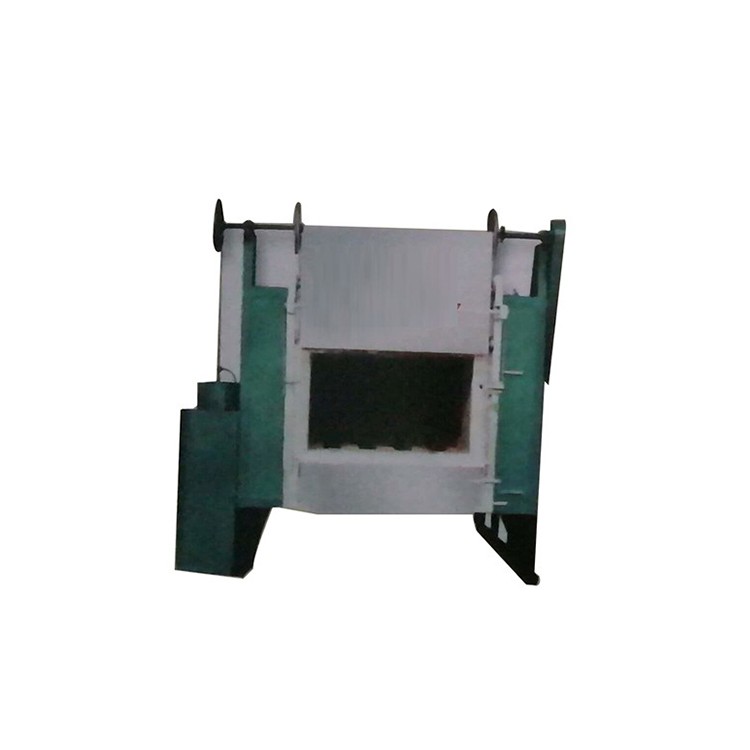
Box-Type Resistance Furnace
All-Fiber Cart Electric Furnace
Well-fired Furnace
Flip-Over Car Furnace
Box Type Resistance Furnace
Reversing Hearth Resistance Furnace
Salt Bath Furnace
RGY Series Dry Oven
Carbonizing Furnace
Nitriding Furnace
Conveyor Furnace
Annealing Furnace
Reheating Furnace



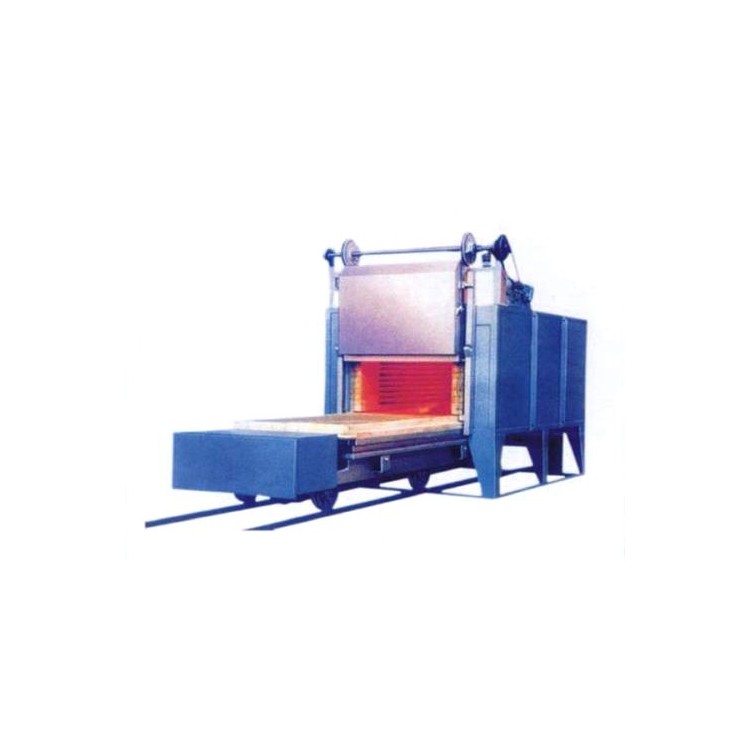

详情描述
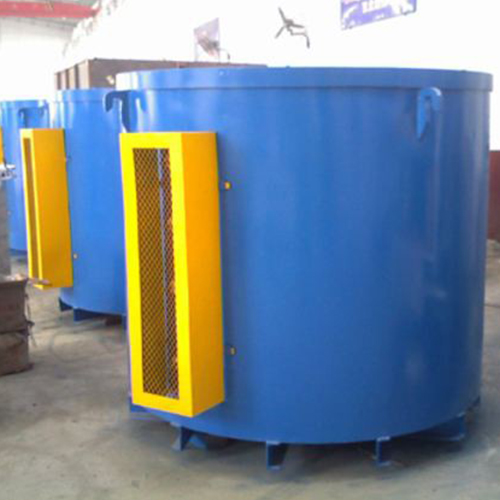
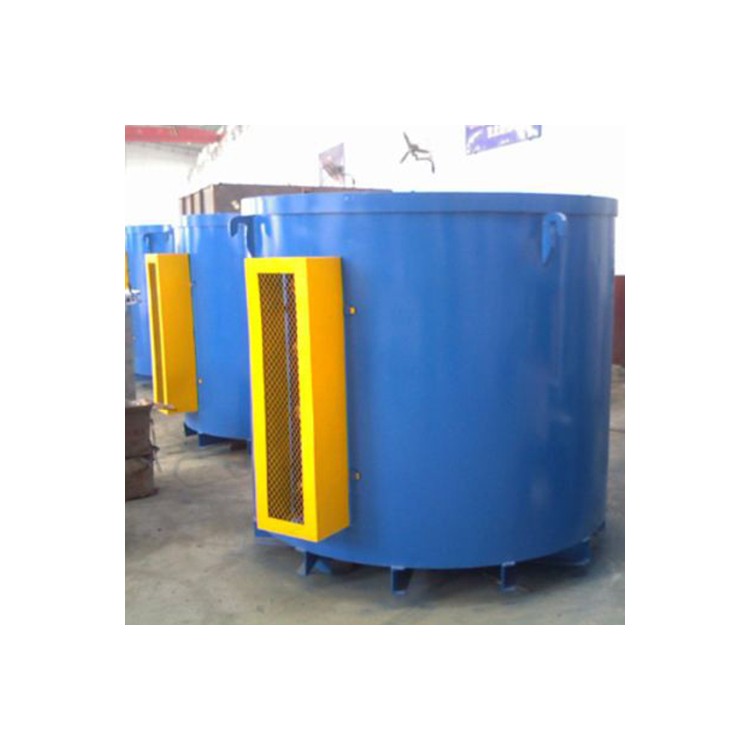
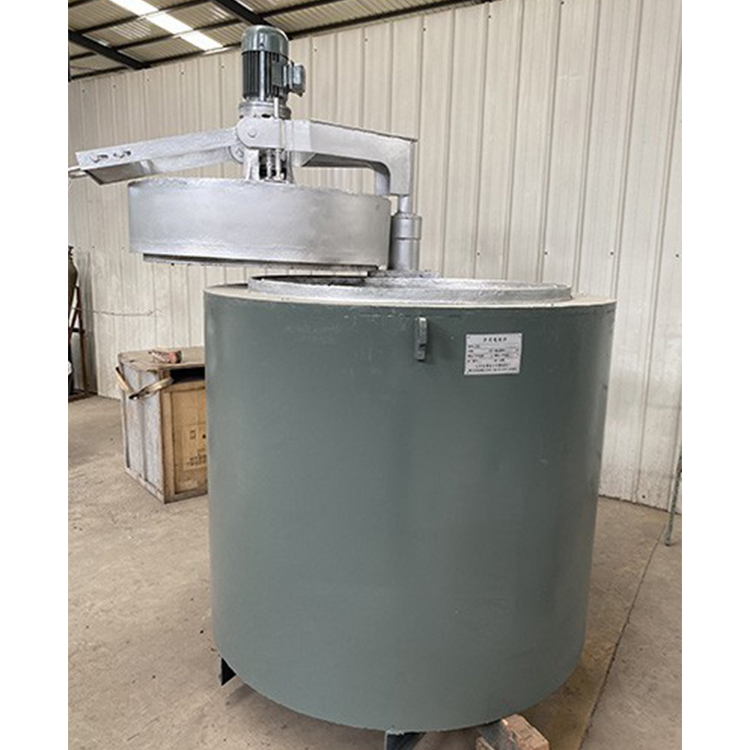
Well-type heating resistance furnace
Primarily radiant heat transfer with minimal convection; convection resistance furnaces mainly rely on convection heat transfer, commonly known as air circulation resistance furnaces, heated by hot air, with furnace temperatures below 650°C. Resistance furnaces are divided into direct and indirect heating methods based on their electrical heating methods. In direct heating resistance furnaces, the current passes directly through the material. As the electrical heating power is concentrated within the material itself, it is rapidly heated, suitable for processes requiring quick heating.
High working temperature is 950°C. The series models following the RJQ symbol are well-type resistance furnaces, capable of protective atmosphere and equipped with a device for dripping organic liquids on the furnace cover.
The furnace chamber is deeper, resulting in poorer uniformity of the chamber temperature. The temperatures near the furnace mouth and bottom are often lower. When the furnace lid is opened, a large amount of hot furnace gas is released, leading to significant heat loss. Therefore, it is necessary to use segmented power control, increasing the power in the furnace mouth section to maximize the uniformity of the furnace temperature as much as possible.
Advantages:
Compared to box-type resistance furnaces, resistance furnaces have significantly less workpiece loading capacity and a low production rate. Therefore, they are mainly used for heat treatment of slender, long workpieces with high quality requirements. To enhance the uniformity of the furnace chamber temperature, air circulation fans can be installed in the furnace cover and bottom.
How to Reduce Part Wear
1. Lubrication for exercise equipment:
The lubrication of kiln drive units primarily involves the gears, but due to the limited porosity between the gears, using graphite as a lubricant is not reasonable. Therefore, oil spraying can be chosen for lubrication.
2. Lubrication between the vehicle underbody and rolling rings:
Graphite exhibits excellent fluidity and smoothness, making it ideal for lubrication in areas requiring large amounts of lubricant. The lubrication between tunnel kiln cylinder liners and roller grooves is particularly well-suited to this method.