

- AllProduct Category
-
Well-type Resistance Furnace
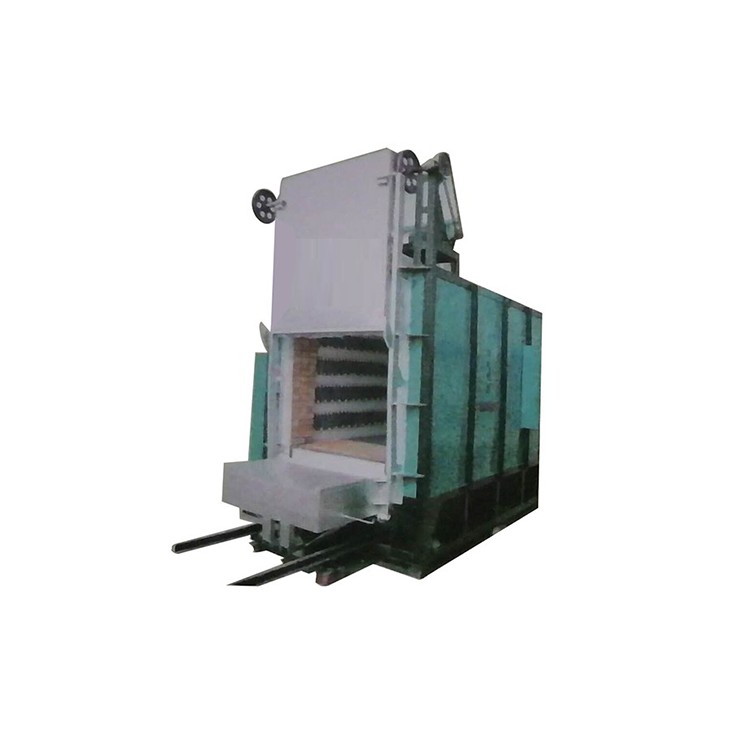
Cart-Type Resistance Furnace
Melting Aluminum Resistance Furnace
Cart-Type Resistance Furnace
Well-Type Resistance Furnace
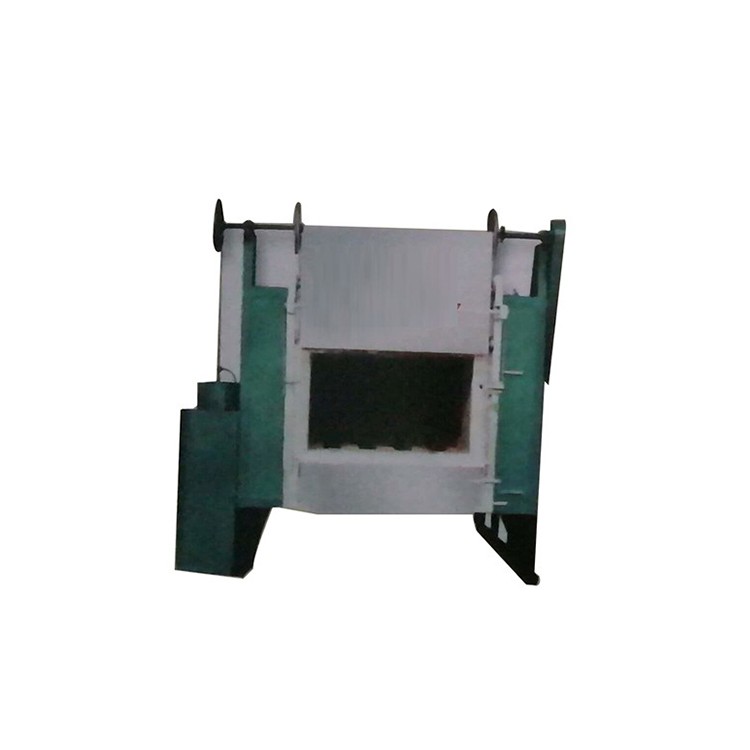
Box-Type Resistance Furnace
All-Fiber Cart Electric Furnace
Well-fired Furnace
Flip-Over Car Furnace
Box Type Resistance Furnace
Reversing Hearth Resistance Furnace
Salt Bath Furnace
RGY Series Dry Oven
Carbonizing Furnace
Nitriding Furnace
Conveyor Furnace
Annealing Furnace
Reheating Furnace




详情描述
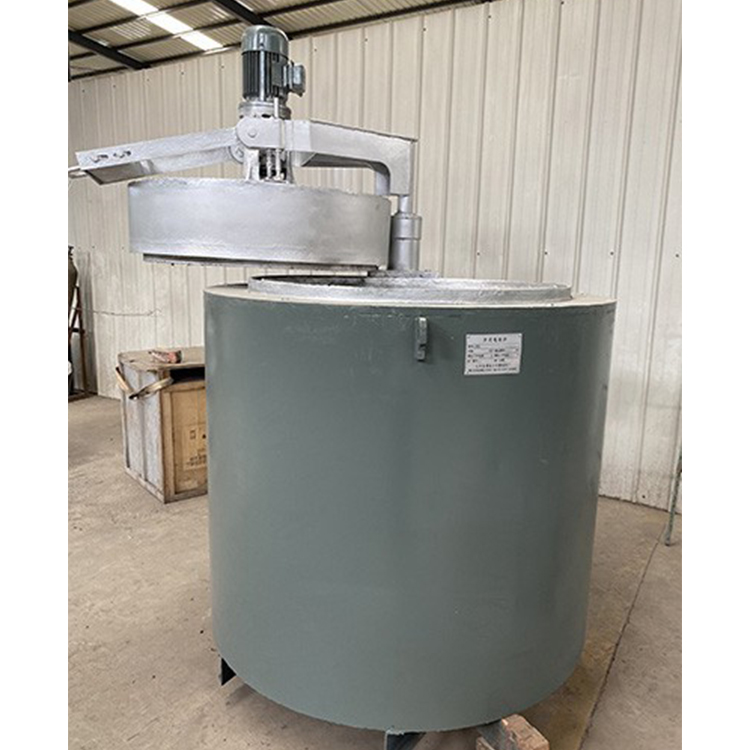
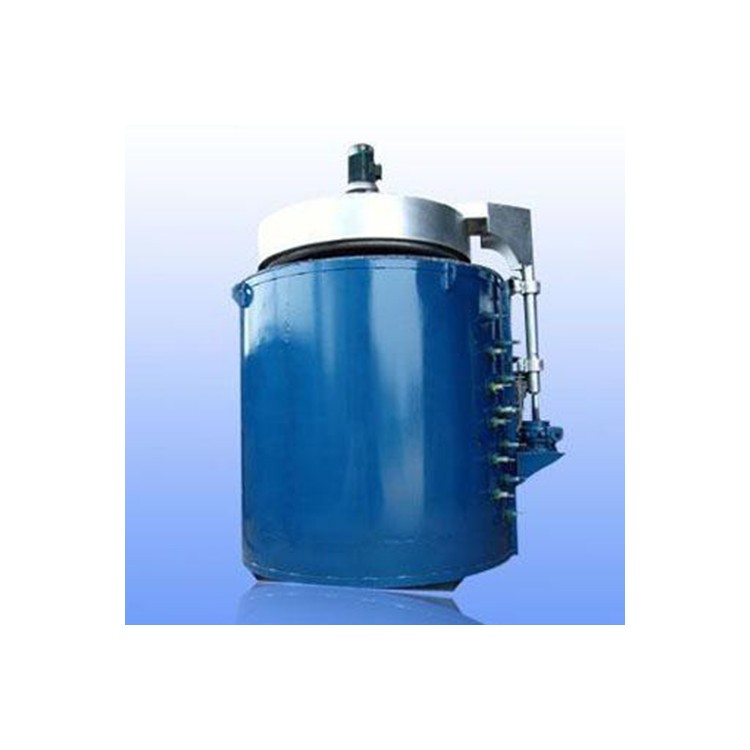
Well-type resistance furnace
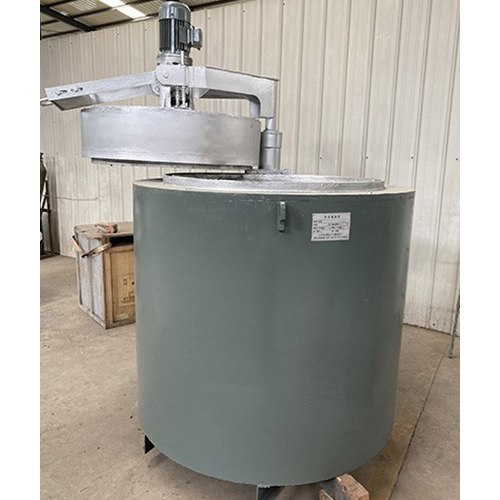
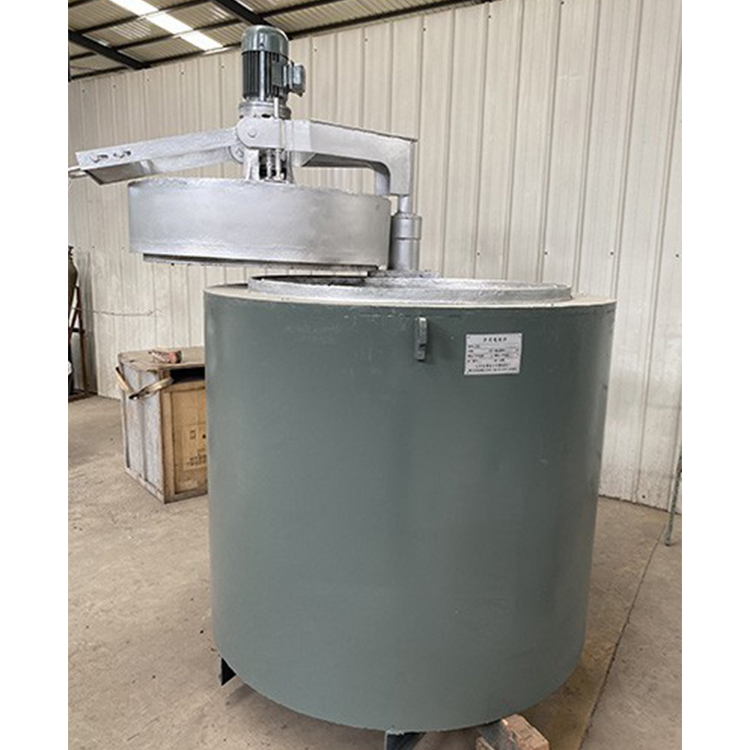
The lid shell of the well-type resistance furnace is also welded from steel, internally formed with high-temperature alumina silicate refractory fiber needle-punched blanket, and the bottom is secured with heat-resistant stainless steel wire mesh and round bars.
Category:
There are many types of well-type resistance furnaces, with a wide range of applications. They primarily operate in natural or protective atmospheres, performing heat treatment or sintering on longer metal workpieces (such as rods and long shafts).
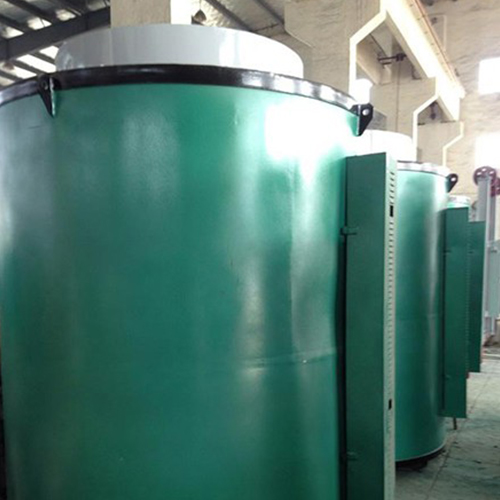
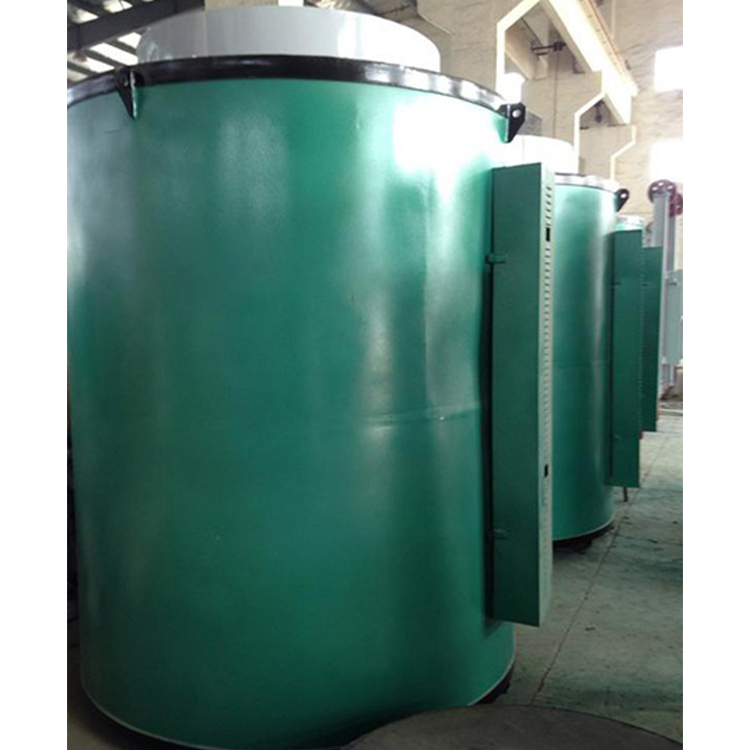
The well-type resistance furnace is predominantly cylindrical due to its longer body. For ease of operation in loading and unloading workpieces, large and medium-sized well-type resistance furnaces are typically installed in pits, with only a portion exposed above ground. The furnace shell is made from steel plates, and the furnace lining structure is similar to that of a box-type resistance furnace, consisting of an insulating refractory layer and an insulation layer. Depending on the working temperature, they are categorized into high-temperature, medium-temperature, and low-temperature well-type resistance furnaces.
Each uses different lining materials. Some well-type resistance furnaces, to reduce their volume, employ water-cooling for both the furnace body and lid. These furnaces lack refractory and insulation layers, using metal materials for heat insulation screens. Their energy consumption is significantly higher compared to those with insulation materials as the lining.
When lifting large forgings, since the swinging of the forgings is particularly prone to damage the furnace walls and electric heating elements, it is essential to prevent such accidents from occurring. When installing a well-type resistance furnace, first position the bridge crane with the forging, ensuring the forging is as centered as possible over the effective heating area of the furnace chamber. After it has become stationary, slowly lower it into the furnace. Upon removal, align the hook with the hooks on the furnace's hangers or material baskets, secure them together, and then slowly lift the forging out. The other operating methods for the well-type resistance furnace are the same as those for the box-type resistance furnace.