
- AllProduct Category
-
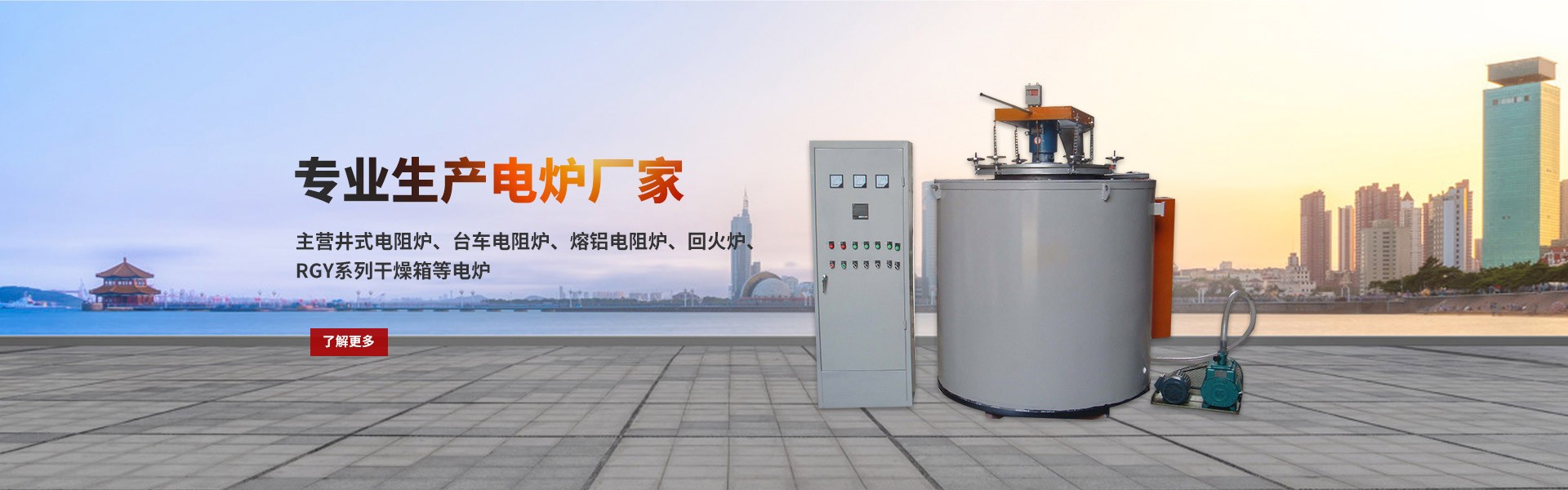
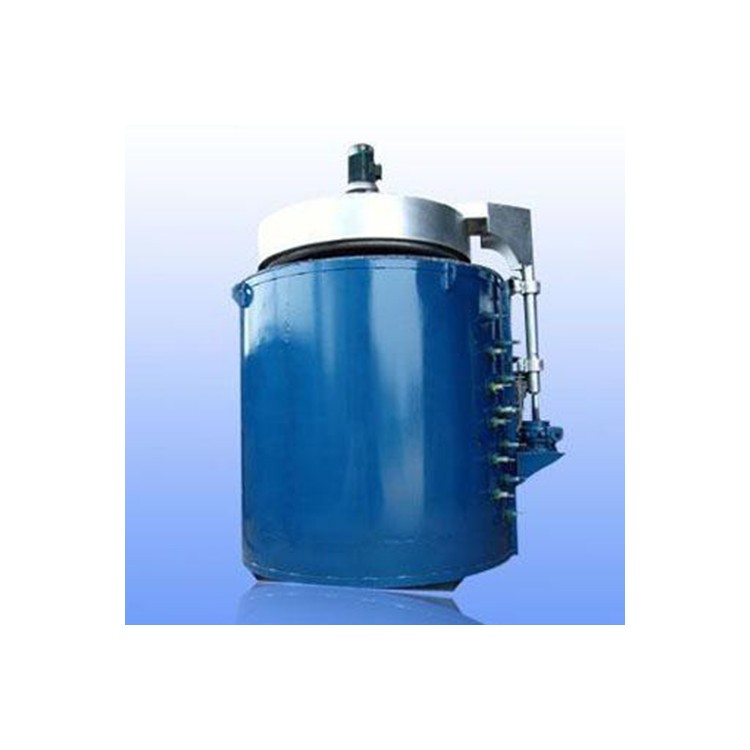
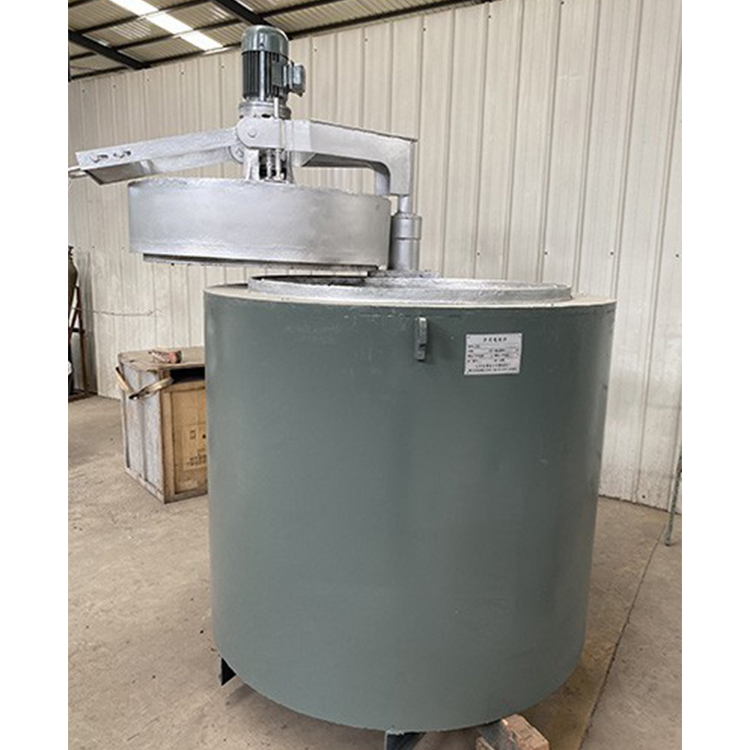
Well-type Resistance Furnace
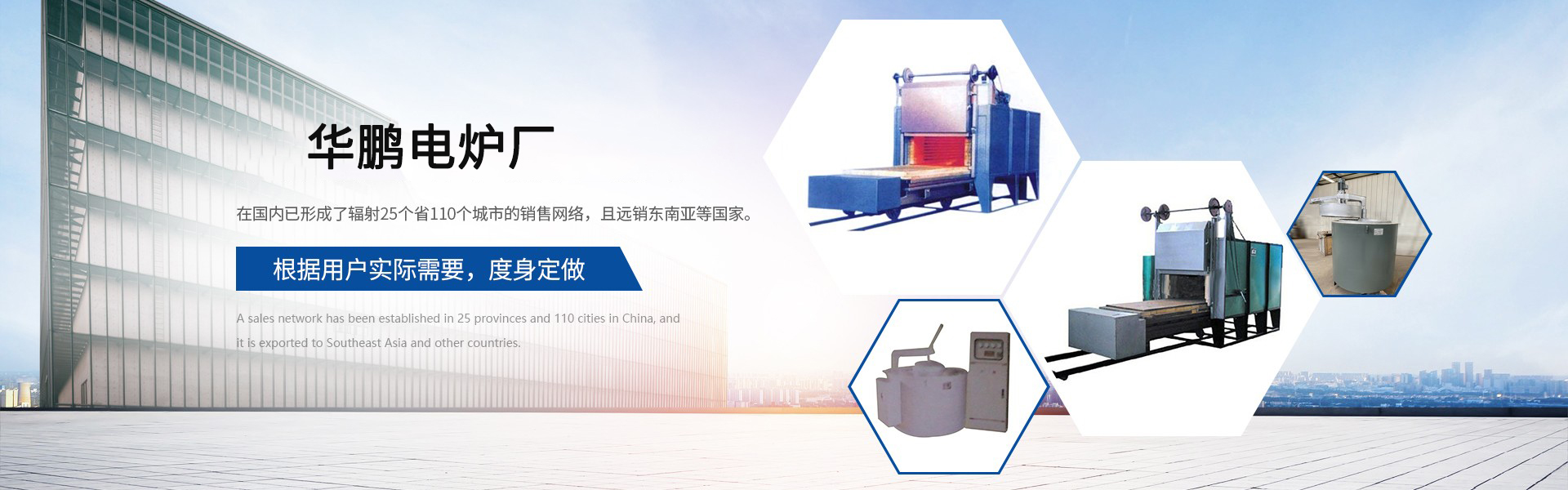
Cart-Type Resistance Furnace
Melting Aluminum Resistance Furnace
Cart-Type Resistance Furnace
Well-Type Resistance Furnace
Box-Type Resistance Furnace
All-Fiber Cart Electric Furnace
Well-fired Furnace
Flip-Over Car Furnace
Box Type Resistance Furnace
Reversing Hearth Resistance Furnace
Salt Bath Furnace
RGY Series Dry Oven
Carbonizing Furnace
Nitriding Furnace
Conveyor Furnace
Annealing Furnace
Reheating Furnace




详情描述
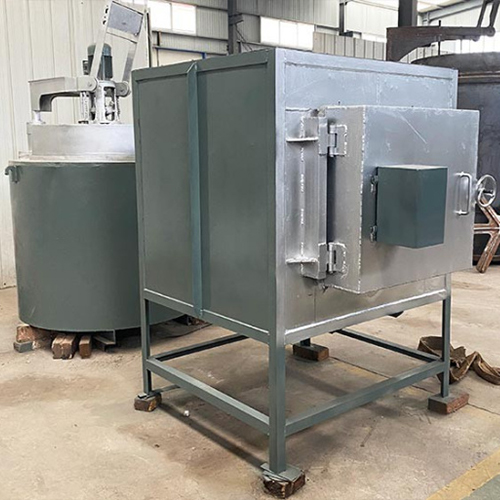
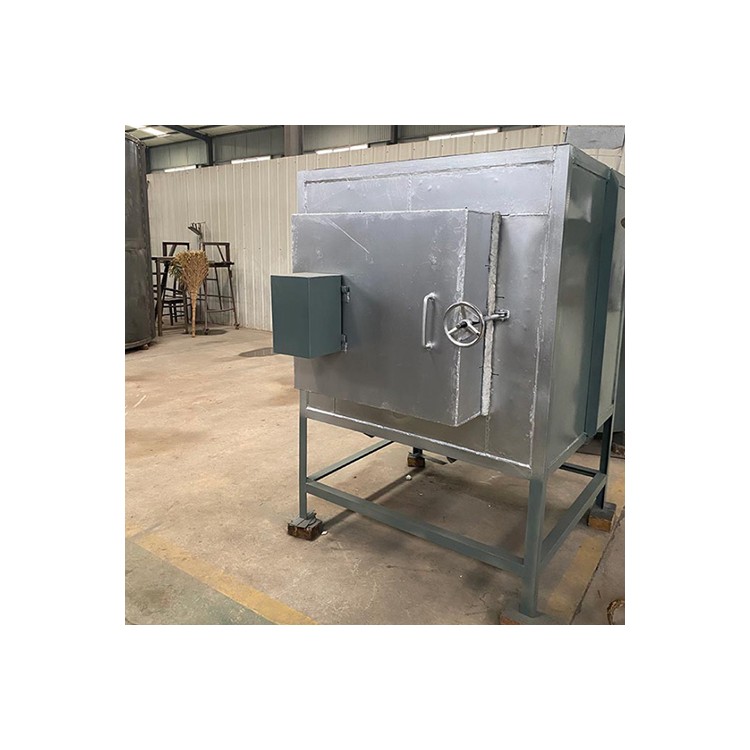
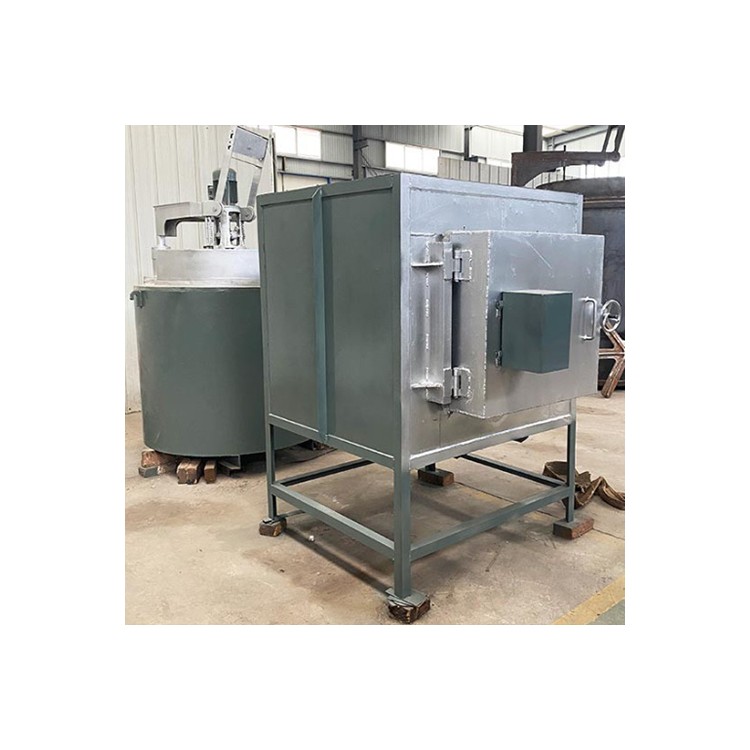
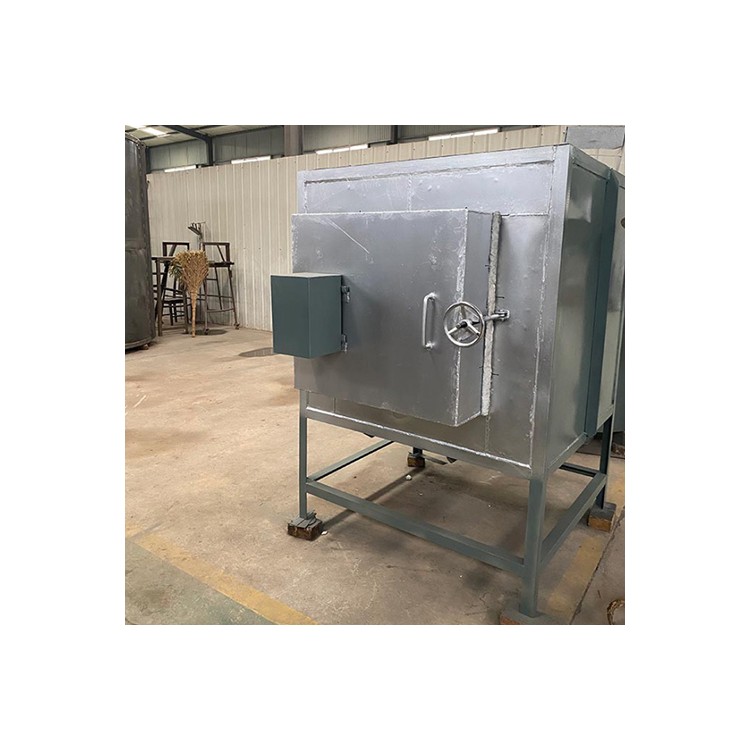
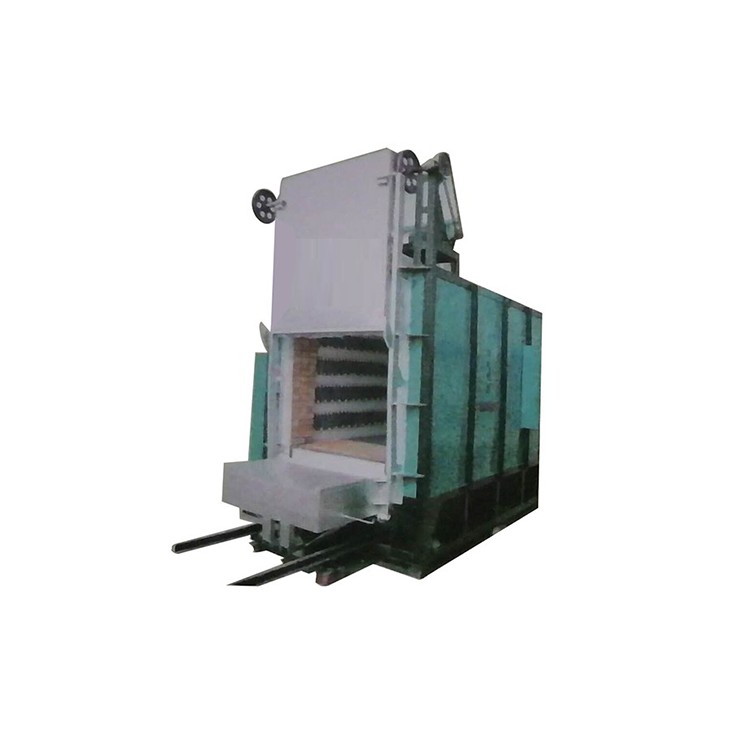
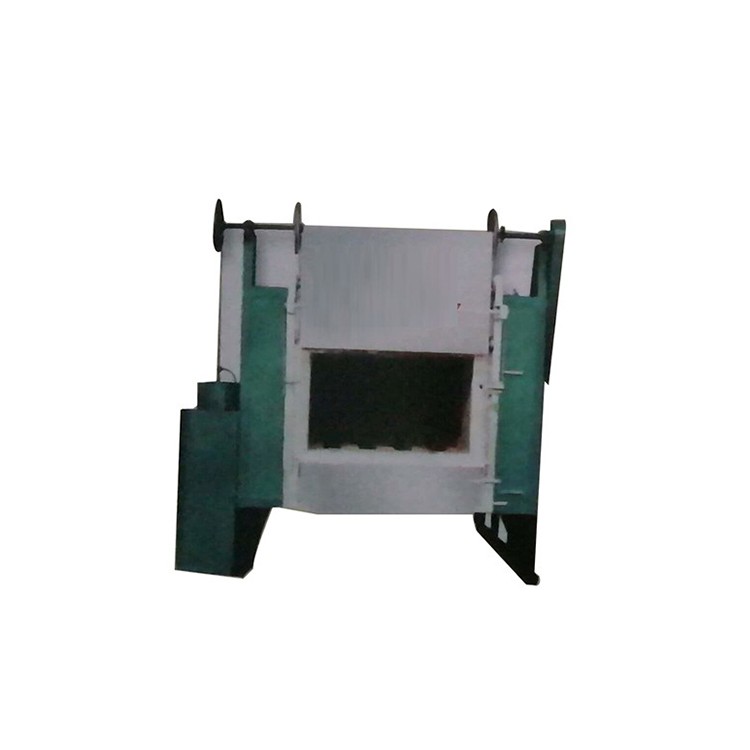
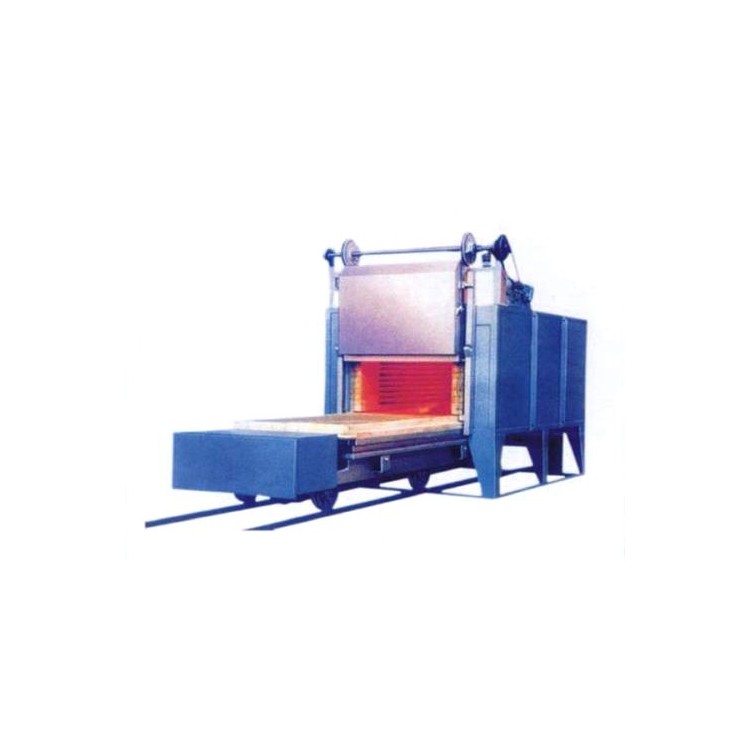
A box resistance furnace is a common type of electric furnace, available in vertical, horizontal, split, and integrated configurations. Temperature ranges include below 1200°C, 1400°C, 1600°C, 1700°C, 1800°C, and so on, utilizing resistance wire, silicon carbide rods, or silicon molybdenum rods as heating elements, all of which can be selected as needed. Besides air heating, box furnaces also offer options for atmosphere and sealed vacuum capabilities, featuring various types. They are widely used in the production and experimentation of ceramics, metallurgy, electronics, glass, chemicals, machinery, refractory materials, new material development, special materials, and construction materials.
Box-type resistance furnace structural features:
1. The appearance is treated with heat-resistant and corrosion-resistant paint.
2. The console is equipped with an intelligent PID digital controller, boasts excellent stability and high precision, comes with an ammeter, and features a novel structure.
3. The furnace door is reinforced and thickened to prevent deformation.
4. The furnace lining is made of high-quality thermal insulation cotton, offering excellent thermal insulation performance.
5. Continuous detection of furnace temperature (even when not heating, it displays the actual furnace temperature for easy observation of the furnace temperature at any time).
6. Simple wiring, clear diagrams, and easy operation.
7. Features overcurrent and short-circuit protection.
8. The furnace shell is made by welding selected steel plate edges, with the chamber constructed from refractory materials. The heating elements are placed inside, and the space between the furnace and shell is insulated with thermal insulation materials.
Secure the screws connecting the left and right sides of the controller housing, then cover them in the transition areas, such as the power cable.
Place on a flat surface or concrete platform. Place an asbestos board on the resistance furnace base to prevent the surface from overheating. The controller should be placed away from vibrations and not too close to the table-type resistance furnace to prevent overheating that could affect the normal operation of electronic components.