


- AllProduct Category
-
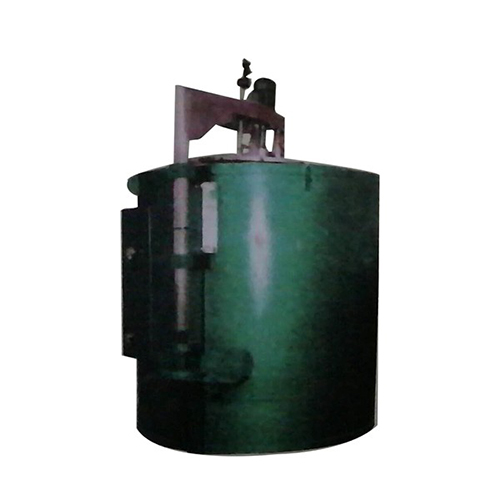
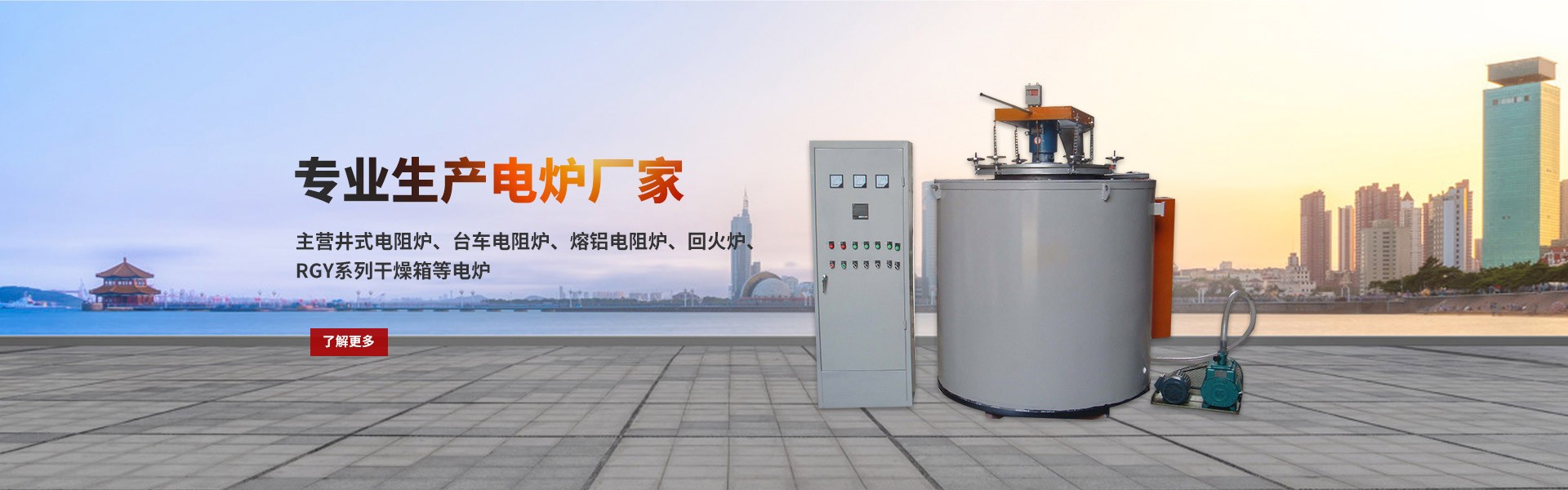
Well-type Resistance Furnace
Cart-Type Resistance Furnace
Melting Aluminum Resistance Furnace
Cart-Type Resistance Furnace
Well-Type Resistance Furnace
Box-Type Resistance Furnace
All-Fiber Cart Electric Furnace
Well-fired Furnace
Flip-Over Car Furnace
Box Type Resistance Furnace
Reversing Hearth Resistance Furnace
Salt Bath Furnace
RGY Series Dry Oven
Carbonizing Furnace
Nitriding Furnace
Conveyor Furnace
Annealing Furnace
Reheating Furnace



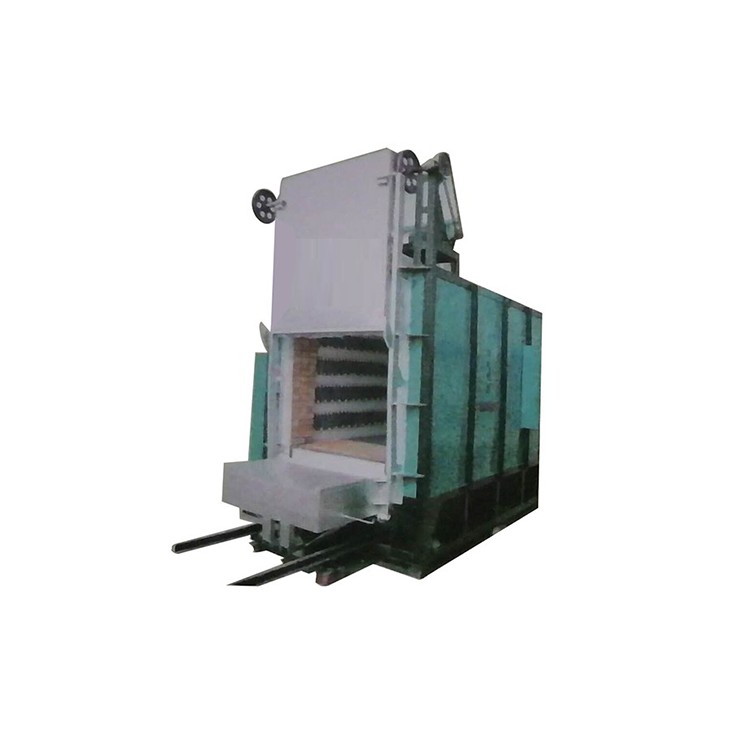
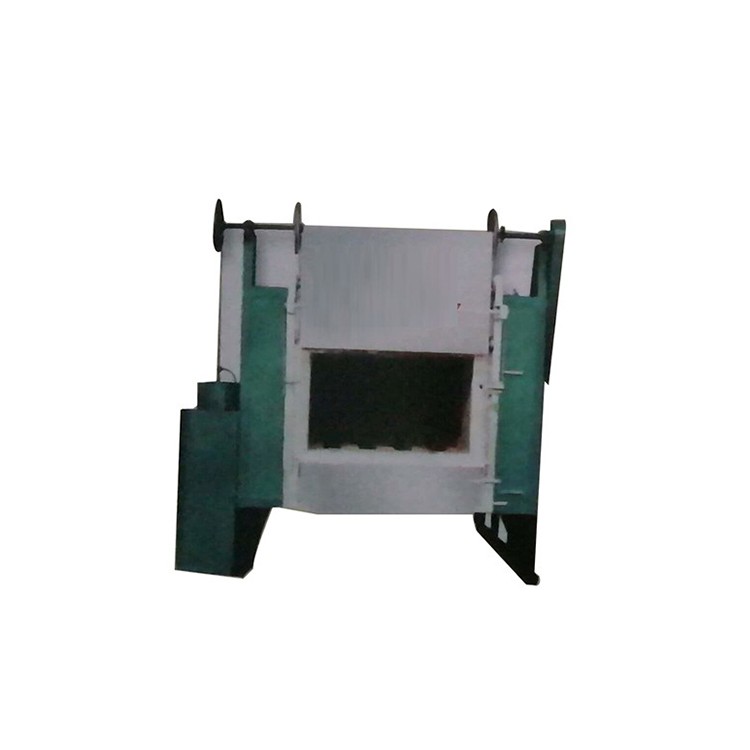
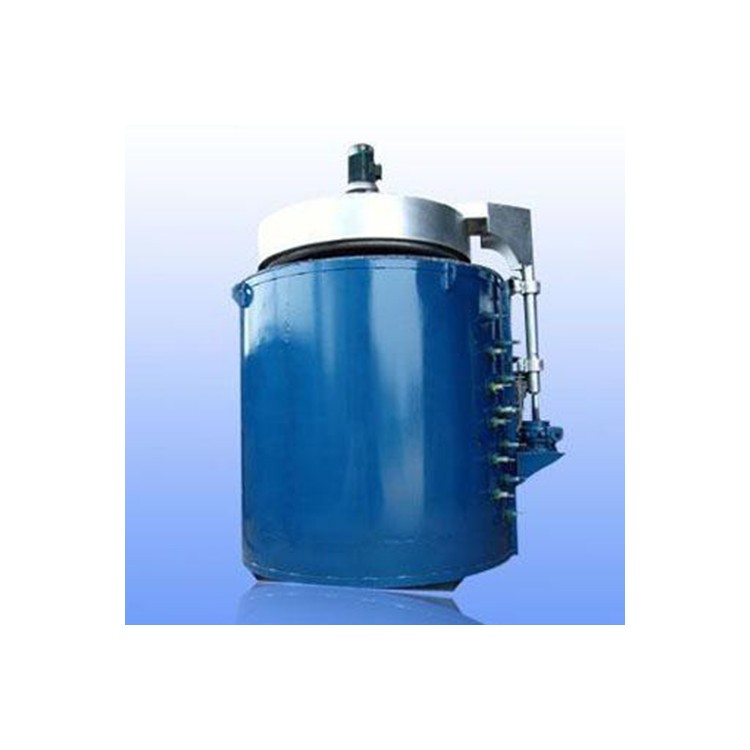
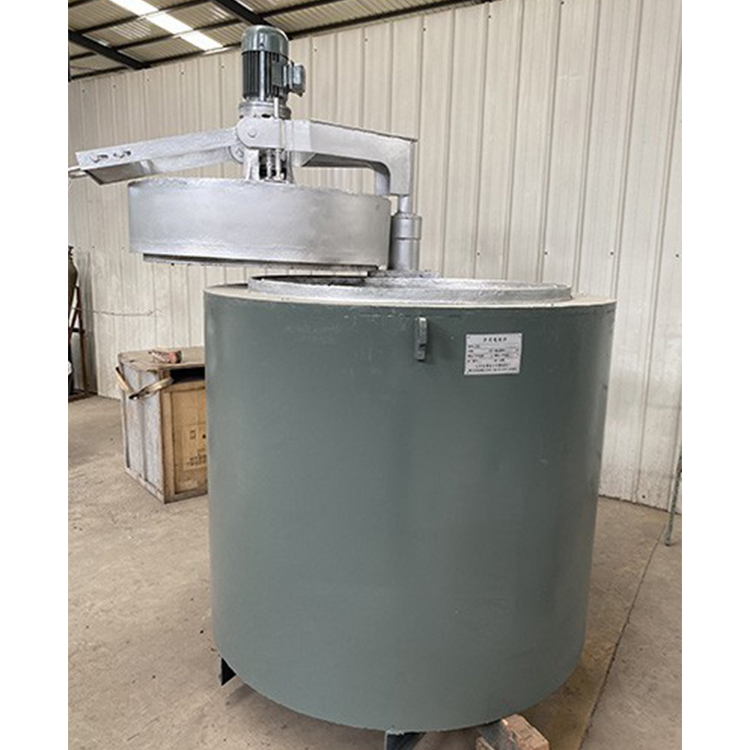

详情描述
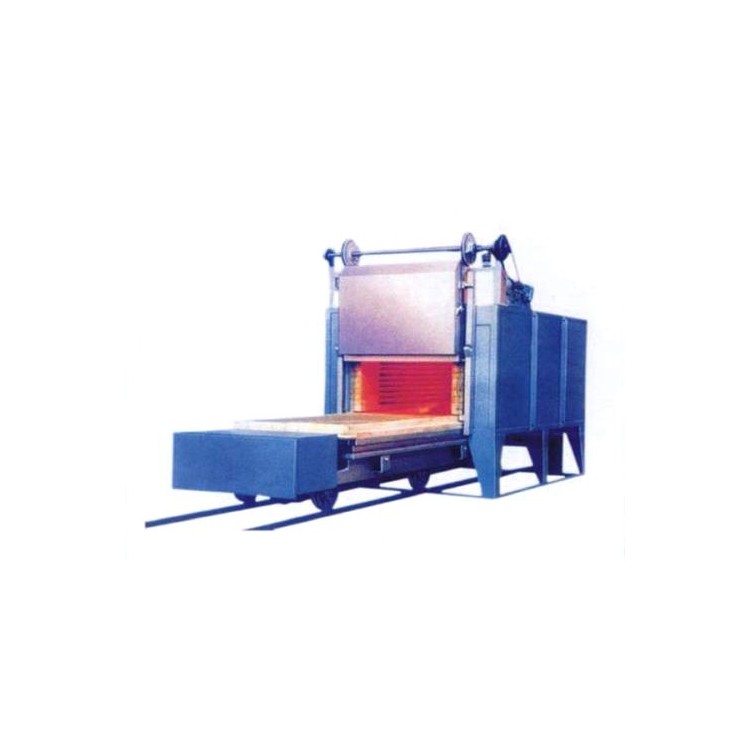
Carbonizing furnace
There are two types of heat sources for carburizing furnaces. One is the combustion of fuel for heating, which includes oil and gas; the other is electric heating. Carburizing furnaces come in two types: intermittent and continuous.
Carbonitriding furnace is a new type of energy-saving cycle operation thermal treatment electric furnace, mainly used for gas carbonitriding of steel parts. Thanks to the use of ultra-lightweight energy-saving furnace lining materials (ceramic fiber) and advanced integrated water-cooled furnace sealing fans, this series of carbonitriding furnaces offer uniform furnace temperature, rapid heating, and good insulation. The workpiece carbonitriding rate is accelerated, with a uniform carbon potential atmosphere and even carbonitriding layer. Even with increased furnace pressure, there is no leakage, enhancing production efficiency and carbonitriding quality.
Clean Furnace Body
Dust and dirt removal
Regularly clean the internal and external surfaces of the furnace to remove dust and sediment. When cleaning, use a soft bristle brush to avoid scratching the surface. For furnace surfaces with rust, sandpaper should be used to smooth the surface before applying a paint film. Additionally, during use, the furnace will produce some waste gas. As the inner walls are bound to contain a large amount of sedimented ash and solid waste, professional cleaning equipment is required to descale.
Clean furnace chamber
Regularly clean the interior of the furnace to remove dirt, exhaust gases, oxides, and other debris promptly. Do not leave any sediment in the furnace, as these impurities can cause various hindrances to the normal operation of the furnace and also increase energy consumption.
Replace Consumables
As per actual conditions, promptly replace the worn-out and fragile parts within the furnace equipment during use, such as the furnace chamber, heating plates, and protective tubes.
Lubricate furnace body
Add oil and lubricate
Regular oiling and lubrication of the furnace body is often necessary for its efficient use, as this reduces friction and extends the lifespan and efficiency of the furnace.
Maintain hydraulic systems
If the furnace equipment uses a hydraulic system, it is necessary to replace the hydraulic oil in a timely manner. Prolonged use can lead to increased moisture in the hydraulic oil, affecting the normal operation of the hydraulic system.