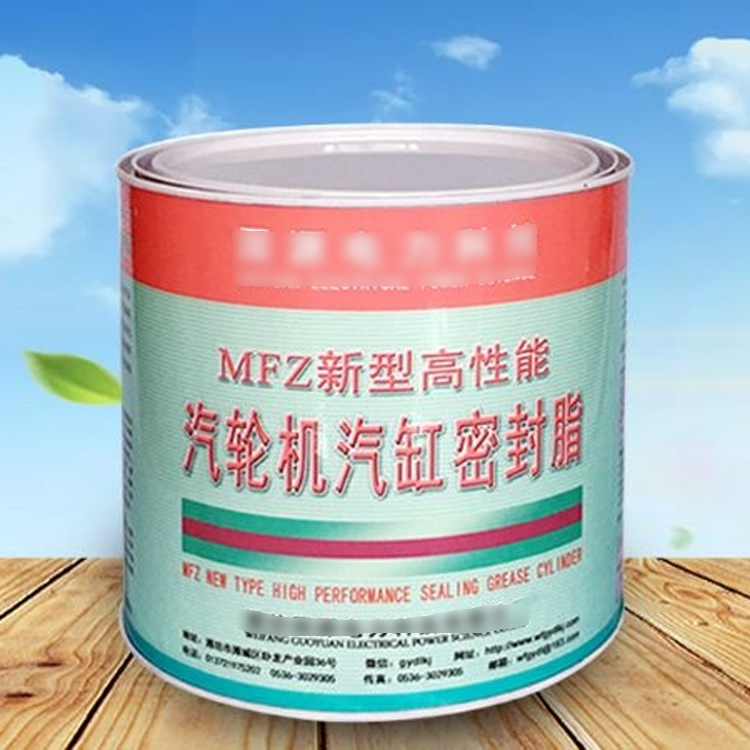
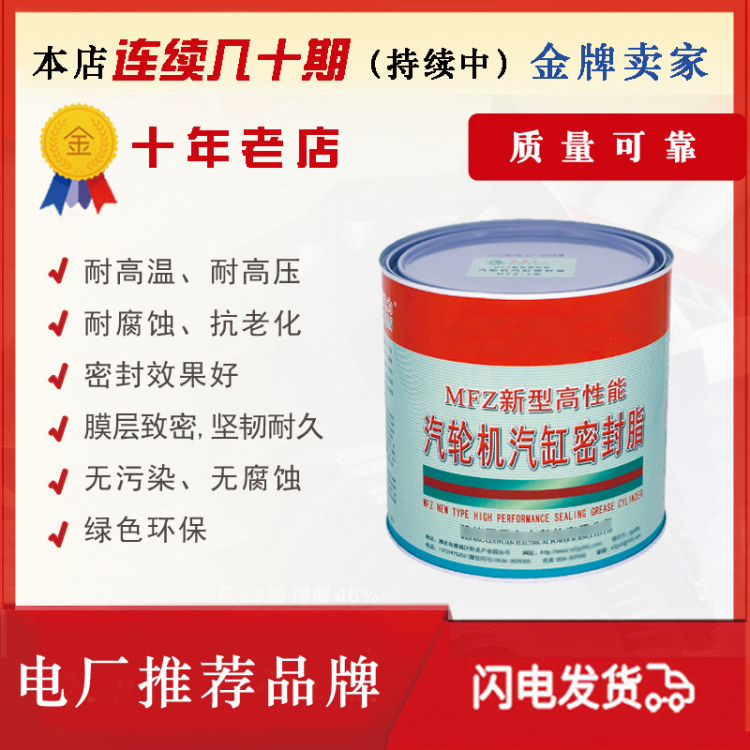
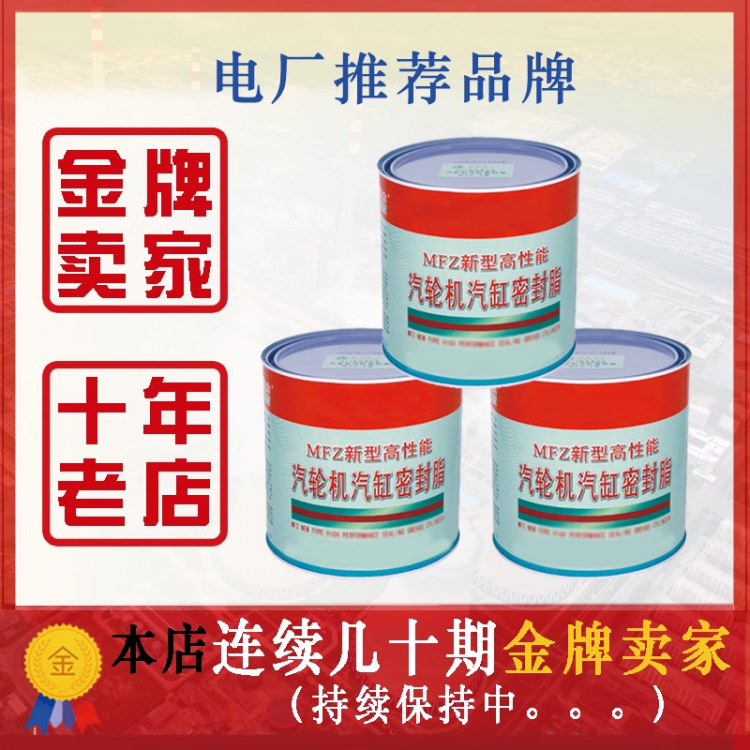
Primarily produces cylinder sealant, high-temperature anti-seizing agents, conductive grease, and other industrial adhesives.
0536-8686992

Cylinders are cast, and after manufacturing, they must undergo aging treatment, which means they need to be stored for a period of time to completely eliminate internal stresses generated during the casting process. If the aging time is short, the processed cylinders may still deform during subsequent operation, which is why some cylinders may still leak steam after leakage treatment. This is because the cylinders continue to deform.
The cylinder's operation is subjected to complex forces, including the pressure difference between the internal and external gases, as well as the weight of the various components within it, all of which are static loads. Additionally, it must withstand the reactive force from the steam escaping the static blades, and the effects of various connecting pipelines on the cylinder in both cold and hot conditions. Under the interaction of these forces, the cylinder undergoes plastic deformation, leading to leaks.
3. The rapid increase and decrease of cylinder load, particularly during quick startups, shutdowns, and operational changes, leads to significant temperature fluctuations. Incorrect preheating methods and premature removal of insulation during shutdown maintenance generate considerable thermal stress and deformation within the cylinder and on the exhaust valve seats.
During the mechanical processing or after the cylinder has been repaired by welding, stress was generated, but the cylinder was not heat-treated to eliminate it, resulting in significant residual stress within the cylinder, which causes deformation during operation.
During installation or maintenance, improper expansion gaps due to the maintenance process and technology may occur in the inner cylinder, cylinder partitions, partition sleeves, and steam seal sleeves, or in the expansion gaps of the bracket plates. This can lead to excessive expansion forces post-operation, causing deformation of the cylinder.
6. Insufficient clamping force on cylinder bolts or substandard bolt material. The tightness of the cylinder joint surface primarily relies on the clamping force of the bolts. Thermal stresses and high temperatures generated during the start-up, shutdown, or load increase/decrease of the unit can cause stress relaxation in the bolts. If the stress is insufficient, the preload of the bolts will gradually decrease. If the bolt material of the cylinder is poor, under the action of thermal stress and cylinder expansion force over a long period of operation, the bolts may elongate, undergo plastic deformation, or break, resulting in insufficient clamping force and leading to leakage in the cylinder.
The incorrect sequence of cylinder bolt tightening. Generally, cylinder bolts should be tightened from the center outwards simultaneously, either from the larger sag or the area with greater deformation under stress. This transfers the gap at the deformed location to the free ends of the cylinder front and back, gradually eliminating the gap. If tightened from the sides to the center, the gap will concentrate in the middle, causing the cylinder joint surface to form an arch gap, leading to steam leakage.
Contact us

Service Hotline
13721975202
Company Telephone
0536-8686992

Address
Shandong Province, Weifang City, Weicheng District, Xiguan Street, 101st Floor, Building 2, Junhe Yungu Weicheng Science and Technology Valley Industrial Park
b2b.china9.net © Zhongshang 114 Hebei Network Technology Co., Ltd.Address: Room 6009, Oriental New World Center, No.118 East Zhongshan Road, Qiaoxi District, Shijiazhuang City, Hebei ProvincePlatform Service Hotline: 4006299930