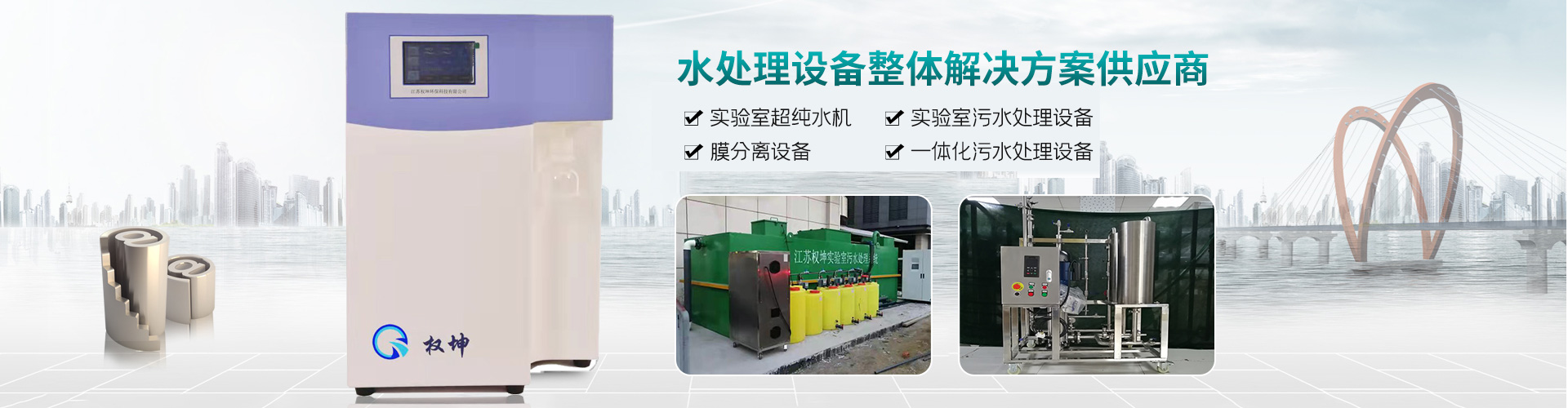
Water Treatment Equipment, Wastewater Treatment Equipment...


Product Recommendation
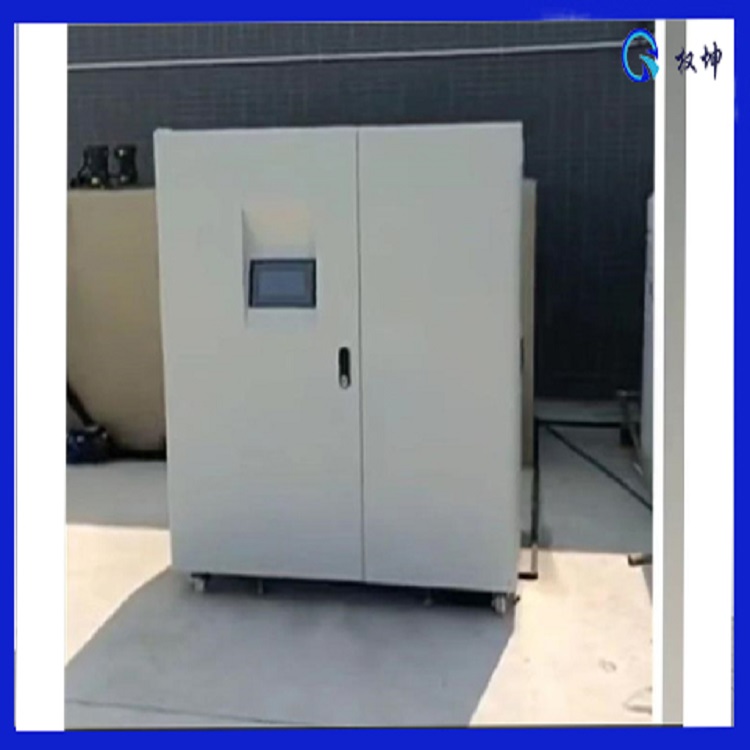
Quan Kun - Comprehensive Laboratory Waste Water Treatment Equipment - Remote Monitoring - Automated Control
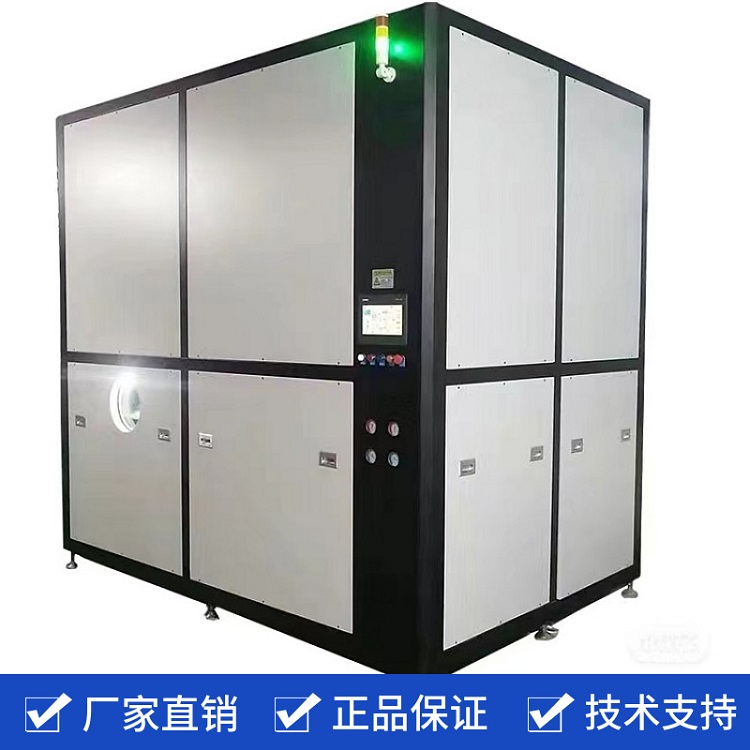
Sodium Chloride Wastewater Low-Temperature Evaporator - Intelligent Automatic - Quankun - Integrated Design
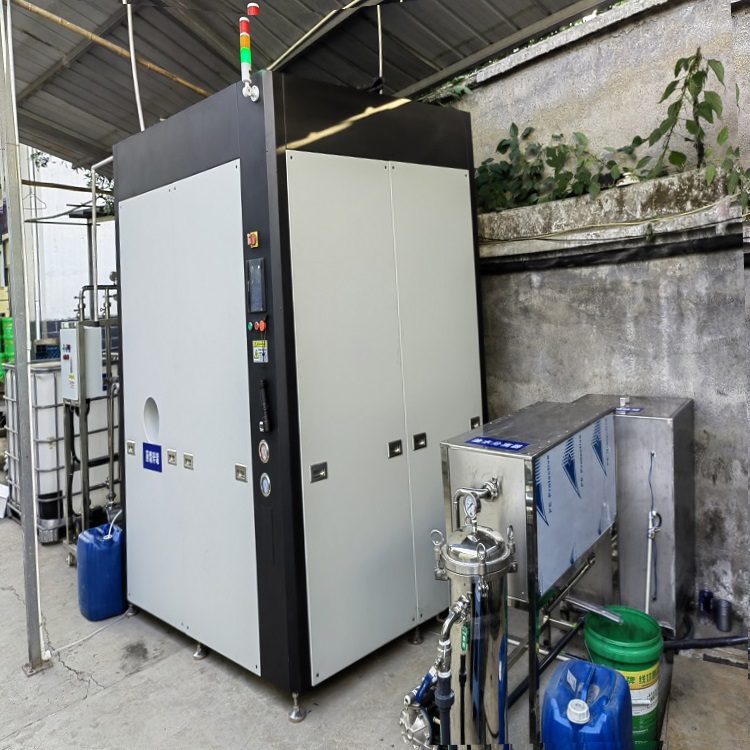
High-Concentration Oil Emulsion Waste Water Treatment Equipment - Quankun - Evaporator Unit - High Concentration Ratio
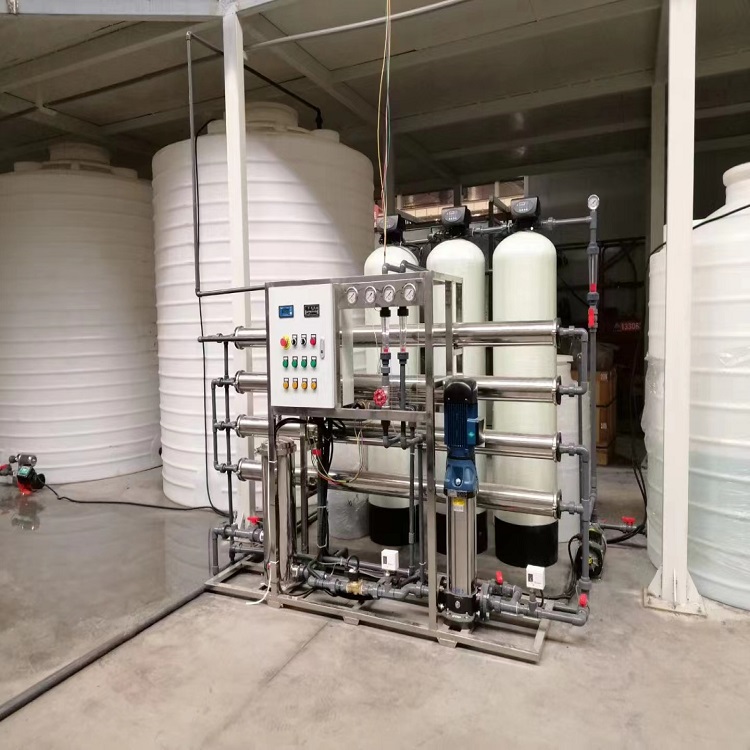
Industrial Pure Water Equipment EDI Ultra-Pure Water System Fully Automatic Control Quankun Environmental Protection
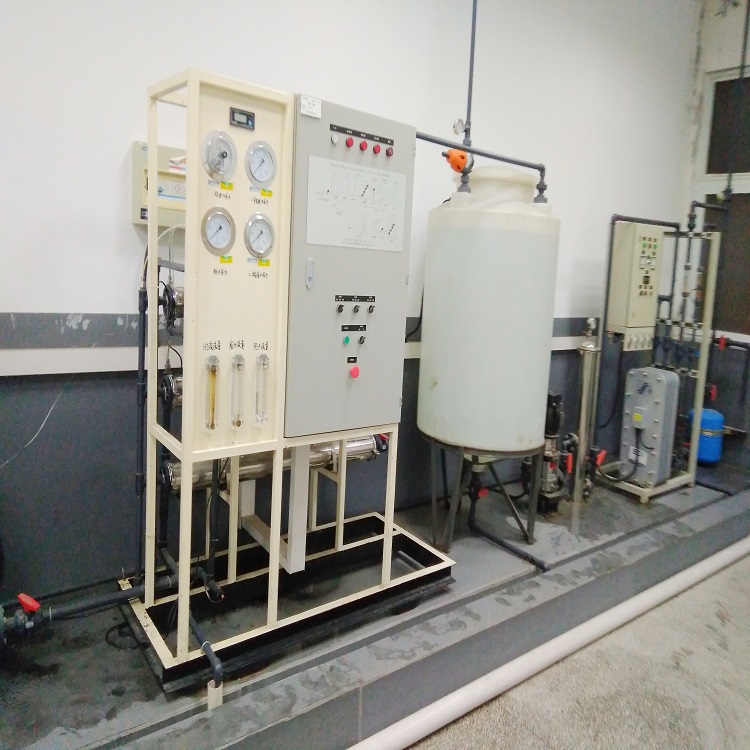
Shenzhen Industrial Ultra-Pure Water Equipment, equipped with EDI system, features low energy consumption and high degree of automation.
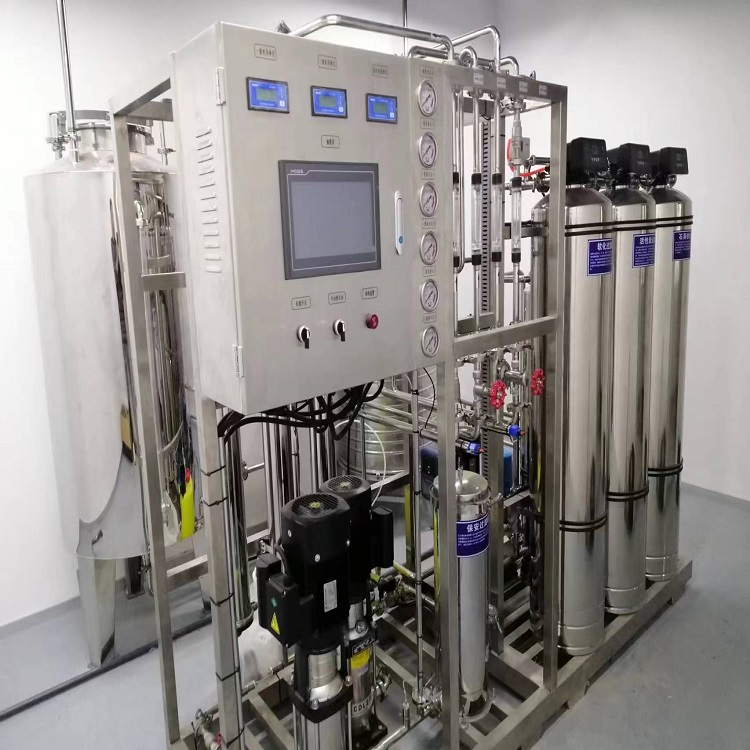
Shanghai industrial pure water production equipment reverse osmosis filtration system with high yield and customizable options, Quankun brand.
Ultrafiltration membrane equipment is a device that uses ultrafiltration membranes for material separation, with the core component being the ultrafiltration membrane. Ultrafiltration membranes are thin films with a microporous structure, typically having pore sizes ranging from 1 to 100 nanometers. They can retain large molecules, colloids, bacteria, and other substances in solutions while allowing water and small molecules to pass through. This selective separation characteristic makes ultrafiltration membrane equipment highly applicable in fields such as water treatment, food processing, and biomedicine.
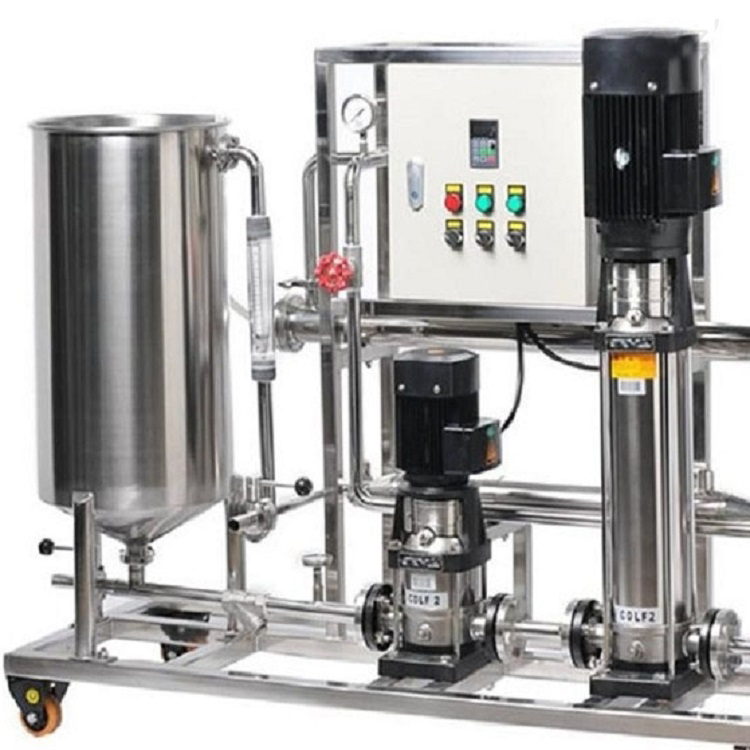
The working principle of ultrafiltration equipment primarily relies on the sieve effect and surface effect. When a liquid is driven through the ultrafiltration membrane under pressure, substances with particle sizes larger than the membrane's pore size are retained, while those smaller than the pore size pass through the membrane into the product water side. The separation process of ultrafiltration membranes is a physical process that does not require the addition of chemical agents, thus offering advantages such as simple operation, low energy consumption, and no secondary pollution. Depending on the membrane material, ultrafiltration membranes can be categorized into organic membranes and inorganic membranes. Organic membranes are mainly made of polymer materials like polysulfone, etc., which have the benefits of low cost and ease of processing; inorganic membranes, on the other hand, are made of materials such as ceramics and metal oxides, characterized by their high resistance to high temperatures, corrosion, and mechanical strength, although they are relatively more expensive.
The structure of ultrafiltration membrane equipment typically includes membrane modules, pressure vessels, pumps, piping systems, and control systems. The membrane module is the core of the ultrafiltration equipment, which can be categorized into various types such as hollow fiber, rolled, flat plate, and tubular, depending on the shape and arrangement of the membranes. Hollow fiber ultrafiltration membrane modules, composed of numerous hollow fiber membranes, offer high packing density and a small footprint, and are widely used in water treatment. Rolled ultrafiltration membrane modules, made from membrane bags, flow distributors, and central tubes, feature uniform water flow distribution and resistance to clogging. Flat plate ultrafiltration membrane modules, consisting of alternating flat membrane sheets and support plates, are easy to clean and maintain. Tubular ultrafiltration membrane modules, composed of tubular membranes and supports, are suitable for treating liquids with high solid content or high viscosity.
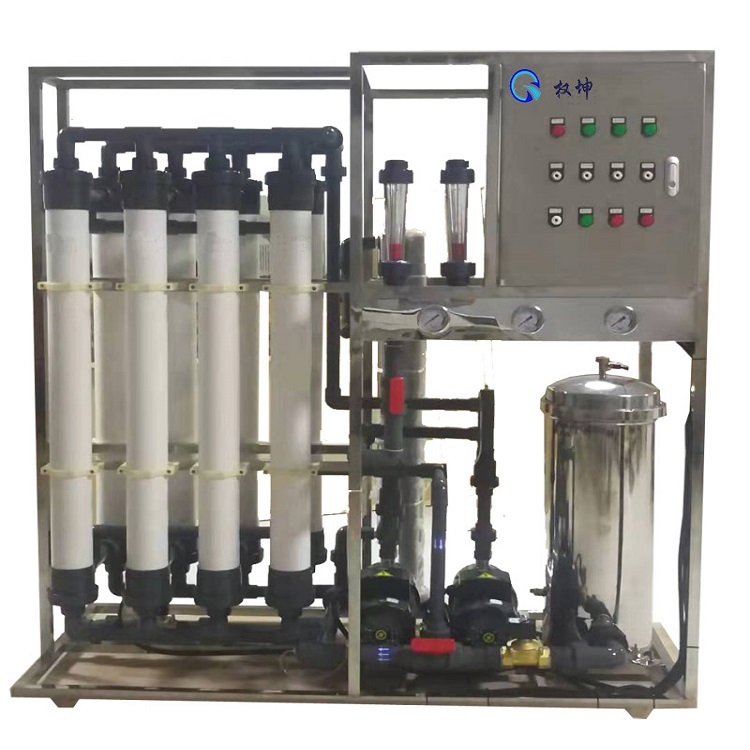
The performance parameters of ultrafiltration equipment mainly include retention molecular weight, flux, recovery rate, and anti-fouling properties. Retention molecular weight refers to the smallest molecular weight that the ultrafiltration membrane can retain over 90% of solutes, an important indicator for measuring the separation precision of the membrane; flux is the volume of liquid passing through a unit membrane area per unit time, reflecting the filtration efficiency of the membrane; recovery rate is the ratio of the water output to the water input, affecting the operating costs of the equipment; anti-fouling properties are the membrane's ability to resist the adsorption and clogging of pollutants, directly impacting the service life and cleaning frequency of the membrane.
In the water treatment field, ultrafiltration membrane equipment is primarily used for drinking water purification, wastewater treatment, and reclaimed water reuse. In drinking water purification, ultrafiltration membranes effectively remove suspended particles, colloids, bacteria, and viruses from the water, providing safe and reliable drinking water. Compared to traditional water treatment processes, ultrafiltration membrane technology offers advantages such as a small footprint, high level of automation, and stable water quality output. In wastewater treatment, ultrafiltration membranes can serve as the core component of a membrane bioreactor (MBR), combining biological degradation with membrane separation to significantly improve water quality and achieve the reuse of wastewater resources. In reclaimed water reuse, ultrafiltration membranes can remove most pollutants from the water, providing excellent feed conditions for subsequent reverse osmosis treatment.
In the food industry, ultrafiltration membrane equipment is widely used in processes such as juice clarification, dairy processing, and wine refining. In juice clarification, ultrafiltration membranes can remove large molecular substances like pectin and proteins from the juice, enhancing its clarity and stability while preserving the juice's flavor and nutritional value. In dairy processing, ultrafiltration membranes can be used for milk concentration and whey protein recovery, boosting the product's value-added. In wine refining, these membranes can remove impurities and bacteria from the wine, extending its shelf life and improving its taste.
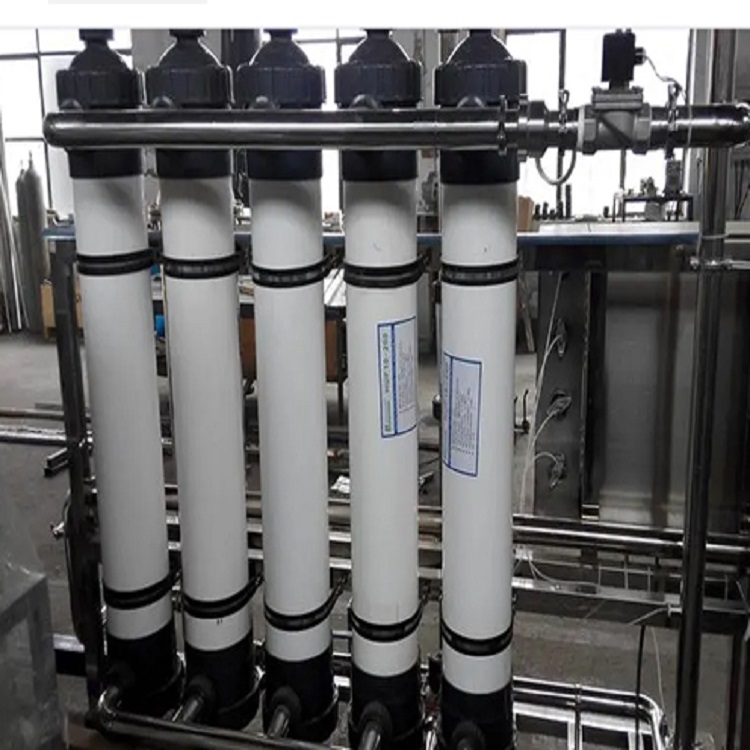
In the biopharmaceutical field, ultrafiltration membrane equipment is primarily used for the separation and purification of biomacromolecules such as proteins, enzymes, and vaccines. Ultrafiltration membranes can selectively separate based on the molecular weight of the target product, offering advantages such as mild operating conditions and minimal loss of product activity. Moreover, ultrafiltration membranes can also be used in processes like hemodialysis and traditional Chinese medicine extraction, making significant contributions to the cause of human health.


b2b.china9.net © Zhongshang 114 Hebei Network Technology Co., Ltd.Address: Room 6009, Oriental New World Center, No.118 East Zhongshan Road, Qiaoxi District, Shijiazhuang City, Hebei ProvincePlatform Service Hotline: 4006299930