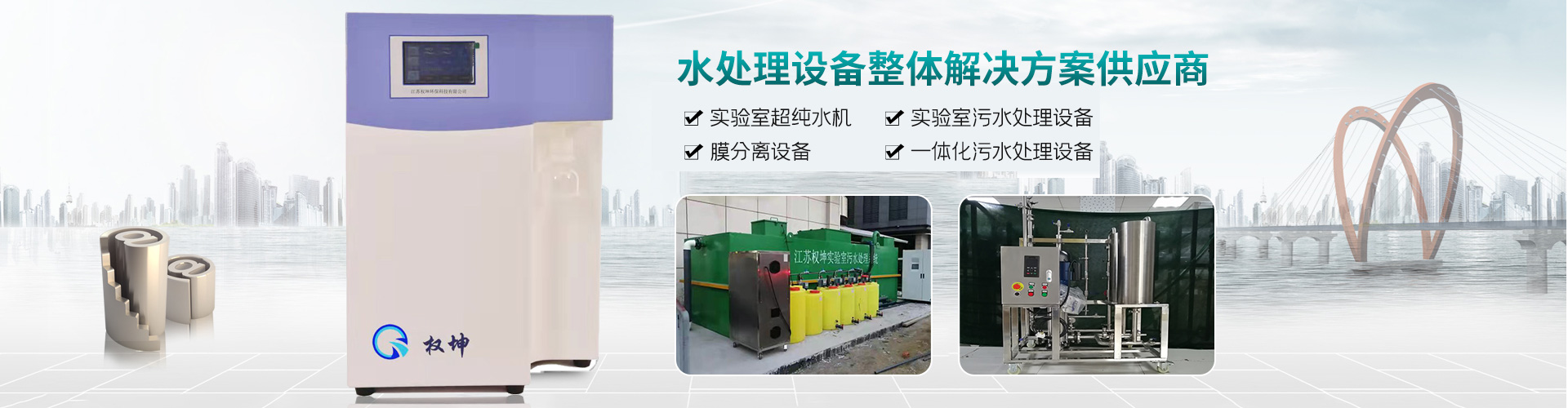
Water Treatment Equipment, Wastewater Treatment Equipment...


Product Recommendation
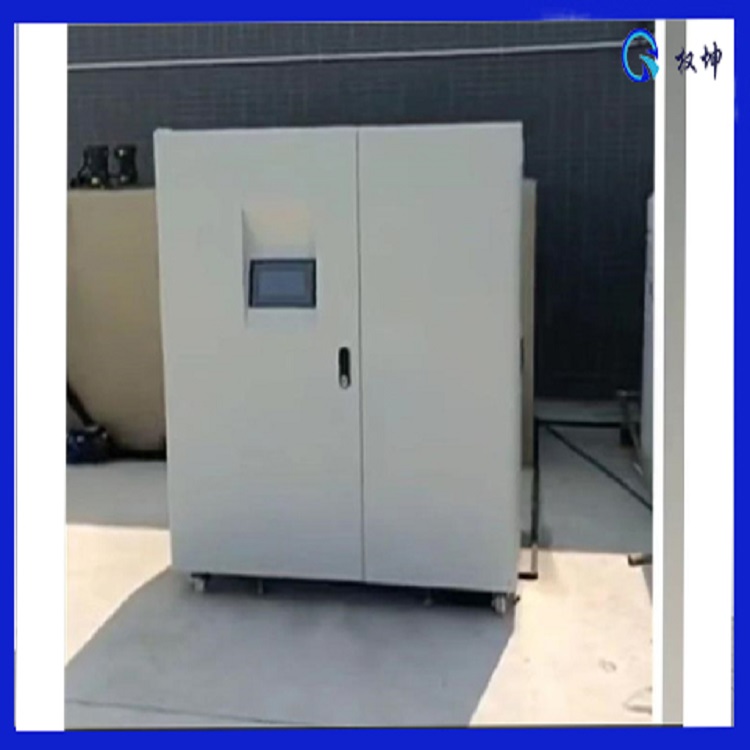
Quan Kun - Comprehensive Laboratory Waste Water Treatment Equipment - Remote Monitoring - Automated Control
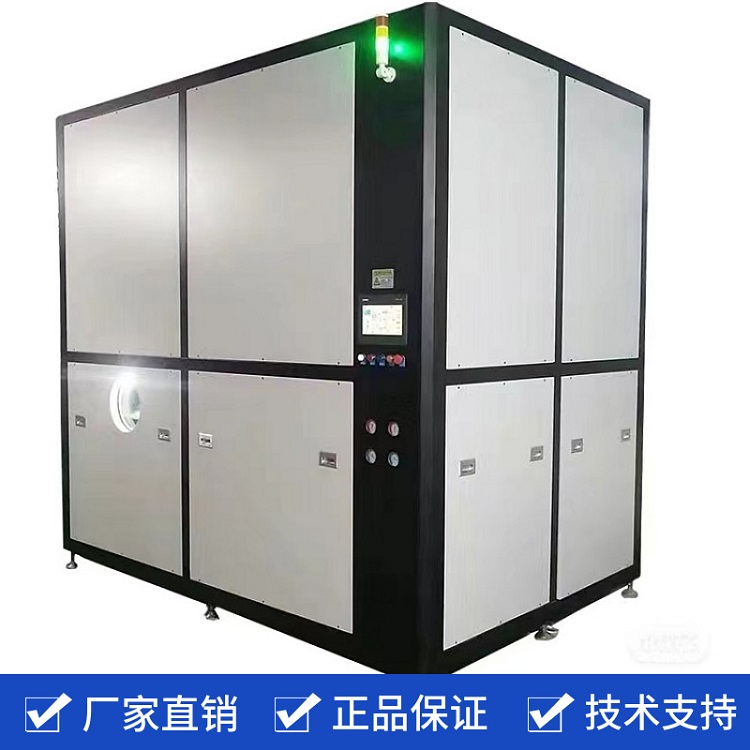
Sodium Chloride Wastewater Low-Temperature Evaporator - Intelligent Automatic - Quankun - Integrated Design
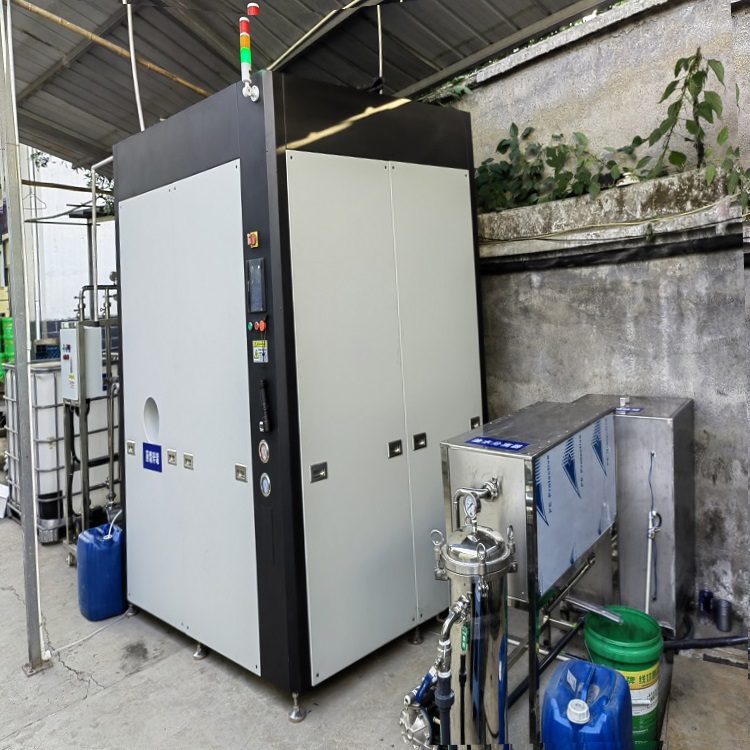
High-Concentration Oil Emulsion Waste Water Treatment Equipment - Quankun - Evaporator Unit - High Concentration Ratio
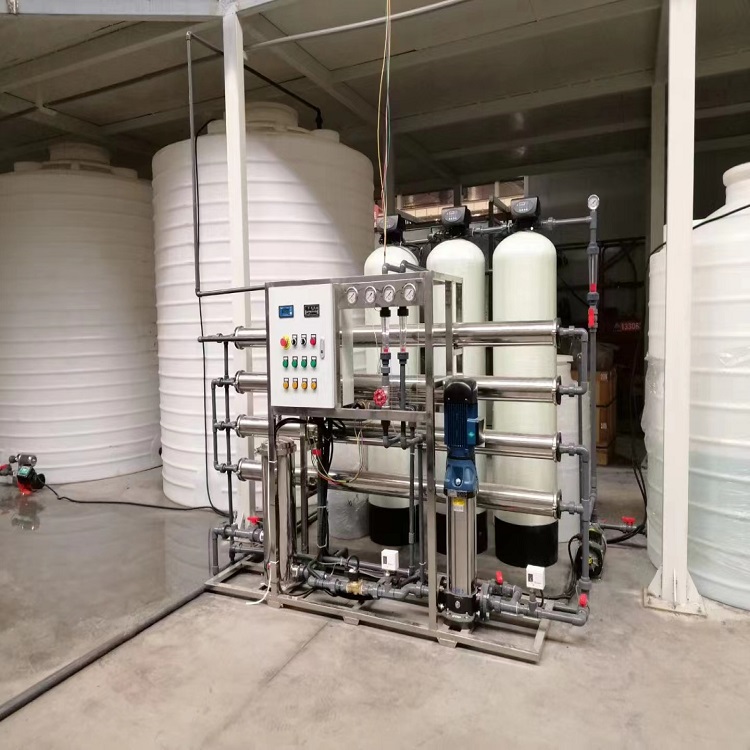
Industrial Pure Water Equipment EDI Ultra-Pure Water System Fully Automatic Control Quankun Environmental Protection
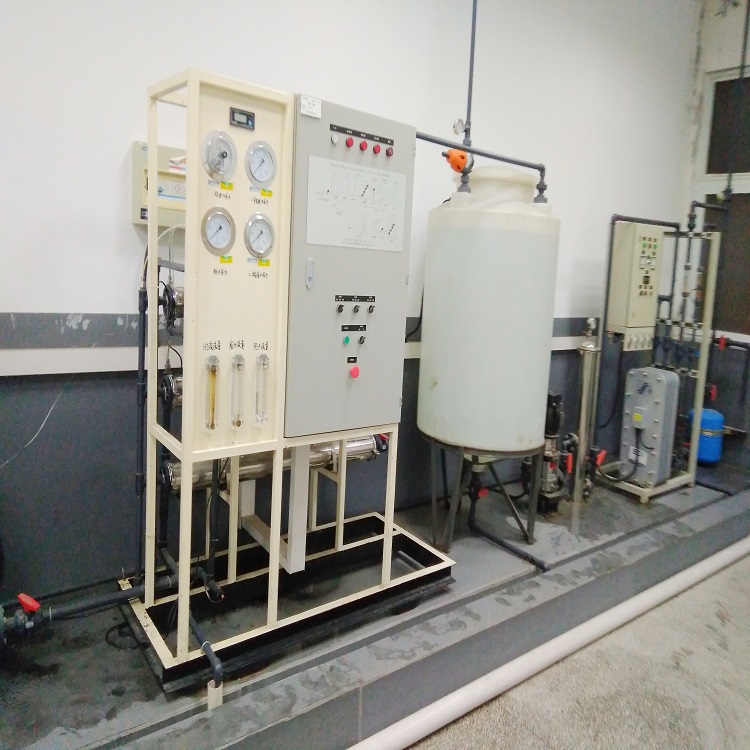
Shenzhen Industrial Ultra-Pure Water Equipment, equipped with EDI system, features low energy consumption and high degree of automation.
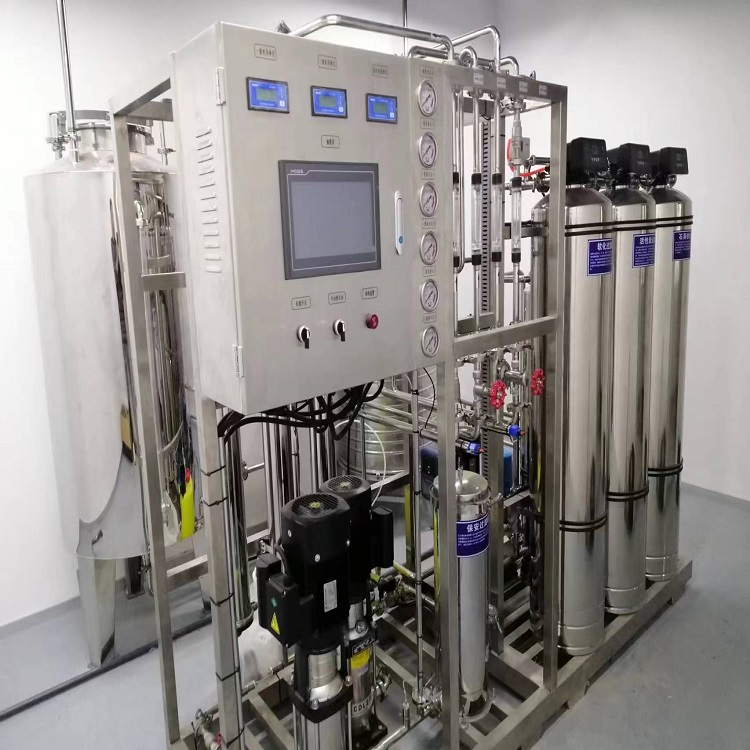
Shanghai industrial pure water production equipment reverse osmosis filtration system with high yield and customizable options, Quankun brand.
In today's increasingly environmentally conscious world, wastewater treatment technology is of paramount importance. Flocculants, as key materials in wastewater treatment, play an indispensable role. Whether dealing with industrial wastewater or domestic sewage, flocculants can effectively remove suspended solids, colloidal particles, and certain dissolved pollutants, significantly improving water quality. There is a wide variety of flocculants available, including inorganic, organic polymer, and natural polymer flocculants, each with its unique application scenarios and advantages.
Inorganic flocculants are among the earliest types of flocculants widely used in wastewater treatment, primarily including aluminum and iron salts. Common examples are aluminum sulfate, polyaluminum chloride (PAC), ferric sulfate, and polyferrous sulfate (PFS). These inorganic flocculants produce positively charged metal hydroxide colloids through hydrolysis, which neutralize negatively charged colloidal particles in water, thereby disrupting colloidal stability and causing them to agglomerate into larger flocs. These flocs settle under gravity and are eventually removed through sedimentation or filtration. The advantages of inorganic flocculants are their low cost and effective treatment, especially suitable for high turbidity wastewater. However, they also have some drawbacks, such as producing a large amount of sludge and potentially significantly affecting water pH in certain cases. Organic high molecular weight flocculants are another important category of flocculants, including synthetic high molecular weight flocculants and natural high molecular weight flocculants. Synthetic high molecular weight flocculants, such as polyacrylamide (PAM), are widely used due to their long molecular chains and strong adsorption bridging ability. They bind multiple colloidal particles with active groups on their long chains to form larger flocs, thereby accelerating the sedimentation process. Polyacrylamide can be categorized into cationic, anionic, and non-ionic types based on its ionic properties, making it suitable for different types of wastewater treatment. Cationic polyacrylamide is particularly suitable for treating negatively charged colloidal particles, such as urban wastewater and papermaking wastewater; anionic types are commonly used in mineral processing and metallurgical wastewater treatment; and non-ionic types can function over a wide pH range.
Natural high molecular weight flocculants are a type of environmentally friendly flocculants, mainly including starch, chitosan, and cellulose derivatives. These materials are derived from natural products and possess biodegradable, non-toxic, and harmless characteristics, making them particularly suitable for high-safety-demanding fields such as food processing and drinking water treatment. Chitosan, a polysaccharide extracted from the shells of crustaceans, can effectively remove suspended matter and heavy metal ions from water due to its high content of amino groups, which allows for charge neutralization and adsorption bridging. Starch and its derivatives are of interest due to their wide availability and low cost, and their flocculating properties can be further enhanced through chemical modification. The drawback of natural high molecular weight flocculants is their poor stability, susceptibility to pH and temperature changes, and generally inferior flocculating effects compared to synthetic high molecular weight flocculants.
In practical applications, the selection of flocculants requires comprehensive consideration based on the characteristics of the wastewater and the treatment objectives. The pH level, temperature, turbidity, organic content, and types of pollutants present in the wastewater all affect the effectiveness of flocculants. For instance, for highly turbid surface water, inorganic flocculants such as polymers may be more suitable; whereas for industrial wastewater containing a large amount of organics, organic高分子 flocculants might be more effective. Additionally, the dosage of flocculants is a critical factor; over-dosing not only increases treatment costs but can also lead to the re-stabilization of colloidal particles, thereby reducing the treatment efficiency. Therefore, it is typically necessary to determine the optimal dosage through laboratory pilot tests or on-site trials.
The use of flocculants in wastewater treatment extends beyond primary processing and is often combined with other treatment processes. For instance, adding flocculants before biological treatment can remove some hard-to-degrade organic matter, alleviating the burden on subsequent biological treatment; in advanced treatment, flocculants can further remove trace pollutants from water, enhancing the quality of the effluent. Moreover, flocculants are commonly employed in sludge dewatering, improving the settling and filtration properties of sludge to reduce its volume and lower disposal costs. Despite the excellent performance of flocculants in wastewater treatment, their use also presents some challenges. Firstly, certain synthetic high molecular weight flocculants, such as polyacrylamide monomers, are toxic and may pose potential risks to both the environment and human health. Therefore, the development of low-toxic or nontoxic, efficient flocculants has become a hot research topic. Secondly, the treatment and disposal of sludge generated during the flocculation process is also a difficult problem. The sludge may contain heavy metals and other harmful substances, requiring proper handling to avoid secondary pollution.
The role of flocculants in wastewater treatment extends beyond technical aspects, holding significant economic and social value. The use of efficient flocculants can reduce energy consumption and costs in wastewater treatment, enhance efficiency, and thereby save substantial expenses for businesses. Additionally, by improving effluent water quality, flocculants contribute to reducing pollutant emissions, protecting water ecosystems, and promoting sustainable development. In regions with water scarcity, deeply treated wastewater can even be reused for industrial or agricultural purposes, alleviating water resource stress.


b2b.china9.net © Zhongshang 114 Hebei Network Technology Co., Ltd.Address: Room 6009, Oriental New World Center, No.118 East Zhongshan Road, Qiaoxi District, Shijiazhuang City, Hebei ProvincePlatform Service Hotline: 4006299930