



- AllProduct Category
-
Lab Wastewater Treatment Equipment
Lab Wastewater Treatment Equipment
Ultra-Pure Water Equipment
Membrane Separation Equipment
Pure Water Equipment
Low-Temperature Evaporator
Ultra-Pure Water System
Integrated Wastewater Treatment Equipment
Reverse Osmosis Equipment
Pure Water Equipment
Ceramic Membrane Equipment



Recommended Products
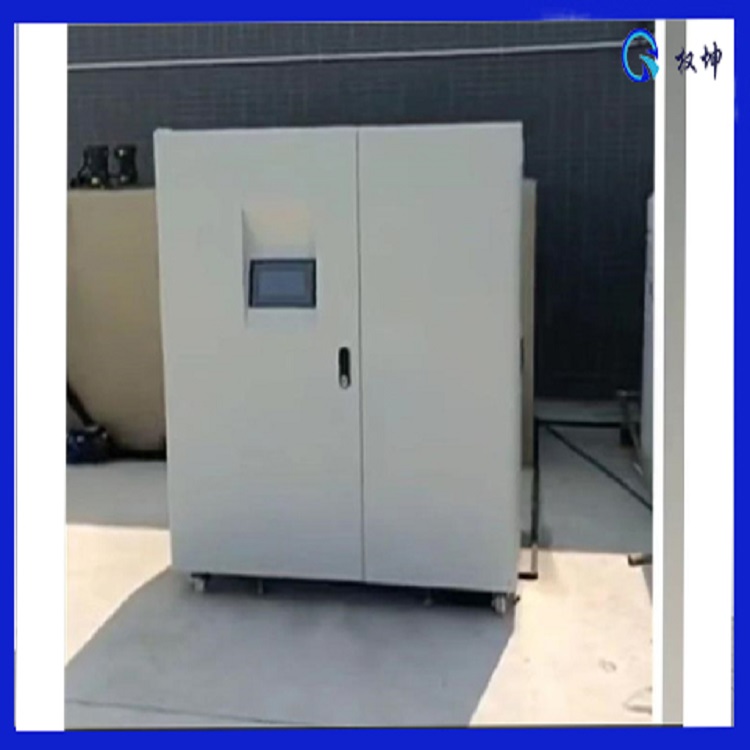
Quan Kun - Comprehensive Laboratory Waste Water Treatment Equipment - Remote Monitoring - Automated Control
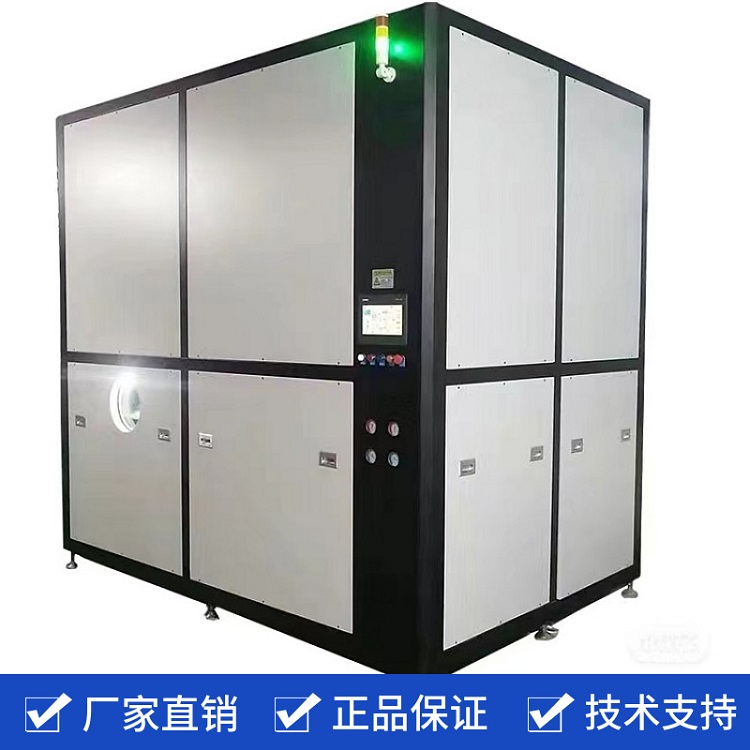
Sodium Chloride Wastewater Low-Temperature Evaporator - Intelligent Automatic - Quankun - Integrated Design
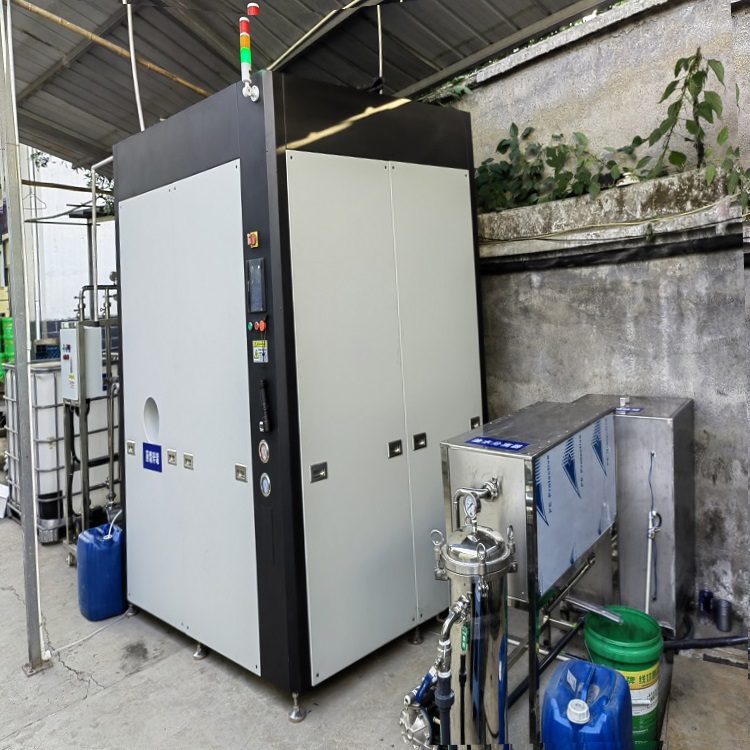
High-Concentration Oil Emulsion Waste Water Treatment Equipment - Quankun - Evaporator Unit - High Concentration Ratio
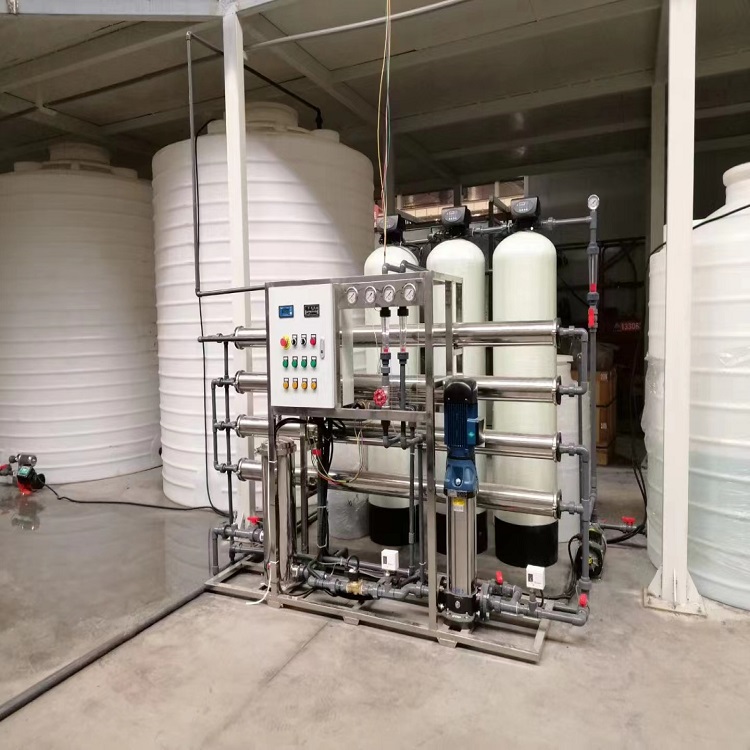
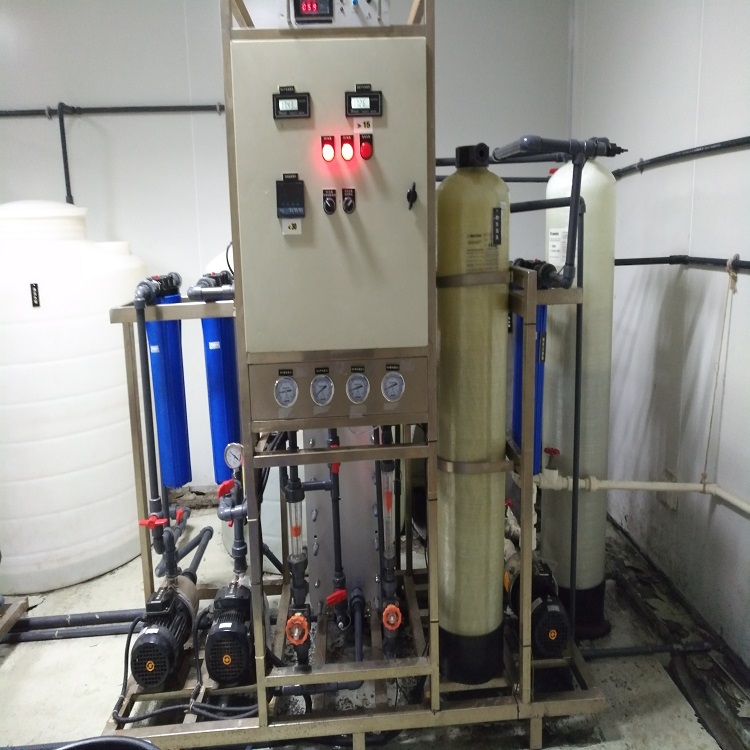
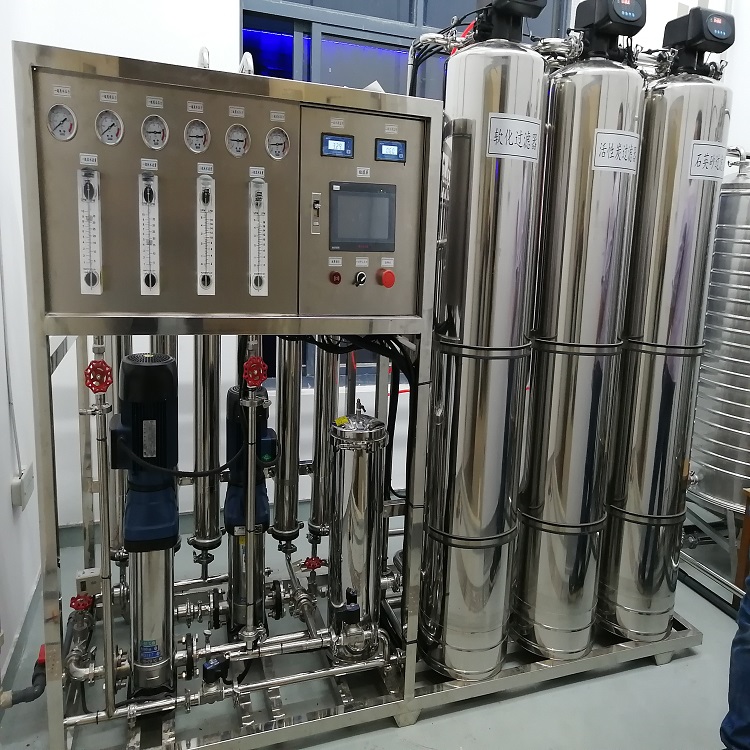
Industrial Pure Water Equipment EDI Ultra-Pure Water System Fully Automatic Control Quankun Environmental Protection
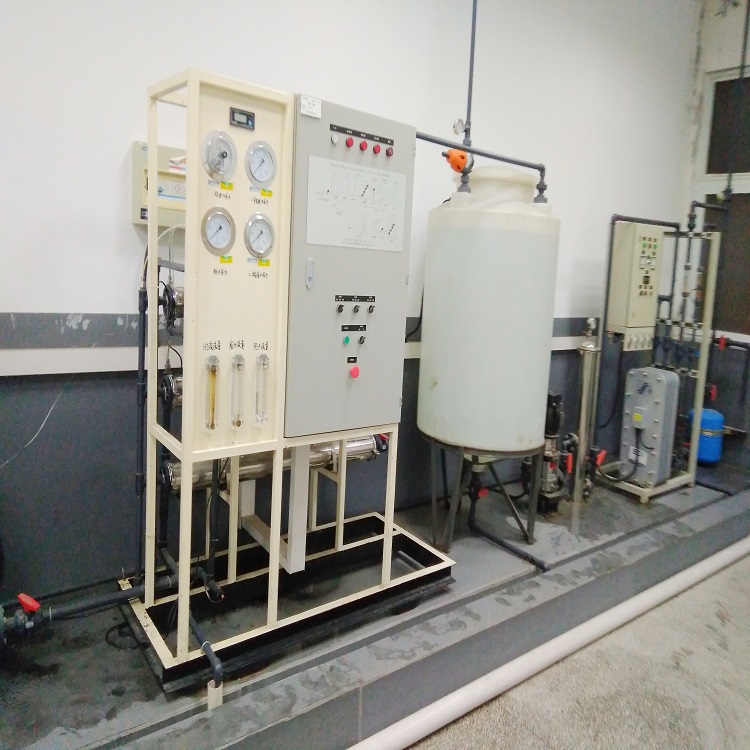
Shenzhen Industrial Ultra-Pure Water Equipment, equipped with EDI system, features low energy consumption and high degree of automation.
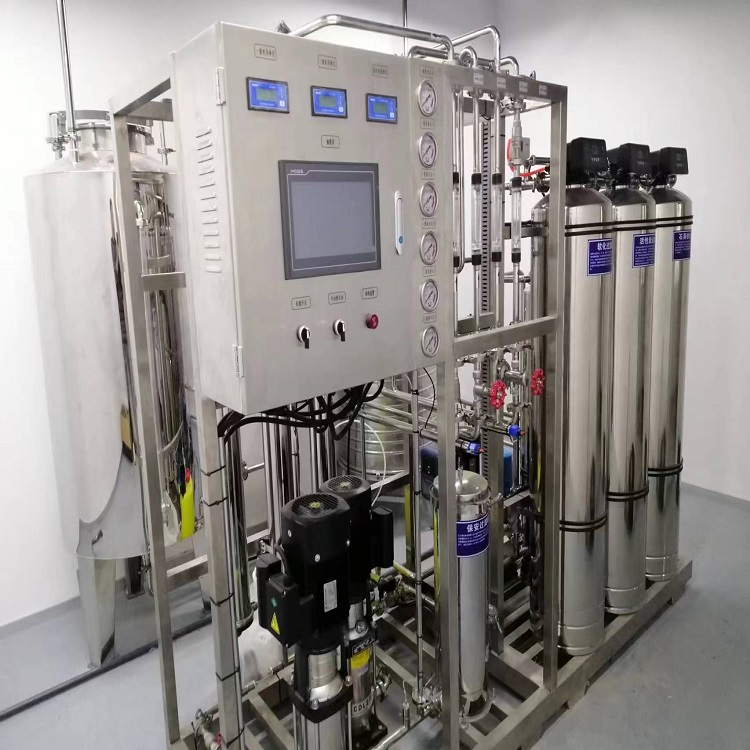
Shanghai industrial pure water production equipment reverse osmosis filtration system with high yield and customizable options, Quankun brand.
详情描述
Shenzhen Industrial Ultra-Pure Water Equipment with EDI System, Low Energy Consumption, and High Automation Level
Pure water systems can be categorized into various types based on factors such as application, scale, and technical routes. By application, they mainly include laboratory pure water systems, industrial pure water systems, and medical pure water systems; by size, they can be small residential water purifiers, medium commercial pure water systems, and large-scale industrial pure water units; from a technical perspective, they can be single-stage reverse osmosis systems, multi-stage reverse osmosis + EDI systems, and ultrafiltration + reverse osmosis combination systems. Each type has its specific application scenarios and advantages.
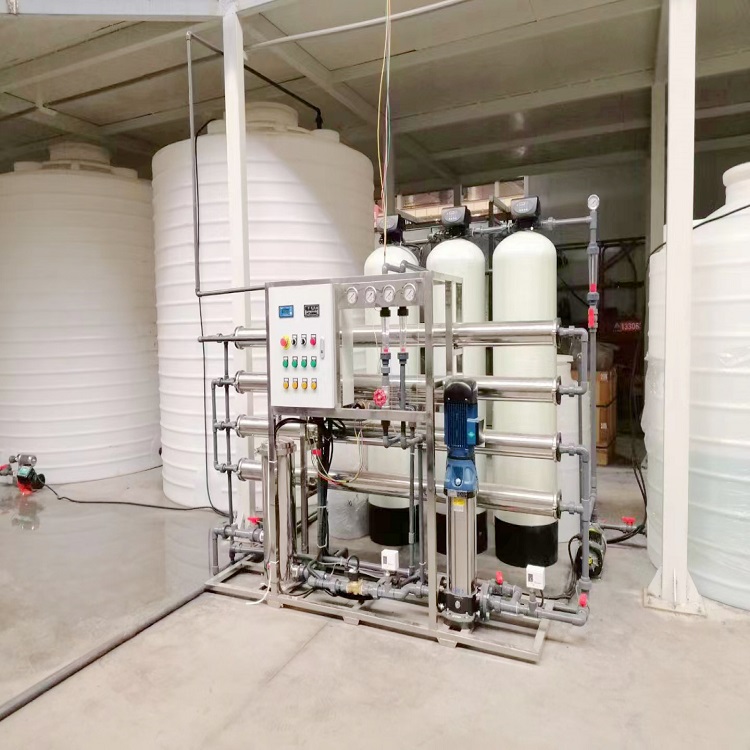
Equipment Advantages:
One of the core technologies in pure water production, reverse osmosis membranes effectively retain over 95% of dissolved salts, organics, and microorganisms in water, crucial for achieving high-purity water quality.
2. EDI technology combines the advantages of electrodialysis and ion exchange, enabling the continuous production of high resistivity water without the need for acid-base regeneration, further enhancing the quality of pure water.
3. Featuring multi-media filtration, activated carbon adsorption, and softening processes, designed to remove suspended particles, colloids, residual chlorine, etc., to protect downstream treatment units from contamination.
4. UV sterilization and ozone oxidation, used to eliminate or remove residual microorganisms and organic matter from water, ensuring the final effluent is safe and harmless.
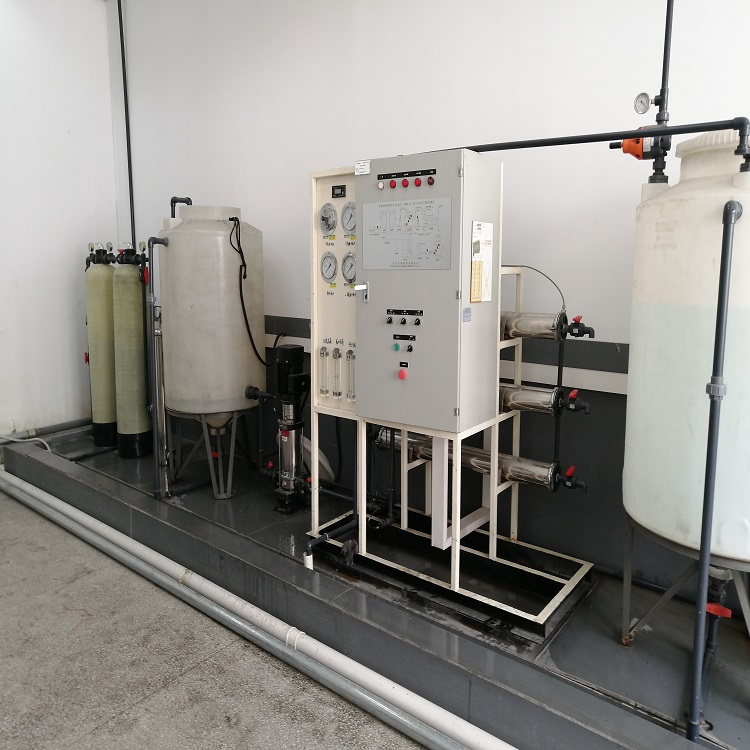
Technical Principles and Core Components:
The core of the Reverse Osmosis (RO) system is the semi-permeable membrane, with a pore size of just 0.1 nanometers, capable of effectively blocking over 99% of dissolved solids, heavy metal ions, and microorganisms in water. A typical system consists of a pretreatment unit, a high-pressure pump, a reverse osmosis membrane module, and a post-treatment unit. Pretreatment usually includes quartz sand filtration, activated carbon adsorption, and precision filtration to remove substances like suspended particles and residual chlorine that could damage the membrane elements. The high-pressure pump provides the necessary pressure for membrane separation (usually 6-20 bar), while the post-treatment phase may involve ultraviolet sterilization or mineralization to adjust the pH value.
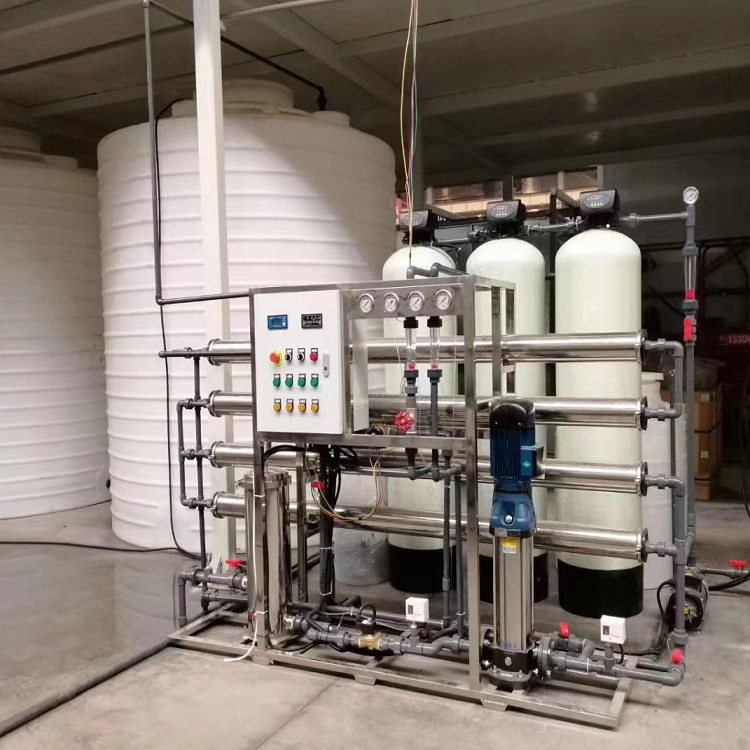
Key Points for System Design and Operations
Pre-treatment Unit: Sand and carbon filtration can remove suspended particles and residual chlorine, extending the lifespan of subsequent membrane components.
Data Monitoring: Real-time monitoring of parameters such as TDS, pH, and pressure, with IoT technology enabling remote alarms. Maintenance Costs: While EDI technology has a higher initial investment, it can reduce chemical reagent consumption by 60% compared to traditional mixed beds.
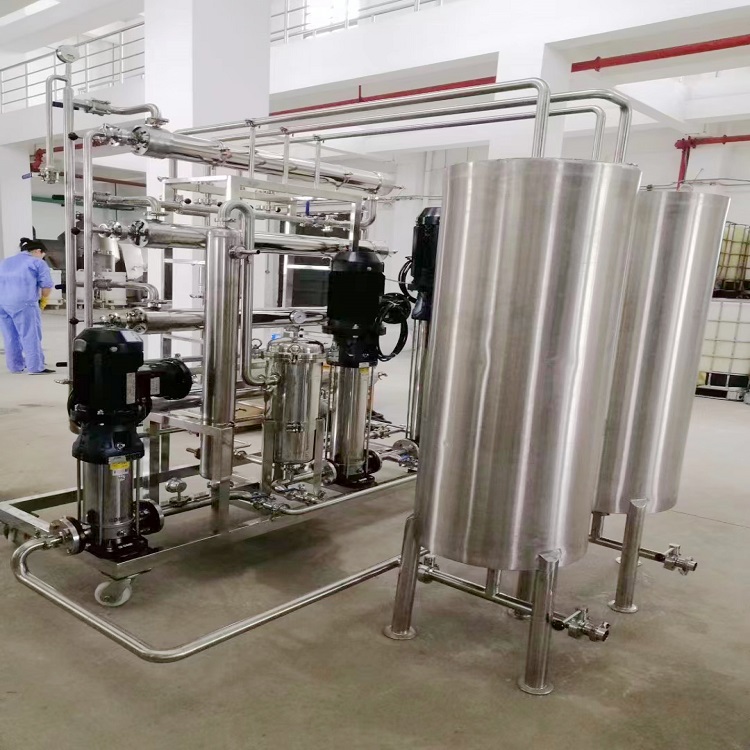
Choosing the right pure water system is crucial for food factories, and the following factors should be considered:
Determine the required water quality standards based on specific food production needs, such as conductivity, pH levels, and microbiological criteria.
Based on production scale and water consumption, calculate the treatment capacity of the pure water system to ensure it meets daily production demands.
Including energy consumption, consumables replacement, and maintenance costs, a comprehensive assessment of long-term operational costs is required.
Consider the factory space layout and choose an appropriate installation method, such as integrated or modular design.
Choose suppliers with a robust after-sales service system to ensure stable system operation and timely fault resolution.
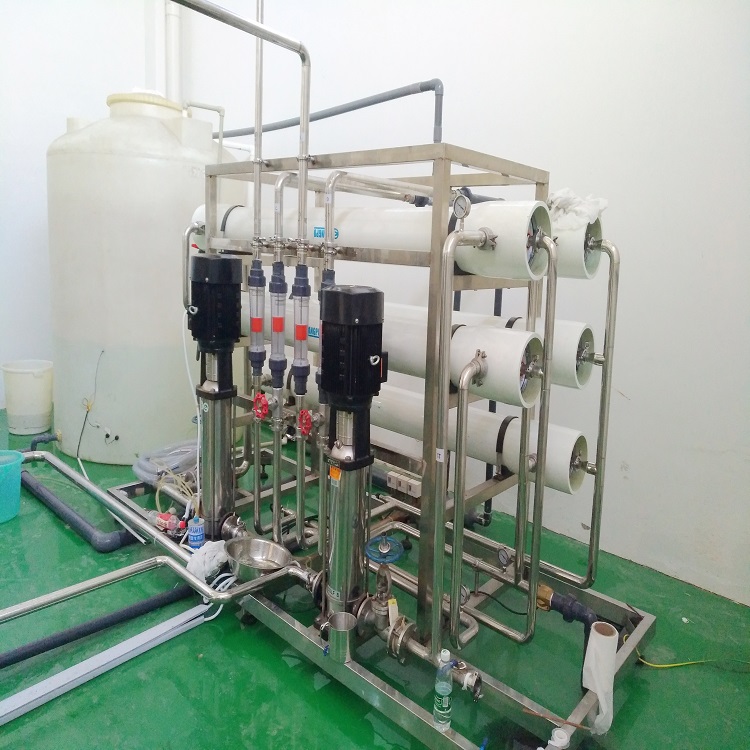 Shenzhen Industrial Ultra-Pure Water Equipment, featuring EDI system, low energy consumption, and high level of automation.
In terms of equipment maintenance, users should pay attention to the following points. Firstly, equipment should be regularly cleaned and disinfected. As dirt and microorganisms accumulate during use, regular cleaning and disinfection are necessary to ensure proper equipment operation and water quality safety. Secondly, users should regularly check if all equipment components are functioning correctly. Damages or aging of components like high-pressure pumps, membrane modules, and electrodes can affect performance and water quality. Therefore, users need to regularly inspect these components and replace any damaged ones promptly. Additionally, users should also be mindful of the equipment's operating environment, such as temperature and humidity, to ensure optimal performance.


