Water Treatment Equipment, Wastewater Treatment Equipment...


Product Recommendation
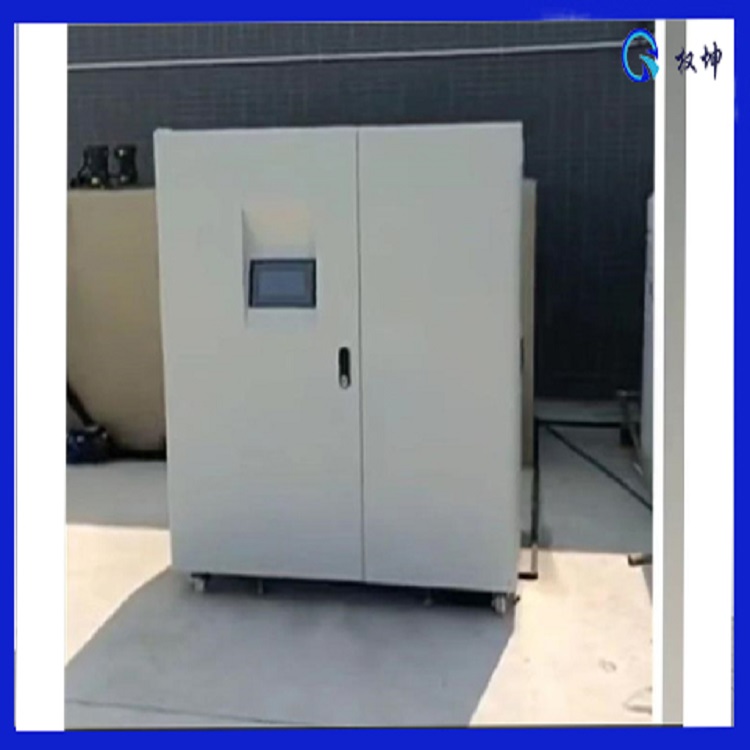
Quan Kun - Comprehensive Laboratory Waste Water Treatment Equipment - Remote Monitoring - Automated Control
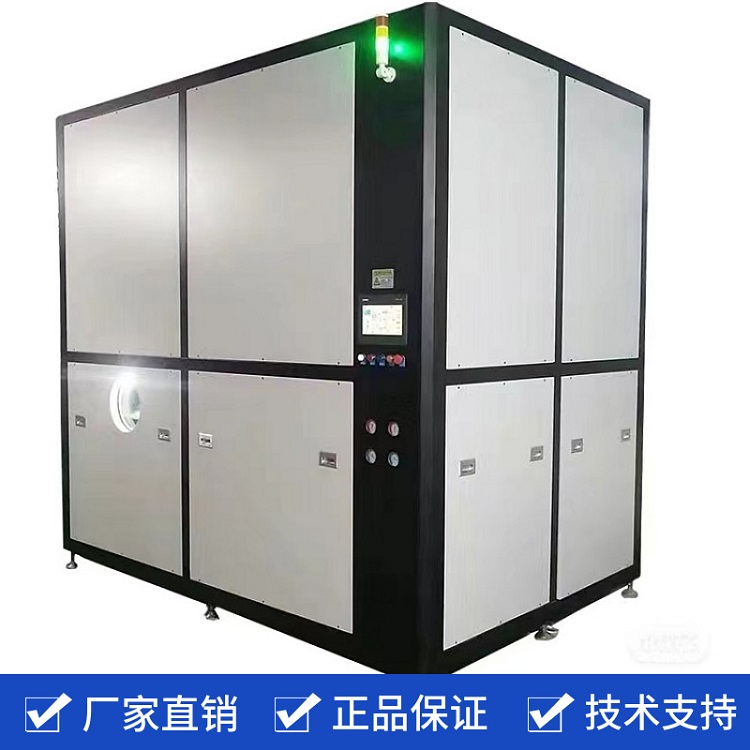
Sodium Chloride Wastewater Low-Temperature Evaporator - Intelligent Automatic - Quankun - Integrated Design
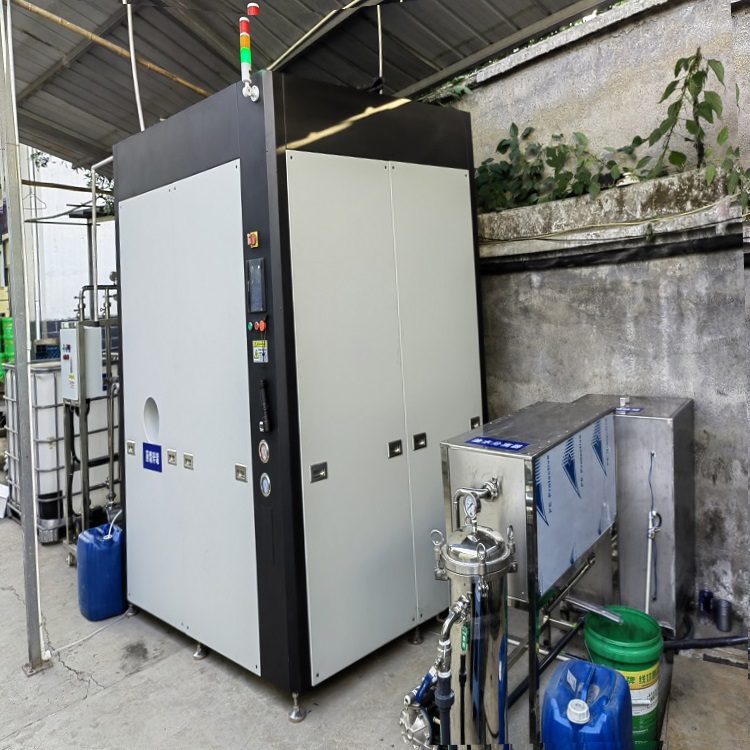
High-Concentration Oil Emulsion Waste Water Treatment Equipment - Quankun - Evaporator Unit - High Concentration Ratio
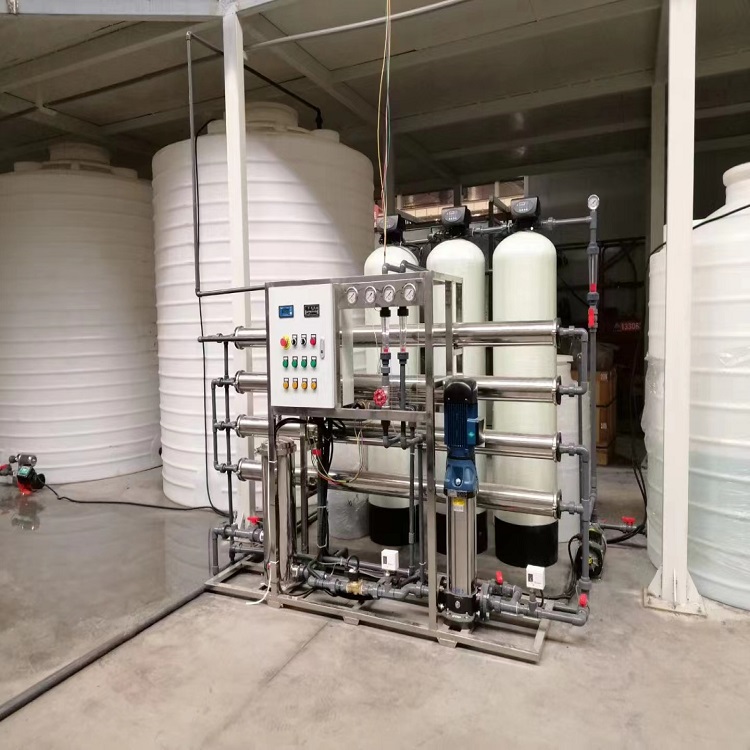
Industrial Pure Water Equipment EDI Ultra-Pure Water System Fully Automatic Control Quankun Environmental Protection
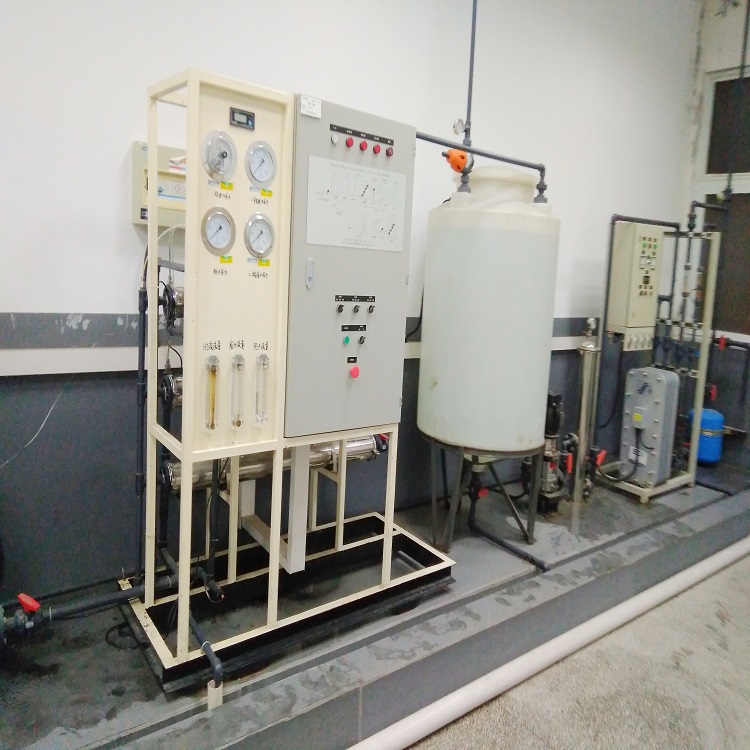
Shenzhen Industrial Ultra-Pure Water Equipment, equipped with EDI system, features low energy consumption and high degree of automation.
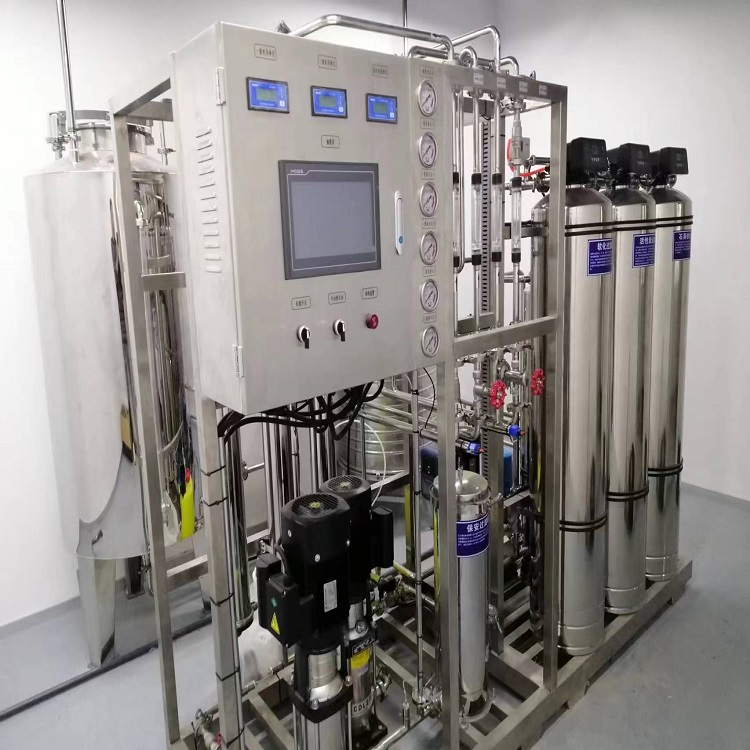
Shanghai industrial pure water production equipment reverse osmosis filtration system with high yield and customizable options, Quankun brand.
Laboratory wastewater treatment technology, as a crucial component of environmental protection and scientific research safety, directly impacts the efficiency, cost, and compliance of wastewater treatment. With increasingly stringent environmental regulations and the diversification of scientific research activities, the selection of treatment processes, equipment intelligence, and resource utilization in laboratory wastewater treatment have become the focal points of the industry.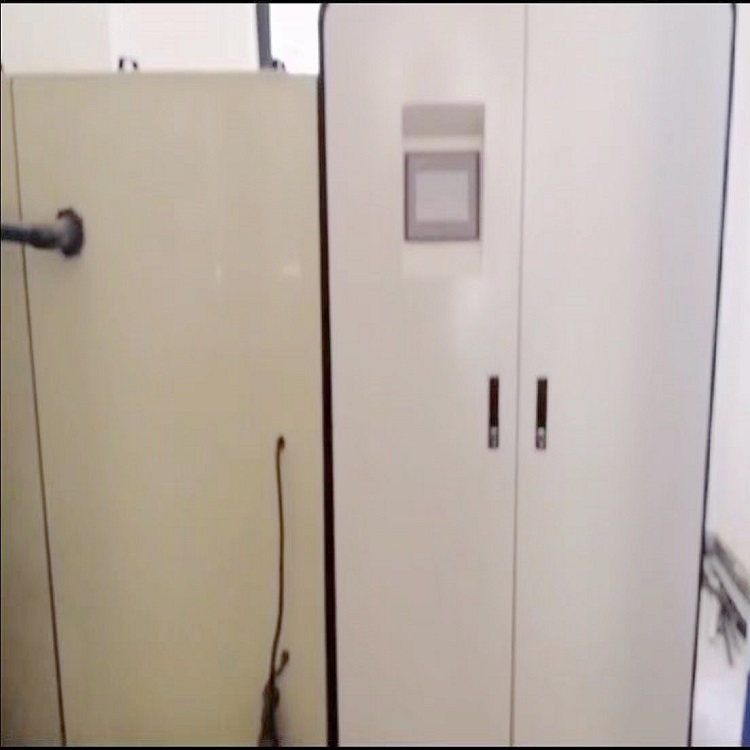
I. Technical Classification and Process Principles
Physical Processing Technology
Membrane Separation Method: Utilizing ultrafiltration, reverse osmosis, and other membrane components, this method effectively retains suspended particles, colloids, and large molecular organic substances.
Adsorption Method: Activated carbon, zeolite, and other materials possess selective adsorption capabilities for organic dyes and drug residues.
Chemical Treatment Technology
Advanced Oxidation Processes (AOPs): Generate hydroxyl radicals through ozone/UV, reagents, etc., to degrade refractory organic matter.
Chemical Precipitation Method: For wastewater containing heavy metals like lead and chromium, add LIUHUANA or hydrogen YANGHUANA to form precipitates.
3. Biological Treatment Technology
MBR Membrane Bio-Reactor: A fusion of microbial degradation and membrane filtration, suitable for high-concentration organic wastewater.
Bioremediation Technology: Treating specific pollutants with specialized bacterial strains. For instance, salt-tolerant bacteria can process saline wastewater, with tolerance levels up to 15%.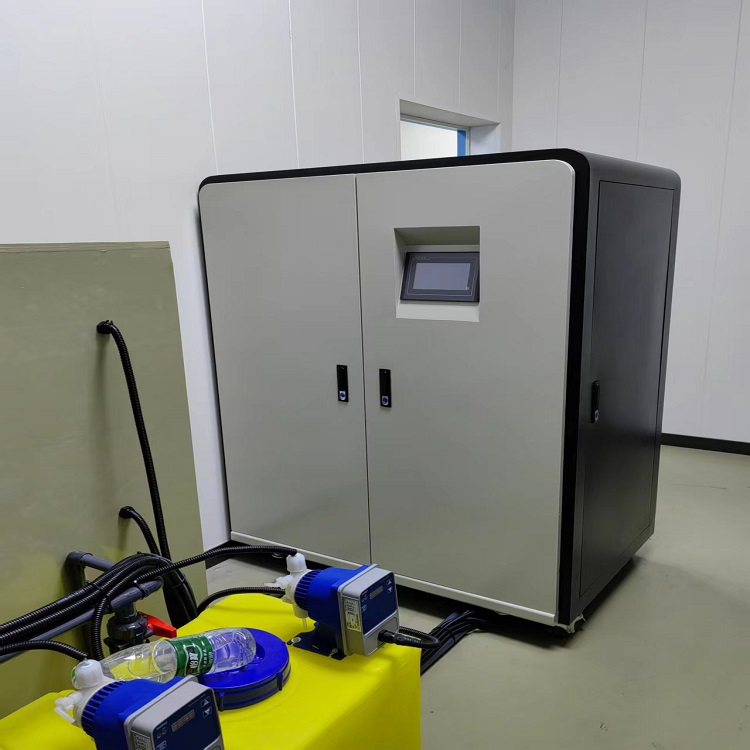
Section II: Technical Features and Comparative Advantages
Modular design
Modern laboratory wastewater treatment equipment commonly employs containerized or integrated designs, reducing the occupied area by over 50%.
2. Intelligent Control
Online Monitoring System: Integrates multi-parameter sensors such as pH, ORP, and turbidity, with real-time data upload to the cloud platform.
3. Safety and Compliance
The new processing system is equipped with features such as emergency shutdown and leak alarms, in compliance with standards like GB 8978-1996.
Section 3: Application Scenario Analysis
1. University Research Laboratory
Features: Complex wastewater composition, containing experimental reagents, biological samples, etc.
2. Medical Testing Facility
High-risk substances, including pathogens and radioactive isotopes.
3. Industrial Enterprise Research and Development Center
Treat industrial wastewater with oil and high salinity characteristics.
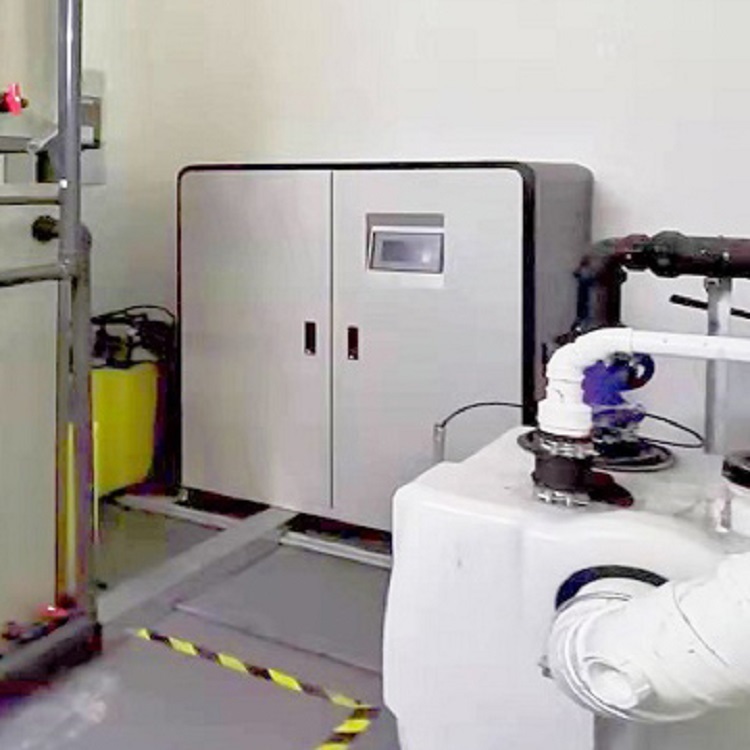
Section 4: Working Principle:
Wastewater Collection System: The equipment is equipped with dedicated wastewater collection containers capable of collecting various types of acidic and alkaline wastewater.
2. Wastewater Pretreatment System: This system is capable of removing large particles and certain harmful microorganisms from wastewater.
3. Neutralization Reaction System: The equipment is equipped with a neutralization reactor, capable of neutralizing acidic and alkaline substances, converting them into neutral matter.
4. Filtration System: Through the filters, fine particles and various harmful substances in the wastewater can be further removed.
5. Emission System: Treated wastewater is discharged into the public drainage system after meeting emission standards through the discharge system.


b2b.china9.net © Zhongshang 114 Hebei Network Technology Co., Ltd.Address: Room 6009, Oriental New World Center, No.118 East Zhongshan Road, Qiaoxi District, Shijiazhuang City, Hebei ProvincePlatform Service Hotline: 4006299930