Water Treatment Equipment, Wastewater Treatment Equipment...


Product Recommendation
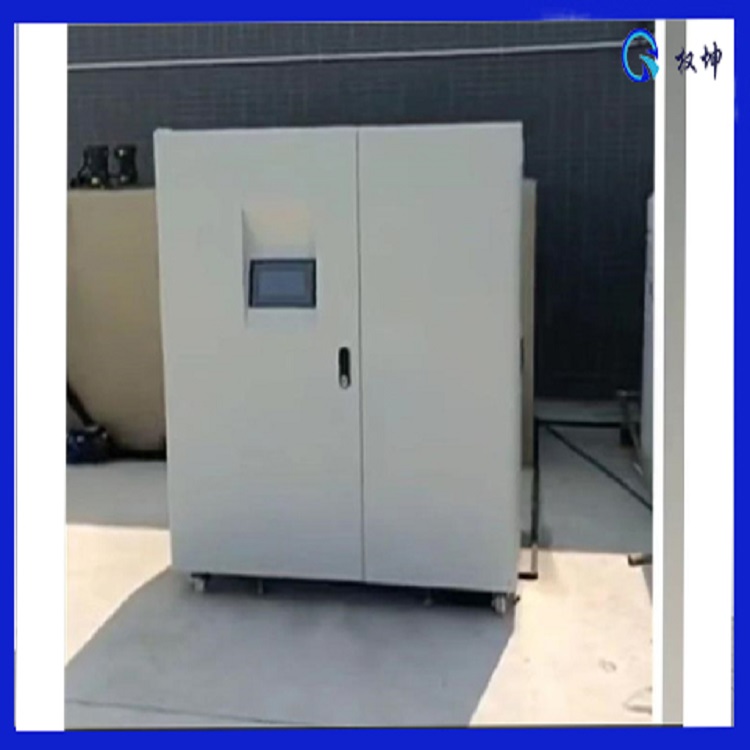
Quan Kun - Comprehensive Laboratory Waste Water Treatment Equipment - Remote Monitoring - Automated Control
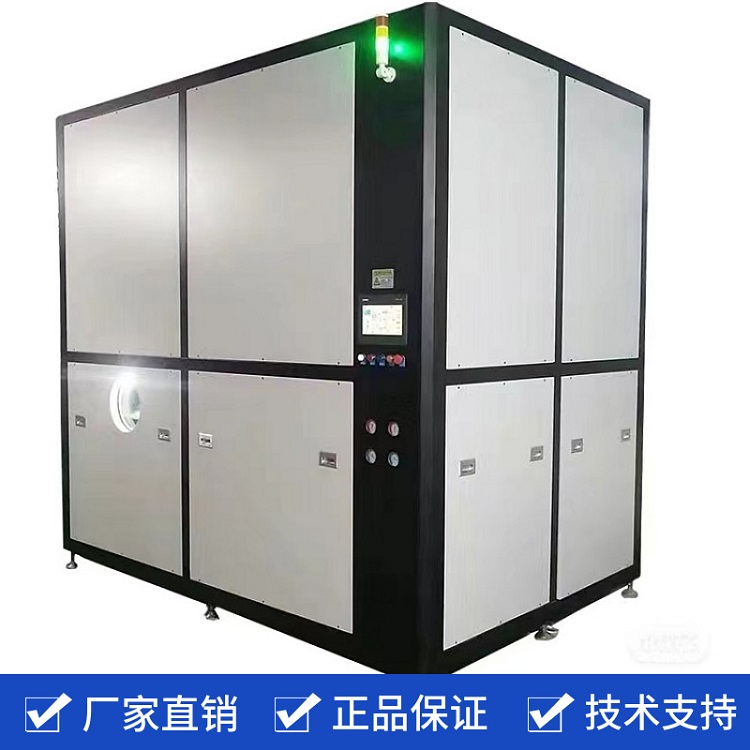
Sodium Chloride Wastewater Low-Temperature Evaporator - Intelligent Automatic - Quankun - Integrated Design
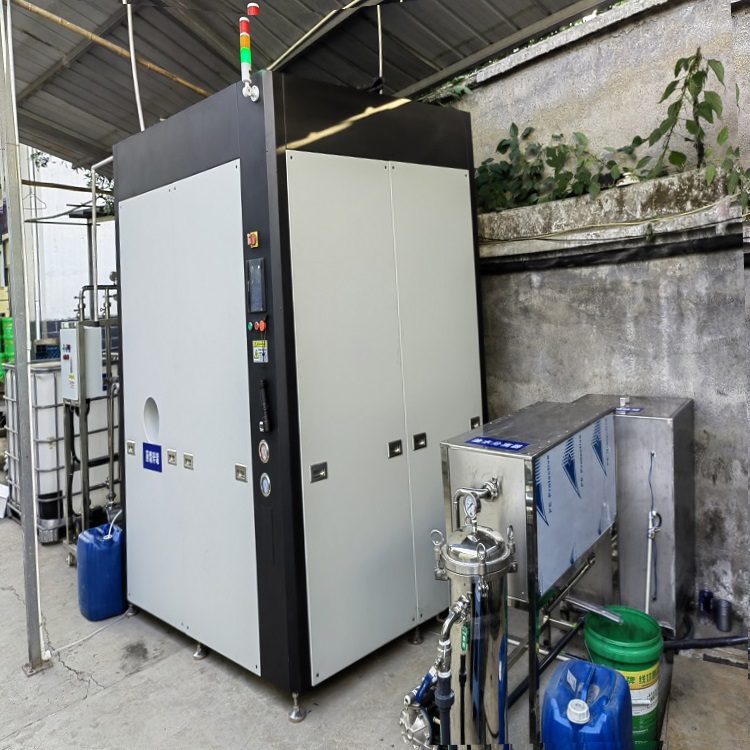
High-Concentration Oil Emulsion Waste Water Treatment Equipment - Quankun - Evaporator Unit - High Concentration Ratio
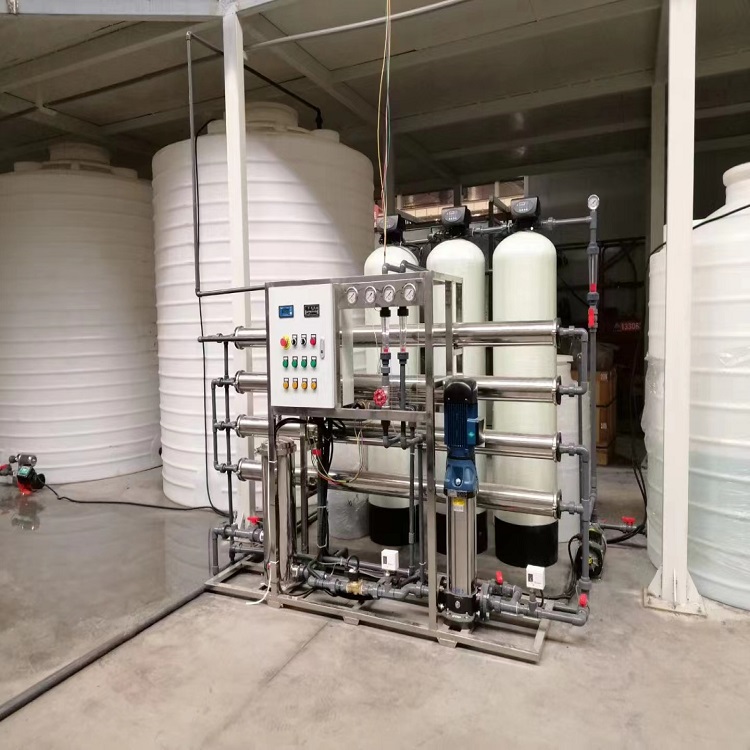
Industrial Pure Water Equipment EDI Ultra-Pure Water System Fully Automatic Control Quankun Environmental Protection
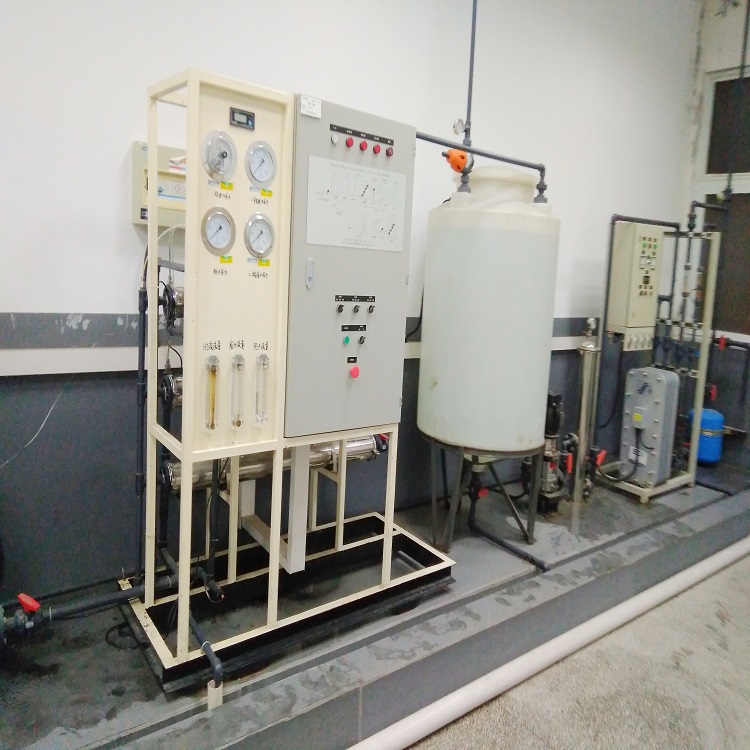
Shenzhen Industrial Ultra-Pure Water Equipment, equipped with EDI system, features low energy consumption and high degree of automation.
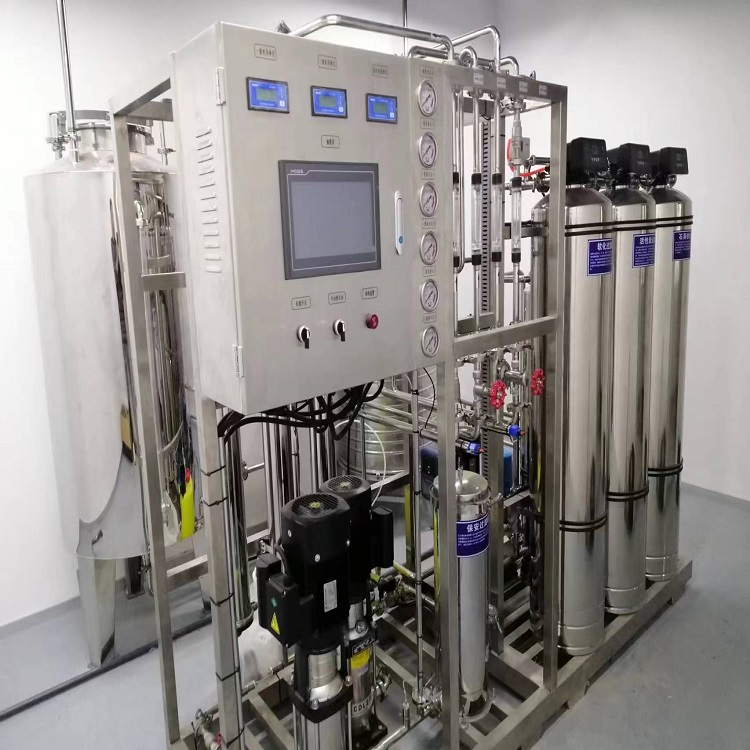
Shanghai industrial pure water production equipment reverse osmosis filtration system with high yield and customizable options, Quankun brand.
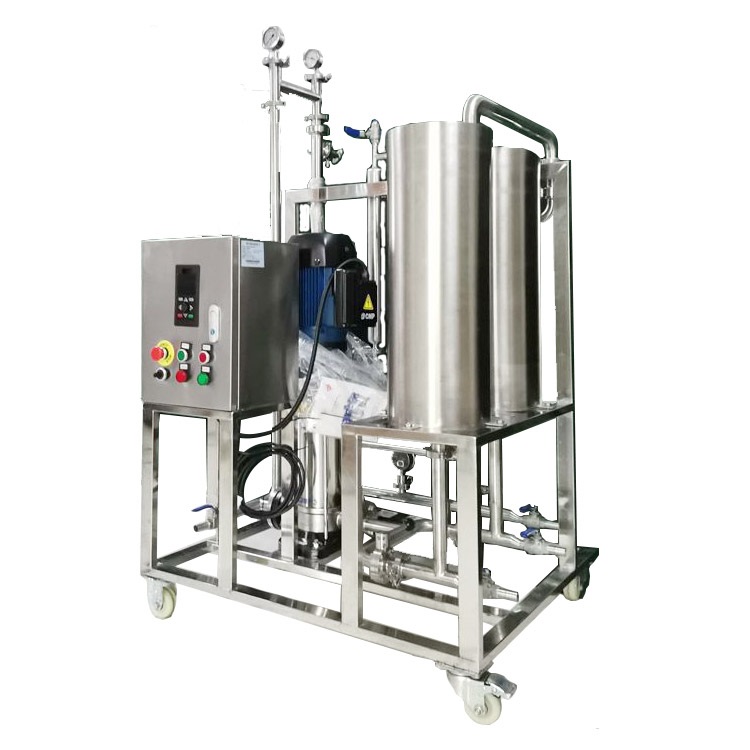
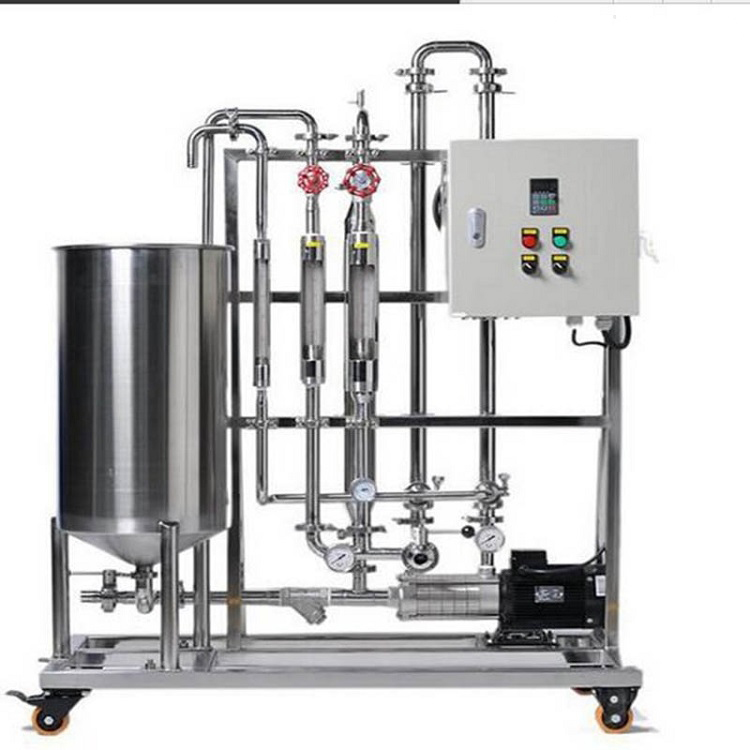
Ceramic membrane equipment, as an efficient separation technology, is widely used in water treatment, food processing, biopharmaceuticals, and other fields. The performance of the core component, the membrane element, directly impacts the equipment's operational efficiency and lifespan. To ensure the long-term stable operation of ceramic membrane equipment, strict adherence to the following precautions is required across multiple stages, including installation, operation, and maintenance.
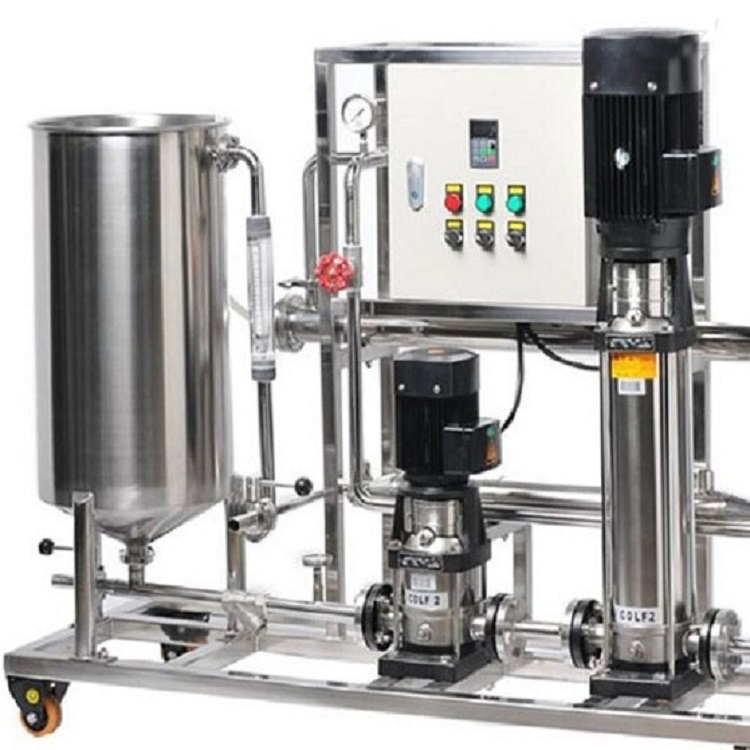
Preparation Before Installation and Launch
Film element inspection
Newly purchased membrane elements must be verified for compatibility with the system in terms of model and specifications, and checked for any signs of damage or cracks on the exterior.
2. System Cleaning and Sealing Test
Before first use, the entire pipeline must be acid cleaned (recommended 0.5% xiaosuan solution) and alkali cleaned (1% NaOH solution) to remove processing residues.
Section II: Operation and Operation Standards
1. Key Parameters Control Points
Transmembrane Pressure (TMP): The working pressure difference for ceramic membranes is typically maintained between 0.1-0.6 MPa; operation at excessive pressure accelerates the delamination of the membrane layer.
Flow Rate Management: Recommended cross flow rate should be maintained at 2-5 m/s; rates too low can lead to pollutant sedimentation, while too high can dramatically increase energy consumption.
2. Pre-treatment Requirements for Fluids
For oil or colloidal systems, a 50μm pre-filtration is required prior to processing; the pH range is typically 2-12, but long-term extreme conditions (pH < 1 or > 13) can corrode the zirconia coating.
III. Daily Maintenance Points
Washing Cycle and Process
Routine Cleaning: Online cleaning (CIP) is required every 8-12 hours, utilizing an alternating process of "alkaline cleaning (0.5% NaOH + 0.1% NaClO) → acid cleaning (1% citric acid)" at a temperature of 50-60℃ for optimal results.
Deep Cleaning: A chemical reinforcement cleaning at least once a month is recommended. For protein contamination, try pepsin solution; for inorganic scaling, EDTA complex cleaning is advisable.
2. Shutdown Protection Measures
When the system is to be long-term unused, it should be drained and filled with 1% yaxiaosuanqingna preservative. The environmental humidity should be below 65%. In winter, if the environmental temperature may fall below 5°C, ethylene glycol antifreeze should be used for circulation protection.
Special Application Scenario Precautions
High-salt wastewater treatment
Maintain Cl- concentration below 3 wt%, as exceeding this level will corrode the titanium support.
2. Biofermentation Liquid Separation
Recommend installing an online turbidity meter to initiate ultrasonic assist cleaning when transmittance falls below 85%.
Through this systematic management, the lifespan of high-quality ceramic membrane elements can reach 5-8 years. It is particularly important to note that there are differences in the physical and chemical properties of membrane elements from different brands, and actual operations should be based on the manufacturer's provided "Membrane Element Technical Manual." Establishing a comprehensive operation log (including pressure, flow, cleaning records, etc.) is crucial for troubleshooting and performance optimization.


b2b.china9.net © Zhongshang 114 Hebei Network Technology Co., Ltd.Address: Room 6009, Oriental New World Center, No.118 East Zhongshan Road, Qiaoxi District, Shijiazhuang City, Hebei ProvincePlatform Service Hotline: 4006299930