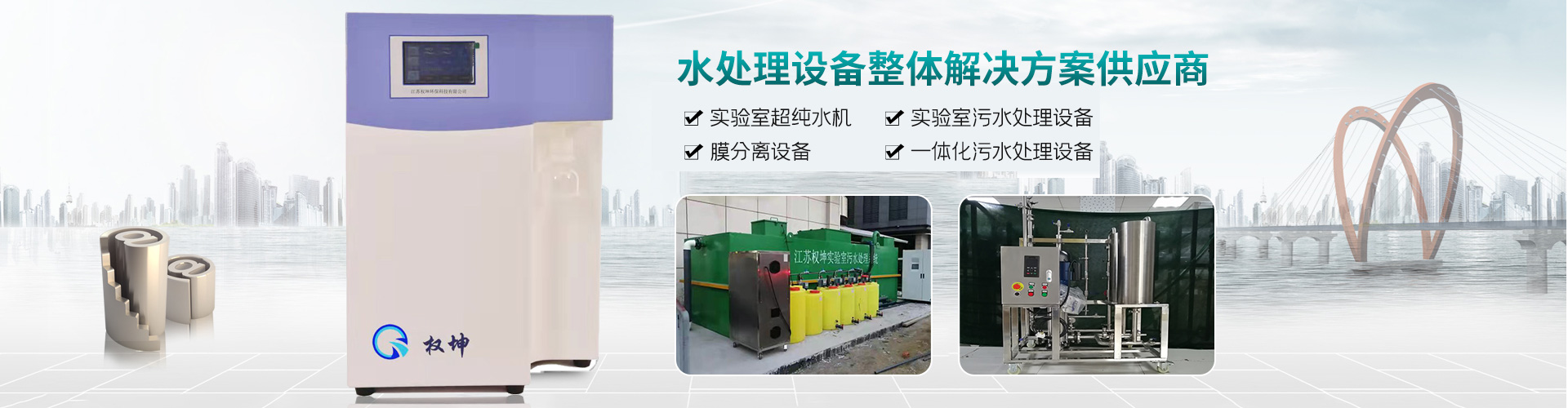
Water Treatment Equipment, Wastewater Treatment Equipment...


Product Recommendation
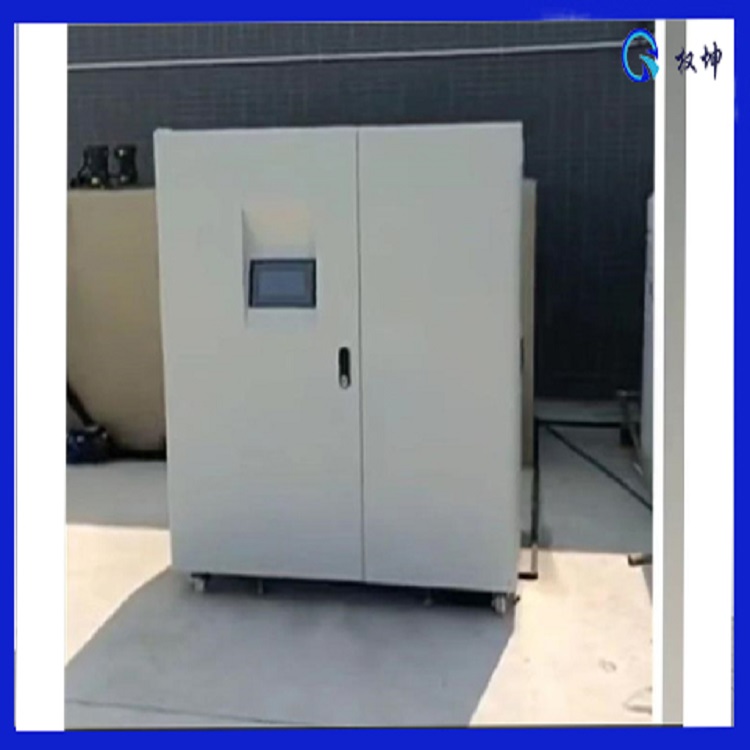
Quan Kun - Comprehensive Laboratory Waste Water Treatment Equipment - Remote Monitoring - Automated Control
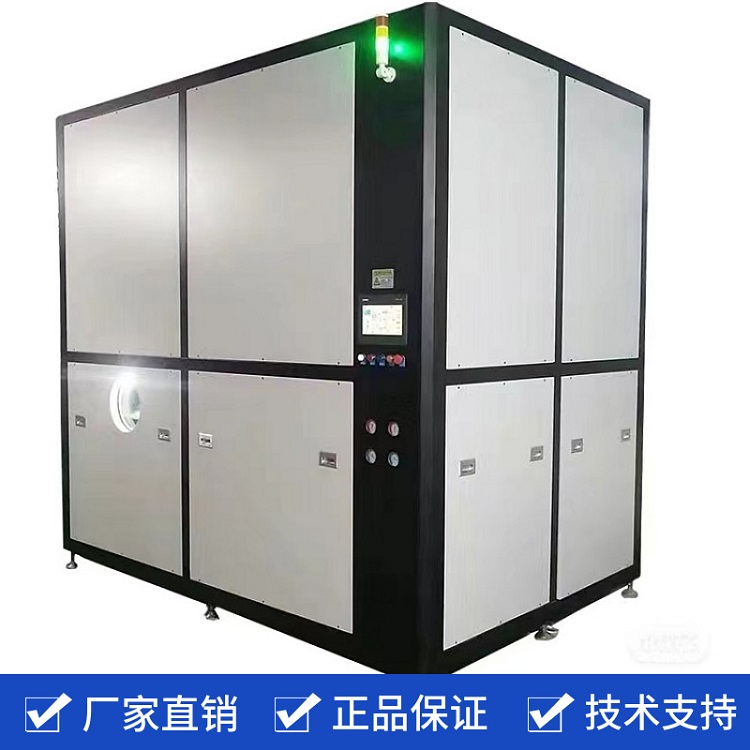
Sodium Chloride Wastewater Low-Temperature Evaporator - Intelligent Automatic - Quankun - Integrated Design
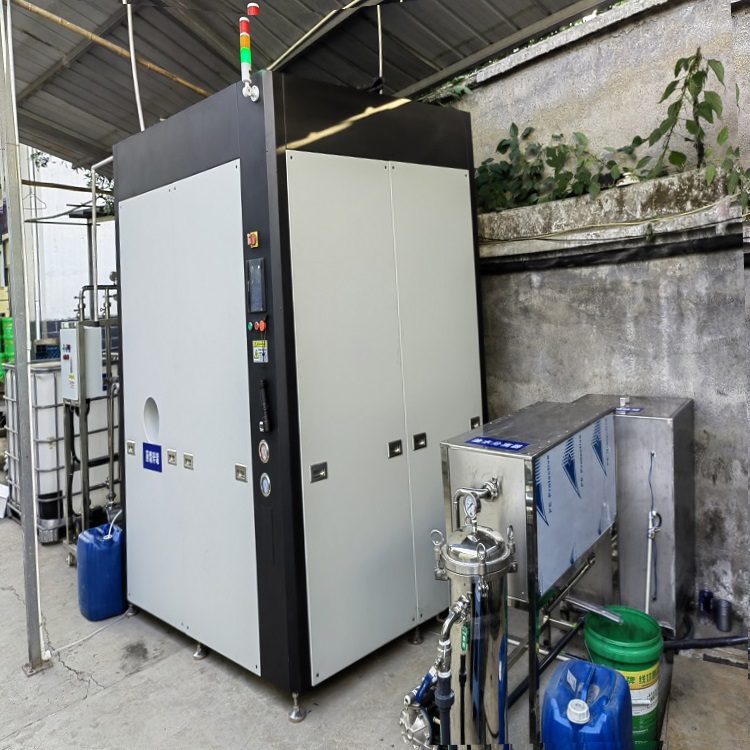
High-Concentration Oil Emulsion Waste Water Treatment Equipment - Quankun - Evaporator Unit - High Concentration Ratio
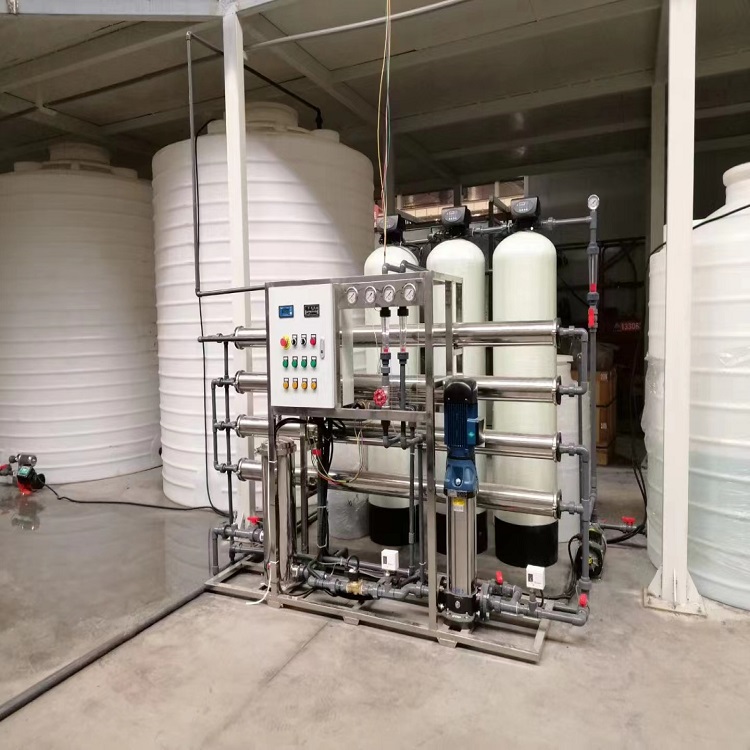
Industrial Pure Water Equipment EDI Ultra-Pure Water System Fully Automatic Control Quankun Environmental Protection
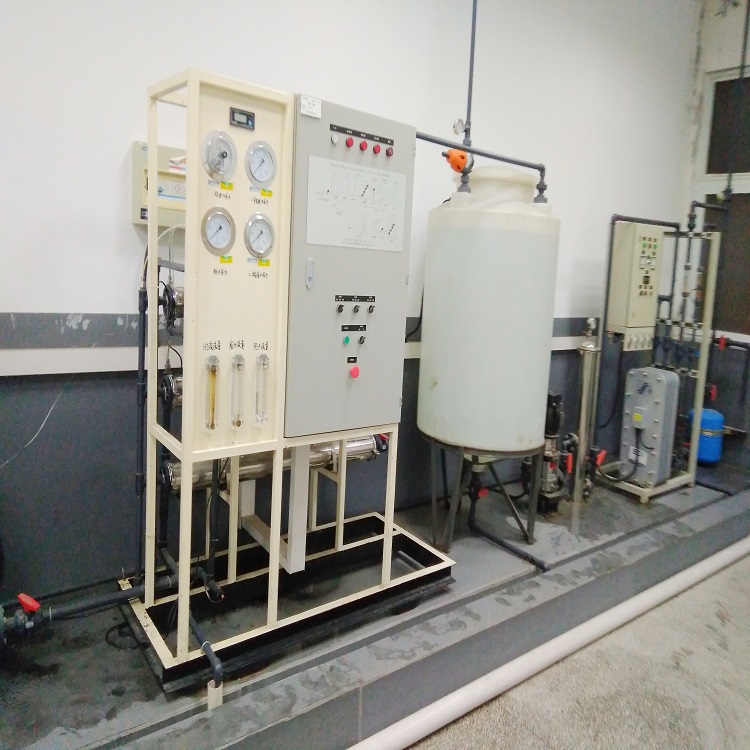
Shenzhen Industrial Ultra-Pure Water Equipment, equipped with EDI system, features low energy consumption and high degree of automation.
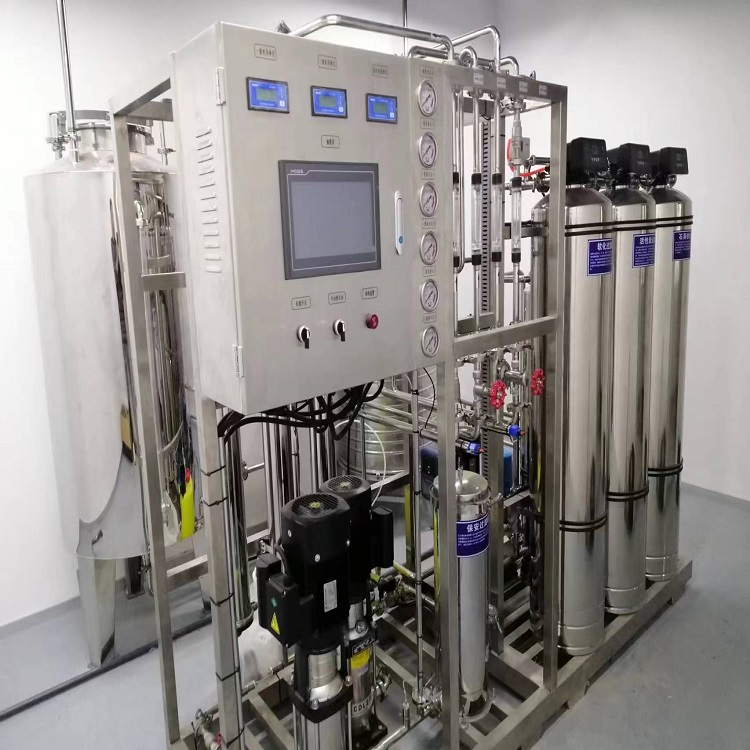
Shanghai industrial pure water production equipment reverse osmosis filtration system with high yield and customizable options, Quankun brand.
Lithium-ion batteries, as a core component of the new energy industry, produce wastewater during production that features high COD levels, complex heavy metal content, and refractory organic solvents, which, if not properly treated, can pose severe harm to the ecological environment. With the rapid expansion of global lithium-ion battery production capacity, how to efficiently treat this kind of industrial wastewater has become an important issue in the field of environmental protection.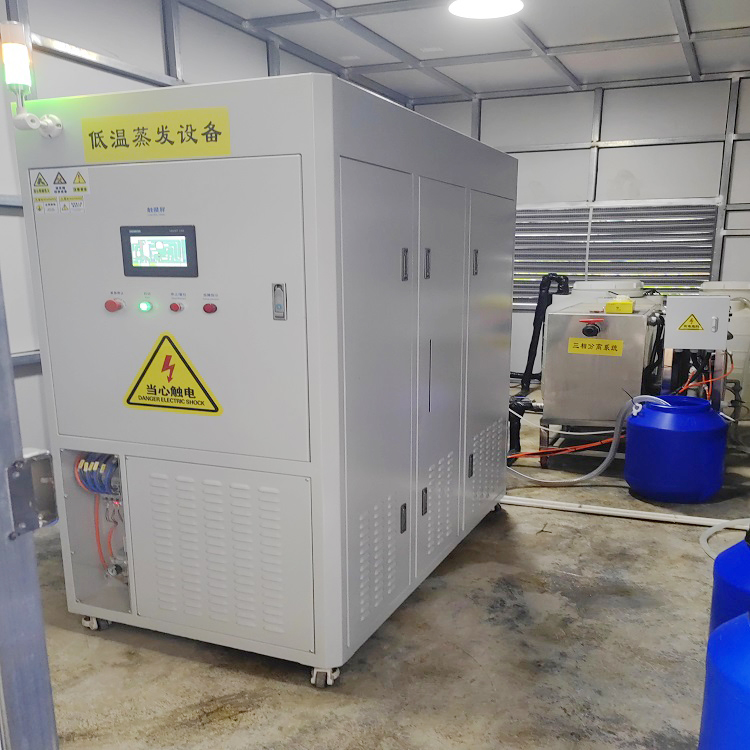
Core processing technologyTechnical Analysis
Heavy Metal Removal Unit
By employing the classic combination of "pH adjustment + coagulation sedimentation," the pH of the wastewater is adjusted to 9-10 by adding NaOH, causing heavy metals to form hydroxide precipitates.
2. Organic Pollutant Degradation System
Advanced oxidation processes (AOPs) demonstrate significant advantages against difficultly biodegradable organic substances like NMP. In the oxidation process, the hydroxyl radicals produced by the reaction of Fe²⁺ with H₂O₂ can effectively break the chains of organic molecules.
3. Membrane Separation Deep Treatment
The NF (Nanofiltration) and RO (Reverse Osmosis) combined membrane system can retain organic substances with a molecular weight greater than 200 Da and ions of divalent or higher.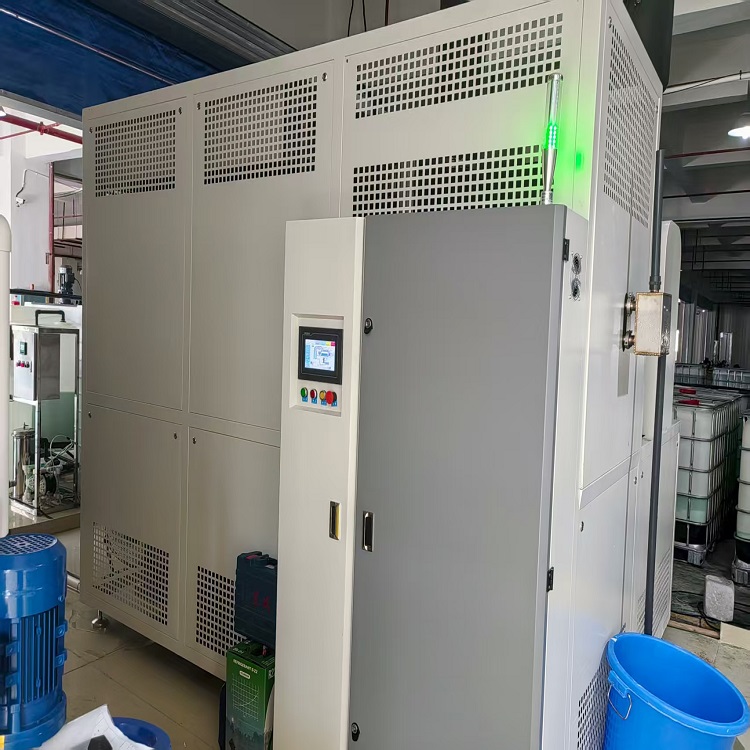
Innovative Process Equipment and Application Cases
MVR Evaporation Crystallization System
Mechanical Vapor Recompression (MVR) technology recycles the heat energy of secondary steam, consuming only one-third of the energy required for traditional multi-effect evaporation.
2. Special Resin Adsorption Unit
Large-pore adsorption resins have a specific adsorption capacity for electrolyte additives such as DEC and DMC.
3. Intelligent Medication Addition System
A dynamically dosing device based on machine learning algorithms is gradually replacing manual operations. The system automatically adjusts the dosages of chemicals like PAC and PAM by analyzing data such as ORP and turbidity from an online water quality monitor.
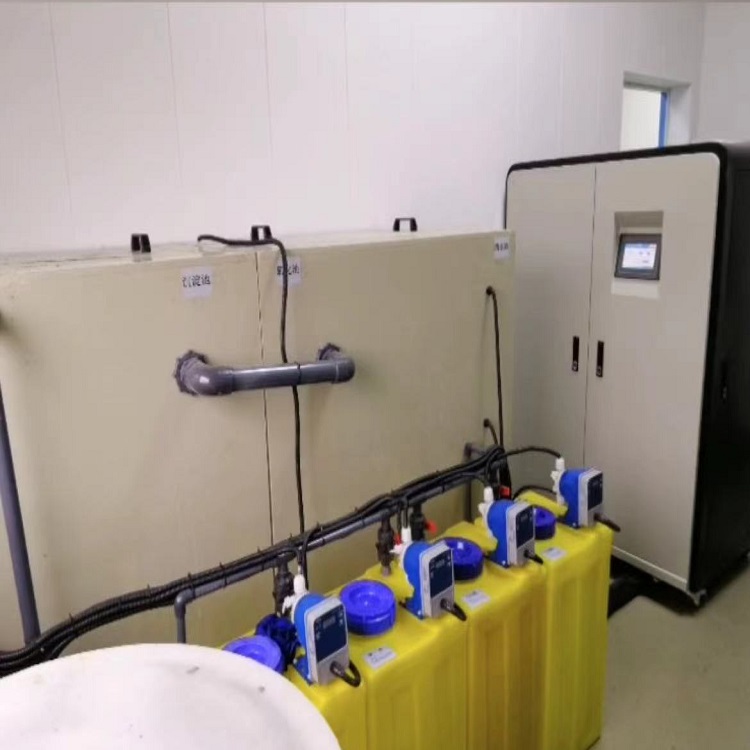
Complete Equipment System Composition and Working Principle
Pre-treatment Unit
The system includes a grid, a regulating pond, and a pH adjustment device. The grid is used to intercept large particle impurities; the regulating pond balances water quality fluctuations through homogenization and quantification; the pH automatic control system adjusts the wastewater to an appropriate reaction range by adding chemicals such as lime or sulfuric acid.
2. Core Processing Unit
Chemical Reduction System: For chromium-containing wastewater, sodium metabisulfite and other reductants are used to convert hexavalent chromium to trivalent chromium. The reaction requires strict control of the ORP value between 250-300 mV.
Coagulation Sedimentation System: Forms flocs of metal ions through chemicals such as PAC and polyacrylamide (PAM).
Membrane Separation Systems: Including Ultrafiltration (UF) and Reverse Osmosis (RO), capable of retaining particles above 0.001μm, achieving deep removal of heavy metal ions.
Sludge Treatment Unit
The plate and frame press filter reduces sludge moisture content to below 60%, with some advanced equipment integrating sludge drying systems, thereby reducing the final solid waste volume by 50%.
4. Smart Control Module
The PLC-based control system can monitor parameters such as flow rate, pH, and heavy metal concentrations in real-time.


b2b.china9.net © Zhongshang 114 Hebei Network Technology Co., Ltd.Address: Room 6009, Oriental New World Center, No.118 East Zhongshan Road, Qiaoxi District, Shijiazhuang City, Hebei ProvincePlatform Service Hotline: 4006299930