Water Treatment Equipment, Wastewater Treatment Equipment...


Product Recommendation
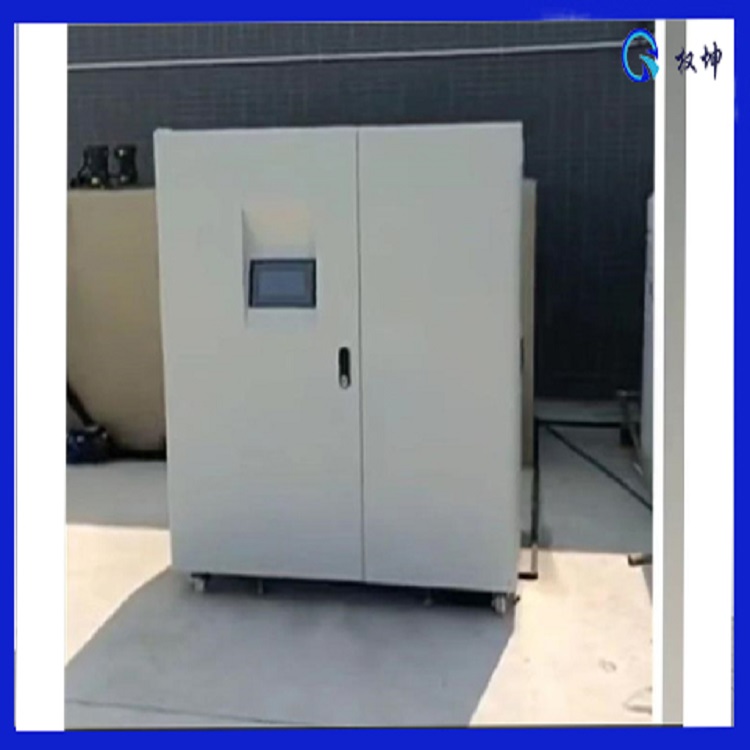
Quan Kun - Comprehensive Laboratory Waste Water Treatment Equipment - Remote Monitoring - Automated Control
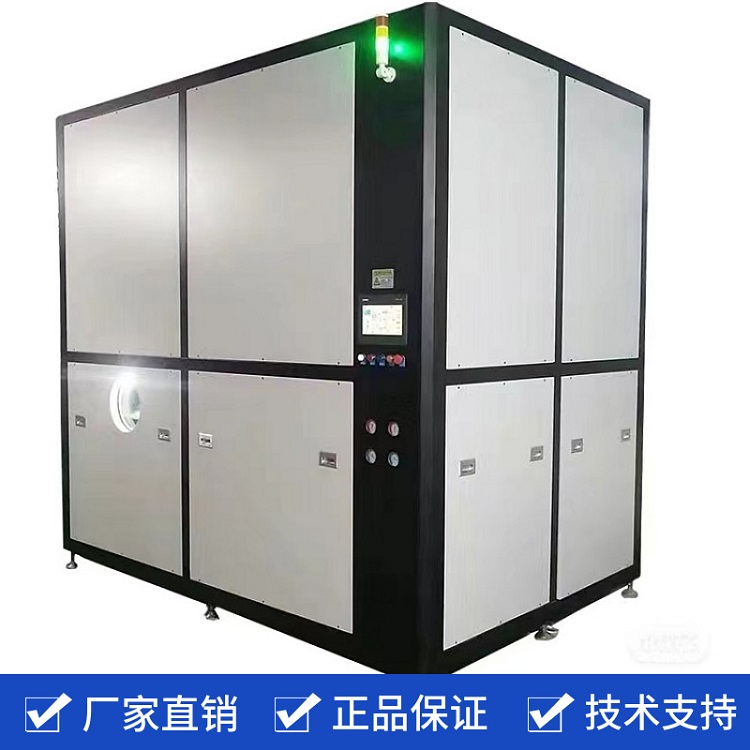
Sodium Chloride Wastewater Low-Temperature Evaporator - Intelligent Automatic - Quankun - Integrated Design
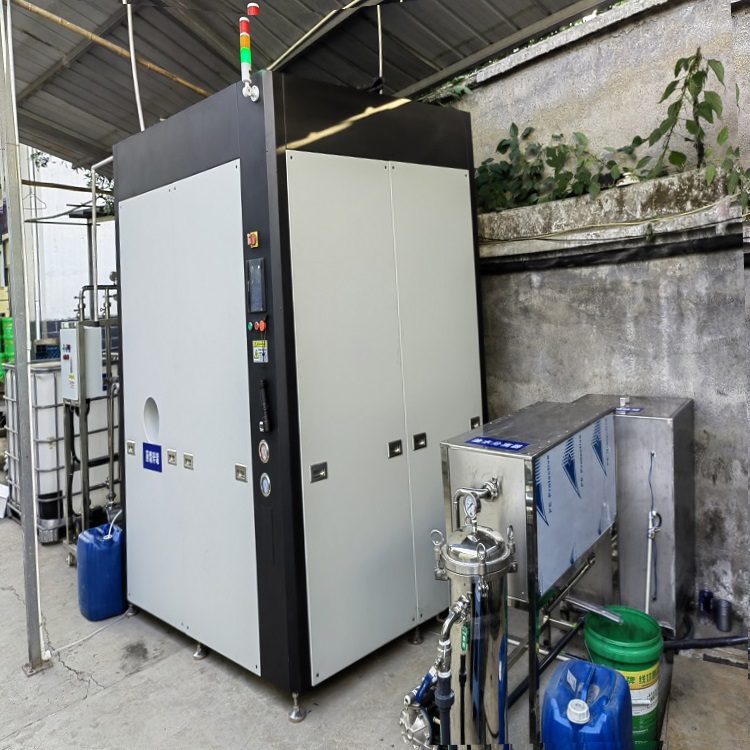
High-Concentration Oil Emulsion Waste Water Treatment Equipment - Quankun - Evaporator Unit - High Concentration Ratio
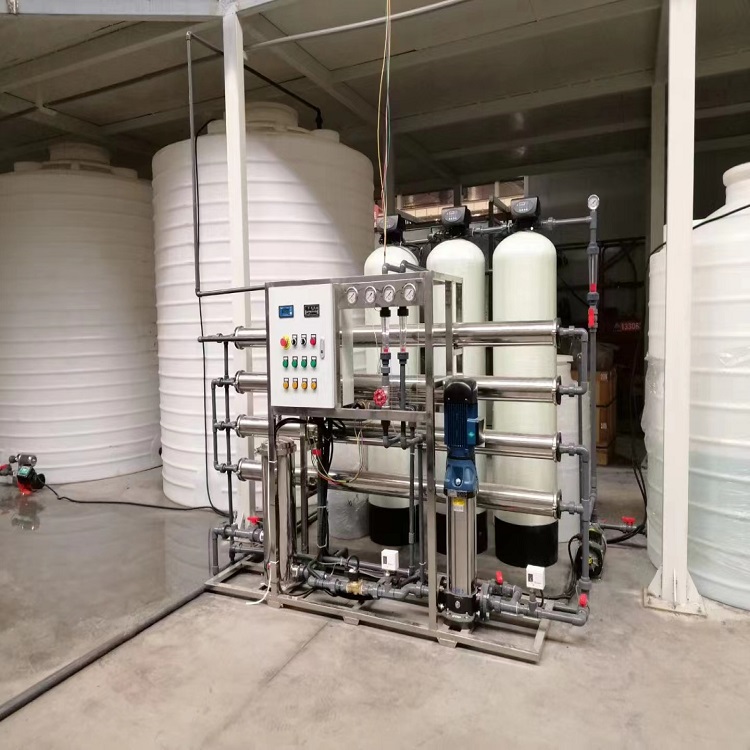
Industrial Pure Water Equipment EDI Ultra-Pure Water System Fully Automatic Control Quankun Environmental Protection
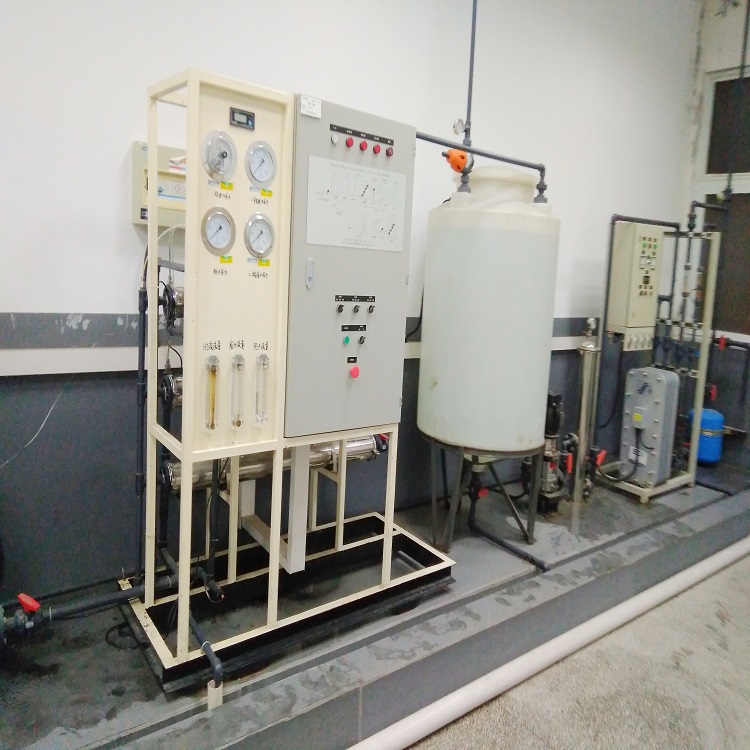
Shenzhen Industrial Ultra-Pure Water Equipment, equipped with EDI system, features low energy consumption and high degree of automation.
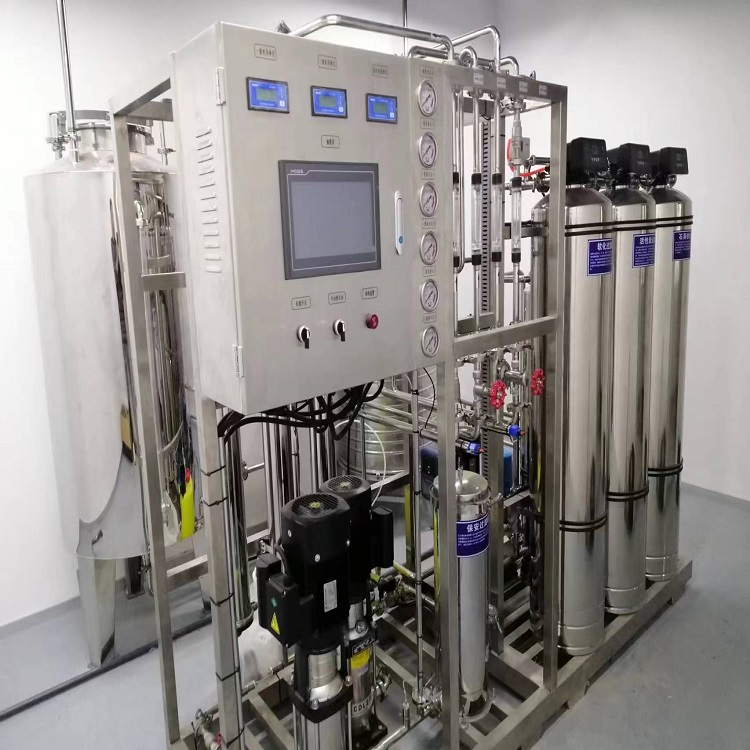
Shanghai industrial pure water production equipment reverse osmosis filtration system with high yield and customizable options, Quankun brand.
Vacuum Low-Temperature Evaporation Equipment is an energy-saving and efficient evaporation technology widely used in industries such as chemicals, food, and pharmaceuticals. Its core principle is to lower the boiling point of liquids by creating a vacuum environment, thereby achieving low-temperature evaporation. Such equipment demonstrates significant advantages in processes like concentration, crystallization, and separation, particularly excelling in the handling of heat-sensitive materials.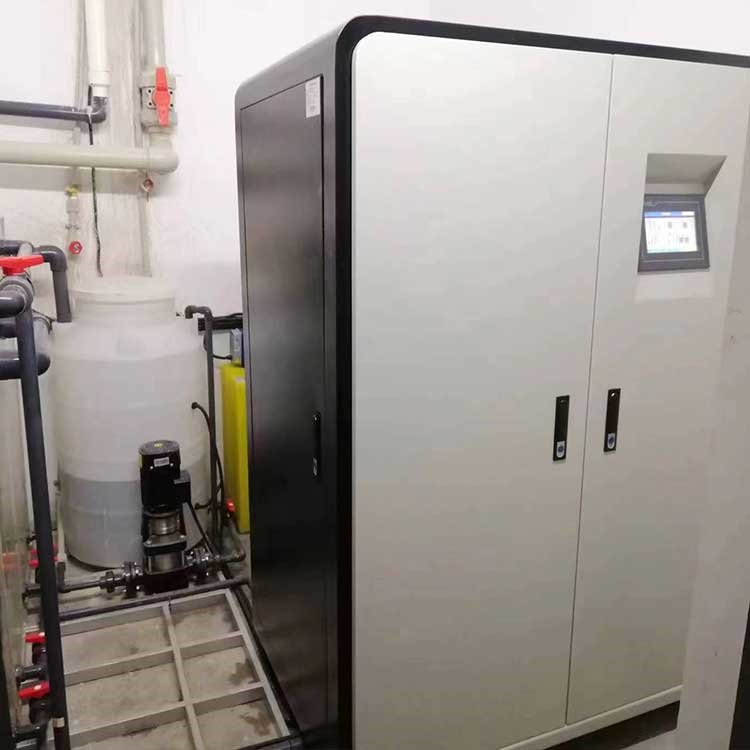
The core of vacuum evaporation technology lies in the relationship between boiling point and pressure. According to thermodynamic principles, the boiling point of a liquid decreases as the environmental pressure drops. For instance, water boils at 100℃ under normal pressure (101.3 kPa), but its boiling point can be reduced to approximately 45℃ when the vacuum reaches -0.085 MPa. Vacuum low-temperature evaporation equipment maintains a low-pressure state within the evaporator through a vacuum pump system, allowing the material to沸腾evaporate at low temperatures, thereby avoiding the destruction of heat-sensitive components by high temperatures.
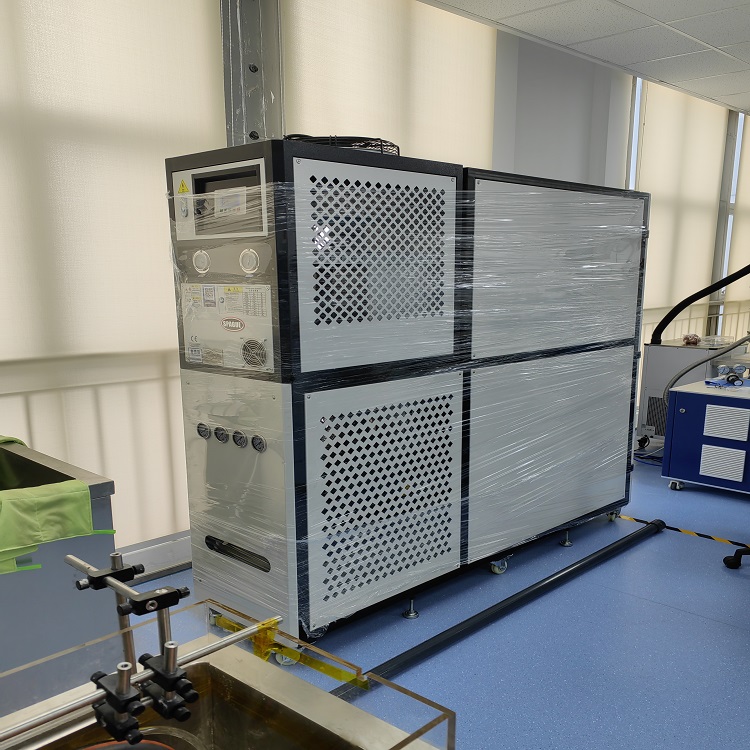
For instance, the multi-effect falling film evaporator, which串联multiple evaporator chambers, utilizes the secondary steam generated in the previous effect as a heat source for the subsequent effect, progressively reducing pressure and temperature.
Equipment Core Structure and Work Process
Evaporator body
The evaporator is the core area for material evaporation, with common types including film type and forced circulation. In a film evaporator, the material flows uniformly as a film along the inner wall of the heating tube, through a distributor. Low-temperature steam (typically 60-80°C) in a vacuum environment heats the tube externally, causing the film-like material to evaporate rapidly. This design boasts high heat transfer efficiency and short residence time, making it suitable for heat-sensitive liquids such as milk and juice.
2. Vacuum System
Composed of a vacuum pump, a condenser, and a buffer tank. Water ring vacuum pumps or Roots pumps can maintain the system pressure within the range of 5-50 kPa, ensuring low-temperature evaporation conditions. The condenser liquefies and discharges the evaporated solvent (such as steam) to maintain system balance.
3. Heat Exchange System
Tube or plate heat exchangers made of stainless steel or titanium, with heat sources typically steam or hot water.
4. Separation Device
Centrifugal or gravity separators separate the vapor-liquid phases, with the concentrated liquid discharged from the bottom and the secondary steam entering the condensation system. Some advanced equipment is equipped with mist collectors to reduce material carryover losses.
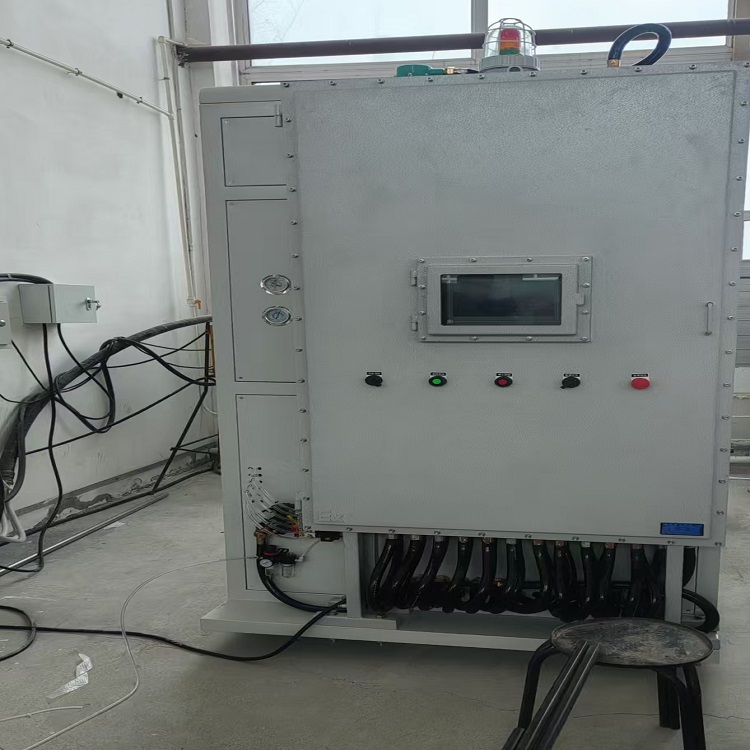
Key Operation Tips and Maintenance Suggestions
Initiate Standards
Follow the "vacuum first, then heat" principle to avoid localized overheating.
2. Routine Maintenance
Perform weekly checks on vacuum pump oil levels and seals.
Monthly, use 2% Xiaosuan to clean heat exchanger tubes to prevent calcium scale buildup.
Ensure the corrosion of the evaporator weld seams is inspected during the annual major overhaul.
3. Fault Handling
Decreased evaporation efficiency may be caused by vacuum leaks or scaling in the heat exchange tubes.


b2b.china9.net © Zhongshang 114 Hebei Network Technology Co., Ltd.Address: Room 6009, Oriental New World Center, No.118 East Zhongshan Road, Qiaoxi District, Shijiazhuang City, Hebei ProvincePlatform Service Hotline: 4006299930