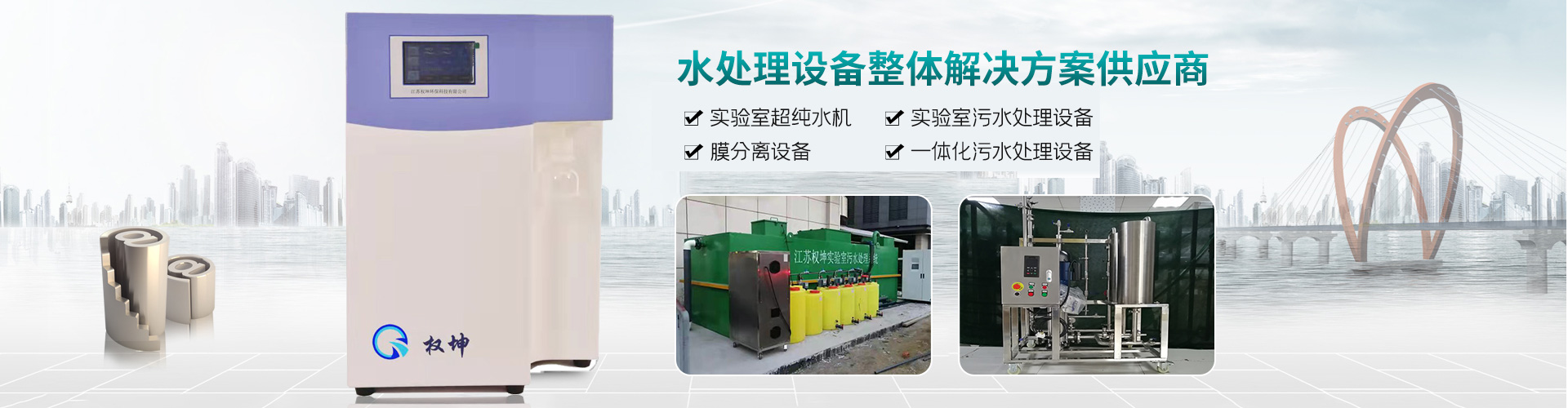
Water Treatment Equipment, Wastewater Treatment Equipment...


Product Recommendation
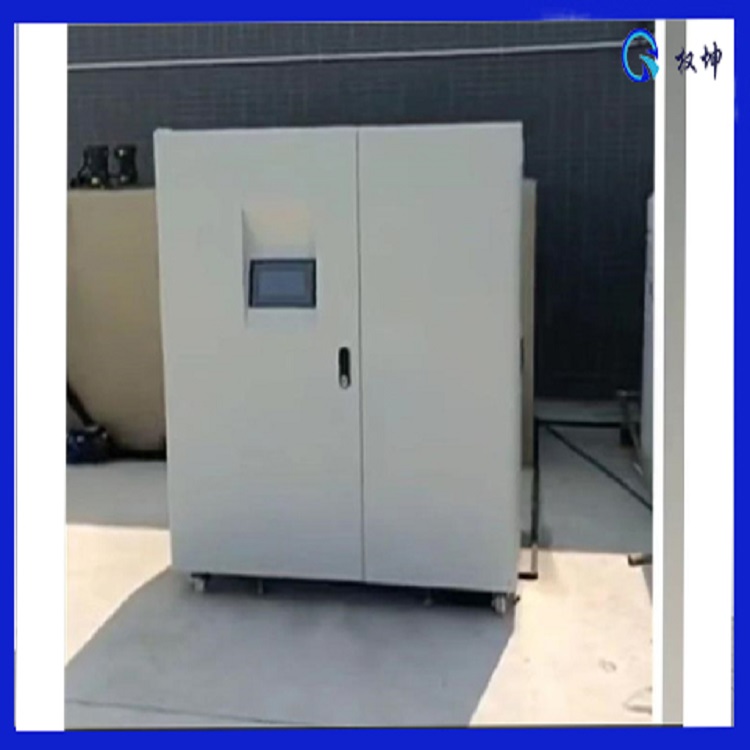
Quan Kun - Comprehensive Laboratory Waste Water Treatment Equipment - Remote Monitoring - Automated Control
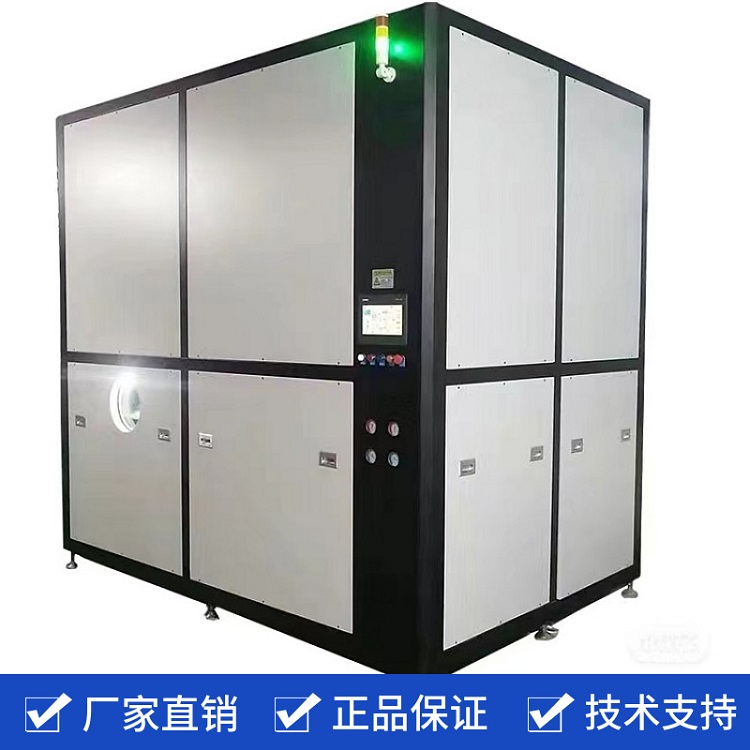
Sodium Chloride Wastewater Low-Temperature Evaporator - Intelligent Automatic - Quankun - Integrated Design
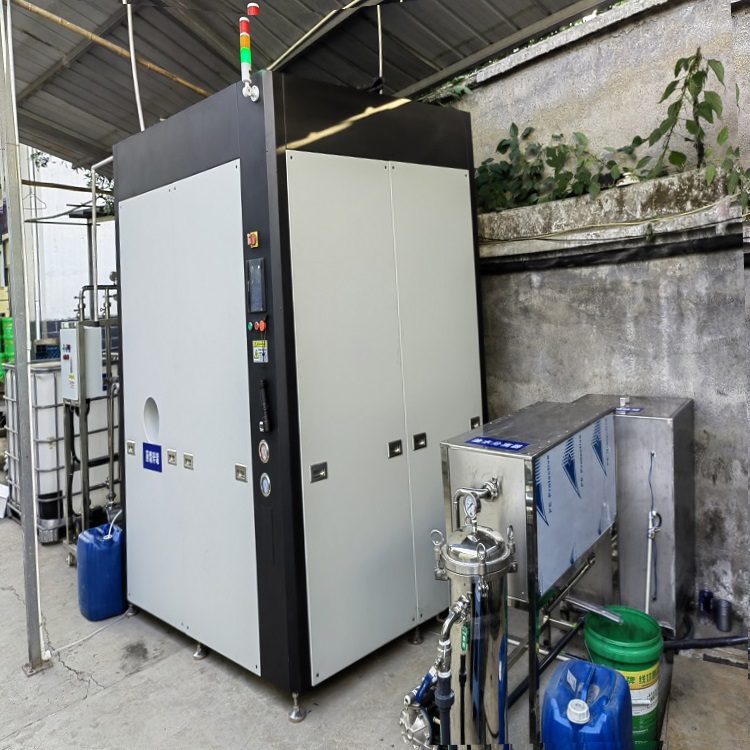
High-Concentration Oil Emulsion Waste Water Treatment Equipment - Quankun - Evaporator Unit - High Concentration Ratio
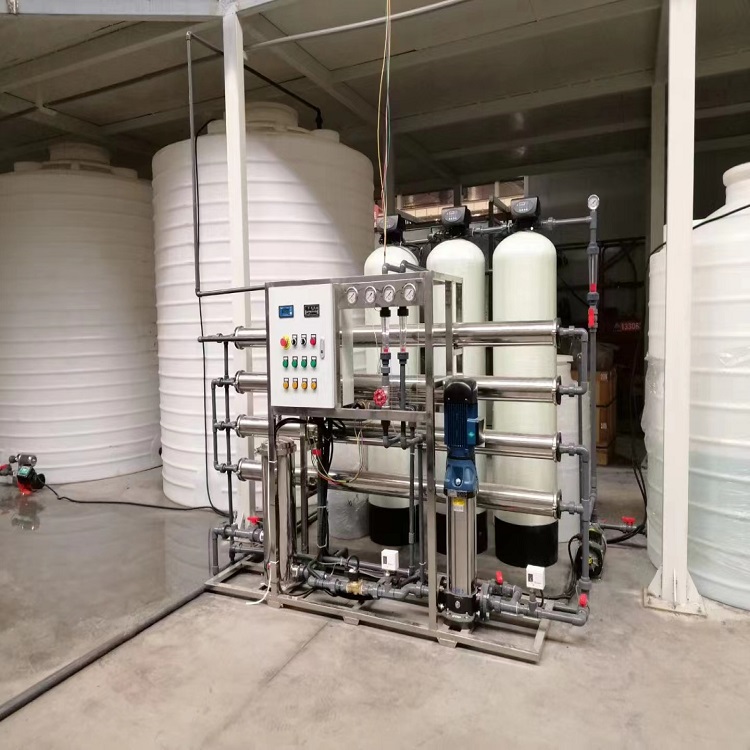
Industrial Pure Water Equipment EDI Ultra-Pure Water System Fully Automatic Control Quankun Environmental Protection
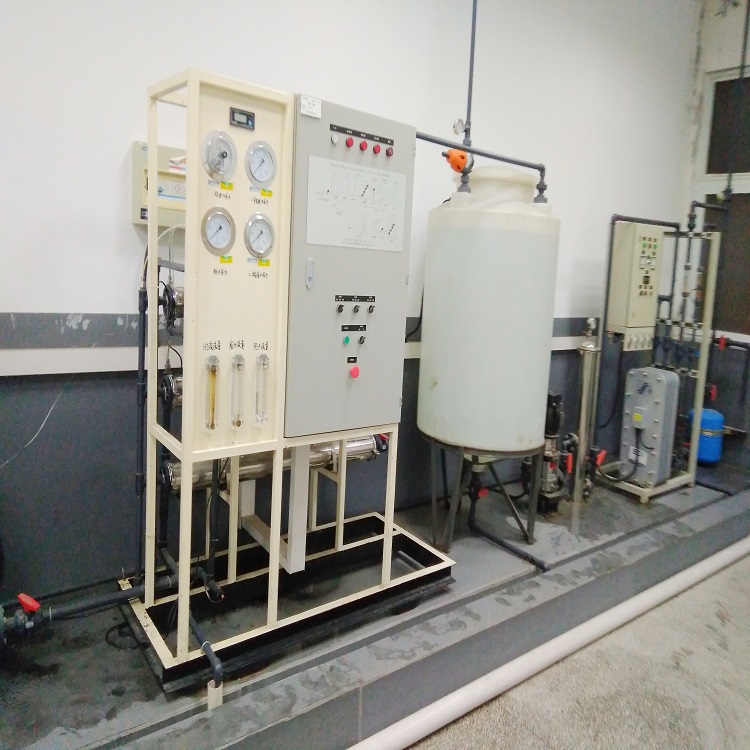
Shenzhen Industrial Ultra-Pure Water Equipment, equipped with EDI system, features low energy consumption and high degree of automation.
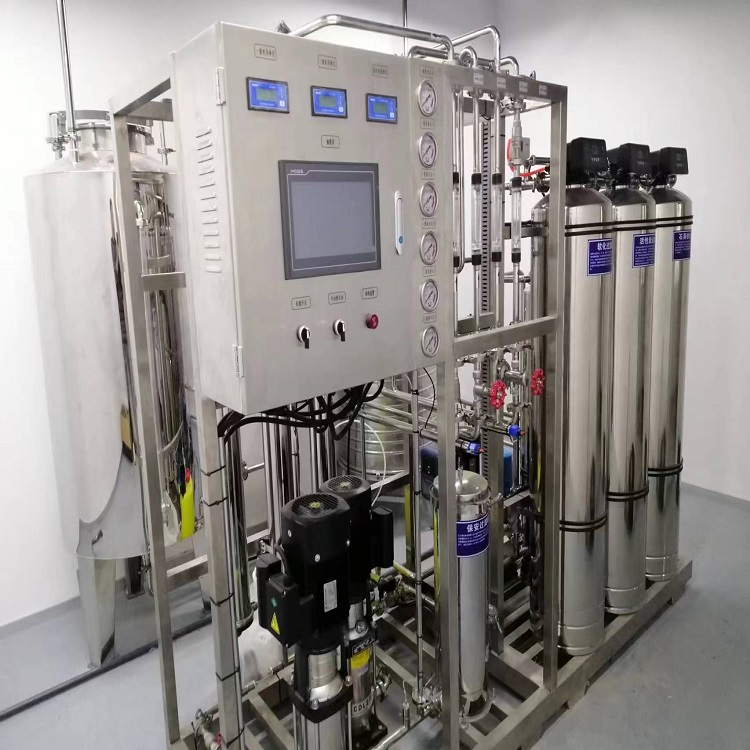
Shanghai industrial pure water production equipment reverse osmosis filtration system with high yield and customizable options, Quankun brand.
In the pharmaceutical industry, the design and operation of pure water systems are directly related to the safety and efficacy of drug quality. A pharmaceutical factory's pure water system is a highly specialized water treatment equipment, with its core objective being to remove various impurities from water through multiple purification processes, ensuring that the produced water meets the strict standards for purified water (PW) and water for injection (WFI) as outlined in the Chinese Pharmacopoeia. This system is not only the lifeline of pharmaceutical production but also the fundamental defense line for ensuring patient medication safety.
The technical principle of our pharmaceutical pure water system is based on the "graded purification" concept, achieving water purification through the synergistic effect of physical, chemical, and membrane separation technologies. The raw water first undergoes a pretreatment stage, utilizing multimedia filters and activated carbon adsorption to remove suspended particles, colloids, and residual chlorine, among other contaminants. This step eliminates over 90% of large organic molecules, laying the foundation for subsequent deep treatment. The core process relies on reverse osmosis (RO) technology, utilizing semi-permeable membranes to achieve ion-grade filtration under high pressure, with a desalination rate of up to 95%-99%. For injection water of higher standards, the system also incorporates an electrical deionization (EDI) or distillation unit, further increasing the resistivity to above 15MΩ·cm.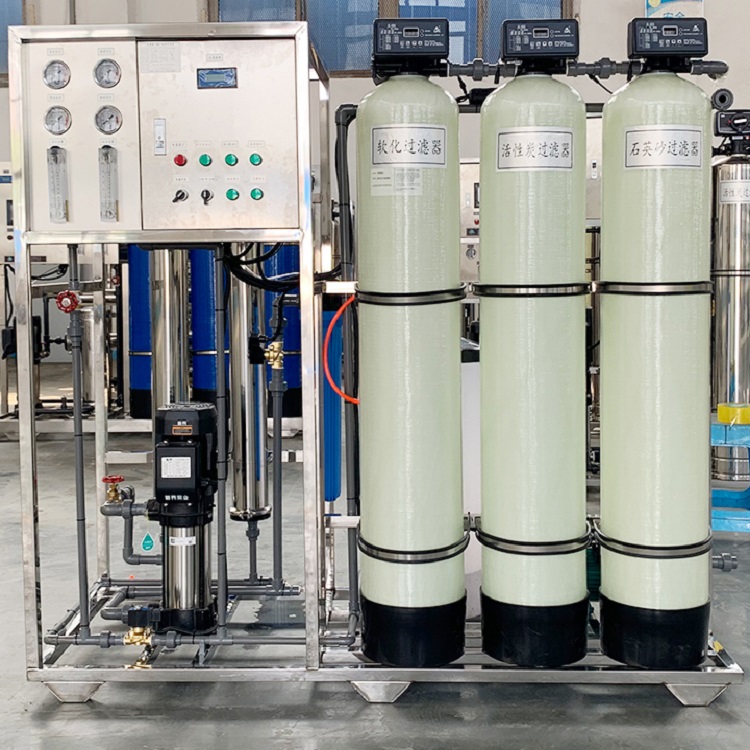
It's noteworthy that modern pure water systems commonly employ a "recirculating sterilization" design. By maintaining a turbulent flow state within the pipes with a velocity greater than 1.5 m/s, and regularly using pasteurization (hot water recirculation at above 80℃) or ozone sterilization, the proliferation of microorganisms is effectively controlled.
The complete pure water system includes four major functional modules: preparation unit, storage unit, distribution unit, and monitoring unit. The double-stage RO device in the preparation unit utilizes crossflow filtration technology to prevent scaling on the membrane surface through concentrated brine discharge, extending the membrane lifespan to 3-5 years. The storage tanks are made of 316L stainless steel and equipped with 0.22μm hydrophobic breathers, maintaining pressure balance while blocking microbial intrusion from the air. The distribution system achieves constant pressure supply through a variable-frequency pump set, working in conjunction with a heat exchanger to keep WFI circulating at above 70°C.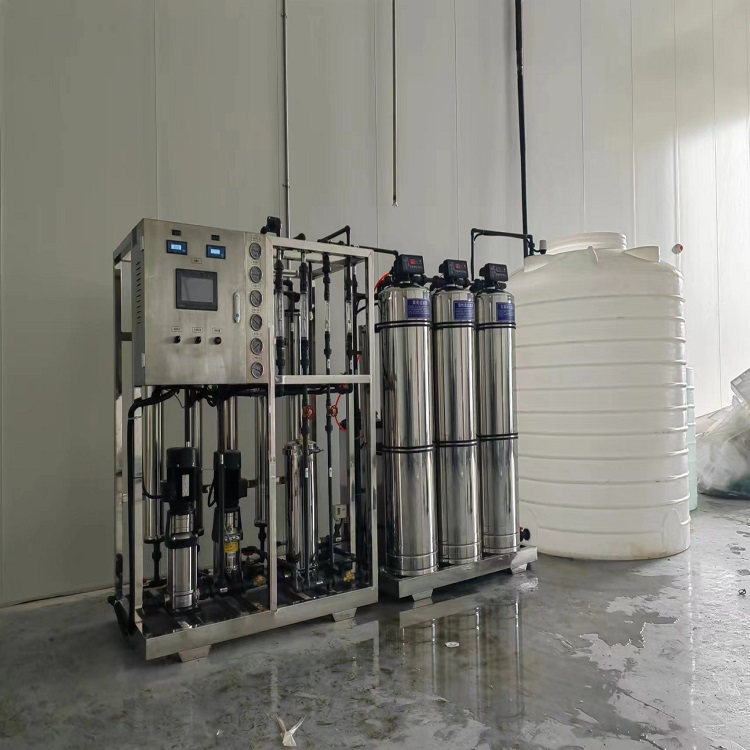
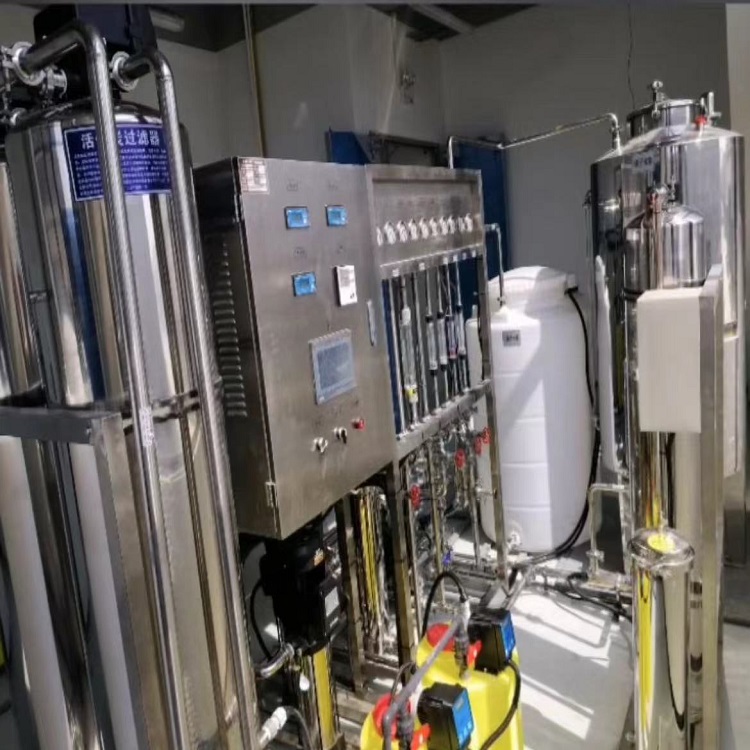
Equipment Features:
High permeability and high desalination rate. Normally ≥98%.
2. High retention and removal efficiency for organic matter, colloids, particles, bacteria, viruses, and heat sources.
3. Low energy consumption, high water utilization rate, and operation costs lower than other desalination equipment.
The separation process does not involve phase transitions, offering reliable stability.
5. Compact in size, easy to operate and maintain, highly adaptable, and with a long service life.
Application Fields:
Deep-processing water for grain and food products.
2. Dairy processing and production.
Fermentation and brewing of beer, white wine, and red wine.
4. Decolorization and purification of sugars.
5. Production water for beverages and concentration filtration of juice.
6. Deep processing of aquatic products (including the soaking of sea cucumbers, and the production of preservation dry ice, etc.).


b2b.china9.net © Zhongshang 114 Hebei Network Technology Co., Ltd.Address: Room 6009, Oriental New World Center, No.118 East Zhongshan Road, Qiaoxi District, Shijiazhuang City, Hebei ProvincePlatform Service Hotline: 4006299930