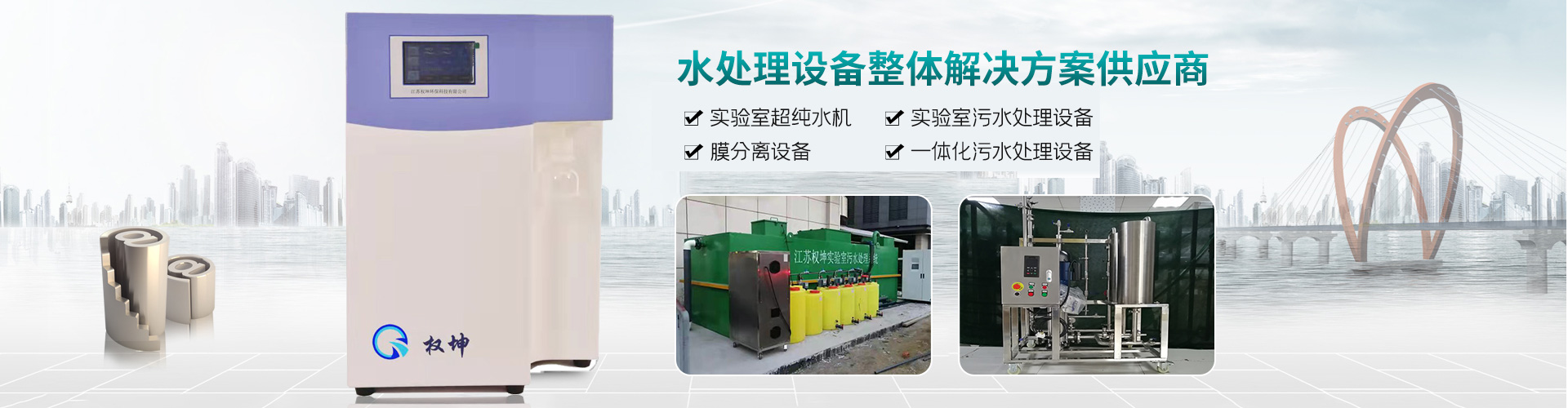
Water Treatment Equipment, Wastewater Treatment Equipment...


Product Recommendation
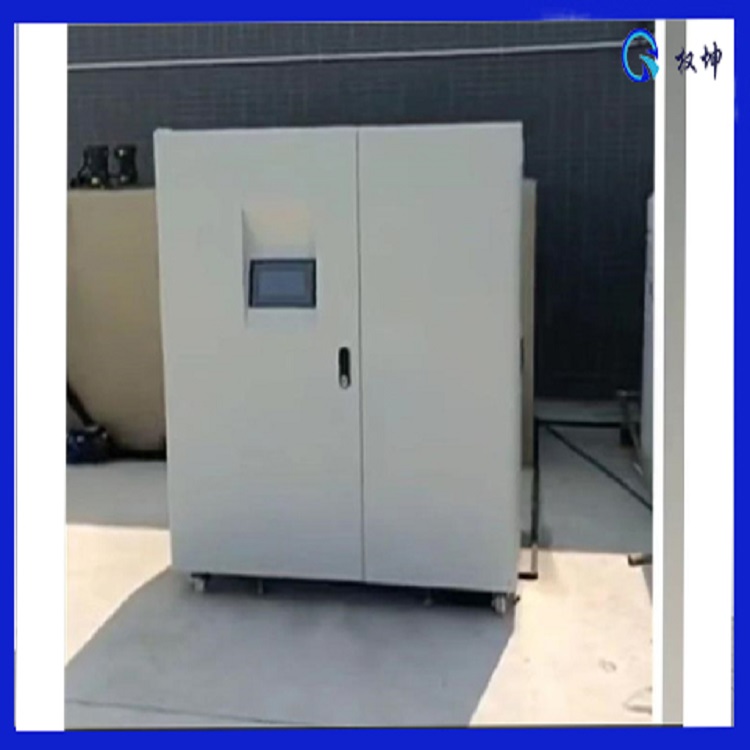
Quan Kun - Comprehensive Laboratory Waste Water Treatment Equipment - Remote Monitoring - Automated Control
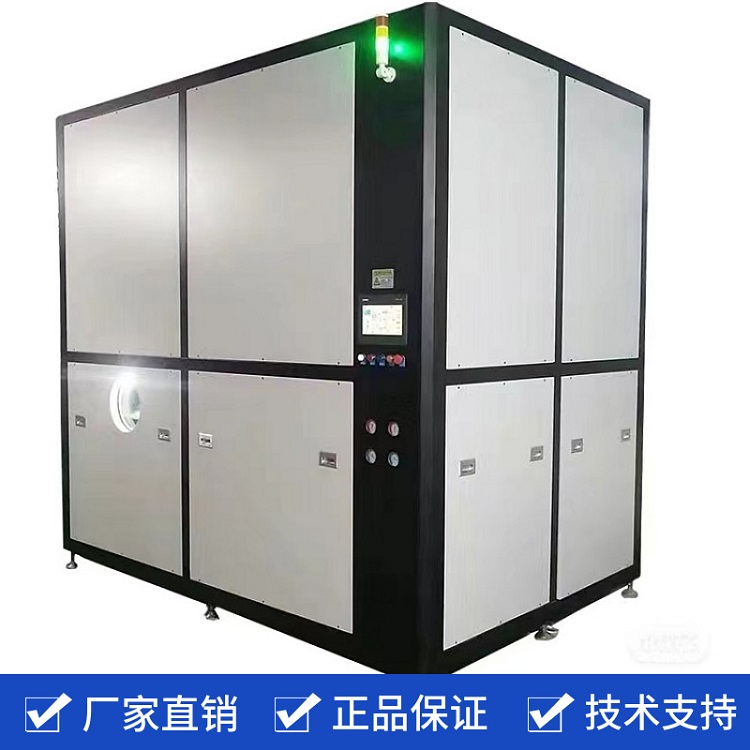
Sodium Chloride Wastewater Low-Temperature Evaporator - Intelligent Automatic - Quankun - Integrated Design
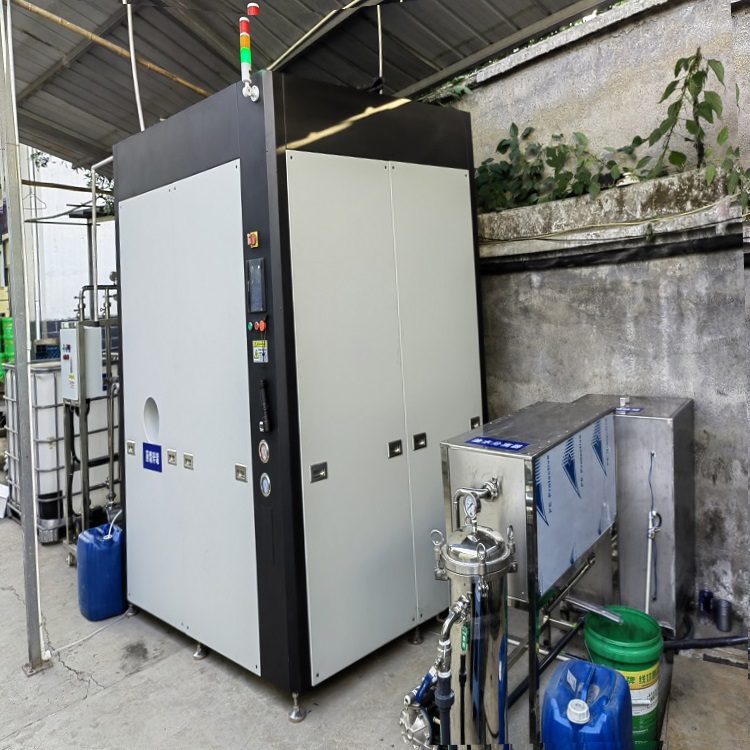
High-Concentration Oil Emulsion Waste Water Treatment Equipment - Quankun - Evaporator Unit - High Concentration Ratio
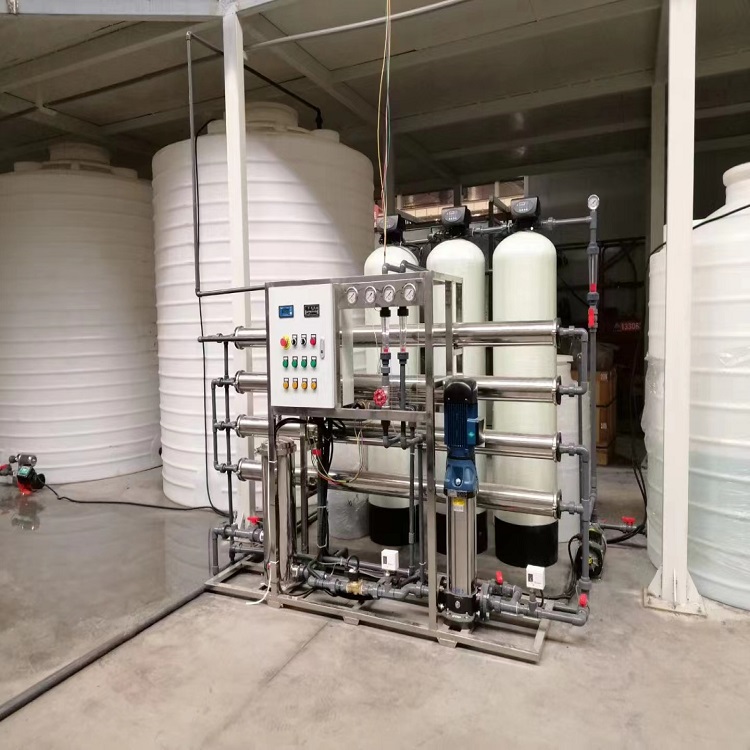
Industrial Pure Water Equipment EDI Ultra-Pure Water System Fully Automatic Control Quankun Environmental Protection
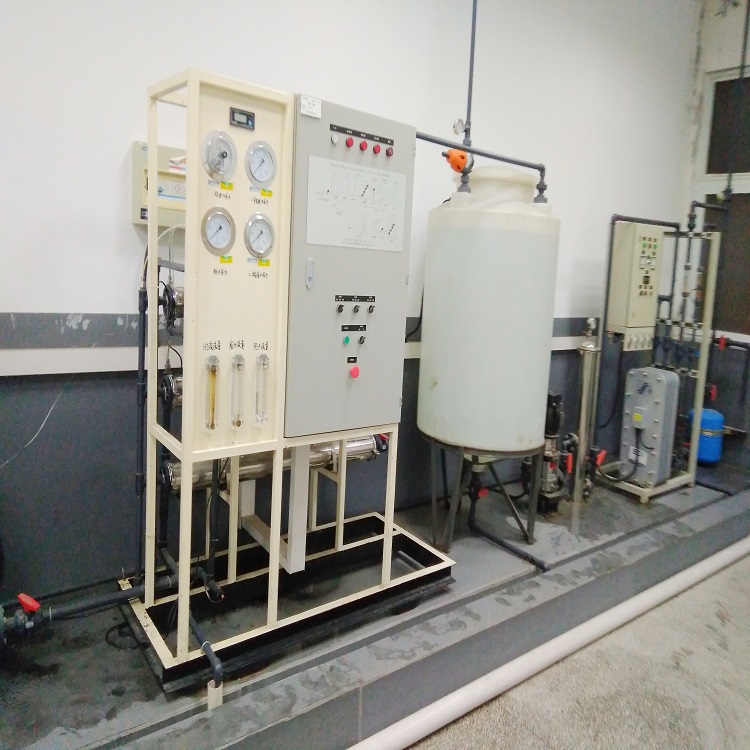
Shenzhen Industrial Ultra-Pure Water Equipment, equipped with EDI system, features low energy consumption and high degree of automation.
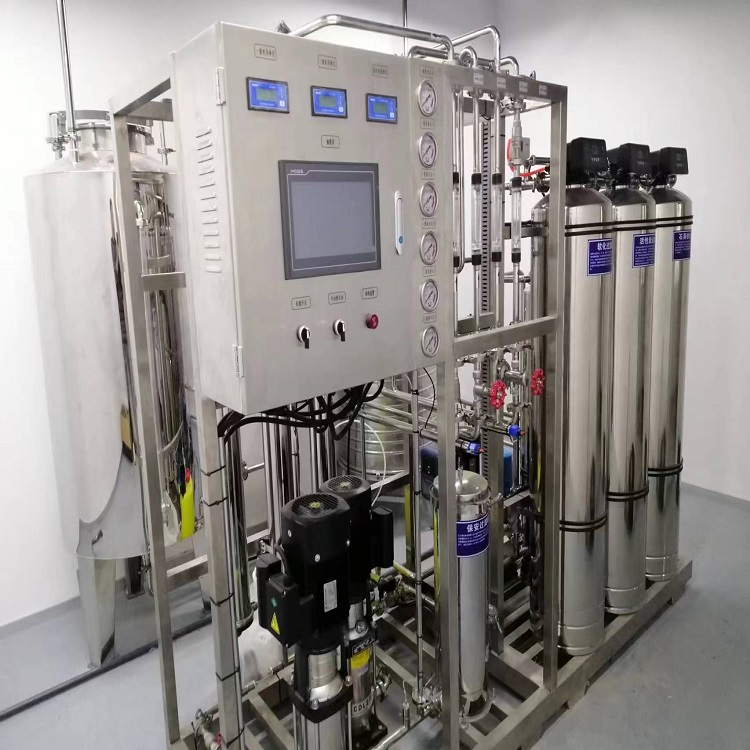
Shanghai industrial pure water production equipment reverse osmosis filtration system with high yield and customizable options, Quankun brand.
The laboratory pure water system is an indispensable basic equipment in modern scientific research, medical, and industrial fields. Its core objective is to remove impurities, ions, microorganisms, and organic matter from water through multiple purification technologies, ultimately producing high-purity water that meets various experimental requirements. The working principle and application scenarios of this system involve complex physical and chemical processes, requiring the coordinated completion of technologies such as reverse osmosis, ion exchange, and ultrafiltration.
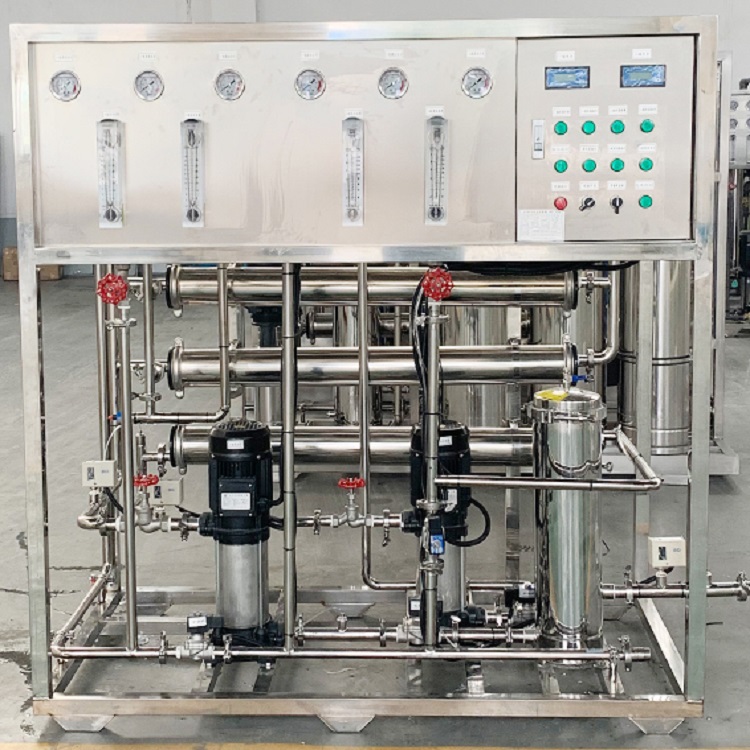
The core of the laboratory pure water system lies in the synergistic action of multi-stage purification modules. For instance, reverse osmosis (RO) technology utilizes the selective permeability of semi-permeable membranes to allow water molecules to pass through the membrane under high pressure, while dissolved salts, colloids, and other pollutants are retained, achieving a removal rate of 90%-99%. Reverse osmosis is typically a critical step after pretreatment, significantly reducing the electrical conductivity of water.
Ion exchange technology further purifies water quality through chemical displacement reactions in a resin bed. Cationic resins absorb positive ions like Ca²⁺ and Mg²⁺ from the water and release H⁺, while anionic resins absorb negative ions such as Cl⁻ and SO₄²⁻ and release OH⁻. The combination of both achieves deep desalination, raising the resistivity to the ultra-pure water standard of 10-18.2 MΩ·cm.
Additionally, ultrafiltration (UF) and ultraviolet oxidation (UV) technologies are employed to retain microorganisms, pyrogens, and degrade organic matter. The pore size of ultrafiltration membranes is typically 0.01-0.1 micrometers, effectively blocking bacteria and particulates; UV lamps disrupt the DNA structure of microorganisms at a 254nm wavelength, while the 185nm wavelength oxidizes organic matter into small molecules that can be removed by subsequent processes.
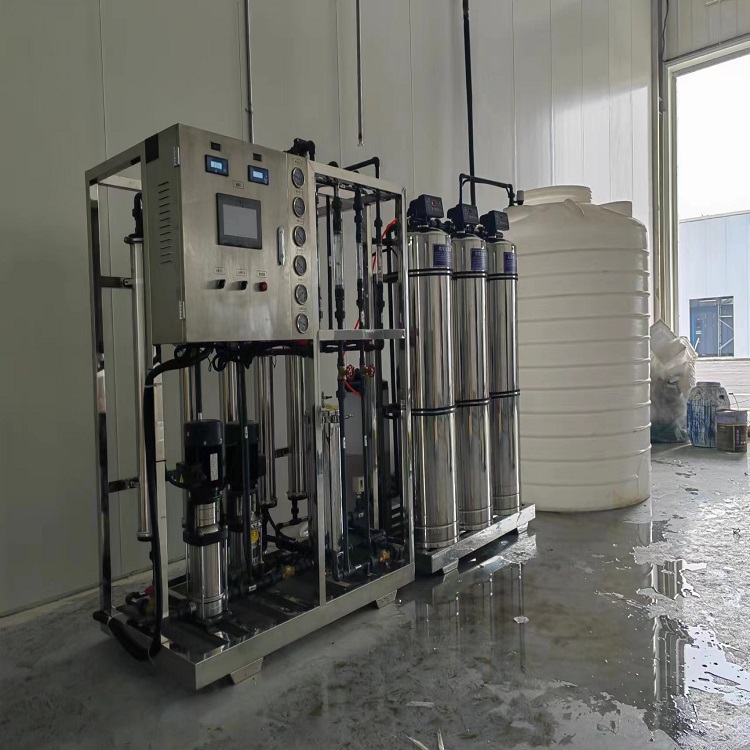
Based on purity levels and application scenarios, laboratory pure water systems are primarily categorized into three types:
1. Basic Pure Water System: Produces water quality resistivity of approximately 0.1-1 MΩ·cm, suitable for basic needs such as glassware cleaning and high-pressure sterilization, commonly using a combination of activated carbon adsorption and microfiltration processes.
2. Ultra-Pure Water System: Resistivity ≥ 18.2 MΩ·cm, Total Organic Carbon (TOC) < 5 ppb, designed for precise experiments such as HPLC and Mass Spectrometry analysis, requiring integration of multi-stage modules like RO-EDI (Reverse Osmosis - Electrodeionization) and Polished Mixed Bed.
3. Dedicated Systems: For applications such as cell culture with pyrogen-free water (bacterial endotoxins < 0.001 EU/mL) or semiconductor cleaning with low-silica water, targeted increases in ultrafiltration or special resin modules are required.
In the biopharmaceutical field, ultra-pure water is the basic solvent for molecular biology experiments such as PCR and electrophoresis, with any ion residue potentially leading to false-positive results. For instance, nucleic acid sequencing requires extremely low levels of RNase/DNase in the water, necessitating a dedicated inactivation module.
In industrial quality inspection, ICP-MS (Inductively Coupled Plasma Mass Spectrometry) requires the use of ultra-pure water with a TOC (Total Organic Carbon) level below 1 ppb to avoid background interference. The electronics industry is sensitive to trace elements like silicon and boron, necessitating a customized solution with dual-stage RO (Reverse Osmosis) and ultra-purification columns.
When selecting, consider the following factors:
Water Quality Requirements: Determine resistance, TOC, and microbial limits based on experimental instrument parameters.
Flow requirements: Continuous water production types are suitable for large-scale water usage, while storage tank types accommodate intermittent demands.
Maintenance Costs: The RO membrane has a lifespan of approximately 1-3 years, and resins require regular regeneration; the frequency of consumables replacement affects long-term costs.
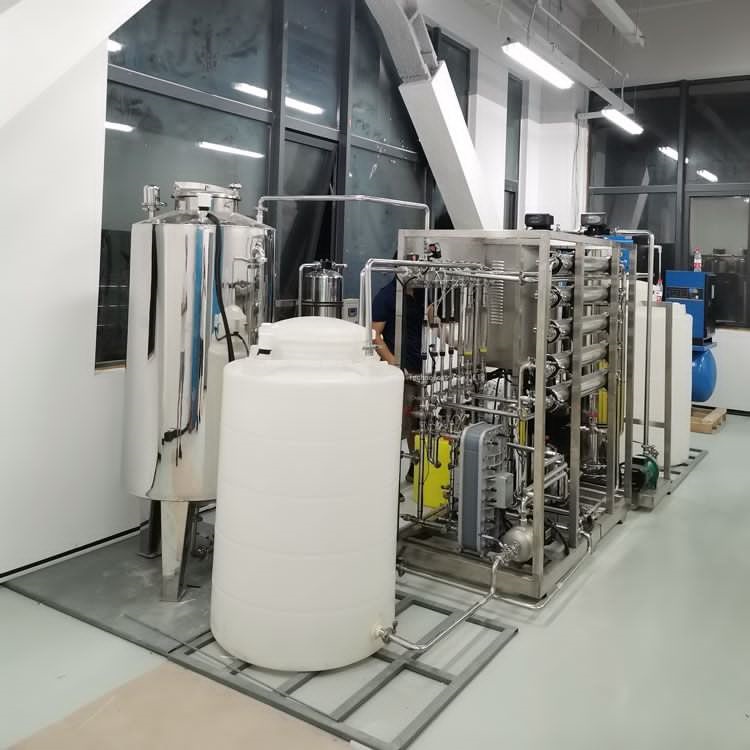
The primary issues currently facing the system include inadequate removal efficiency of emerging pollutants such as microplastics, as well as the risk of secondary microbial contamination (such as the formation of biofilms in water storage tanks).
Green design is also becoming a trend, with some manufacturers introducing zero wastewater RO systems that enhance recovery rates to over 80% through concentrated water recycling technology. Additionally, modular design allows users to flexibly expand UV or UF units according to their experimental upgrade needs.


b2b.china9.net © Zhongshang 114 Hebei Network Technology Co., Ltd.Address: Room 6009, Oriental New World Center, No.118 East Zhongshan Road, Qiaoxi District, Shijiazhuang City, Hebei ProvincePlatform Service Hotline: 4006299930