Water Treatment Equipment, Wastewater Treatment Equipment...


Product Recommendation
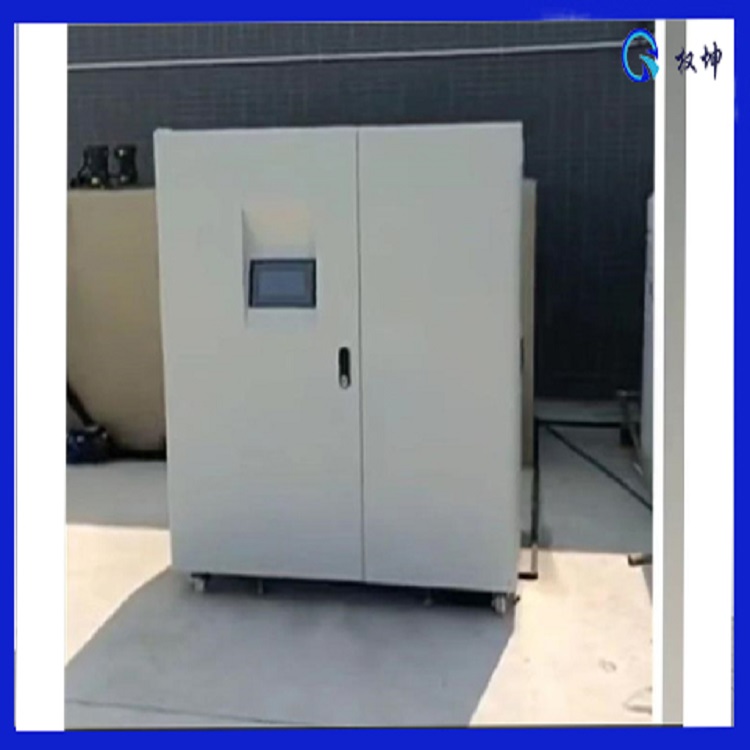
Quan Kun - Comprehensive Laboratory Waste Water Treatment Equipment - Remote Monitoring - Automated Control
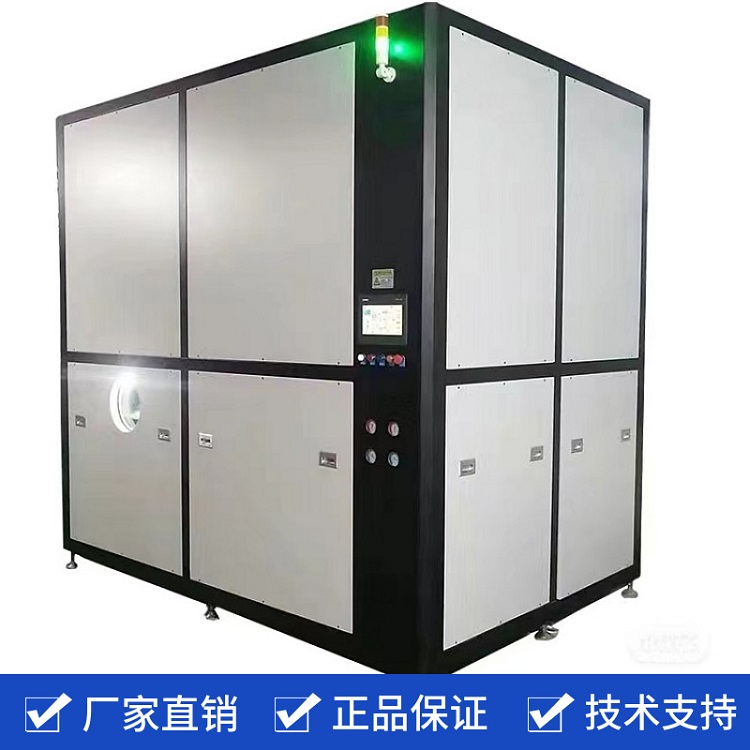
Sodium Chloride Wastewater Low-Temperature Evaporator - Intelligent Automatic - Quankun - Integrated Design
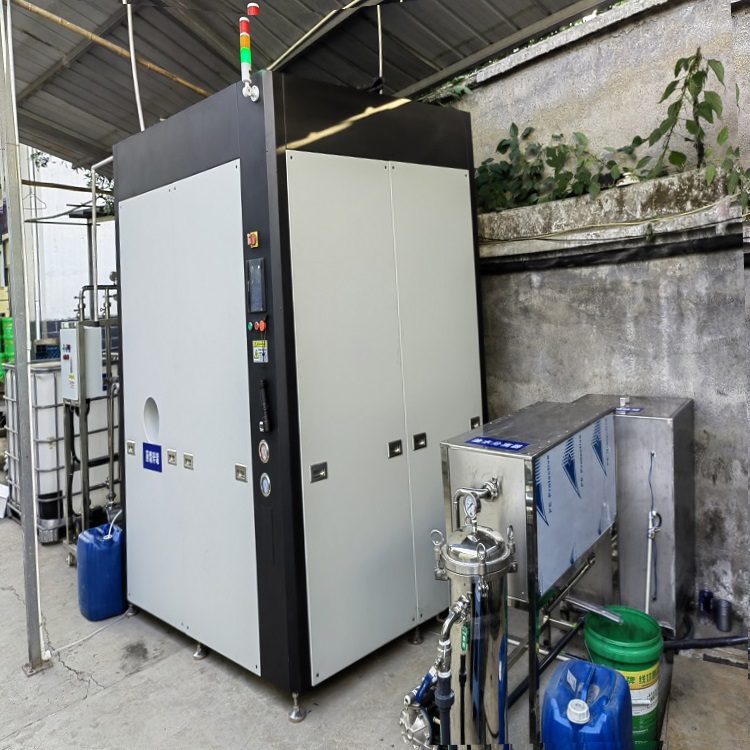
High-Concentration Oil Emulsion Waste Water Treatment Equipment - Quankun - Evaporator Unit - High Concentration Ratio
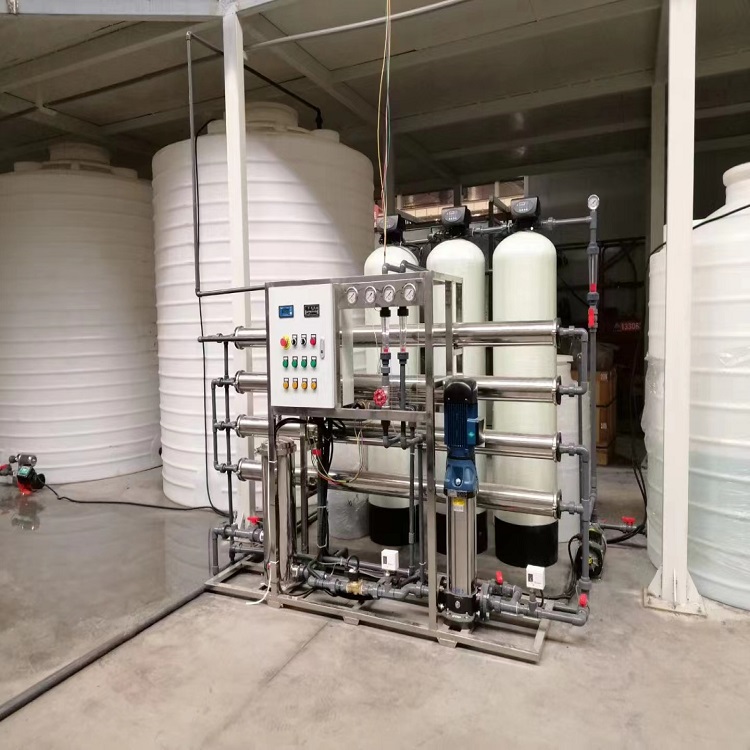
Industrial Pure Water Equipment EDI Ultra-Pure Water System Fully Automatic Control Quankun Environmental Protection
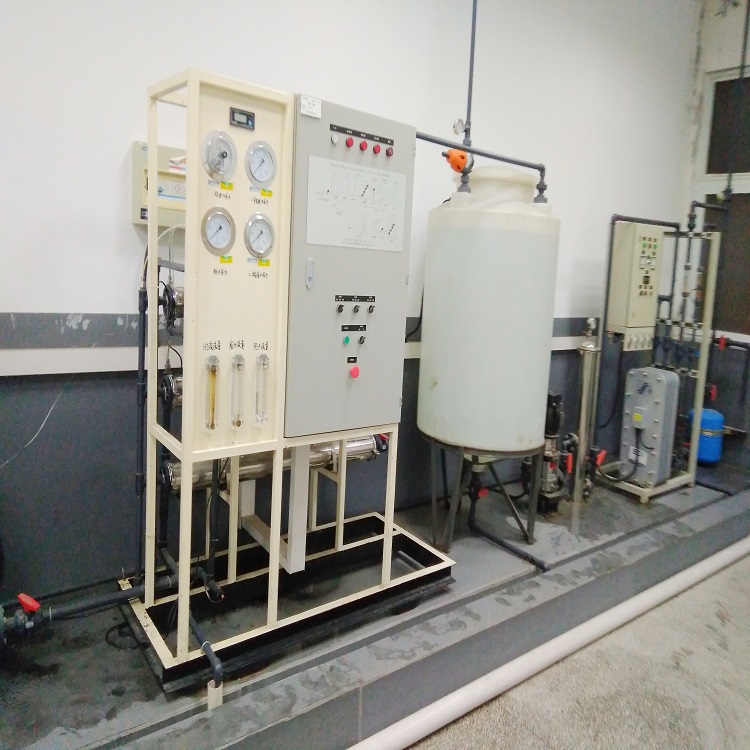
Shenzhen Industrial Ultra-Pure Water Equipment, equipped with EDI system, features low energy consumption and high degree of automation.
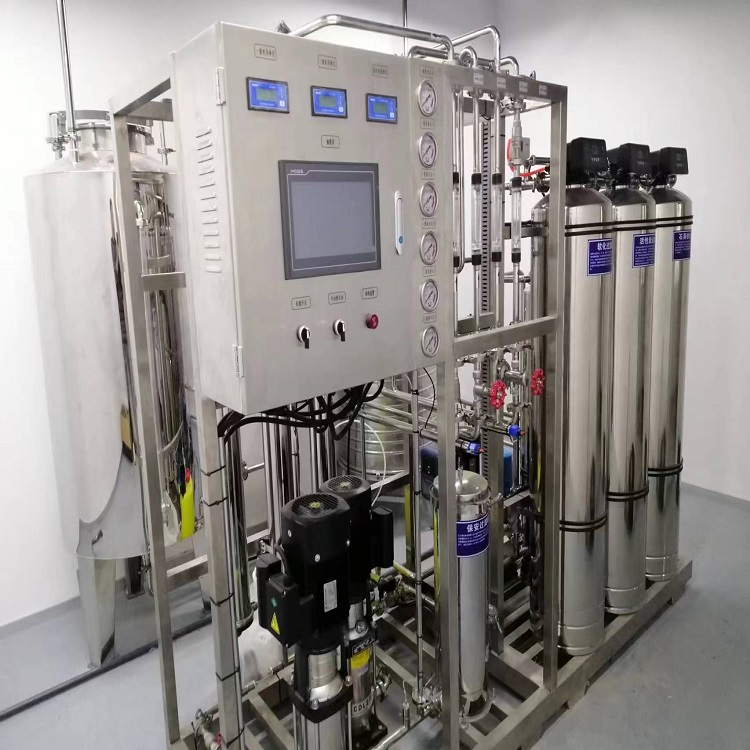
Shanghai industrial pure water production equipment reverse osmosis filtration system with high yield and customizable options, Quankun brand.
In modern technology and daily life, pure water systems play a crucial role. From laboratories, the medical field, industrial production, to household use, their applications are vast and varied. Their core function is to remove impurities, ions, microorganisms, and other harmful components from water, providing high-purity water that meets specific requirements. This ensures the accuracy of experimental results, safety in healthcare, stability in industrial production, and health in household water use.
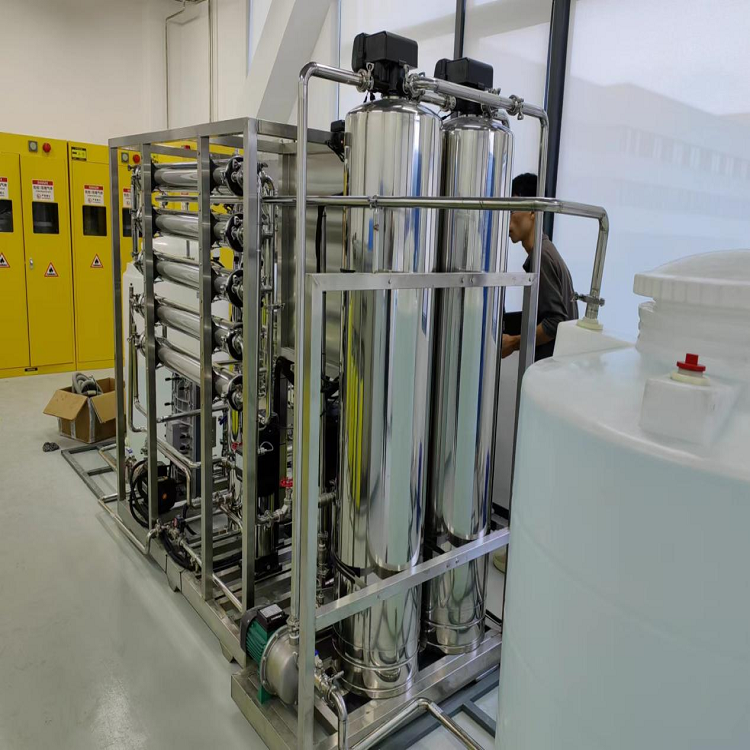
The laboratory is a crucial venue for scientific research and technological development, with the accuracy of experimental results often depending on the purity of the water used. The laboratory pure water system, utilizing multi-stage filtration and purification technologies, removes dissolved salts, organics, particles, and microorganisms from the water, providing various levels of pure water, such as Grade 1, Grade 2, and Grade 3 water. These pure waters are widely used in fields like chemical analysis, biological experiments, cell culture, and chromatography analysis. For instance, in High-Performance Liquid Chromatography (HPLC), high-purity water as the mobile phase can prevent impurities from interfering with the detection results; in molecular biology experiments, ultra-pure water is used to prepare buffers and culture media, ensuring the stability of DNA, RNA, and proteins. The efficiency and stability of the laboratory pure water system offer a reliable foundation for scientific research.
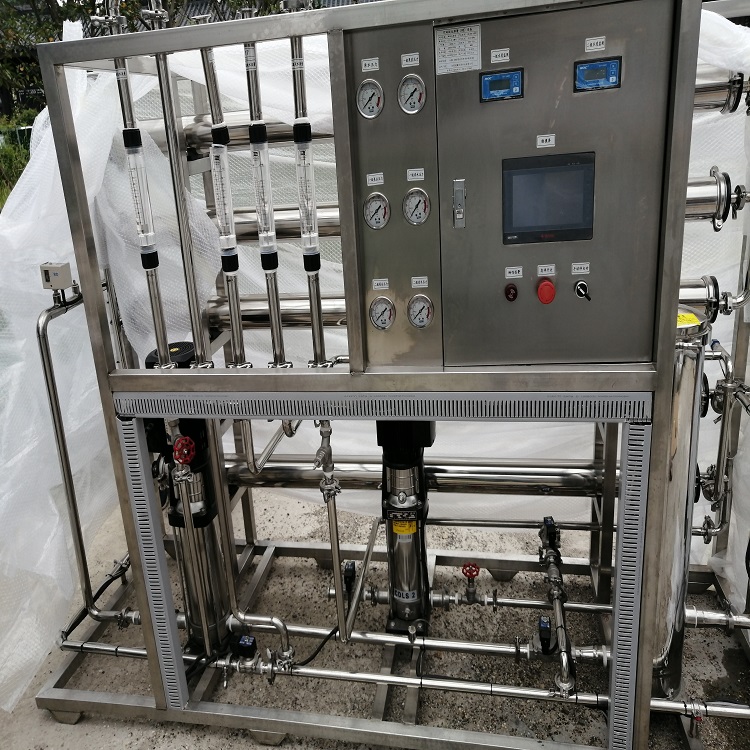
The medical field has stringent requirements for water quality, particularly in processes such as pharmaceutical production, hemodialysis, and surgical instrument cleaning. Medical ultra-pure water systems, utilizing technologies like reverse osmosis, ion exchange, and ultra-filtration, remove harmful substances like bacteria, endotoxins, and heavy metals from water, ensuring compliance with medical standards. For instance, in hemodialysis, ultra-pure water is used to prepare dialysate, which comes into direct contact with the patient's blood, and any trace impurities can lead to serious health issues. Moreover, the pharmaceutical industry demands even higher purity levels, with ultra-pure water being a crucial raw material for producing drugs like zhushenj and yanyao. These systems not only ensure patient safety but also enhance the quality of medical care and the reliability of pharmaceuticals.
Reverse osmosis (RO) technology is one of the core technologies of pure water systems, removing dissolved salts, colloids, organic matter, and microorganisms from water through selective filtration by a semi-permeable membrane. RO pure water systems are widely used in industrial production and domestic water use. In industrial production, sectors such as electronics, power, and chemicals require high-purity water as raw materials or cooling mediums.
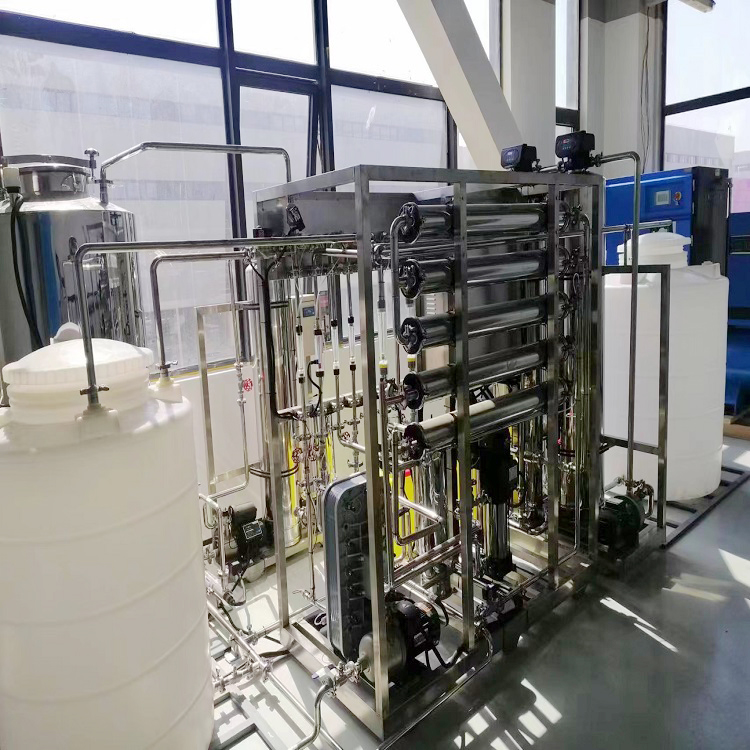
Pure water systems, as an integral part of modern technology and life, play a crucial role not only in providing high-purity water but also in ensuring safety and efficiency in research, healthcare, industry, and households. With the continuous innovation of technology, the application scope of pure water systems will expand further, and their importance will become increasingly evident. Whether it's precise experiments in laboratories or daily drinking water in homes, pure water systems silently fulfill an indispensable role, contributing to the progress of human society and the promotion of a healthy lifestyle.


b2b.china9.net © Zhongshang 114 Hebei Network Technology Co., Ltd.Address: Room 6009, Oriental New World Center, No.118 East Zhongshan Road, Qiaoxi District, Shijiazhuang City, Hebei ProvincePlatform Service Hotline: 4006299930