Water Treatment Equipment, Wastewater Treatment Equipment...


Product Recommendation
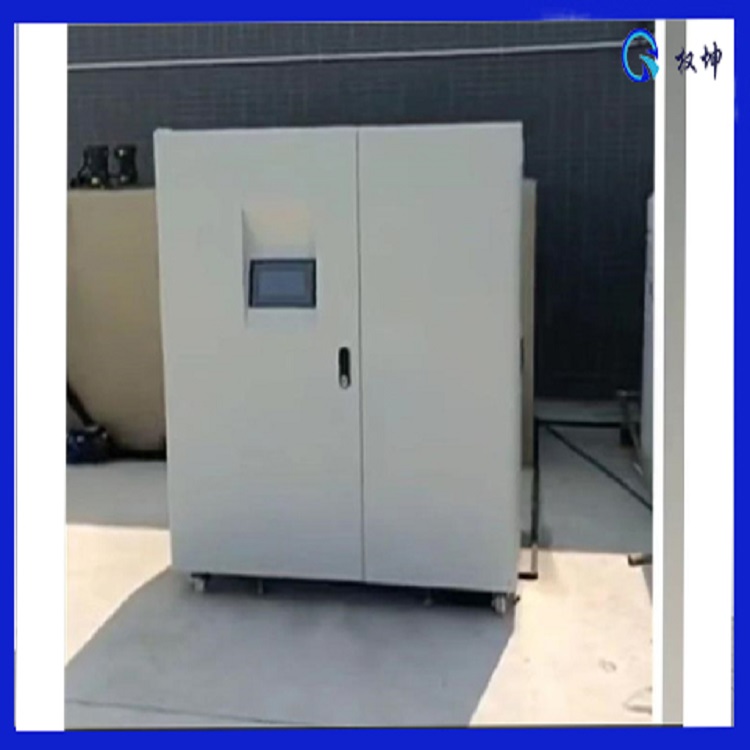
Quan Kun - Comprehensive Laboratory Waste Water Treatment Equipment - Remote Monitoring - Automated Control
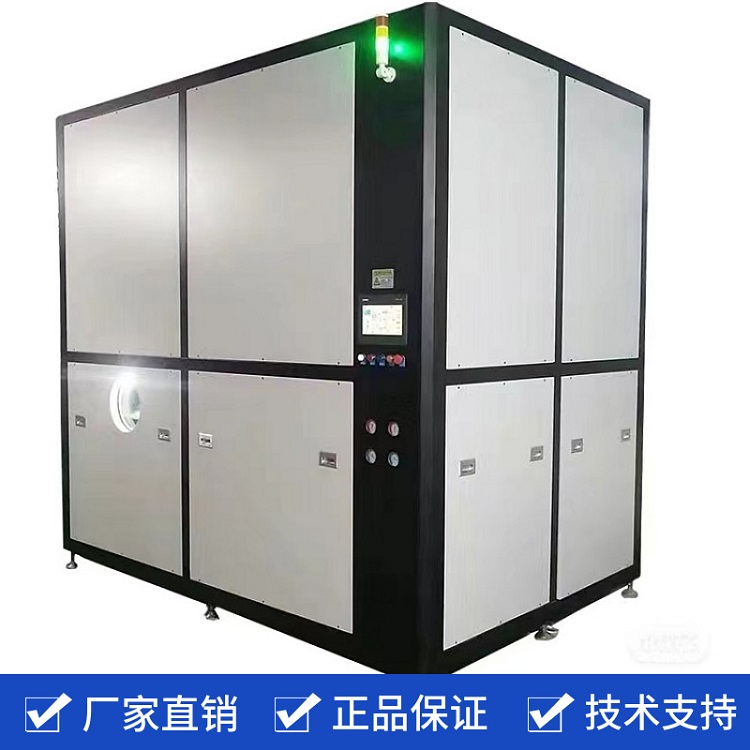
Sodium Chloride Wastewater Low-Temperature Evaporator - Intelligent Automatic - Quankun - Integrated Design
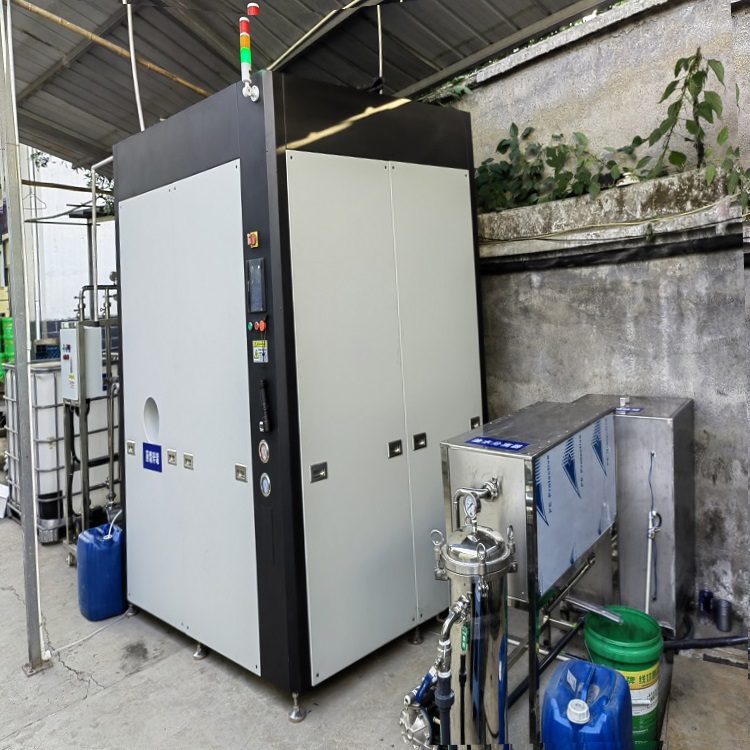
High-Concentration Oil Emulsion Waste Water Treatment Equipment - Quankun - Evaporator Unit - High Concentration Ratio
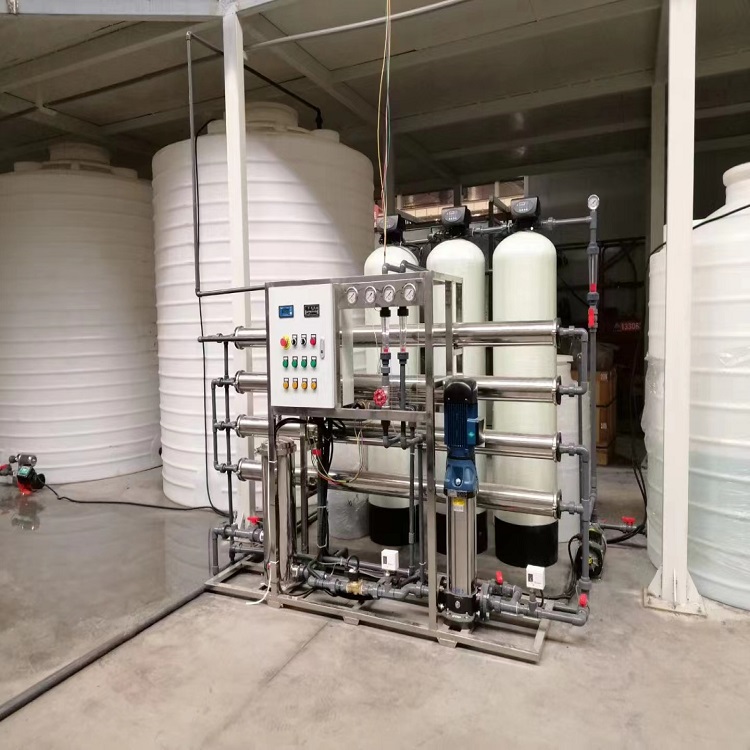
Industrial Pure Water Equipment EDI Ultra-Pure Water System Fully Automatic Control Quankun Environmental Protection
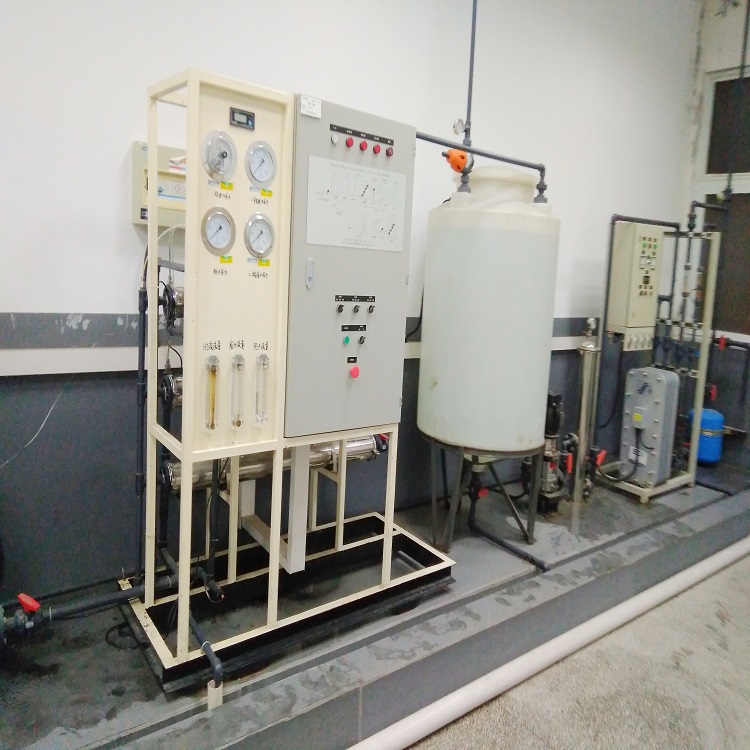
Shenzhen Industrial Ultra-Pure Water Equipment, equipped with EDI system, features low energy consumption and high degree of automation.
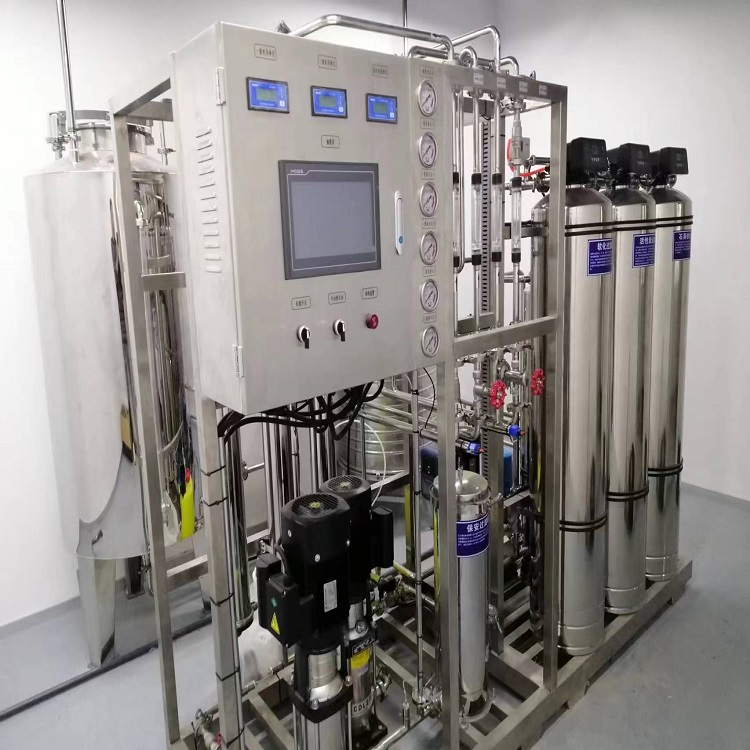
Shanghai industrial pure water production equipment reverse osmosis filtration system with high yield and customizable options, Quankun brand.
Cutting fluid wastewater is one of the main pollutants in the machining industry, containing mineral oils, surfactants, heavy metal ions, and various additives, making its treatment challenging and posing high environmental risks. As environmental regulations become increasingly stringent, how to efficiently treat cutting fluid wastewater has become an urgent issue in the manufacturing sector. The following is an integrated treatment plan based on current technological advancements and practical experience:
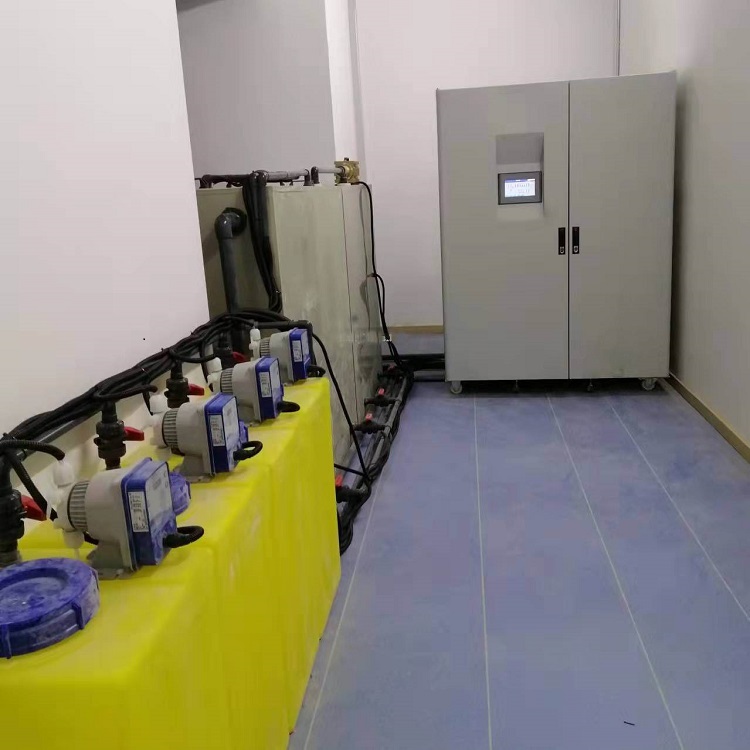
Physical Treatment Technology: A Key Pre-treatment Phase
Oil Separation Sedimentation Method
By utilizing the principle of gravity separation, the inclined plate grease separator can remove over 60% of the floating oil from wastewater. A practice by an automotive parts company shows that after the wastewater is left to settle for 48 hours, the thickness of the floating oil on the surface can reach 5-8 cm. The recovered waste oil, after refining, can be used as fuel. To enhance efficiency, the separator can be paired with a coalescer, which uses special oil-attracting materials to merge tiny oil droplets into larger oil beads.
2. Floating Technology Upgrade
The Dissolved Air Flotation (DAF) system achieves an 85% removal rate for emulsified oil by releasing microbubbles of 30-50μm. The developed nano-bubble flotation technology reduces the bubble diameter to below 200nm, boosting the oil droplet removal rate to 92%.
3. Membrane Separation Technology Breakthrough
The ceramic ultrafiltration membrane (pore size 0.1μm) operates stably at a flux of 80 L/(m²·h) under 60℃ conditions, with a retention rate exceeding 95%.
Chemical Treatment Technology: Demulsification and Deep Oxidation
Emulsifier Optimization Solution
The composite demulsifier (such as cationic + non-ionic in a 1:3 ratio) exhibits excellent demulsifying performance at pH=3. Experimental data shows that compared to a single demulsifier, the composite formulation can reduce the oil-water separation time by 60% and decrease the sludge volume by 35%.
Advanced Oxidation Technology
Fenton reagent (H₂O₂/Fe²+=3:1) achieves a COD removal rate of 78% at pH=3.5. The emerging electrocatalytic oxidation technology using BDD electrodes demonstrates a TOC degradation rate exceeding 90% at a current density of 15mA/cm².
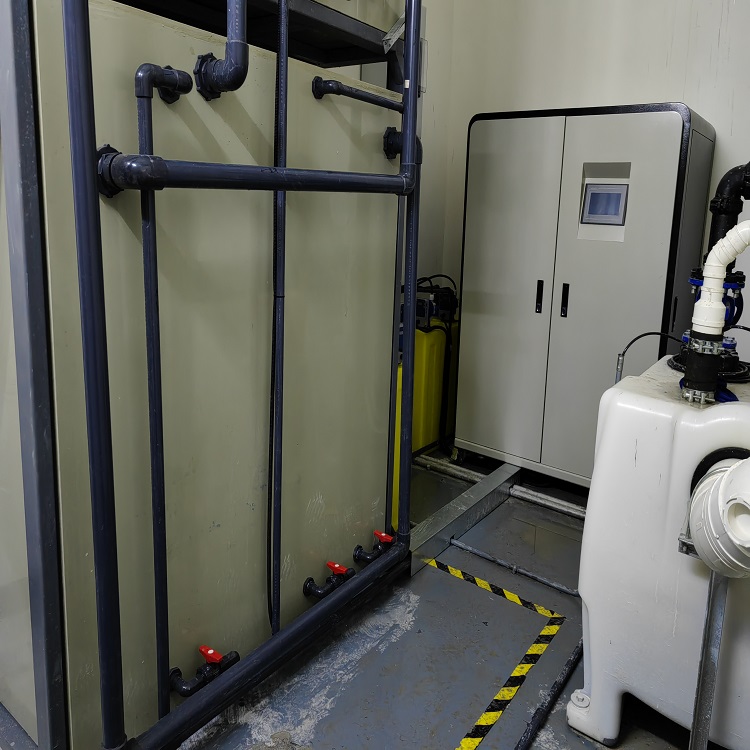
Biological Treatment Technology: A Choice for Sustainable Development
Efficient strain cultivation
Isolated Acinetobacter sp. can degrade 90% of mineral oil within 7 days under C/N = 20 conditions.
2. Biofilm Reactor Innovation
The MBBR process utilizes polyethylene carriers (specific surface area of 500 m²/m³), achieving a biomass concentration of 15g/L and enhancing shock load resistance by a factor of 5.
New Direction for Resource Utilization
Reclaimed Oil Recycling Technology
The molecular distillation unit can recover 85% of the base oil under conditions of 180°C and 0.1 Pa.
2. Water Recycling System
The "Ultrafiltration + RO" dual-membrane water production method meets the cooling water requirements for processing centers with a reuse rate exceeding 70%. The intelligent control system automatically switches by online monitoring conductivity (<50μS/cm) and TOC (<5mg/L).
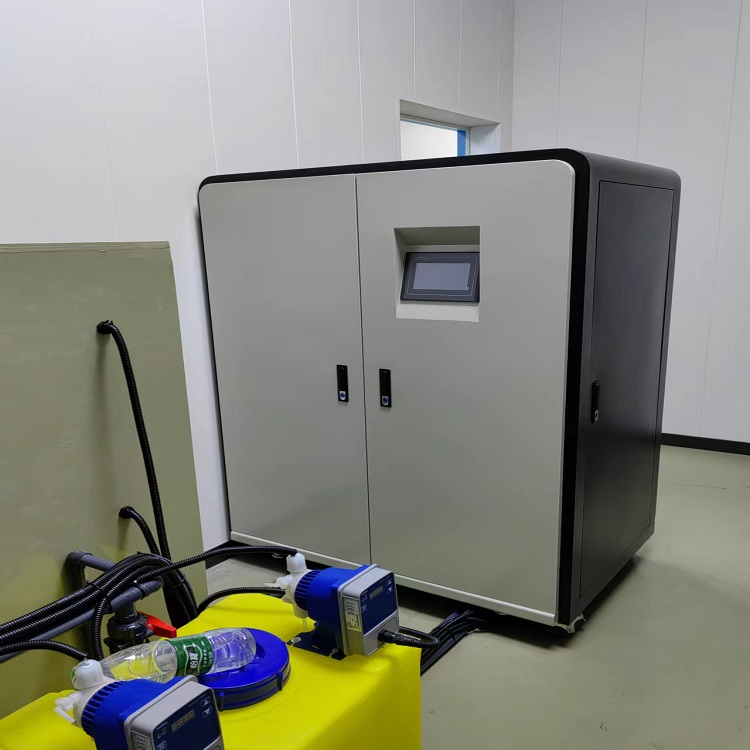
V. Management Optimization Suggestions
Establish a waste fluid classification and collection system, storing different types of cutting fluids separately.
2. Installed pH and COD online monitors, with data being uploaded in real-time to the environmental protection platform.
Regularly clean the machine tool oil-water separator to reduce pollution at its source.
4. Promoting micro-emulsified cutting fluids, which reduces the difficulty of wastewater treatment by 40% compared to emulsified types.


b2b.china9.net © Zhongshang 114 Hebei Network Technology Co., Ltd.Address: Room 6009, Oriental New World Center, No.118 East Zhongshan Road, Qiaoxi District, Shijiazhuang City, Hebei ProvincePlatform Service Hotline: 4006299930