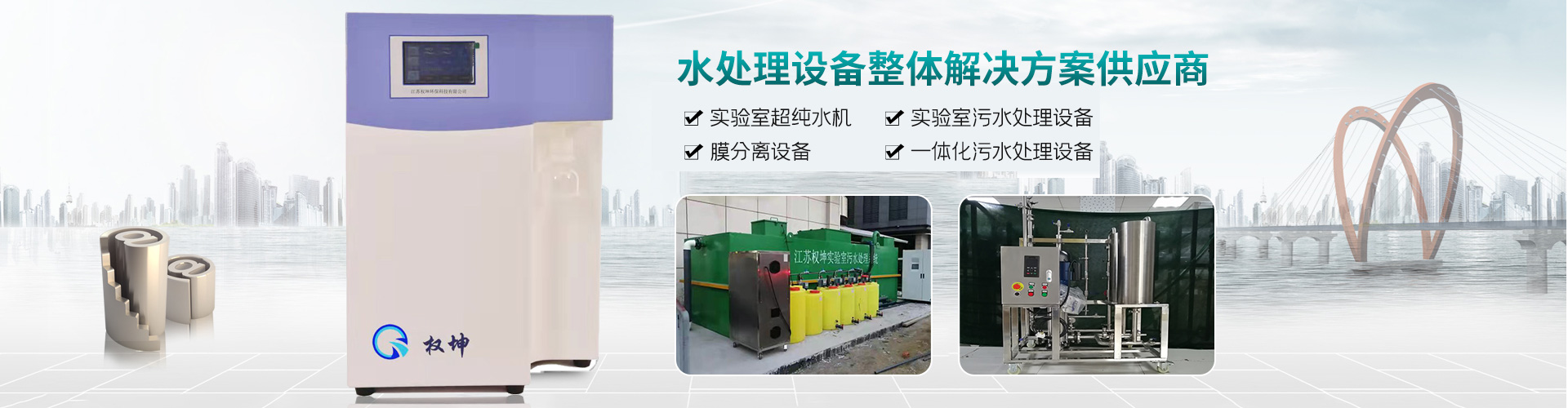
Water Treatment Equipment, Wastewater Treatment Equipment...


Product Recommendation
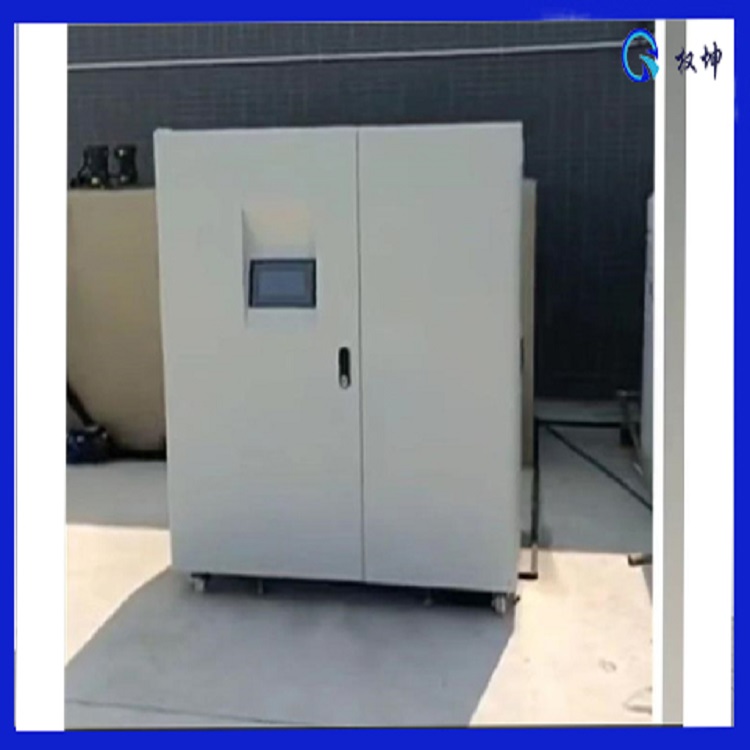
Quan Kun - Comprehensive Laboratory Waste Water Treatment Equipment - Remote Monitoring - Automated Control
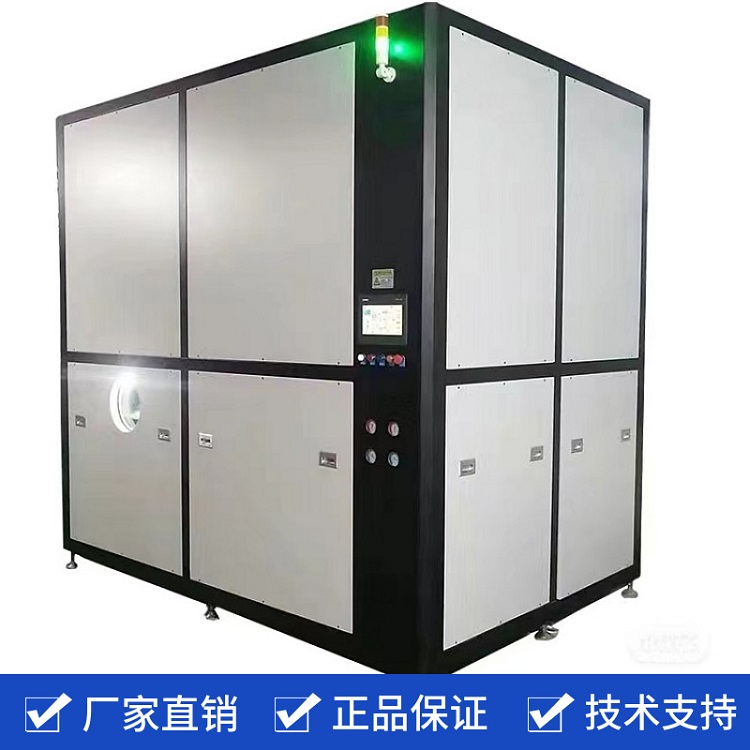
Sodium Chloride Wastewater Low-Temperature Evaporator - Intelligent Automatic - Quankun - Integrated Design
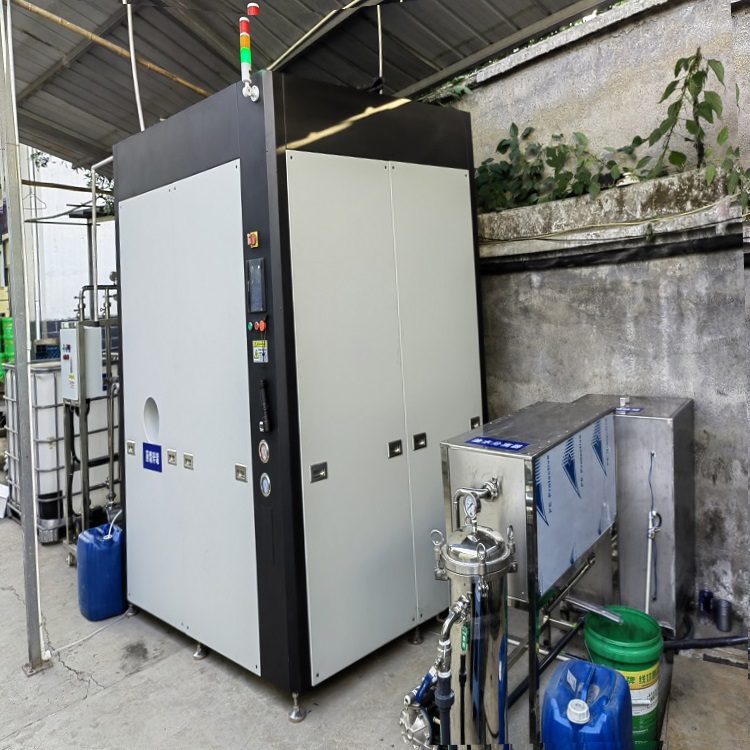
High-Concentration Oil Emulsion Waste Water Treatment Equipment - Quankun - Evaporator Unit - High Concentration Ratio
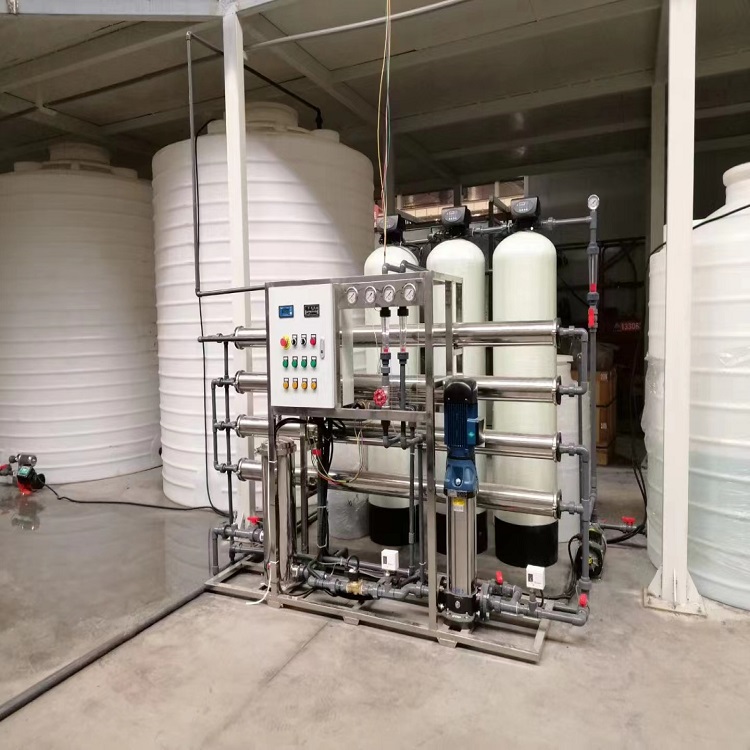
Industrial Pure Water Equipment EDI Ultra-Pure Water System Fully Automatic Control Quankun Environmental Protection
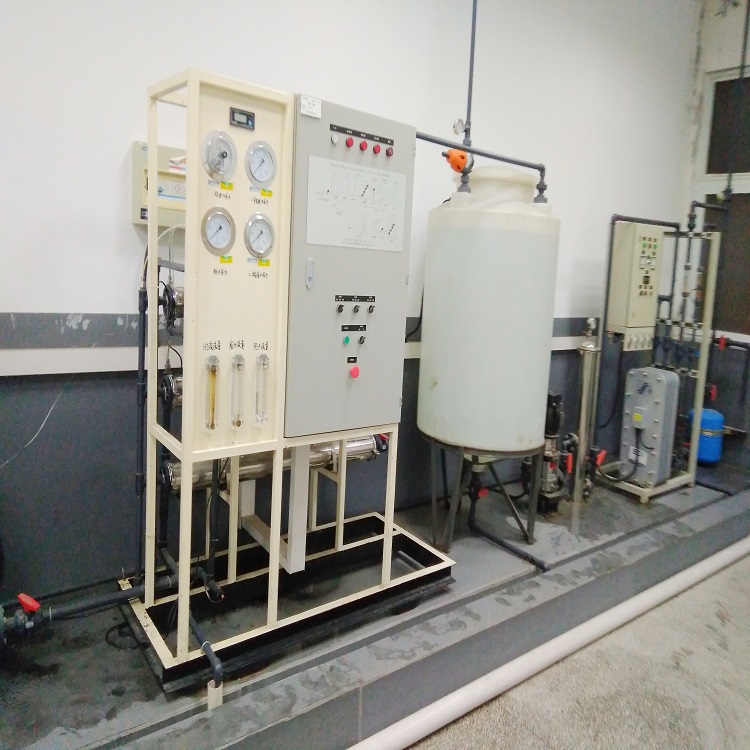
Shenzhen Industrial Ultra-Pure Water Equipment, equipped with EDI system, features low energy consumption and high degree of automation.
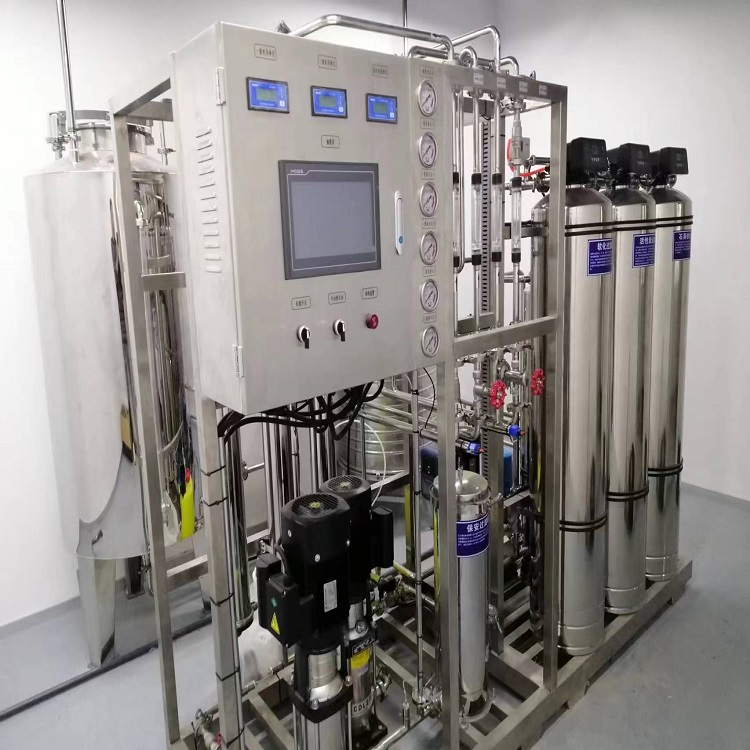
Shanghai industrial pure water production equipment reverse osmosis filtration system with high yield and customizable options, Quankun brand.
Cutting fluid wastewater is one of the main pollutants in the mechanical processing industry, with complex components including mineral oils, emulsifiers, heavy metal ions, and various additives. If discharged untreated, it poses severe threats to aquatic ecosystems and human health. Amid increasingly stringent environmental regulations and the worsening water scarcity issue, the treatment and recycling of cutting fluid wastewater have become a crucial step in the green transformation of the manufacturing sector.
Coolant wastewater from machine tool processing primarily originates from coolant replacement and equipment cleaning stages, characterized by: (1) High COD levels (usually reaching 5000-20,000 mg/L), mainly from mineral oils and surfactants; (2) Strong emulsification stability, with oil droplets often smaller than 20 micrometers, making conventional oil separation methods difficult; (3) Presence of heavy metals like zinc and chromium, as well as harmful elements such as boron and chlorine. This complex pollution nature leads to issues with the traditional "demulsification-flocculation-biological treatment" process, such as high treatment costs and fluctuating effluent water quality.
The current mainstream treatment technologies are divided into three major categories: materialization methods, biochemical methods, and combined processes.
Advanced Demulsification Technology: The new electrocoagulation device, utilizing adjustable pulse current (optimized to 15-30V/100-200A·m²), can reduce demulsification time to 20 minutes, saving up to 40% of chemical dosage compared to traditional demulsifiers.
Advanced Oxidation Process: The O3/UV technology demonstrates special advantages in the degradation of refractory organic matter. At an ozone dosage of 80 mg/L and UV intensity of 50 mJ/cm², the COD removal rate can reach over 85%.
3. Membrane Separation Technology: The rolled ultrafiltration-reverse osmosis (UF-RO) dual-membrane system achieves deep desalination.
4. Bio-Enhanced Technology: The immobilized microbial reactor (IMBR) loaded with specific strains (such as Pseudomonas CY-1) can elevate the biochemical COD removal load to 8 kg/(m³·d).
Treated cutting fluid wastewater can be recycled based on water quality classification.
High-Quality Reclaimed Water (RO Water): Suitable for washing precision instruments and boiler make-up, meeting the GB/T 19923-2005 industrial pure water standard.
UF Recycled Water (High-Quality Reuse): Suitable for workshop floor cleaning, landscaping irrigation, etc.
Low-quality reclaimed water (sludge effluent): After sand filtration and disinfection, it can be used for refilling firewater reservoirs.
Through a full lifecycle cost analysis, the adoption of the "Electrocatalytic Oxidation + IMBR + RO" integrated process incurs an initial investment 30% higher than traditional methods (approximately 5 million yuan for a 1,000-ton scale), but the additional investment can be recouped within 3-5 years through water-saving benefits.
Company News: (1) Prioritize water balance tests and develop tiered recycling plans; (2) Consider the differences in cutting fluid types (synthetic/half-synthetic/oleophilic) when selecting processes; (3) Establish an online monitoring and early warning system.
Recycling of cutting fluid wastewater has evolved from an environmental compliance requirement to a strategic choice for cost reduction and efficiency improvement for enterprises. With ongoing breakthroughs in membrane technology and intelligent control, the industry is expected to achieve an average recycling rate of over 80% in the next five years, providing crucial support for the low-carbon transformation of the manufacturing sector.


b2b.china9.net © Zhongshang 114 Hebei Network Technology Co., Ltd.Address: Room 6009, Oriental New World Center, No.118 East Zhongshan Road, Qiaoxi District, Shijiazhuang City, Hebei ProvincePlatform Service Hotline: 4006299930