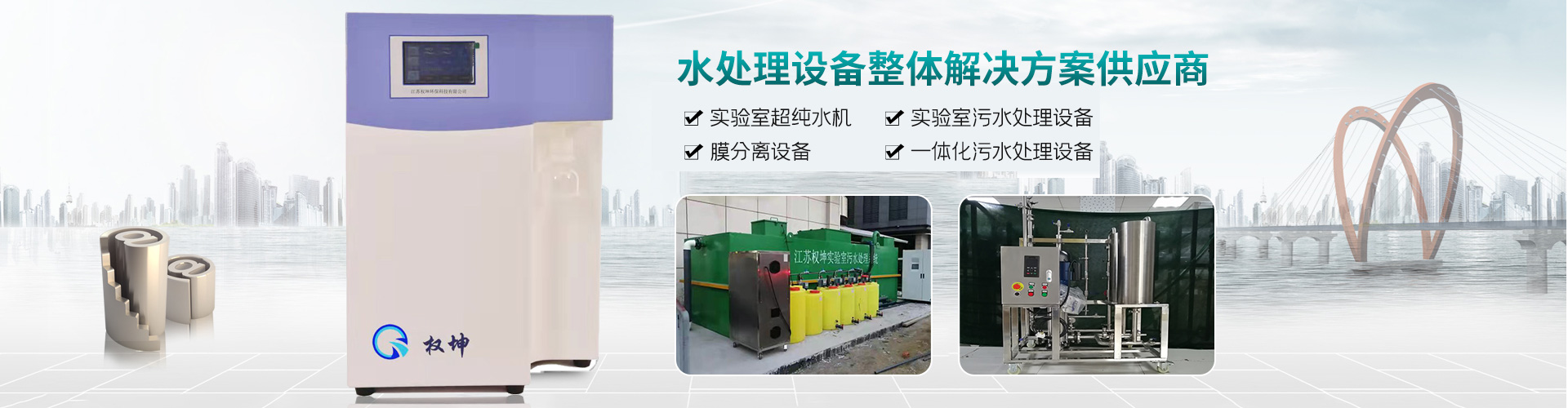
Water Treatment Equipment, Wastewater Treatment Equipment...


Product Recommendation
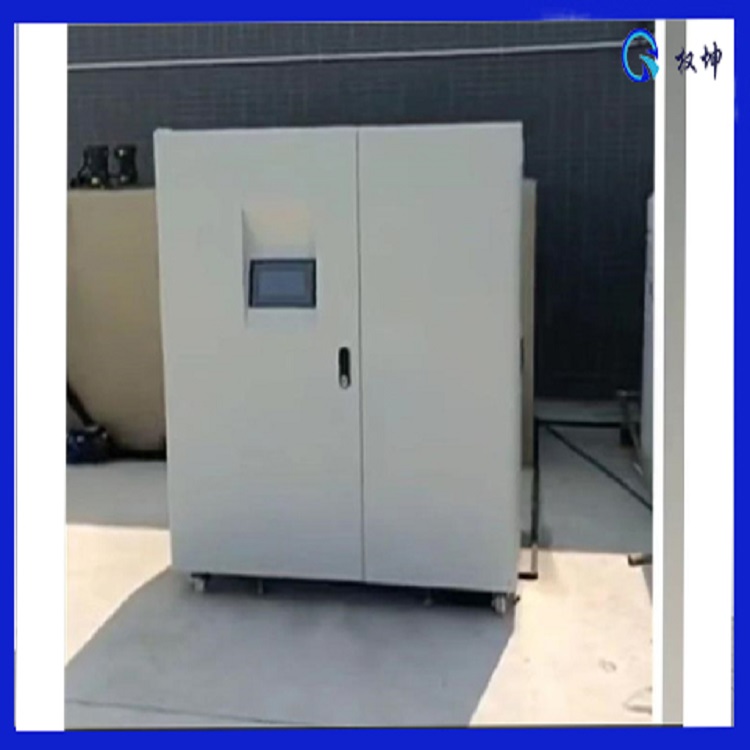
Quan Kun - Comprehensive Laboratory Waste Water Treatment Equipment - Remote Monitoring - Automated Control
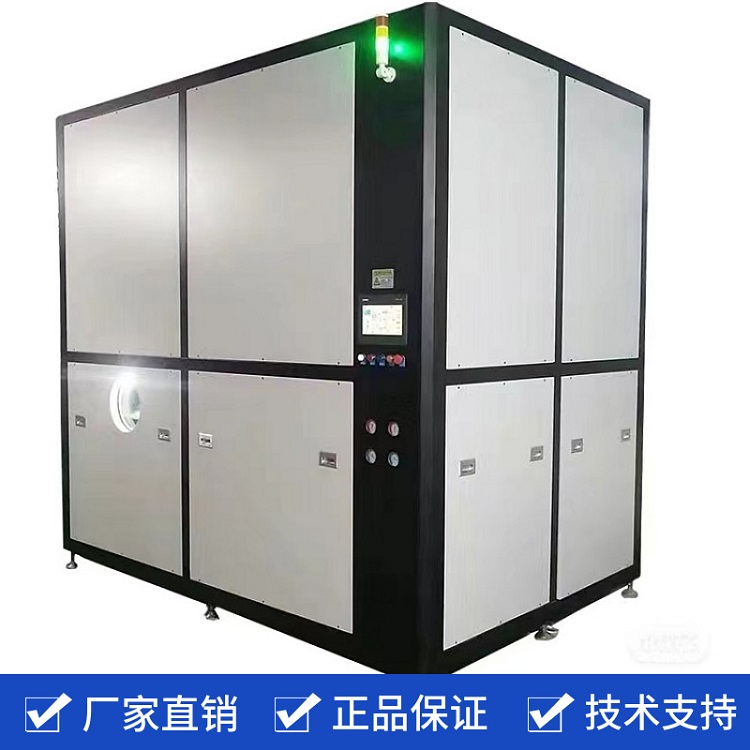
Sodium Chloride Wastewater Low-Temperature Evaporator - Intelligent Automatic - Quankun - Integrated Design
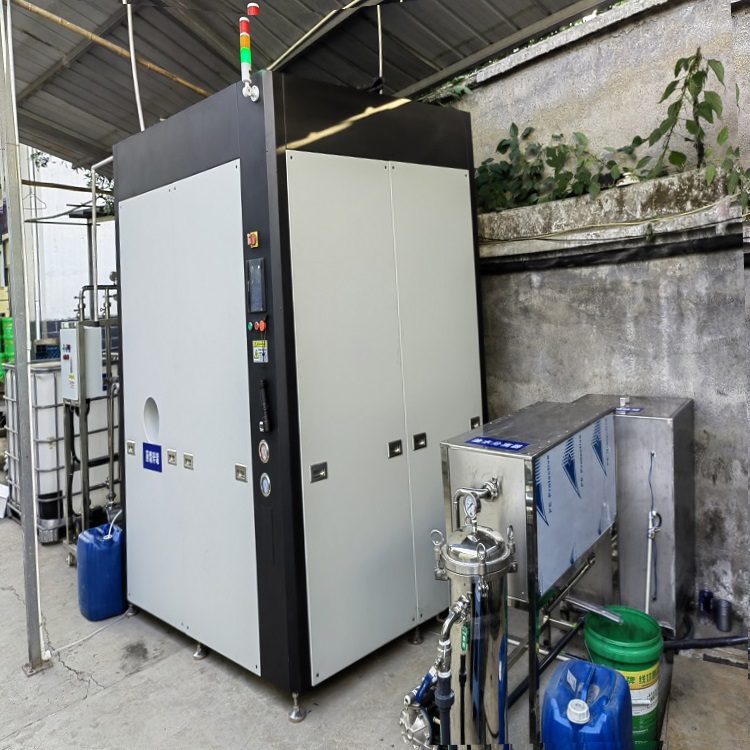
High-Concentration Oil Emulsion Waste Water Treatment Equipment - Quankun - Evaporator Unit - High Concentration Ratio
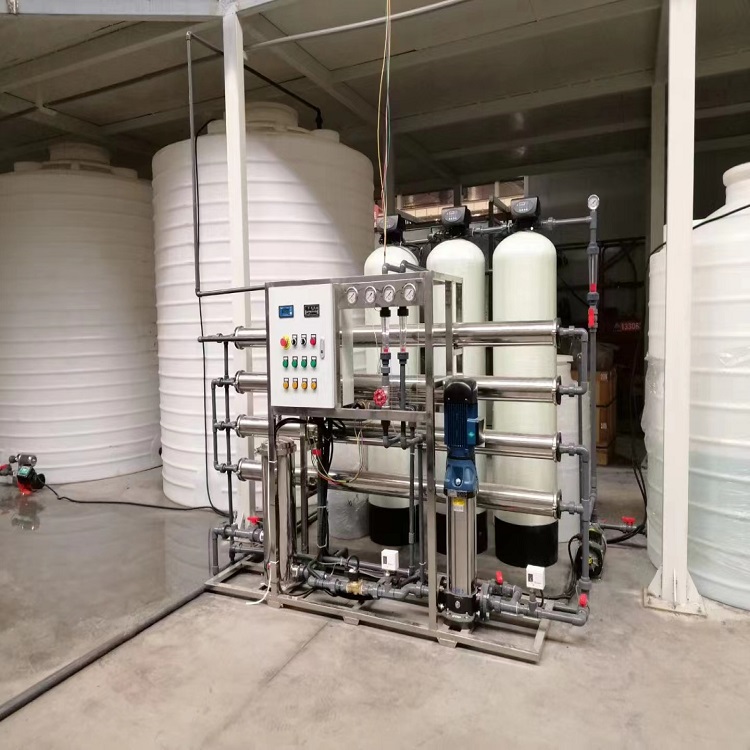
Industrial Pure Water Equipment EDI Ultra-Pure Water System Fully Automatic Control Quankun Environmental Protection
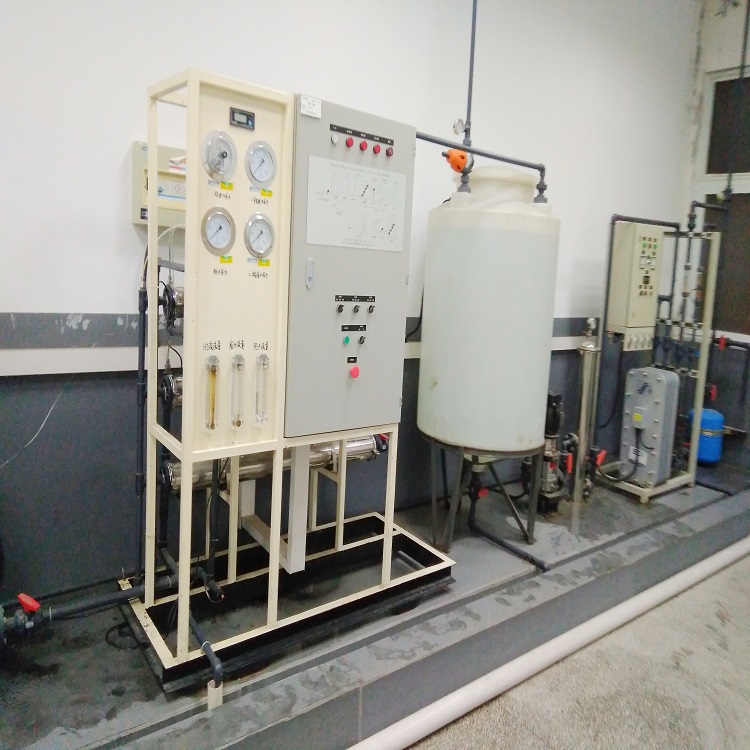
Shenzhen Industrial Ultra-Pure Water Equipment, equipped with EDI system, features low energy consumption and high degree of automation.
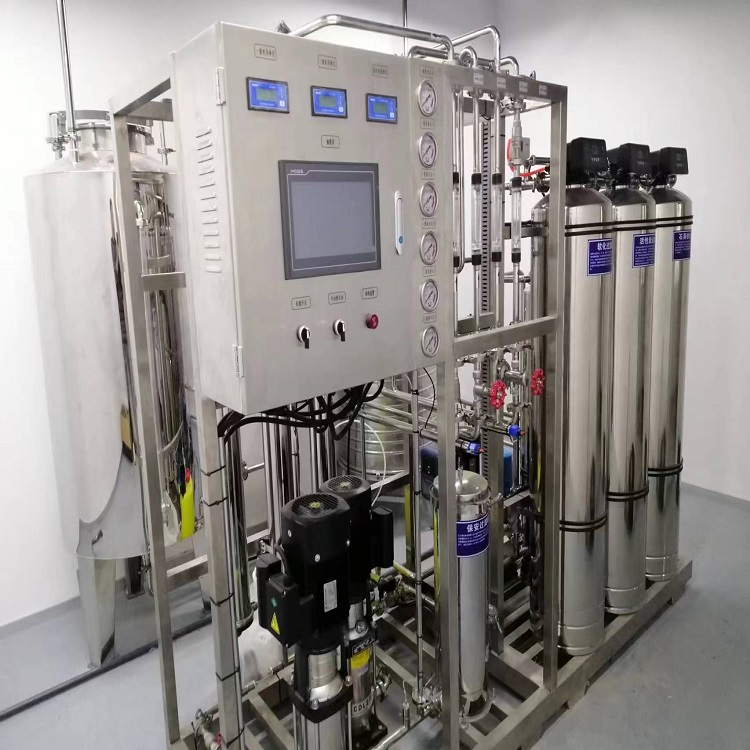
Shanghai industrial pure water production equipment reverse osmosis filtration system with high yield and customizable options, Quankun brand.
Organic membrane experimental equipment serves as a crucial tool in the field of modern separation technology, playing an irreplaceable role in industries such as environmental protection, biomedicine, and food processing. These devices, by simulating the natural principles of membrane separation, achieve efficient separation, purification, and concentration of mixtures, boasting advantages such as ease of operation, low energy consumption, and no secondary pollution. With advancements in materials science and manufacturing processes, organic membrane experimental equipment is evolving towards higher precision, stronger stability, and greater intelligence, providing robust technical support for scientific research and industrial applications.
The core of organic membrane experimental equipment lies in the selection of membrane materials and component design. Current mainstream equipment can be categorized into four major types based on separation precision: Microfiltration (MF), Ultrafiltration (UF), Nanofiltration (NF), and Reverse Osmosis (RO). Microfiltration membranes have pore sizes ranging from 0.1 to 10 micrometers, suitable for retaining suspended particles or bacteria; Ultrafiltration membranes (0.001-0.1 micrometers) can separate large molecules like proteins; Nanofiltration and Reverse Osmosis are used for separating small molecules and ions, such as in seawater desalination.
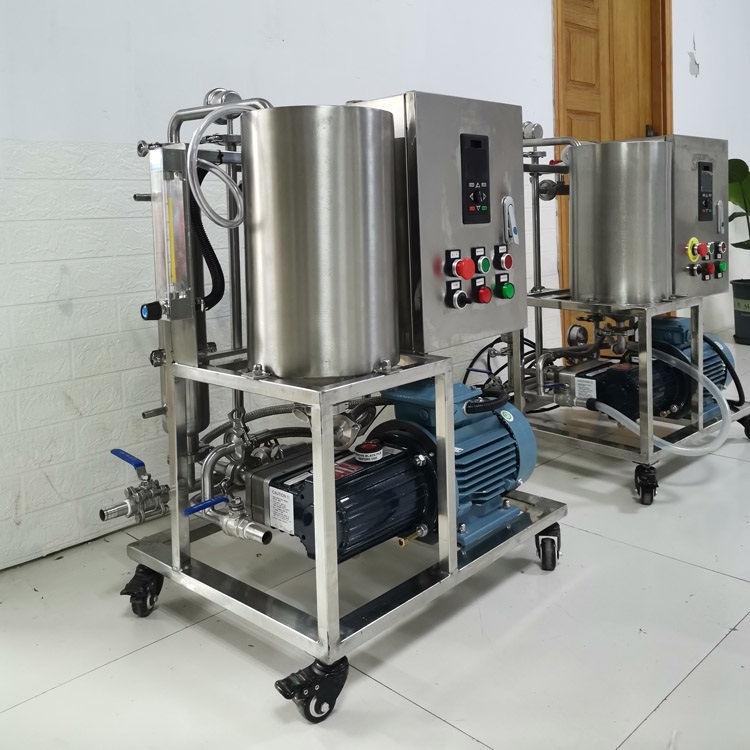
In terms of equipment structure, there are three common types: flat plate, rolled, and hollow fiber. Flat plate membrane modules are easy to disassemble and clean, suitable for small-scale laboratory tests; rolled membranes increase the filtration area through spiral winding, ideal for pilot stage applications; hollow fiber membranes, due to their large specific surface area and low energy consumption, are widely used in industrial pretreatment.
When selecting organic film experimental equipment, consider the following parameters:
1. Molecular Weight Cut-Off (MWCO): Select based on the target substance's molecular weight; for example, to separate 1000Da peptides, a nanofiltration membrane should be chosen.
2. Flux and Anti-pollution: PVDF membranes generally have a higher flux than PAN membranes, but the hydrophilic-modified PAN membranes exhibit stronger anti-pollution capabilities.
3. Pressure and Temperature Range: Reverse osmosis equipment must withstand pressures of 4-8 MPa, while high-temperature sterilization requirements demand that the membrane material can tolerate steam at 121℃.
4. Modular Design: The "Experimental Membrane Equipment" emphasizes modularity, allowing for flexible combination of microfiltration and ultrafiltration modules to accommodate complex processes.
Operation Tips: Pre-treatment (such as centrifugation or pre-filtration) can extend the membrane lifespan; regular backwashing (e.g., every 2 hours) maintains flux; avoid oxidizers during chemical cleaning to prevent membrane material damage.
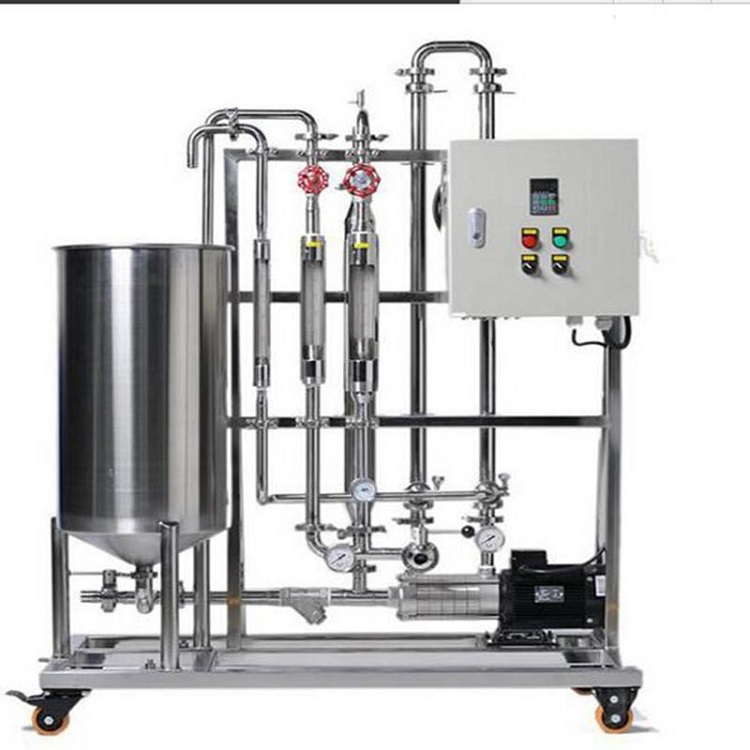
In the field of environmental protection, organic membrane equipment has achieved remarkable results in wastewater treatment. For instance, a chemical industrial park has utilized rolled nanofiltration membranes to recover nickel ions from electroplating wastewater, achieving a recovery rate of over 90% while also realizing the reuse of wastewater.
In the field of biopharmaceuticals, monoclonal antibody purification is a typical application. The Tangential Flow Filtration (TFF) system can accomplish cell retention, buffer exchange, and concentration in a single pass, replacing the traditional multi-step centrifugal-dialysis process.
In the food industry, organic membrane equipment is used for juice clarification and dairy grading.
Despite the significant advantages of organic membrane technology, it still faces challenges such as membrane contamination, high costs, and limited lifespan. To address these issues, the industry is striving to break through in the following directions:
1. Development of New Membrane Materials: Bipolar ionomer membranes can reduce protein adsorption and enhance anti-pollution performance by over 50%.
2. Intelligent Integration: IoT technology for remote monitoring and predictive maintenance
3. Green Technology Integration: Combining with solar-powered or membrane distillation to reduce energy consumption.
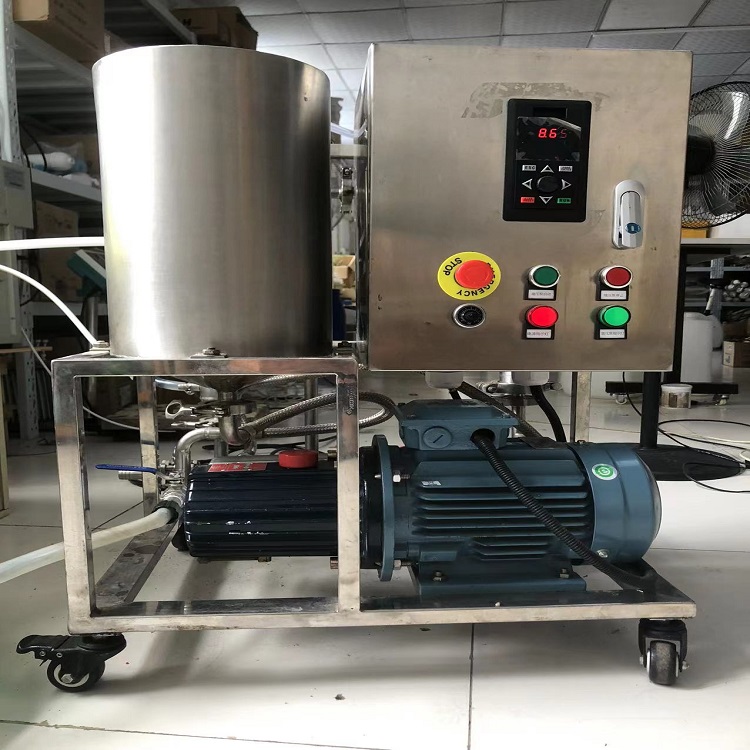
From laboratory research to industrial scaling, the technical evolution of organic membrane experimental equipment is continually expanding its application boundaries. Researchers and engineers must fully understand material characteristics, process parameters, and industry needs to maximize the potential of membrane separation technology. As interdisciplinary integration accelerates, this field is poised to create greater value in emerging scenarios such as resource recycling and precision medicine.


b2b.china9.net © Zhongshang 114 Hebei Network Technology Co., Ltd.Address: Room 6009, Oriental New World Center, No.118 East Zhongshan Road, Qiaoxi District, Shijiazhuang City, Hebei ProvincePlatform Service Hotline: 4006299930