Water Treatment Equipment, Wastewater Treatment Equipment...


Product Recommendation
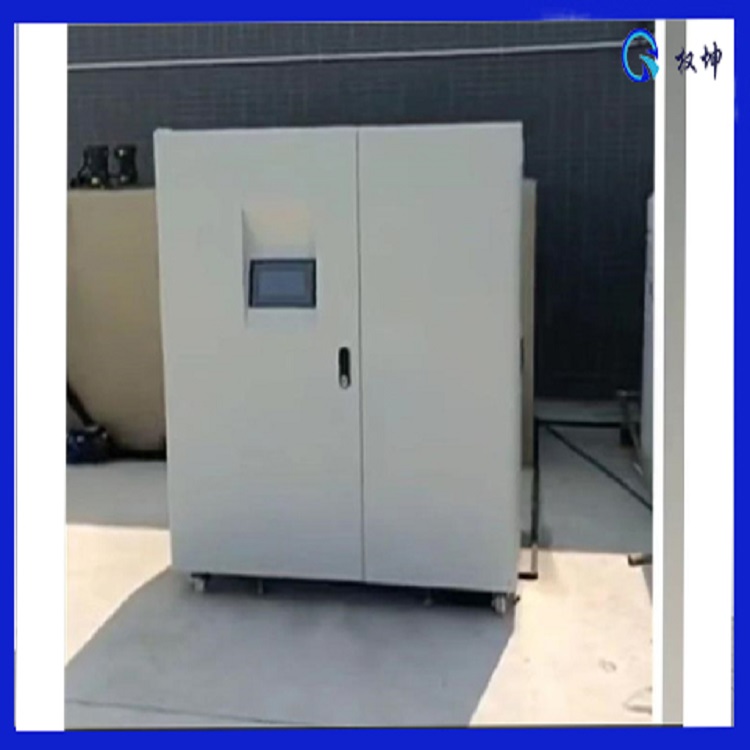
Quan Kun - Comprehensive Laboratory Waste Water Treatment Equipment - Remote Monitoring - Automated Control
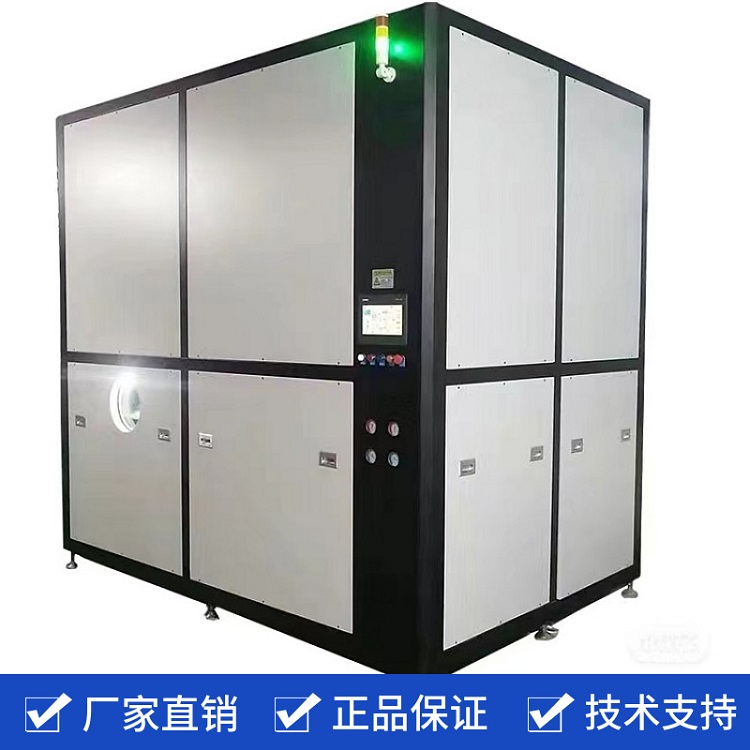
Sodium Chloride Wastewater Low-Temperature Evaporator - Intelligent Automatic - Quankun - Integrated Design
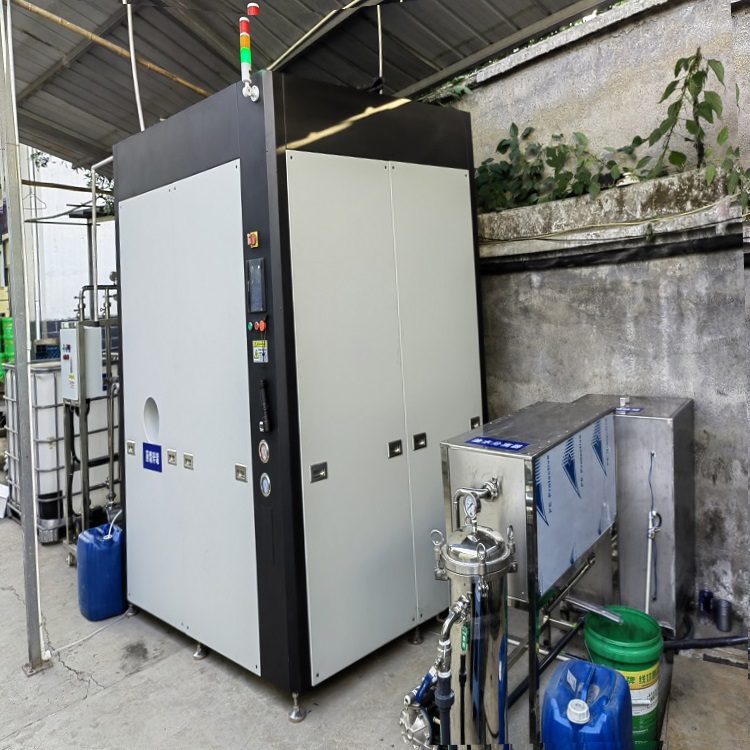
High-Concentration Oil Emulsion Waste Water Treatment Equipment - Quankun - Evaporator Unit - High Concentration Ratio
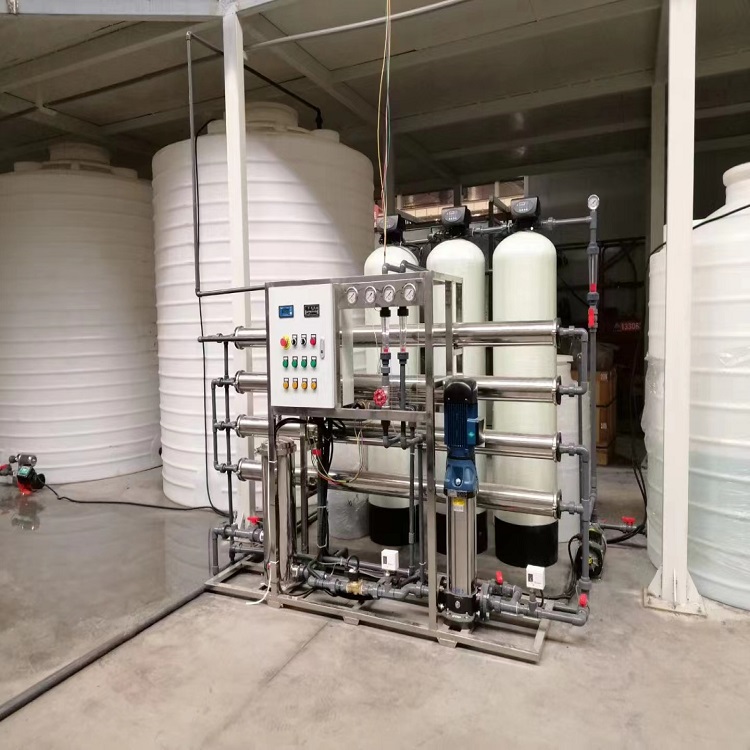
Industrial Pure Water Equipment EDI Ultra-Pure Water System Fully Automatic Control Quankun Environmental Protection
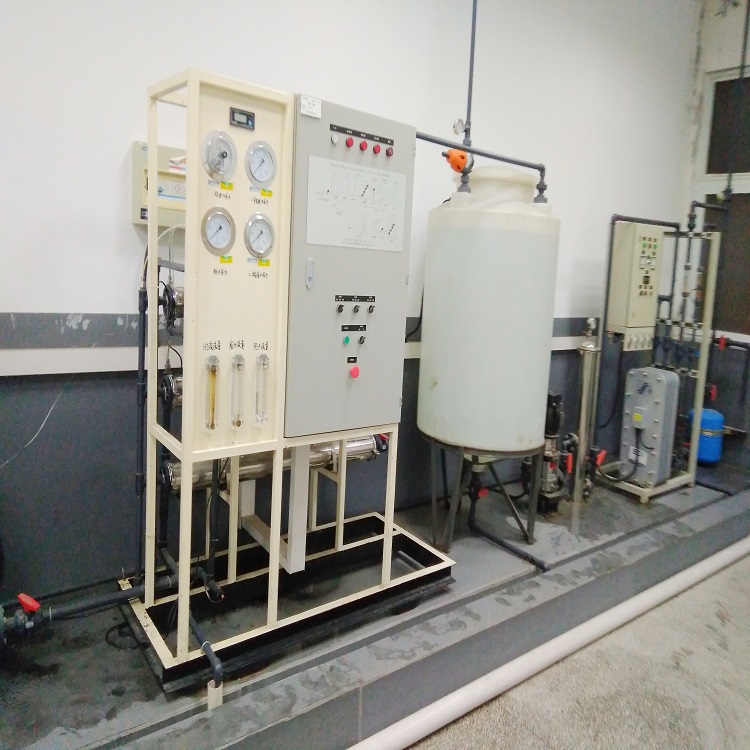
Shenzhen Industrial Ultra-Pure Water Equipment, equipped with EDI system, features low energy consumption and high degree of automation.
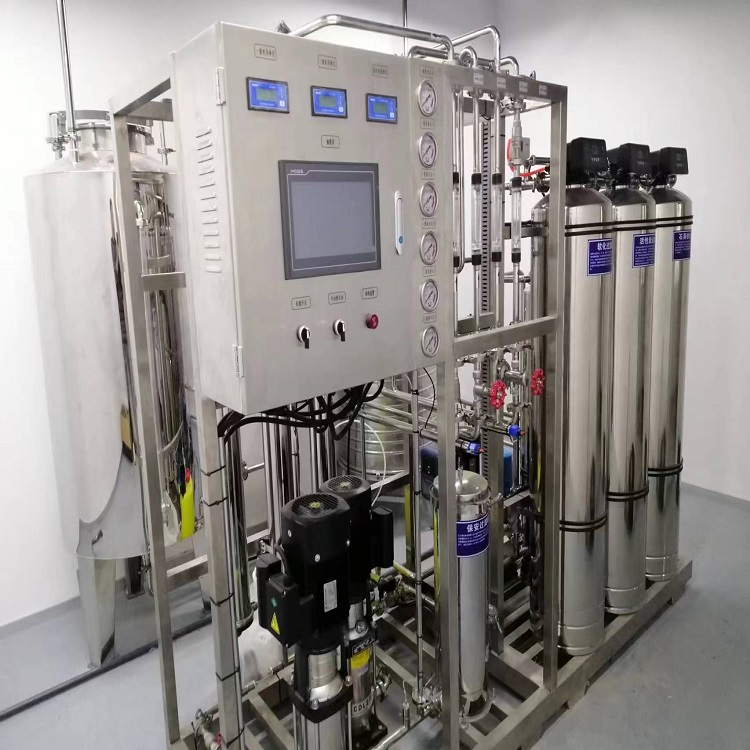
Shanghai industrial pure water production equipment reverse osmosis filtration system with high yield and customizable options, Quankun brand.
Ceramic membranes, as a highly efficient and stable separation material, play a crucial role in modern industrial liquid processing. Their unique physical and chemical properties make them significantly advantageous in the field of impurity removal and clarification, and are widely used in industries such as food and beverage, biomedicine, chemical industry, and environmental protection.
Ceramic membranes are porous filtration media made by high-temperature sintering of inorganic materials such as alumina and zirconia, with pore sizes typically ranging from 0.05 to 1.4 micrometers and an asymmetric gradient pore structure. Compared to traditional polymer membranes, ceramic membranes boast three core advantages: Firstly, they have a mechanical strength of over 30MPa, capable of withstanding high-pressure backwashing; secondly, they exhibit exceptional chemical stability, capable of withstanding extreme pH environments from 0 to 14; and lastly, they have excellent high-temperature resistance, with operating temperatures up to 400°C. This "combination of rigidity and flexibility" makes them particularly suitable for processing complex fluids with high solid content and high viscosity.
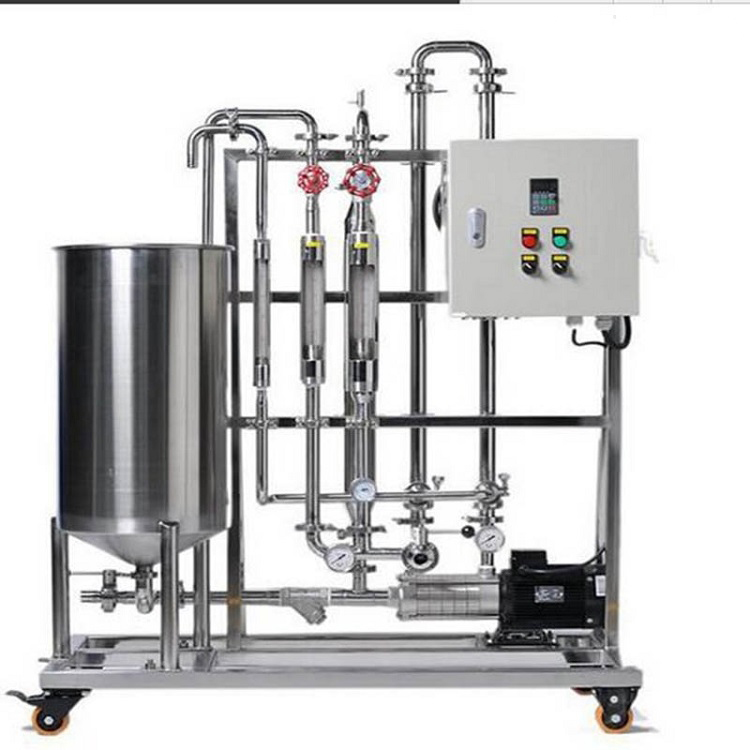
The separation process primarily relies on the "crossflow filtration" mechanism: as the feed liquid flows tangentially across the membrane surface, components smaller than the membrane pore size pass through to become the filtrate, while larger molecules and particles are retained. Taking a juice clarification application as an example, a ceramic membrane with a 0.2μm pore size can effectively retain fruit pulp particles at 100%, while preserving nutrients like weishengsu and other small molecular substances. This physical separation avoids the introduction of chemical additives, aligning with the clean label trend in modern food industry.
In the soy sauce brewing industry, traditional diatomite filtration faces issues like high labor intensity and significant solid waste production. A condiment company in Shandong introduced a 19-channel ceramic membrane system, which increased filtration efficiency by three times and maintained turbidity below 0.5 NTU. More importantly, the dynamic filter cake layer formed on the membrane surface effectively adsorbs pigment molecules, resulting in a brighter product color. The system employs a maintenance scheme of "pulsed backflush + chemical cleaning," ensuring a long-term membrane flux of over 120 LMH.
Significant benefits have been achieved in the field of biological fermentation. A manufacturer of antibiotics has adopted a 0.1μm ceramic membrane to treat fermentation broth, which not only raises the removal rate of mycelium to 99.9% but also achieves the online recovery of solvents. Compared to plate and frame filtration, this process increases the product yield by 15% while reducing the COD value of wastewater by 40%. This breakthrough in "green technology" is attributed to the ceramic membrane's ability to retain nanoparticles.
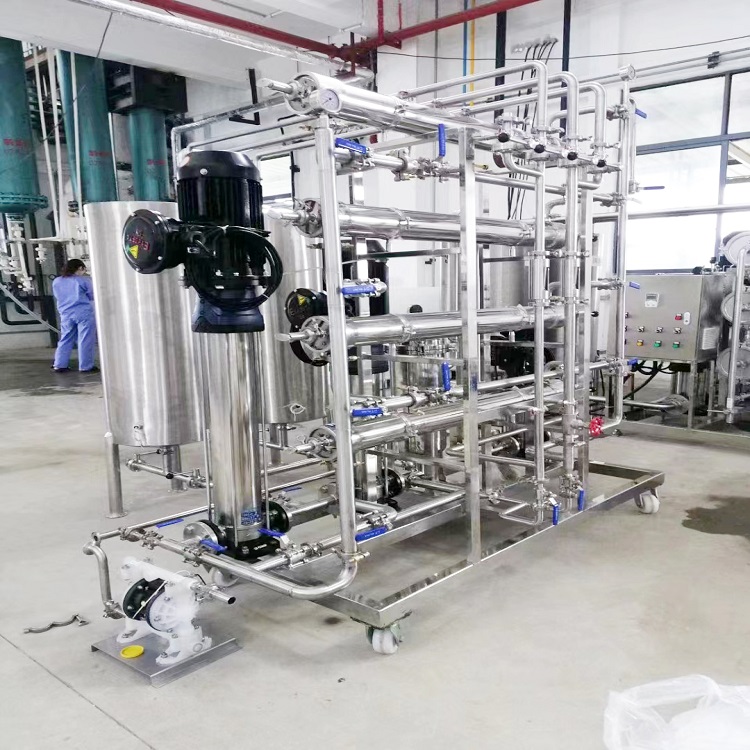
Notably, the application in nanomaterial preparation is particularly noteworthy. When dealing with suspensions containing 20nm titanium dioxide particles, ceramic membranes with special surface modifications can achieve particle sizing, reducing the standard deviation of product particle size distribution from 0.35 to 0.12. This "molecular-level" separation precision provides a new tool for the development of new materials.
In addressing the challenges of processing high-viscosity fluids, the developed gradient pore ceramic membrane showcases breakthrough performance. The pore size of the membrane layer gradually transitions from 10μm in the support layer to 0.05μm in the separation layer. This structural design boosts the filtration flux of apple concentrate to 2.5 times that of traditional membranes.
In the field of membrane fouling control, biomimetic anti-fouling coatings have become a research hotspot. Inspired by the lotus leaf effect, a research team has constructed micro-nano composite structures on the membrane surface, reducing protein adsorption by 78%. This modified membrane maintains 85% of its initial flux after continuous operation for 200 hours in whey protein separation, significantly reducing cleaning frequency.
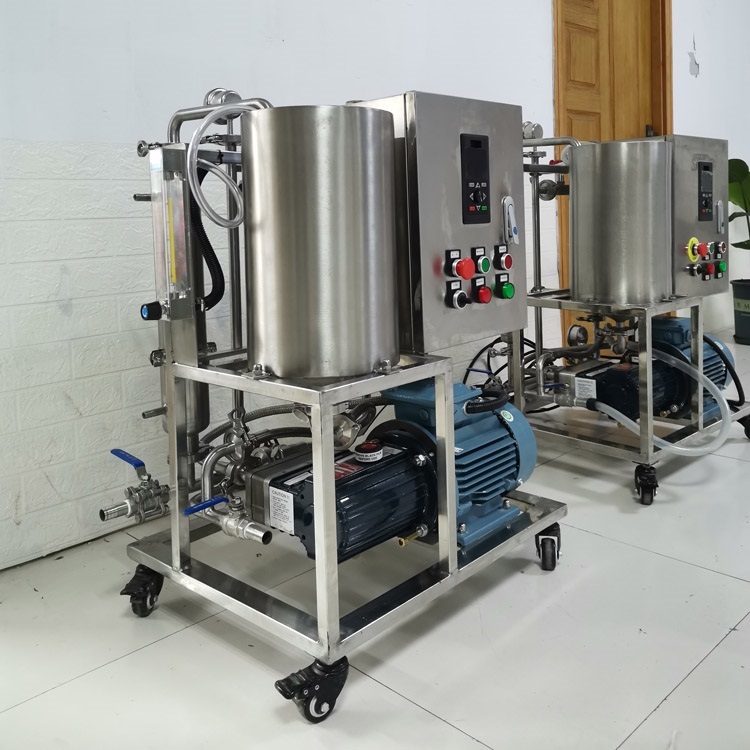
The application of an intelligent O&M system is revolutionizing the industry ecosystem. By integrating pressure sensors, turbidity meters, and other online monitoring devices, coupled with AI algorithms to predict pollution trends, a winery has extended the lifespan of its membrane components to 8 years. The system can automatically adjust backwash parameters, enhancing filtration stability by 40%.


b2b.china9.net © Zhongshang 114 Hebei Network Technology Co., Ltd.Address: Room 6009, Oriental New World Center, No.118 East Zhongshan Road, Qiaoxi District, Shijiazhuang City, Hebei ProvincePlatform Service Hotline: 4006299930