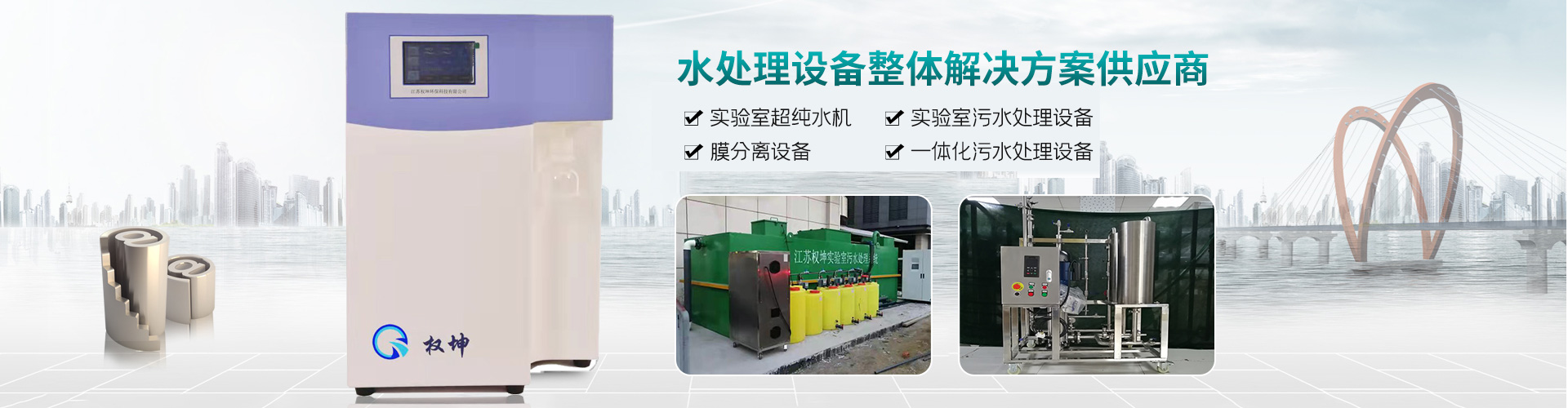
Water Treatment Equipment, Wastewater Treatment Equipment...


Product Recommendation
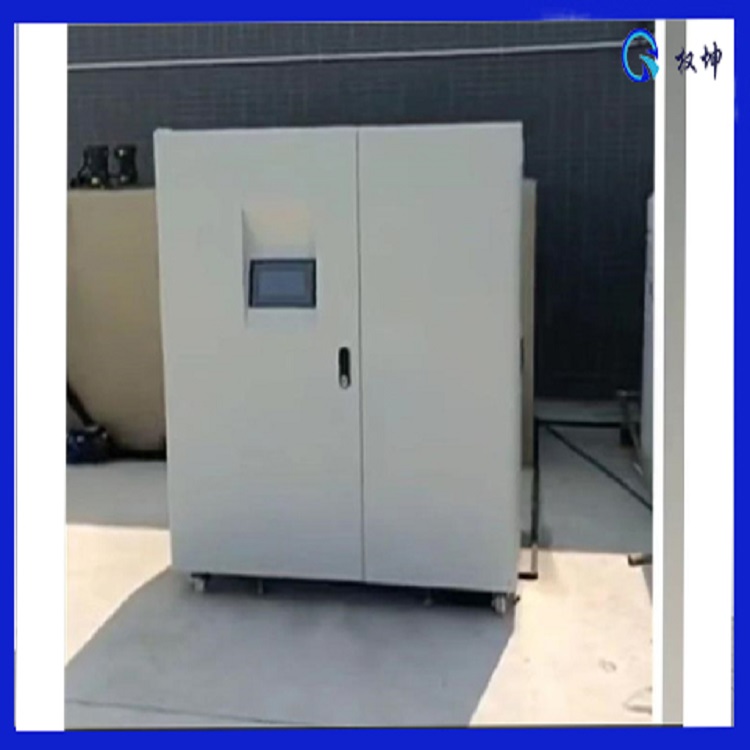
Quan Kun - Comprehensive Laboratory Waste Water Treatment Equipment - Remote Monitoring - Automated Control
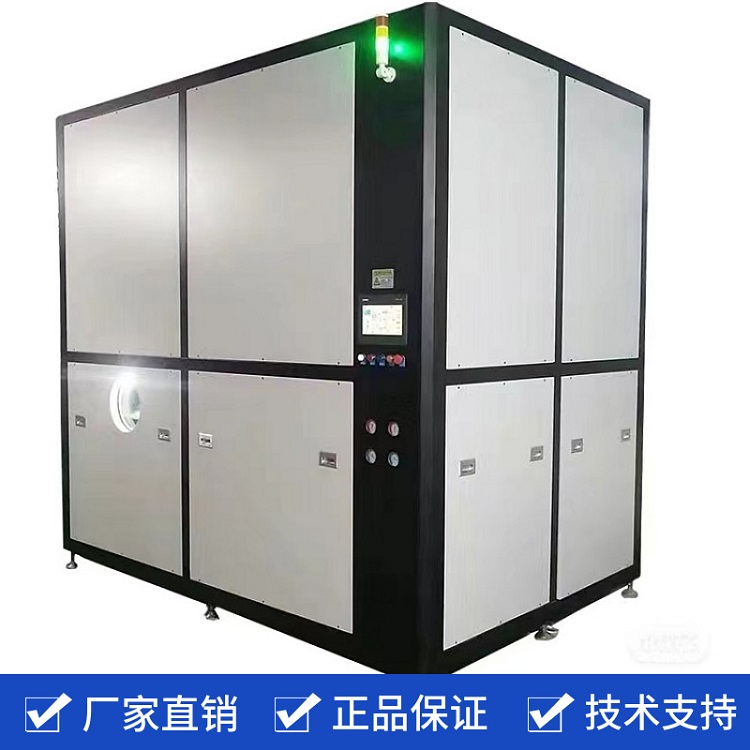
Sodium Chloride Wastewater Low-Temperature Evaporator - Intelligent Automatic - Quankun - Integrated Design
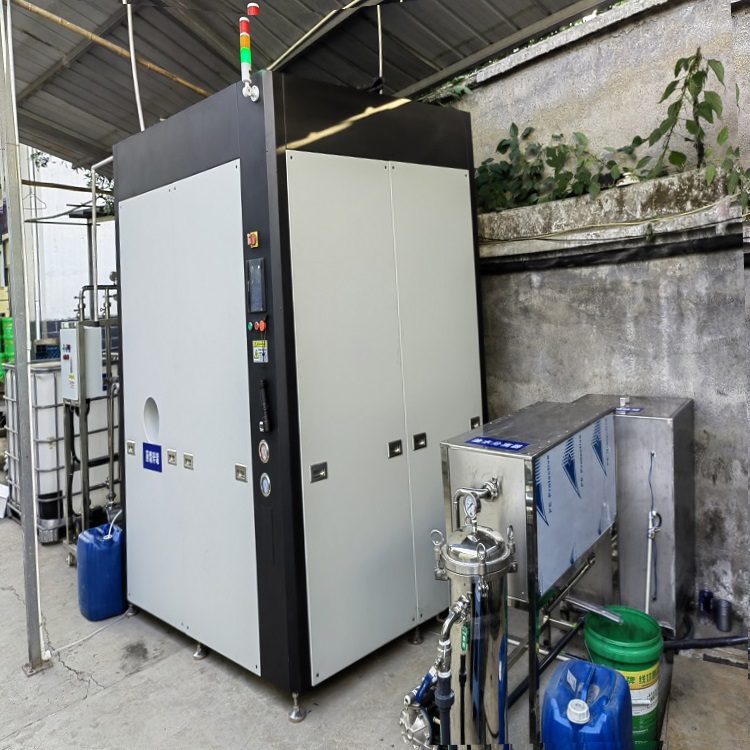
High-Concentration Oil Emulsion Waste Water Treatment Equipment - Quankun - Evaporator Unit - High Concentration Ratio
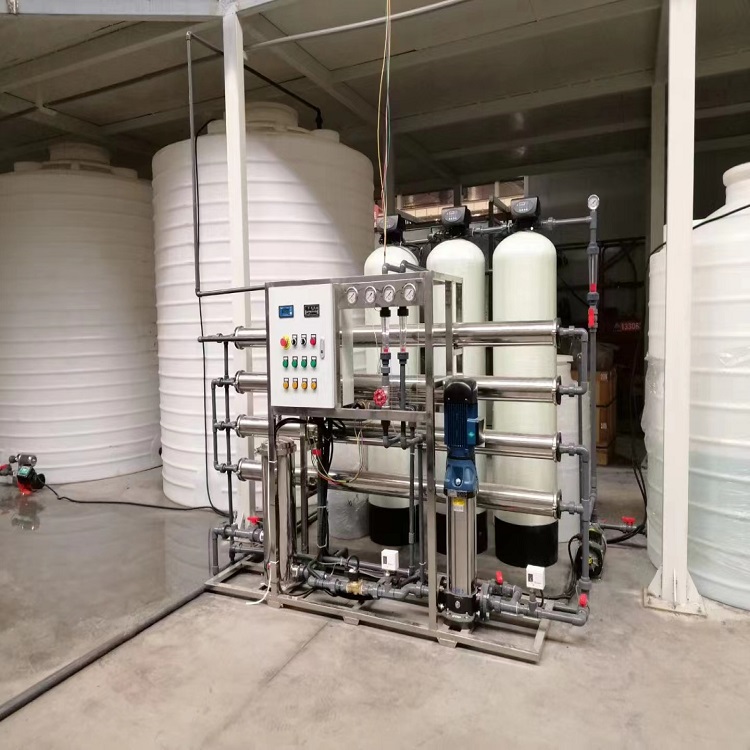
Industrial Pure Water Equipment EDI Ultra-Pure Water System Fully Automatic Control Quankun Environmental Protection
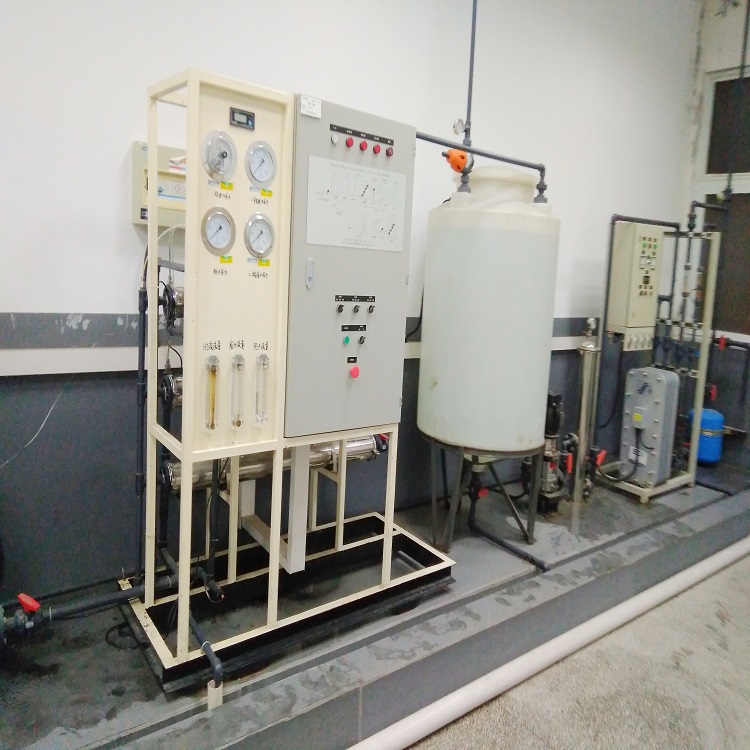
Shenzhen Industrial Ultra-Pure Water Equipment, equipped with EDI system, features low energy consumption and high degree of automation.
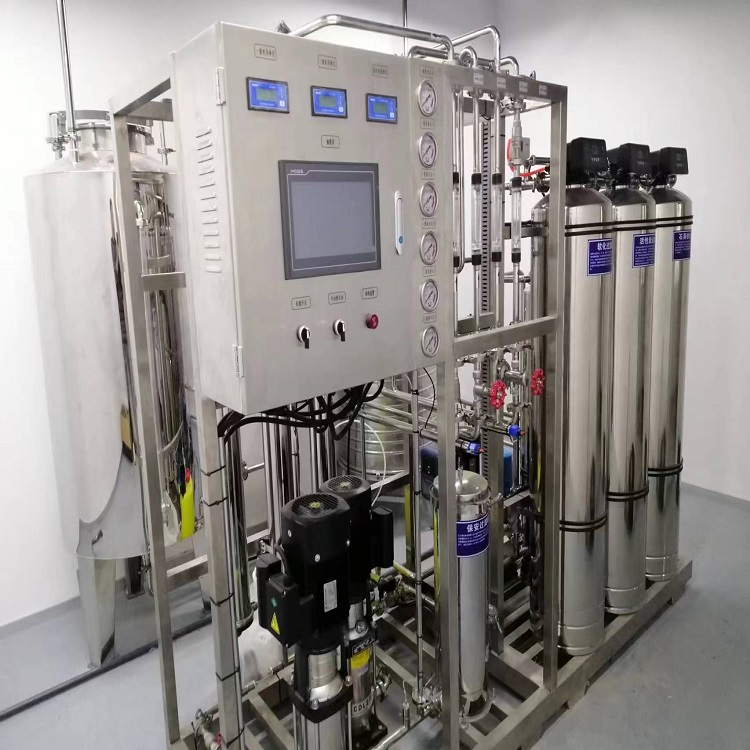
Shanghai industrial pure water production equipment reverse osmosis filtration system with high yield and customizable options, Quankun brand.
In modern residential and industrial applications, small-scale membrane filtration equipment has increasingly become the core solution in the water treatment industry due to its high efficiency and energy-saving features. The core technology of these devices lies in the physical separation function of semi-permeable membranes, achieving the sequential separation of impurities in water through different precision apertures. Although its working principle appears simple, it encompasses the precise collaboration of various disciplines such as materials science and fluid mechanics.
The classification of membrane filtration technology primarily relies on the size of the membrane pores, forming a complete spectrum from microfiltration to reverse osmosis. Microfiltration membranes (0.1-1 micron) can retain suspended particles and bacteria, similar to a fine fishing net blocking big fish; ultrafiltration membranes (0.01-0.1 micron) can remove colloids and large molecular organic substances; nanofiltration membranes (0.001-0.01 micron) can filter out divalent ions and viruses; while reverse osmosis membranes (<0.001 micron) can block the majority of dissolved salts and microorganisms, producing water that is nearly pure.
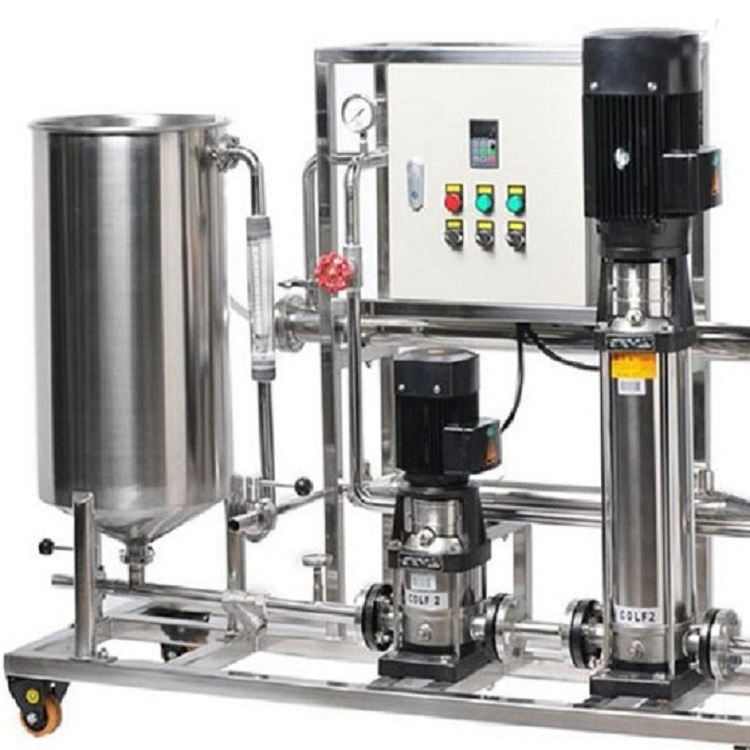
The power system that drives these membrane elements is the "heart" of the entire equipment. Home ultrafiltration water purifiers typically operate with just tap water pressure (0.1-0.3MPa), acting like an "energy-saving player" that filters using natural water pressure; while reverse osmosis systems require a high-pressure pump to provide a working pressure of 0.5-0.8MPa, which is equivalent to exerting a force of 5-8 kg per square centimeter on the membrane surface. The design of this pressure difference needs to be precisely calculated: insufficient pressure can drastically reduce water output, while excessive pressure may puncture the membrane structure.
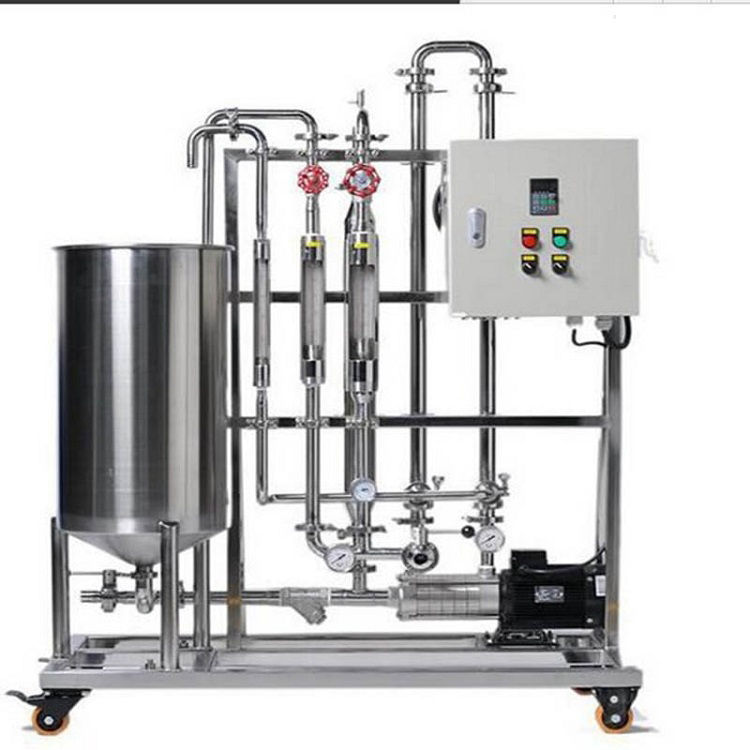
The pretreatment system is a crucial defense line for membrane lifespan. In the "protection梯队" composed of multi-layer filter cores, the 5-micron PP cotton filter core acts as the先锋, intercepting silt and mud; the activated carbon filter core absorbs residual chlorine and organic matter, preventing oxidizing agents from corroding the membrane material; and some high-end models are equipped with soft water resins to pre-exchange calcium and magnesium ions, avoiding scaling.
Membrane pollution control technology embodies the wisdom of modern water treatment. As pollutants form a gel layer on the membrane surface, the trans-membrane pressure difference escalates from the initial 0.5 MPa to 0.8 MPa. At this point, the equipment's automatically triggered pulse flushing system generates turbulent cleaning of the membrane surface.
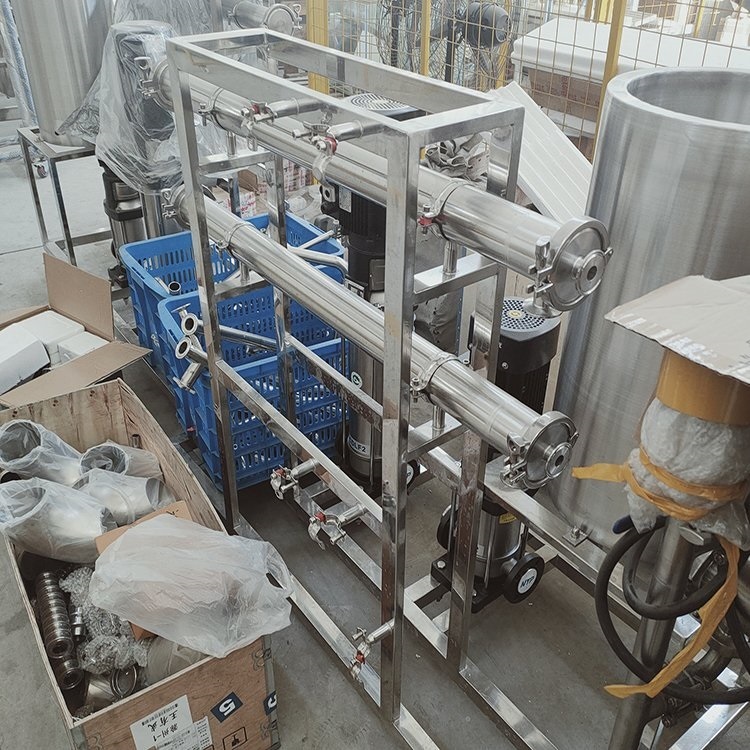
The intelligent development is reshaping the operational experience of membrane filtration equipment. The latest generation of products uses IoT sensors to monitor 12 parameters such as incoming water turbidity and pH levels in real-time, with cloud algorithms predicting membrane contamination trends up to 24 hours in advance. The user's mobile app displays not only basic water quality data but also filter core replacement suggestions based on historical records.


b2b.china9.net © Zhongshang 114 Hebei Network Technology Co., Ltd.Address: Room 6009, Oriental New World Center, No.118 East Zhongshan Road, Qiaoxi District, Shijiazhuang City, Hebei ProvincePlatform Service Hotline: 4006299930