
Water Treatment Equipment, Wastewater Treatment Equipment...


Product Recommendation
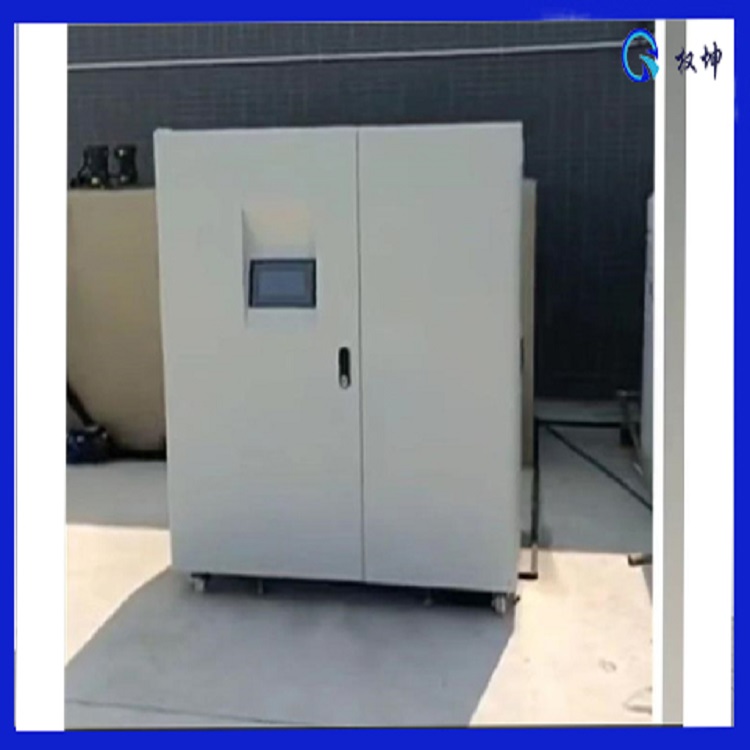
Quan Kun - Comprehensive Laboratory Waste Water Treatment Equipment - Remote Monitoring - Automated Control
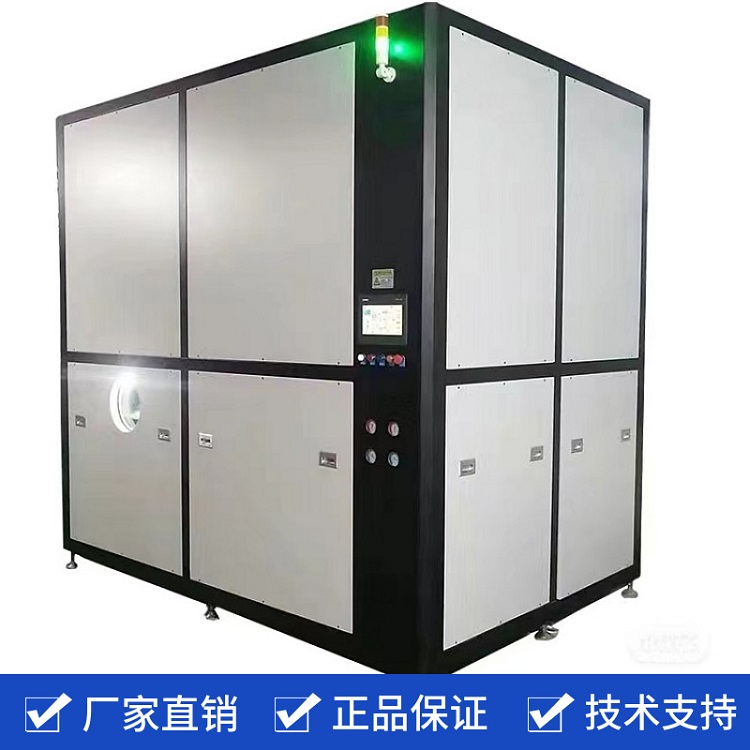
Sodium Chloride Wastewater Low-Temperature Evaporator - Intelligent Automatic - Quankun - Integrated Design
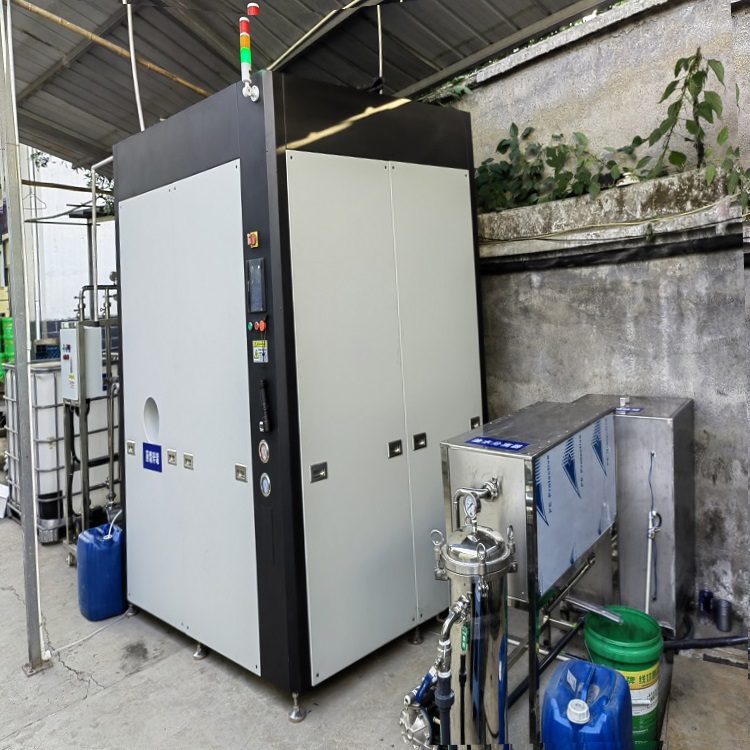
High-Concentration Oil Emulsion Waste Water Treatment Equipment - Quankun - Evaporator Unit - High Concentration Ratio
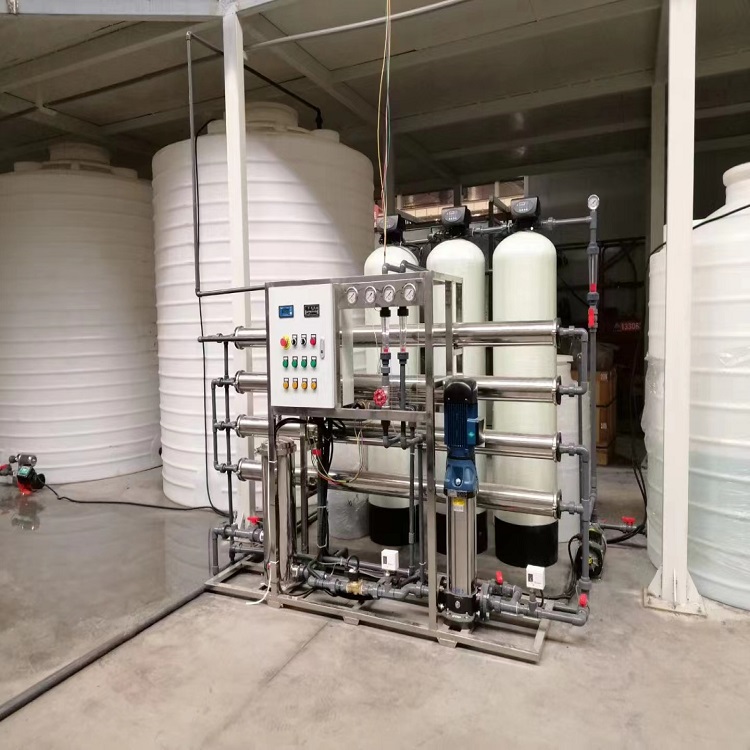
Industrial Pure Water Equipment EDI Ultra-Pure Water System Fully Automatic Control Quankun Environmental Protection
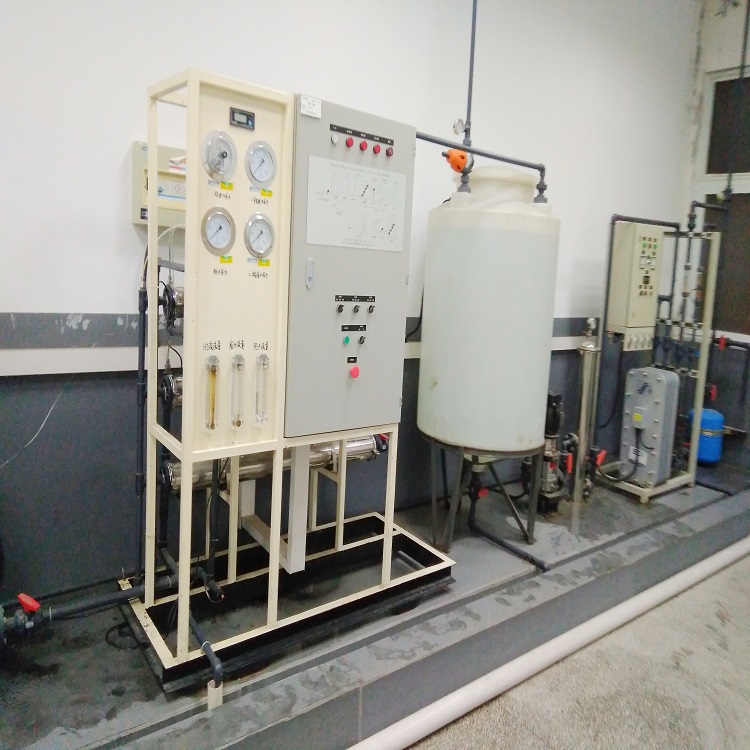
Shenzhen Industrial Ultra-Pure Water Equipment, equipped with EDI system, features low energy consumption and high degree of automation.
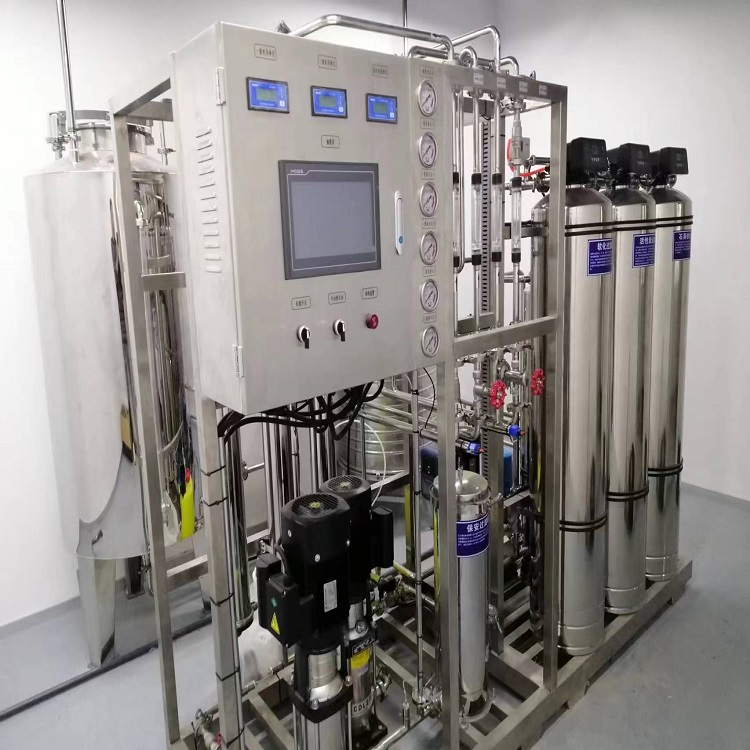
Shanghai industrial pure water production equipment reverse osmosis filtration system with high yield and customizable options, Quankun brand.
In the fields of scientific research and industrial production, laboratories and testing rooms play a crucial role. They are not only places for exploring the unknown and verifying theories but also vital bases for driving technological progress and innovation. However, with the frequent conduct of experiments, the issue of laboratory wastewater discharge has become increasingly prominent, making it an indispensable part of environmental protection. Laboratory wastewater treatment equipment, as a key means to address this issue, is of paramount importance.
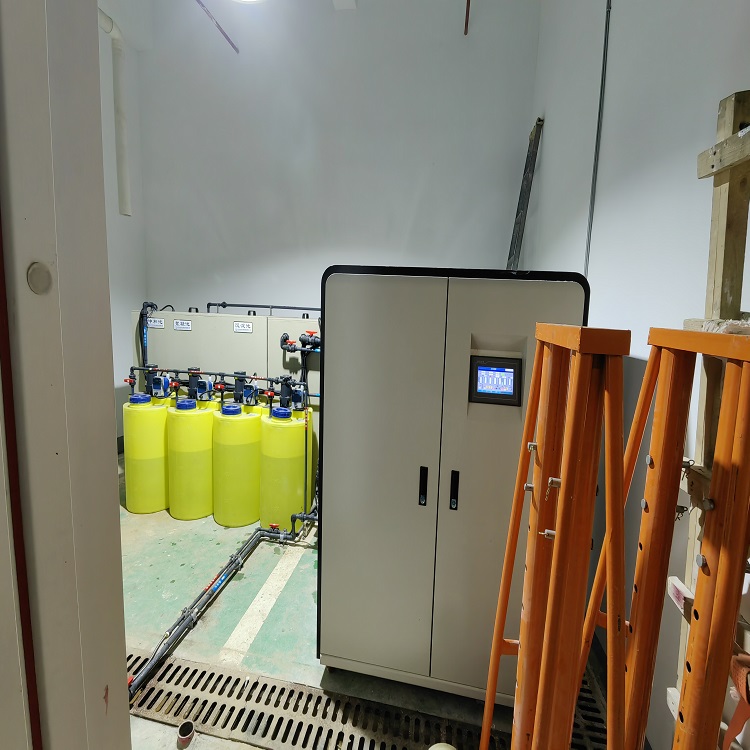
The wastewater from the laboratory's analytical laboratory is complex, containing a variety of harmful substances depending on the experimental content and the reagents used, such as heavy metal ions, organic pollutants, acidic and alkaline substances, biological agents, and radioactive materials. If this wastewater is discharged directly without proper treatment, it not only pollutes the water bodies and disrupts ecological balance but may also accumulate through the food chain, posing a threat to human health. Therefore, effectively treating the wastewater from the laboratory's analytical laboratory is an essential measure to ensure environmental safety and maintain ecological balance.
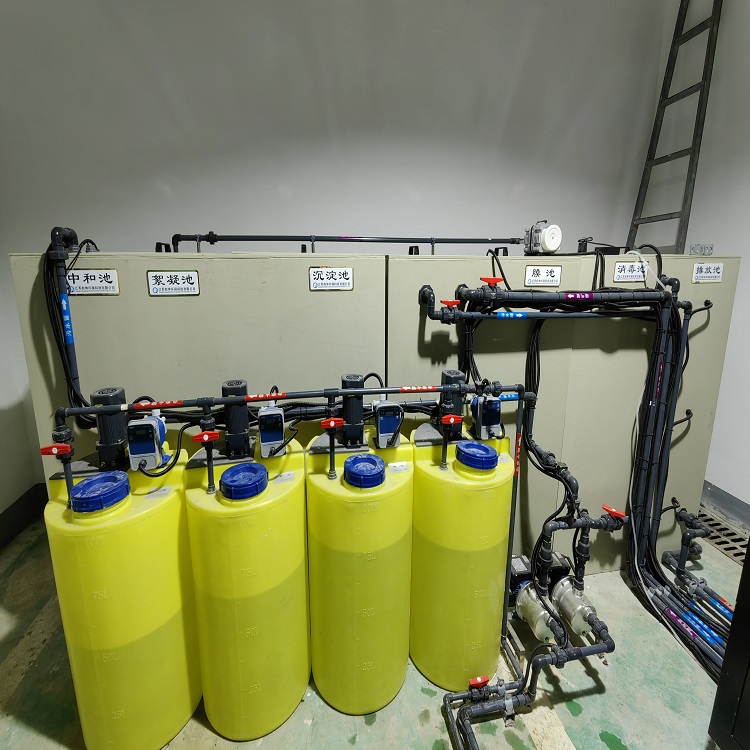
Types of laboratory wastewater treatment equipment for the laboratory.
Primarily including grates, sedimentation ponds, and air flotation units, these are used to remove suspended solids, floating matter, and certain colloidal substances from wastewater, creating favorable conditions for subsequent biochemical or advanced treatment.
2. By adding chemical agents (such as coagulants, neutralizers, oxidizers, etc.), pollutants in wastewater undergo chemical reactions, transforming into non-hazardous or low-toxic substances. Common chemical treatment equipment includes coagulation sedimentation tanks and acid-base neutralization tanks.
3. By utilizing the metabolic actions of microorganisms, organic matter in wastewater is decomposed into carbon dioxide, water, and biomass, thereby achieving the goal of water purification. The biological treatment equipment includes activated sludge process, biofilm process, anaerobic digestion ponds, etc.
4. Utilizing the selective permeability of semi-permeable membranes, we separate solutes from solvents in wastewater, such as ultrafiltration, nanofiltration, and reverse osmosis. Membrane separation technology boasts high efficiency, energy savings, and environmental friendliness, particularly suitable for treating complex wastewater containing refractory organic matter, heavy metal ions, and more.
5. By using highly reactive free radicals generated from strong oxidizers (such as ozone, Fenton's reagent, ultraviolet light, etc.), organic matter in wastewater is rapidly oxidized and decomposed, enhancing the wastewater's biodegradability or mineralizing it directly into carbon dioxide and water.

Different types of wastewater treatment equipment operate on various principles, but they all aim to remove pollutants from wastewater. For instance, biological treatment equipment uses the activated sludge process, which involves adding activated sludge (comprising microorganisms, organic matter, inorganic matter, etc.) to the wastewater. Under aeration, the microorganisms utilize the organic matter in the wastewater as a nutrient source for growth and reproduction, while oxidizing and decomposing the organic matter to produce carbon dioxide and water. As the microorganisms multiply, the activated sludge increases, necessitating回流 and excess sludge discharge to maintain the system's stable operation.
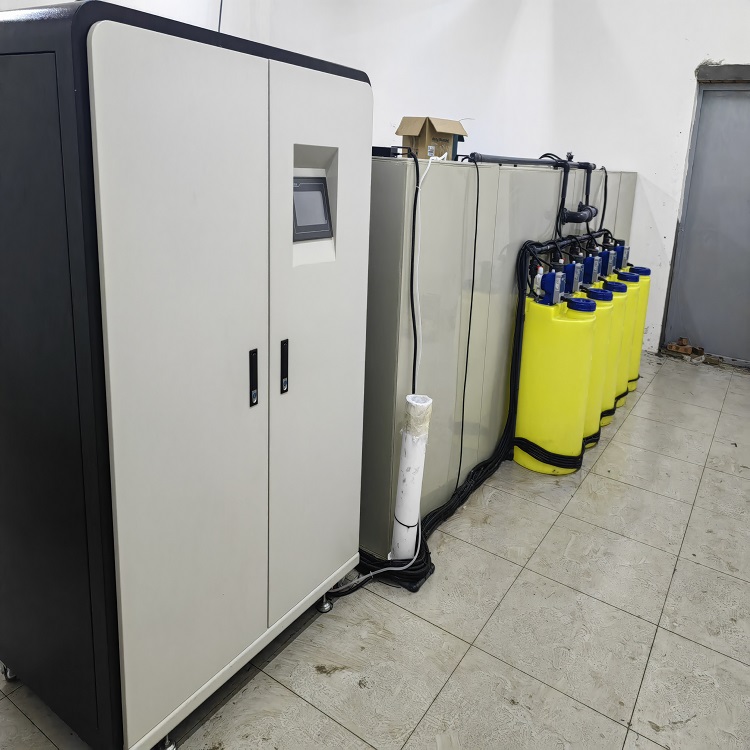
Selection Principles for Laboratory Wastewater Treatment Equipment
Based on the characteristics, volume, and discharge standards of the wastewater, select the appropriate treatment process and equipment to ensure that the treatment meets the required standards.
2. Considering factors such as equipment investment, operating costs, and maintenance fees, we choose a cost-effective treatment solution.
Ensure the selected equipment operates stably and reliably with a low failure rate and is easy to maintain and manage.
4. Considering potential changes in future experimental content, select a processing system with certain adaptability and adjustment capabilities.
5. Prioritize the use of low-energy, low-noise, and non-secondary pollution treatment technologies.


b2b.china9.net © Zhongshang 114 Hebei Network Technology Co., Ltd.Address: Room 6009, Oriental New World Center, No.118 East Zhongshan Road, Qiaoxi District, Shijiazhuang City, Hebei ProvincePlatform Service Hotline: 4006299930