Water Treatment Equipment, Wastewater Treatment Equipment...


Product Recommendation
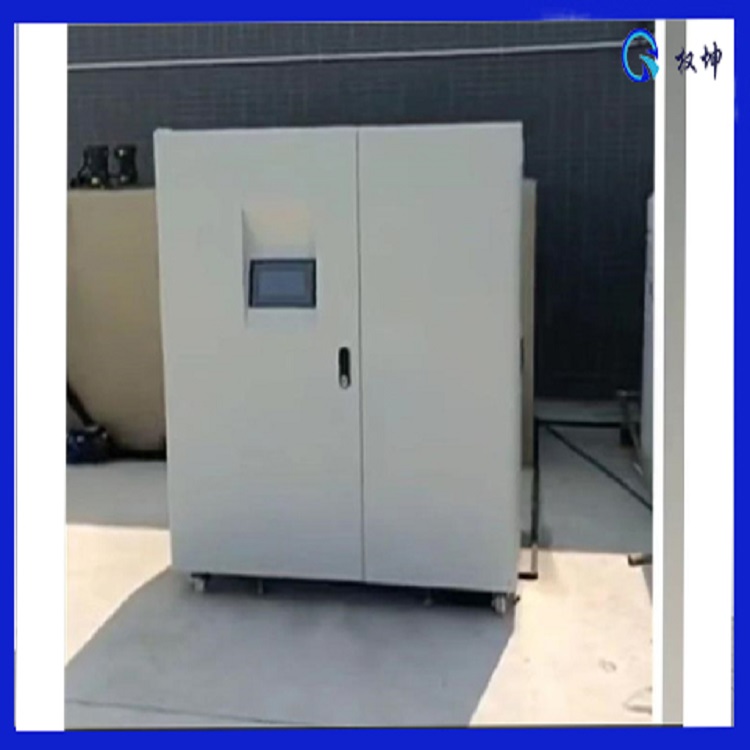
Quan Kun - Comprehensive Laboratory Waste Water Treatment Equipment - Remote Monitoring - Automated Control
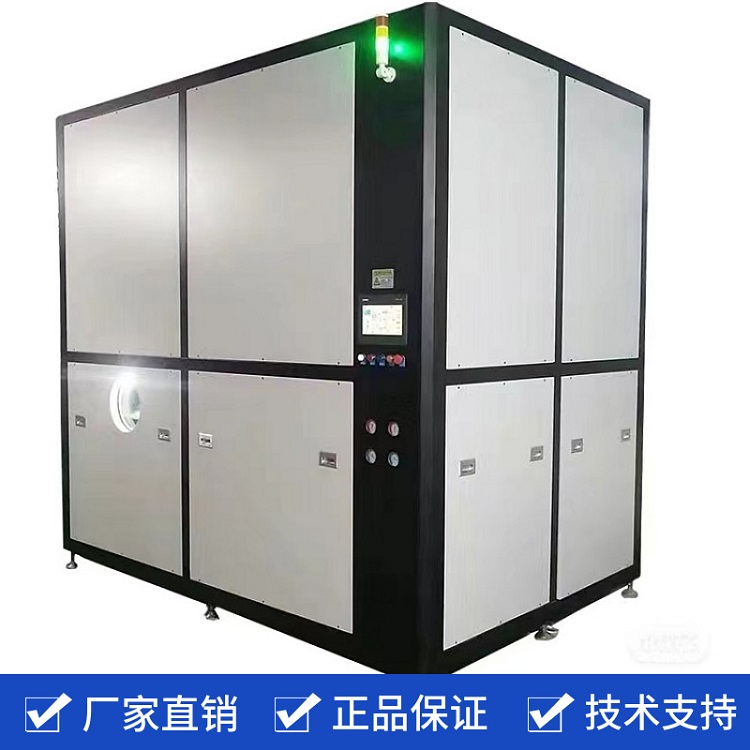
Sodium Chloride Wastewater Low-Temperature Evaporator - Intelligent Automatic - Quankun - Integrated Design
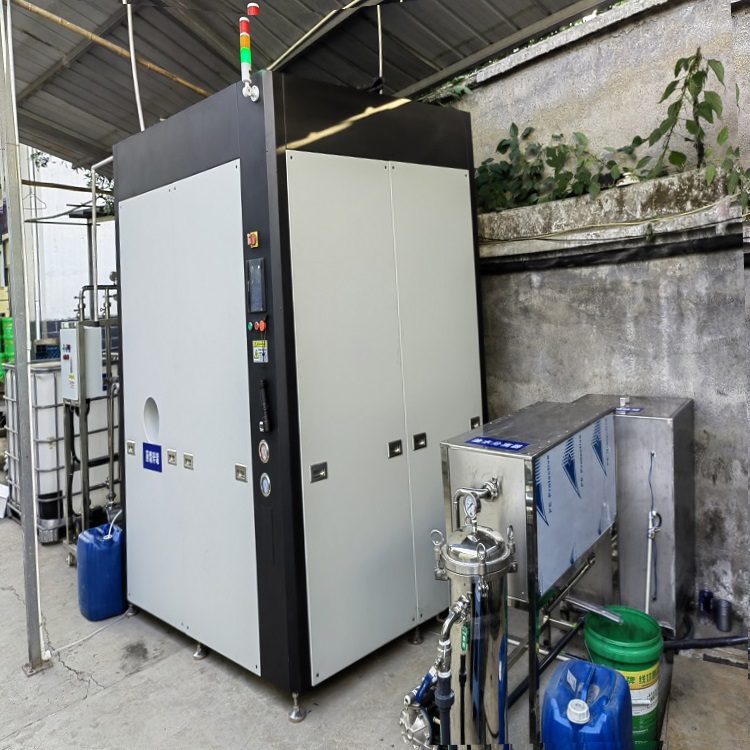
High-Concentration Oil Emulsion Waste Water Treatment Equipment - Quankun - Evaporator Unit - High Concentration Ratio
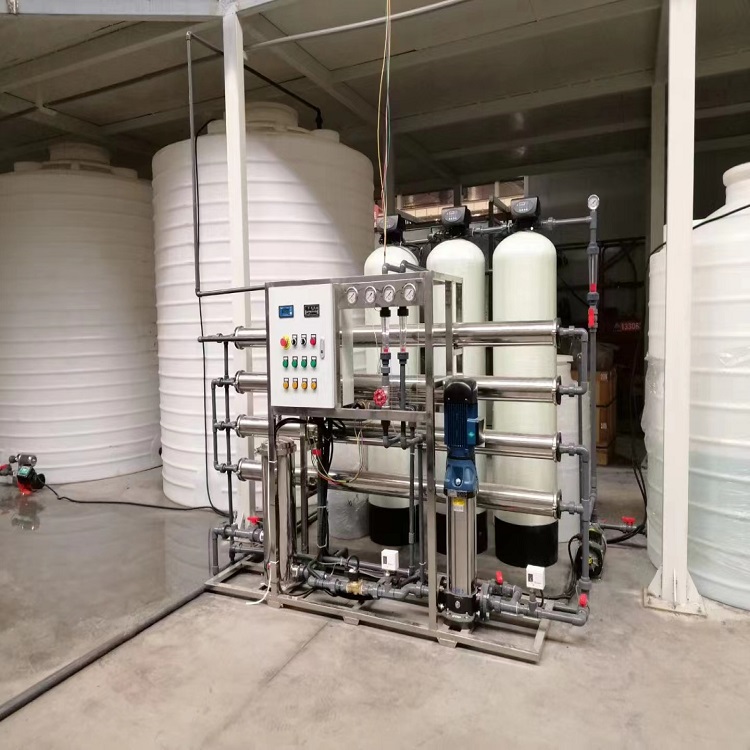
Industrial Pure Water Equipment EDI Ultra-Pure Water System Fully Automatic Control Quankun Environmental Protection
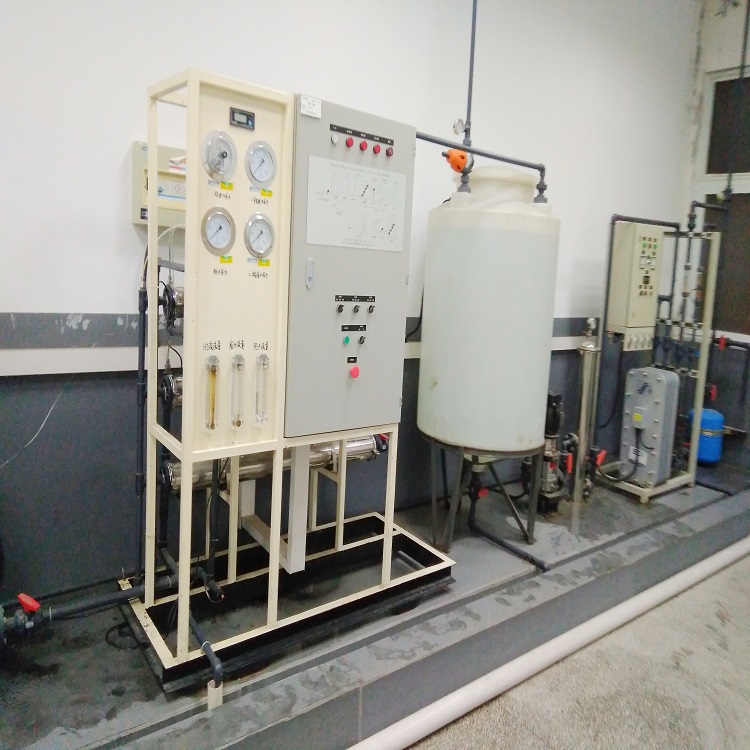
Shenzhen Industrial Ultra-Pure Water Equipment, equipped with EDI system, features low energy consumption and high degree of automation.
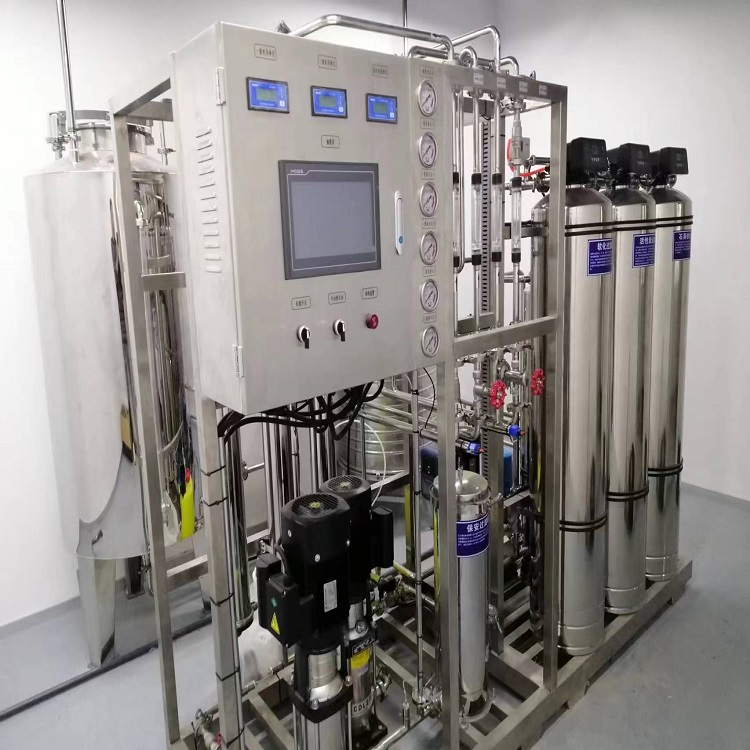
Shanghai industrial pure water production equipment reverse osmosis filtration system with high yield and customizable options, Quankun brand.
The principle of the laboratory wastewater treatment system is to treat wastewater through physical, chemical, and biological methods to remove pollutants from the water. Specifically, the laboratory wastewater treatment system consists of three stages: pretreatment, biological treatment, and post-treatment. The pretreatment stage mainly includes processes such as water adjustment, grating filtration, and sedimentation, which can remove large particles from the water and reduce damage to subsequent treatment equipment.
The biological treatment stage involves the process of converting organic matter in water into inorganic salts and water through biological decomposition.
Biological treatment is generally divided into various methods such as contact oxidation, activated sludge process, and biofilm process, with the activated sludge process being widely applied. The activated sludge process involves mixing microorganisms with organic wastewater, where the metabolic actions of the microorganisms decompose organic matter into inorganic substances.
The post-treatment stage is designed to further enhance water quality by removing residual organic matter and nutrients such as nitrogen and phosphorus. Post-treatment typically involves methods like deep filtration, activated carbon adsorption, and ultraviolet disinfection.
The laboratory wastewater treatment system's operational workflow consists of three stages: pretreatment, biological treatment, and post-treatment.


b2b.china9.net © Zhongshang 114 Hebei Network Technology Co., Ltd.Address: Room 6009, Oriental New World Center, No.118 East Zhongshan Road, Qiaoxi District, Shijiazhuang City, Hebei ProvincePlatform Service Hotline: 4006299930