

Product Details
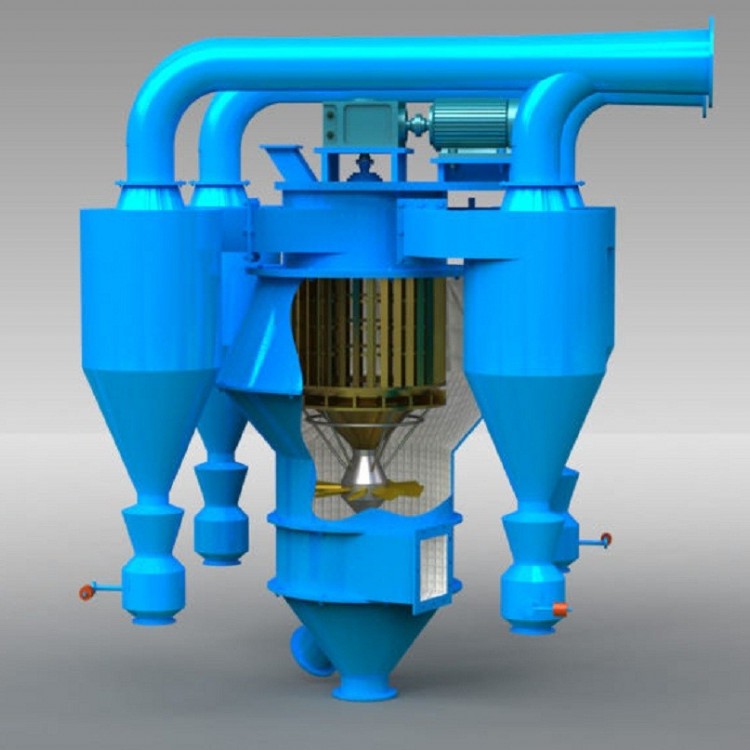
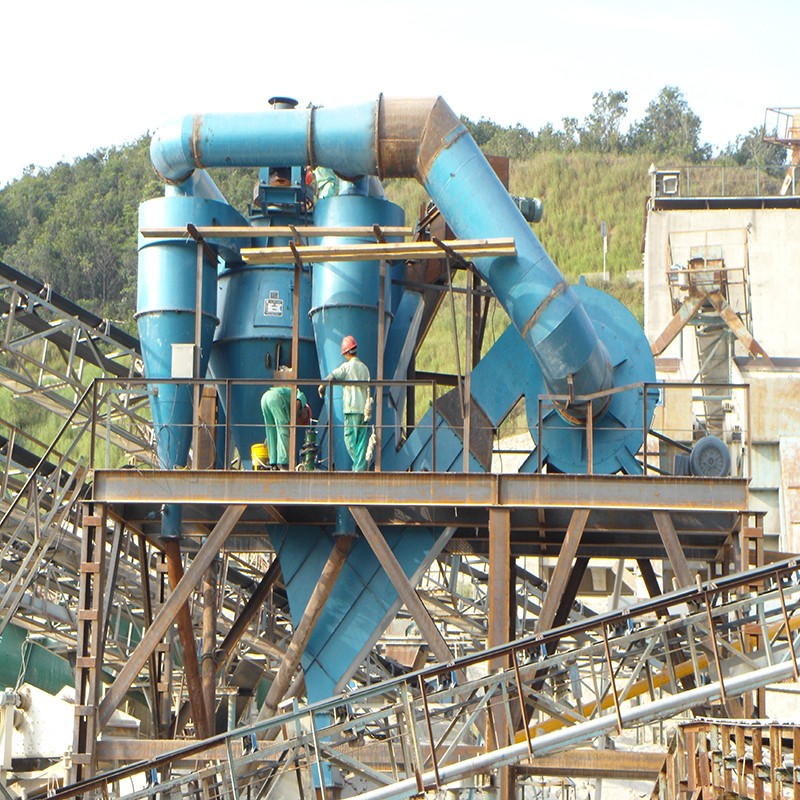
Jiangsu Jidingda Environmental Protection specializes in: sand and stone selection powder machines, three-separation vortex selection powder machines, sand and stone compound selection powder machines, fly ash selection powder machines, and twin-rotor selection powder machines.



价 格Negotiable
最小起订0 piece库存0 piece
 Business Card
Negotiable
Negotiable
Negotiable
Negotiable
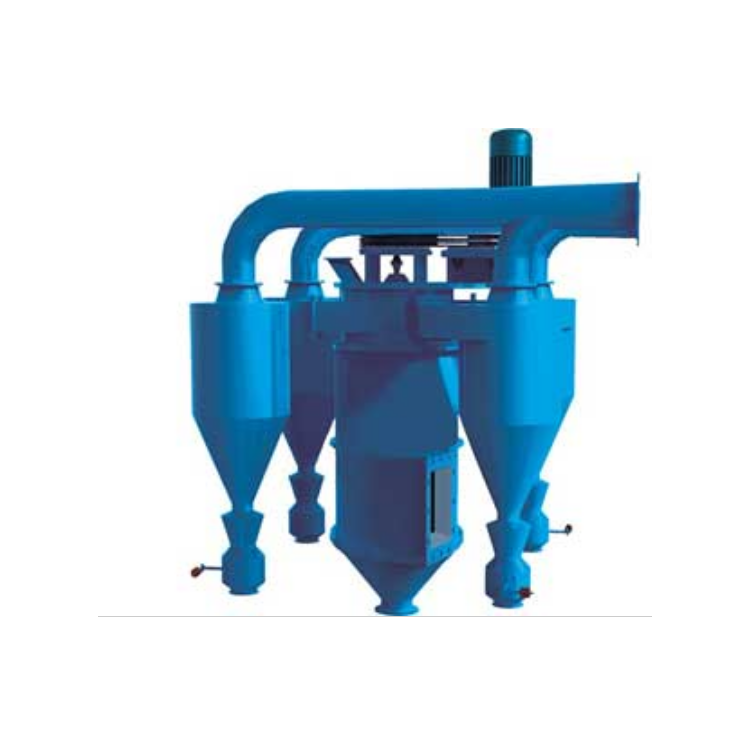
 Self-powered sand and gravel sepa
Negotiable
Self-powered sand and gravel sepa
Negotiable
 Calcium Hydroxide Selection Mill
Negotiable
Calcium Hydroxide Selection Mill
Negotiable
 Fly Ash Classifier
Negotiable
Fly Ash Classifier
Negotiable
 Pulse Jet Bag Filter
Negotiable
Grinding Mill for Slag Selection
Negotiable
Pulse Jet Bag Filter
Negotiable
Grinding Mill for Slag Selection
Negotiable
 Mechanical Sand Selection Mill
Negotiable
Mechanical Sand Selection Mill
Negotiable
 Calcium Powder Sifting Machine
Negotiable
Calcium Powder Sifting Machine
Negotiable
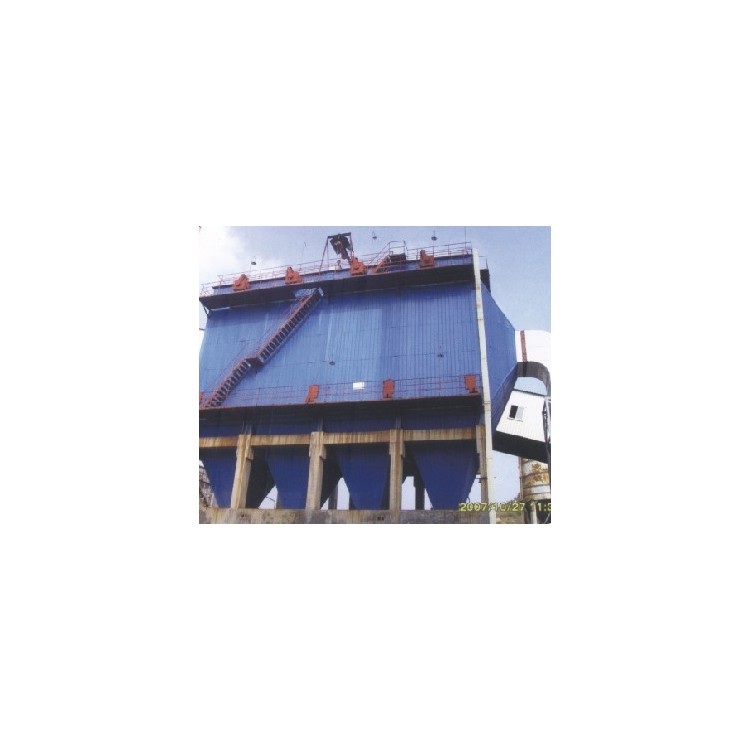 Horizontal electrostatic precipit
Negotiable
Horizontal electrostatic precipit
Negotiable
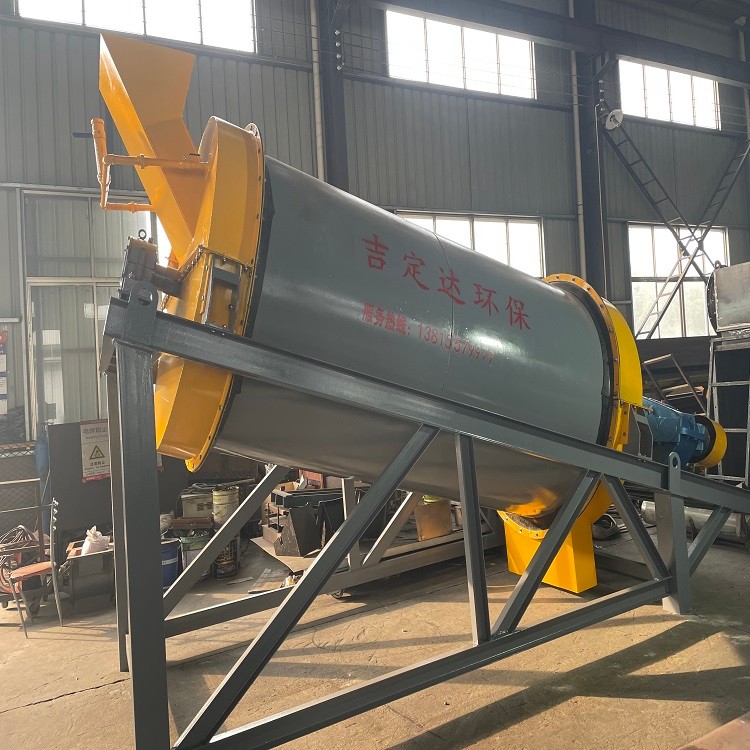 Aggregate Wet Mixing Machine
Negotiable
Aggregate Wet Mixing Machine
Negotiable
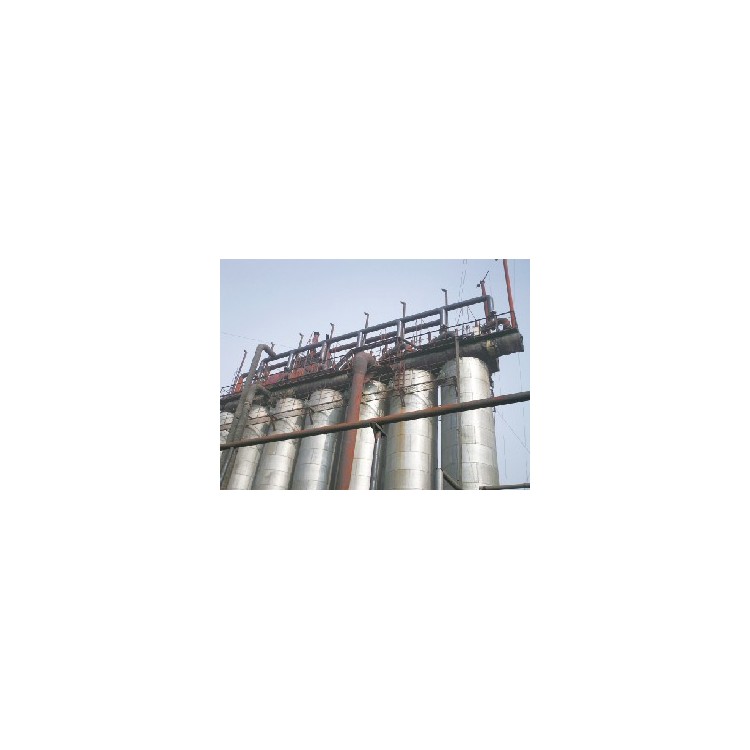 Bag dust collector for blast furn
Negotiable
Bag dust collector for blast furn
Negotiable
Product Overview
Highlight Advantages
1The sorting principle is stable: The product features multiple grading systems. By adopting an aeronautical aerodynamics analysis method tailored to the characteristics of sand and stone, the material flow field is optimized, significantly reducing the equipment's operating resistance and achieving high sorting efficiency. Energy saving and consumption reduction are very pronounced, surpassing the traditional water-washing sand and stone sorting production process.
2. The V-shaped discharging and grading area has a simple structure and low material consumption; without an electric discharging unit, the pressure difference loss is minimal, ensuring stable operation and energy-saving.
3. High grading accuracy
The air flow inside the rectifier rises relative to the rotor without rotation, allowing the material in the sorting area to be repeatedly cleaned with high grading accuracy.
4. Easy to operate
The cage rotor utilizes variable frequency stepless speed control. It offers a wide range of adjustment, which is convenient, sensitive, and reliable.
5. High grading efficiency
"V" type de-agglomeration sifting zone, equipped with multi-layer de-agglomeration and grading plates, repeatedly de-agglomerates and blows away, resulting in almost no fine powder in the discharged coarse powder. In the sedimentation grading zone, the powder outlet has an air flow that further blows away the fine powder from the middle material, significantly reducing the fine powder content in the middle material. The grading rotor zone is enhanced with a guide plate, making the grading more precise and effective.
6. Wear-resistant parts require minimal maintenance and have a long service life.
The main wearing parts of this deburring machine are made of imported wear-resistant steel plate, effectively extending its service life. The entire machine has been balanced dynamically, ensuring smooth operation across the entire speed range.
7. The main shaft lower bearing seal utilizes a new design concept, effectively resolving two significant issues: dust entry into the bearing and lubricant leakage, thereby substantially extending the bearing's service life.
8. When designing the de-dusting machine foundation, the mechanical vibration reduction principle is adopted to ensure that the vibration frequency of the sorting machine foundation does not form an integer multiple relationship with the inherent frequency of the sorting machine, fundamentally solving the long-standing resonance problem of the sorting machine.
9. Coarse sand pipes, medium-coarse sand pipes, and fine sand pipes all utilize double-locked air valves, significantly reducing the system's air leakage rate and overcoming the previous defect of excessive dust during the operation of the powder separator.
10. The system utilizes a dual-locking air valve and internal recirculation air to effectively reduce air leakage and minimize dust emissions during operation.
Operating Principle
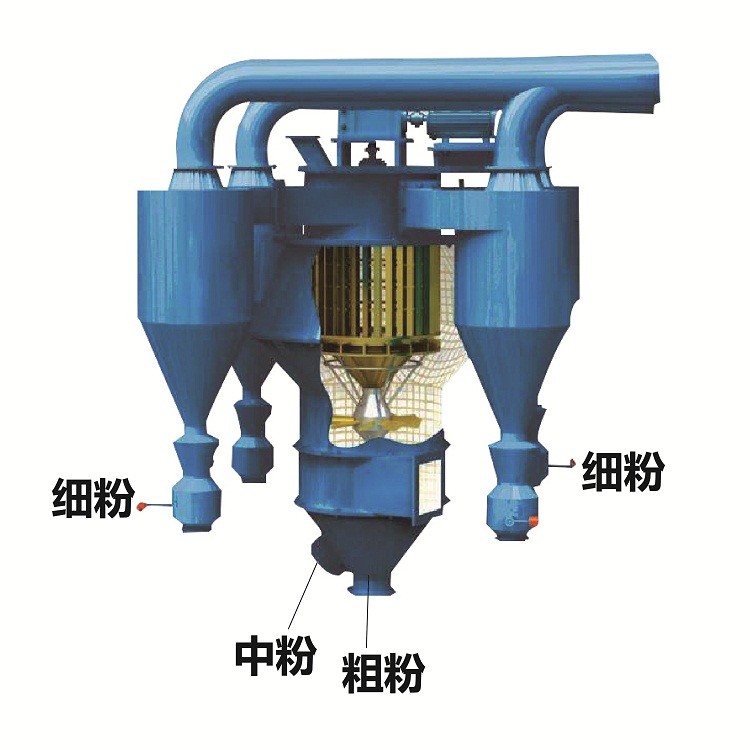
Artificial sand with particle sizes of 0 to 4.75mm is produced through crushers, sand-making machines, and vibration screens. It is fed into the machine via conveying equipment at the feed opening, entering the dispersal area. Under the action of several groups of guide plates and impact plates, different particle sizes of sand fall at varying speeds, causing multiple relative abrasions between the sand particles. This process peels off the clay and stone powder on the sand particles' surfaces, which are then swiftly carried away from the sand under the force of wind, ensuring the sand is thoroughly cleaned.
The material entering through the feeding port is dispersed and stripped through multiple dispersing plates, with the airflow blowing from the left side separating the medium and fine materials from the material stream, and the coarse sand being discharged from the bottom coarse sand outlet 6. The materials suspended in the air flow enter between the multi-layer classification plates in the grading area, where the plates further remove relatively coarse materials. The coarse materials slide down the grading plates, are blown up again by the wind, and undergo repeated sorting until the fine powder is merged with the coarse sand. The air flow carrying the material entering the medium material grading area, due to the reduced airflow speed and directional deviation, causes the heavy sedimentation of medium sand and its impact on the wall, with the medium sand discharged through the medium sand outlet. The airflow carrying the material enters the fine material grading area, where, under the action of the curved guide plates, it produces rotation, creating both centrifugal and gravitational sedimentation. The fine sand falls into the lower fine sand collection cone and is discharged through the fine sand outlet. The powder material enters the desanding area, where the coarser particles (fine sand) are thrown out by the cage-shaped rotor. The fine sand collides with the curved guide plate and falls into the fine sand collection cone. The airflow containing the powder enters the cyclone for gas-solid separation, with the separated fine powder discharged through the powder outlet. The cleaner air is recirculated through the exhaust pipe to the blower.
Technical Specifications
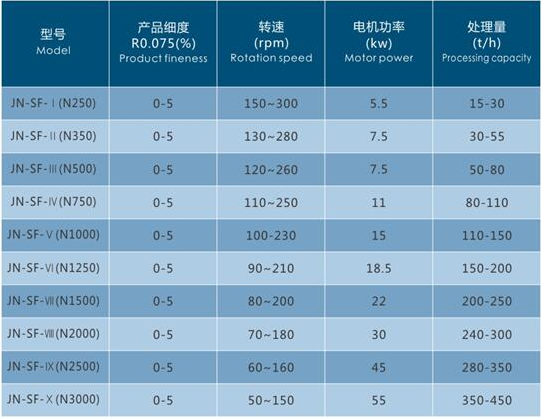
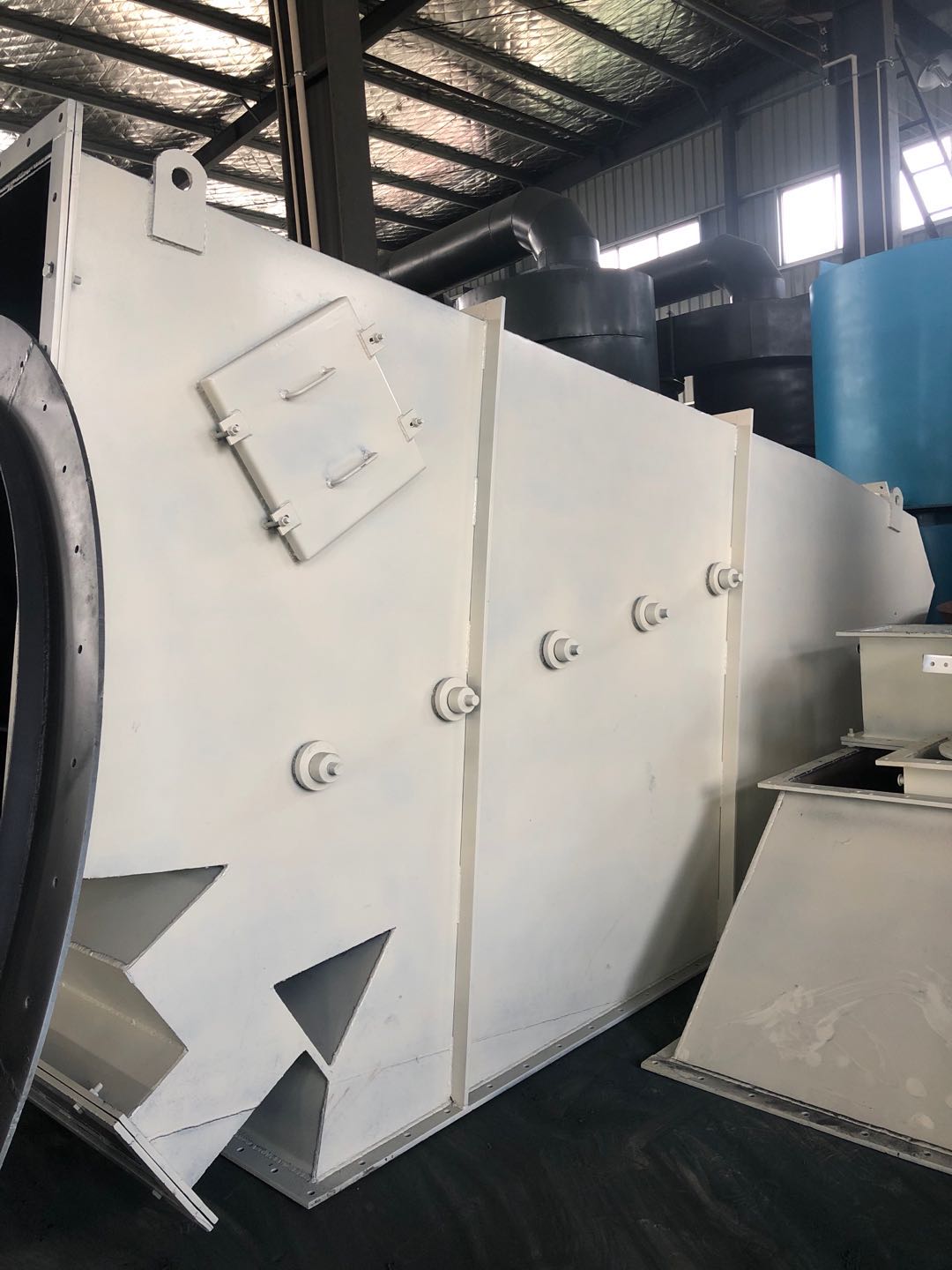
Factory manufacturing details in real-time shots
Full-length wear-resistant ceramic adhesive
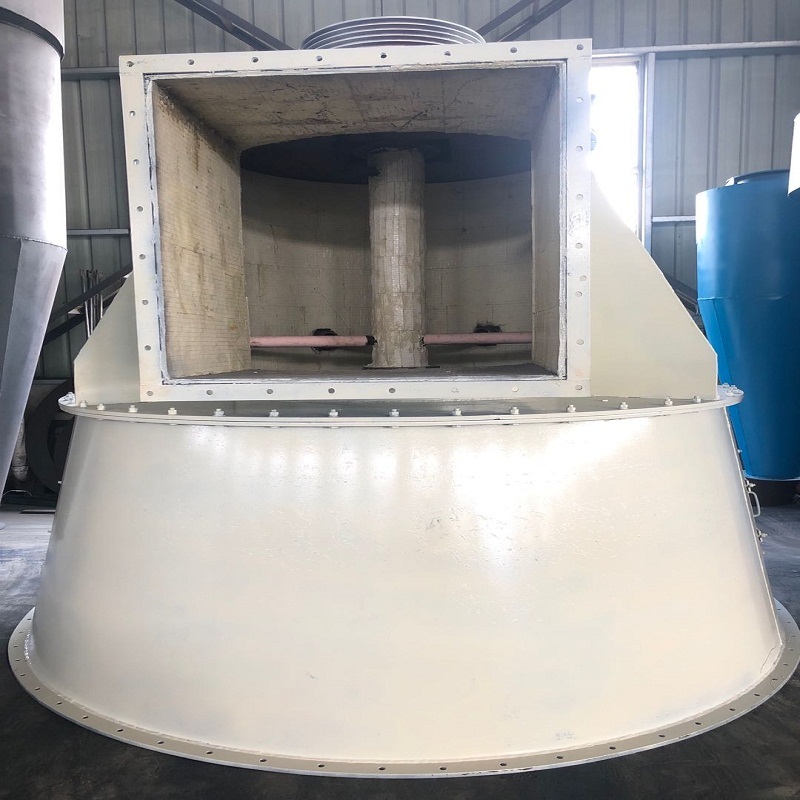
1. The turntable is made of imported composite wear-resistant board, with a wear resistance 10 times that of ordinary steel.
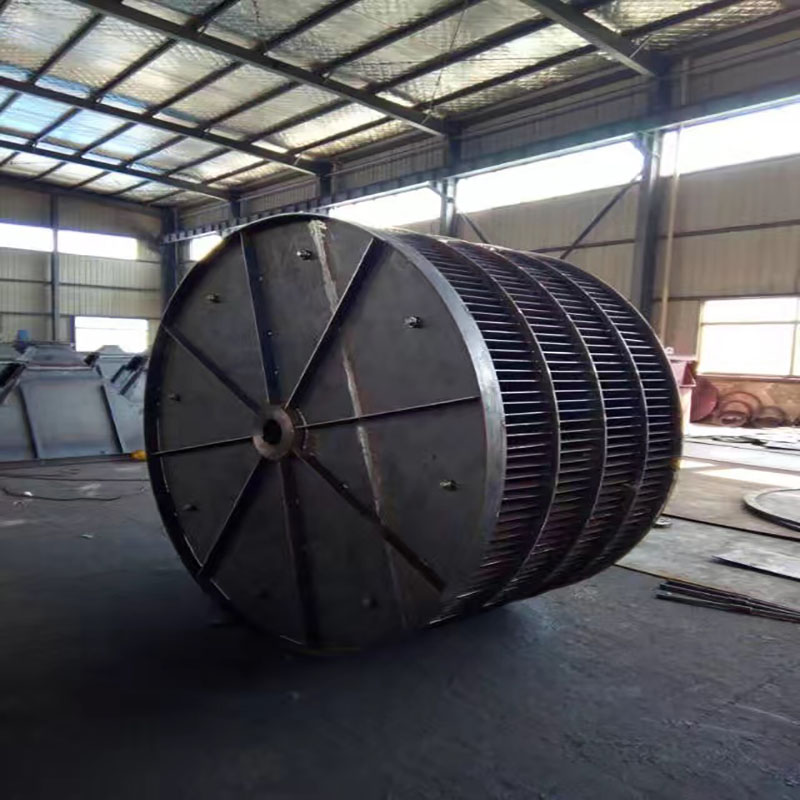
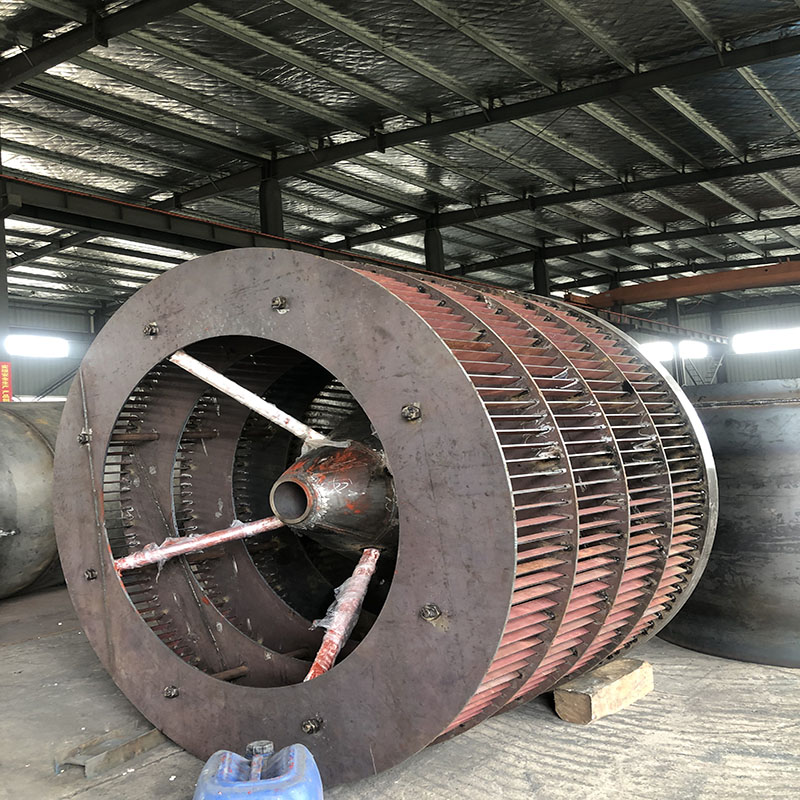
2. Adjust and fine-tune the gap of the graded slices as required.
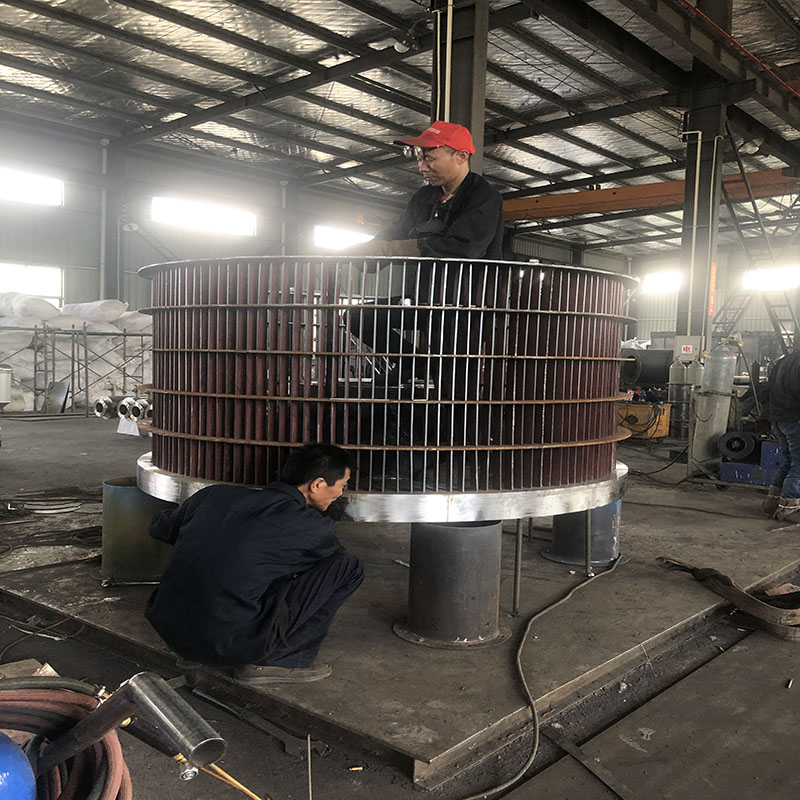 3. The inner lining of the classifier is made with imported abrasion-resistant ceramic adhesive.
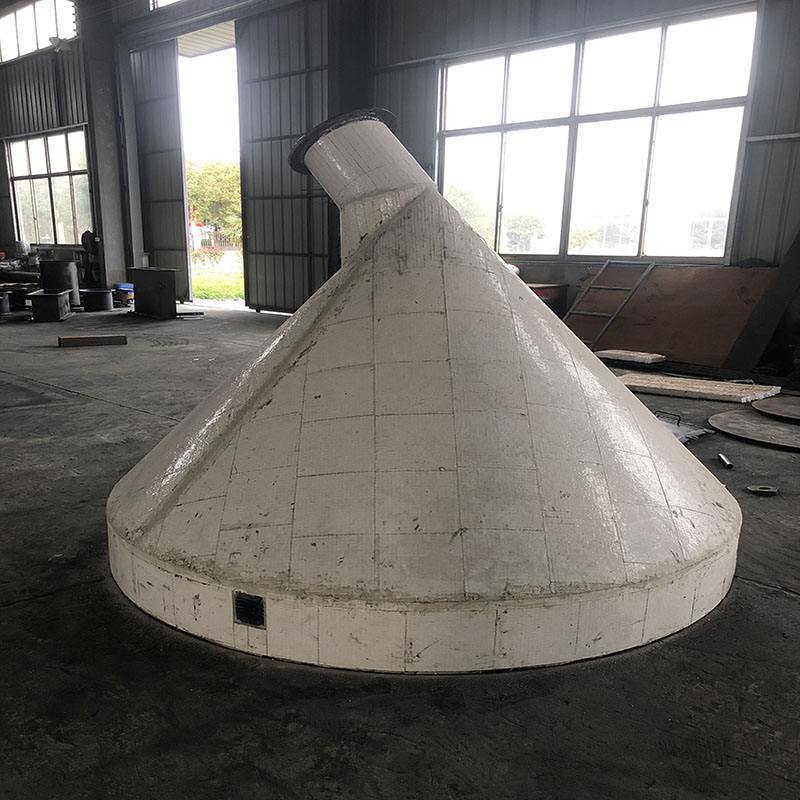
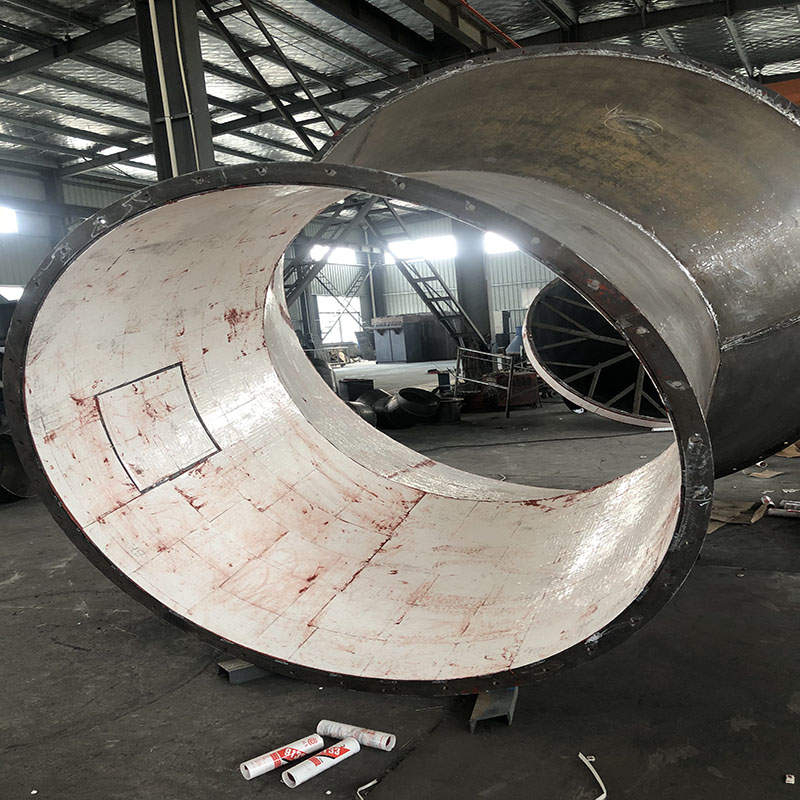
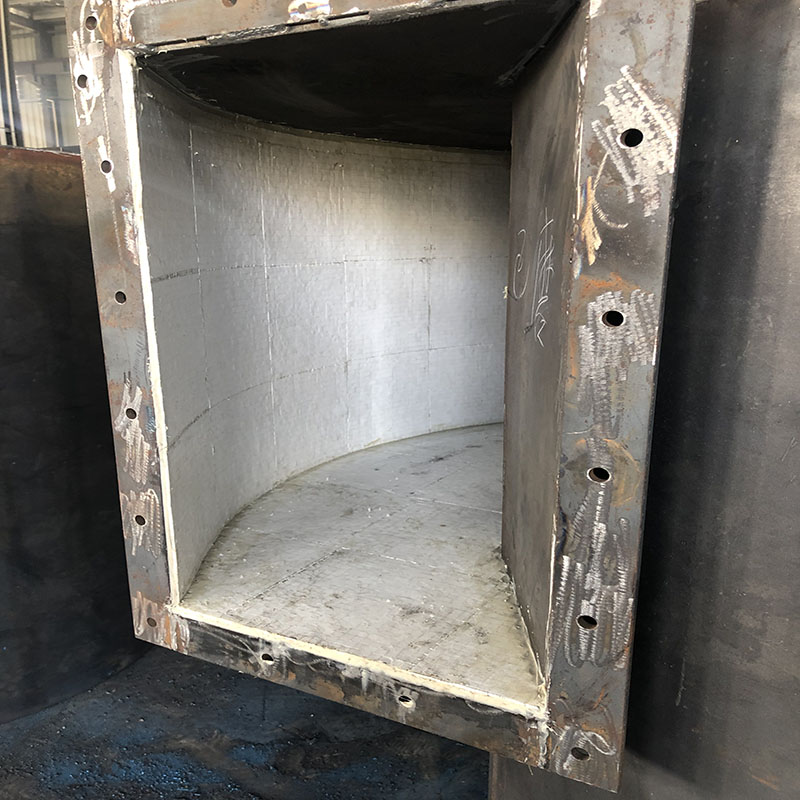
The V-type classifier grading plate is made of replaceable imported composite wear-resistant plate, significantly enhancing its service life.
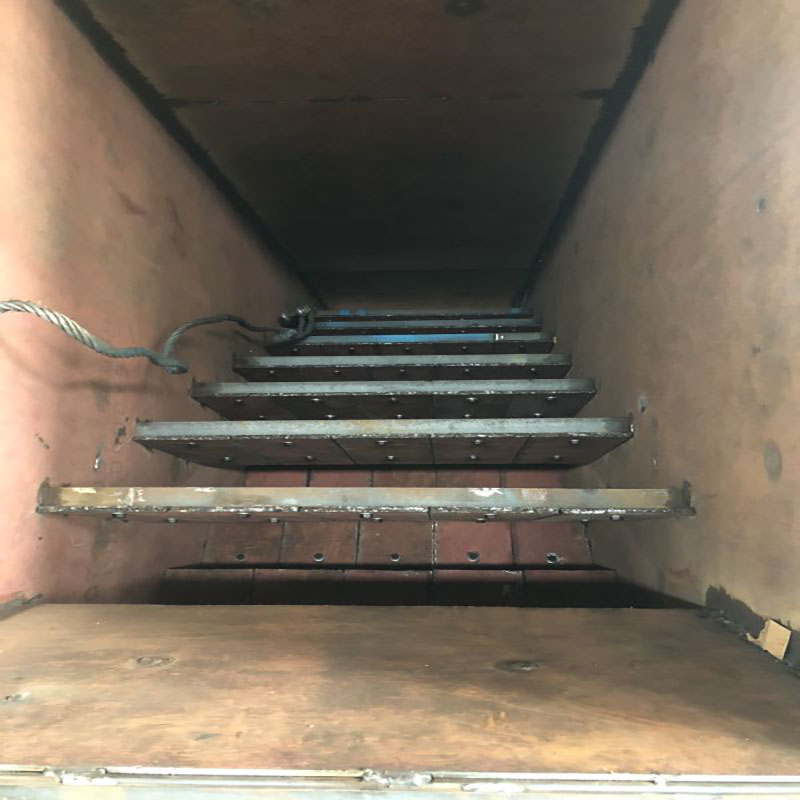
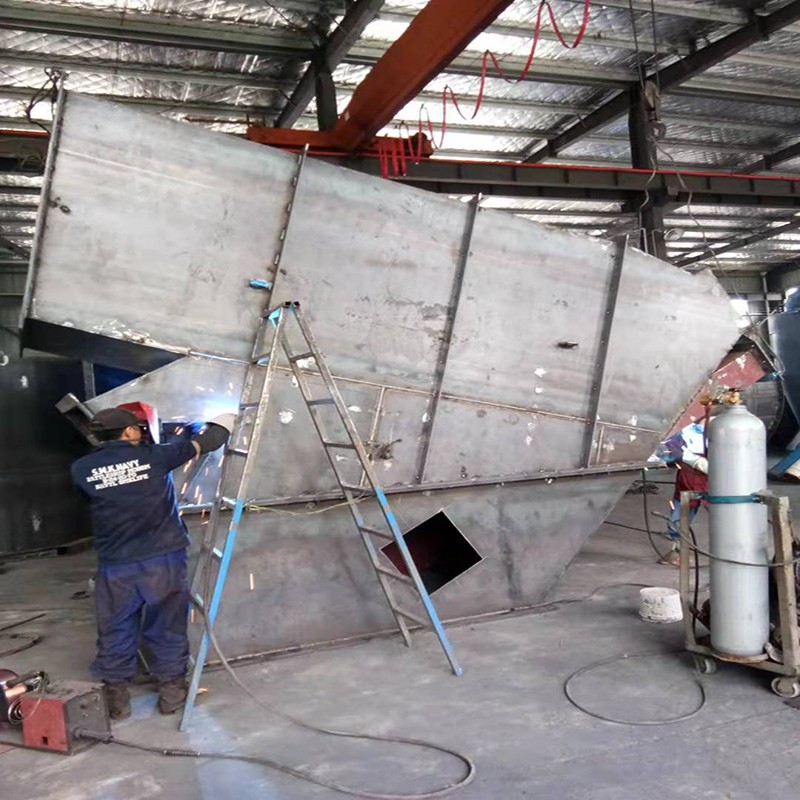
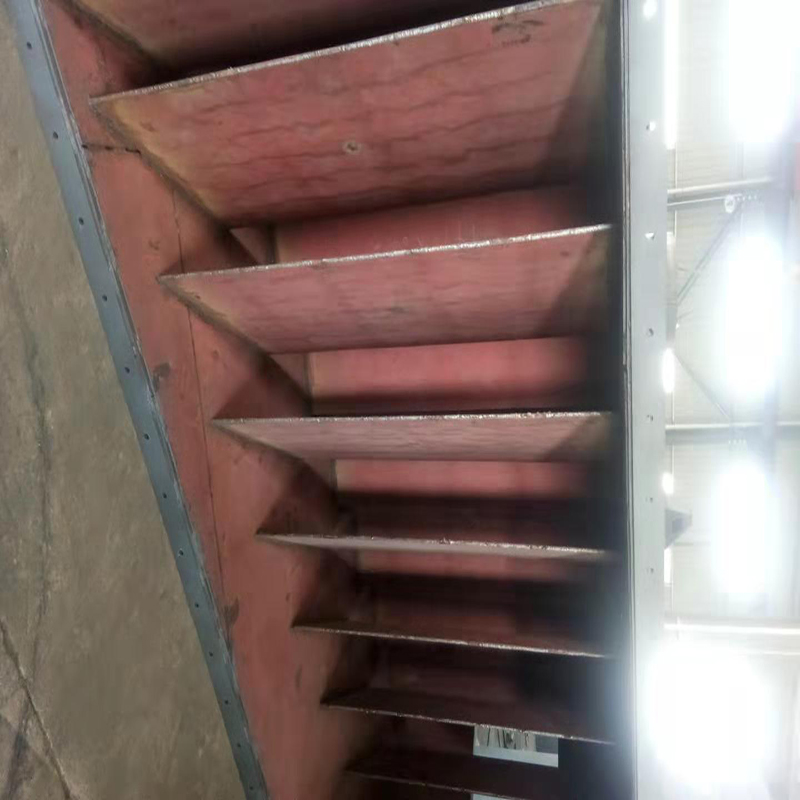
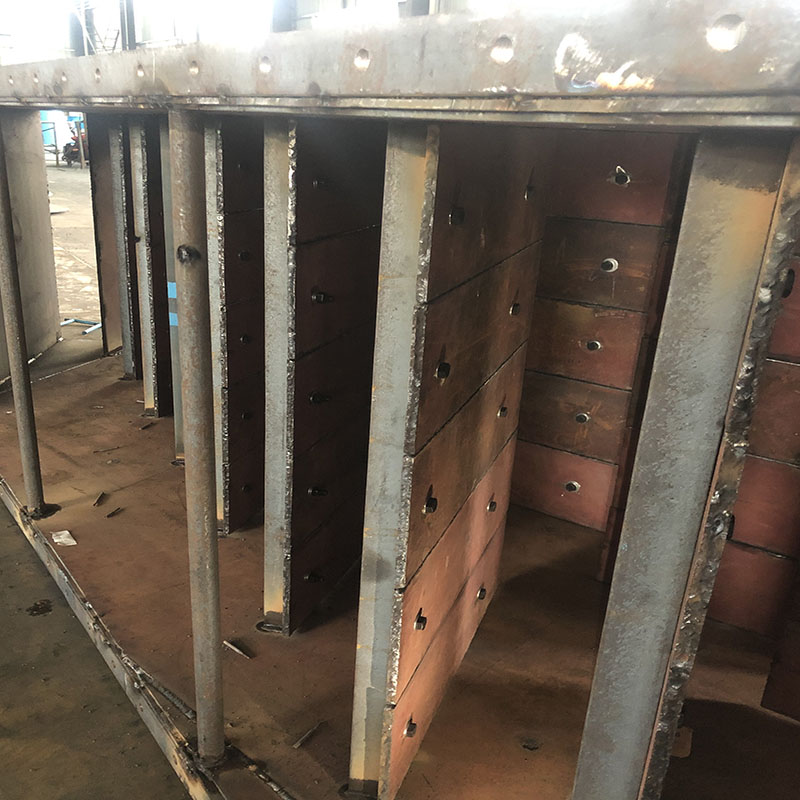
Adjustable V-shaped blade, easy to adjust the required sand and stone particle size

Phone Consultation