
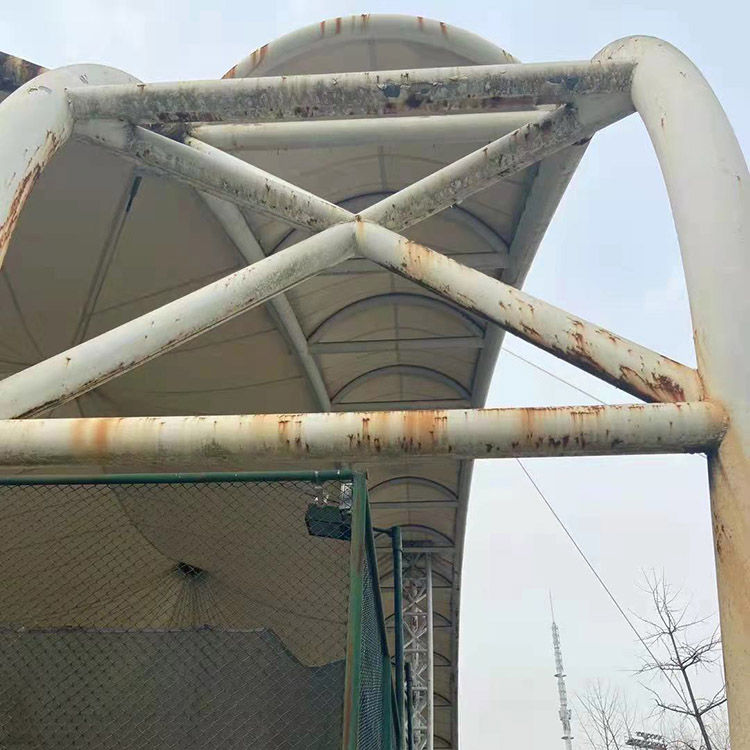
 Jiang'an District Steel Structure Factory Safety Inspection and Appraisal Material Re-examination Center
 Enshi Lightning Protection Device Safety Inspection Qualification Annual Lightning Protection Inspection Institution
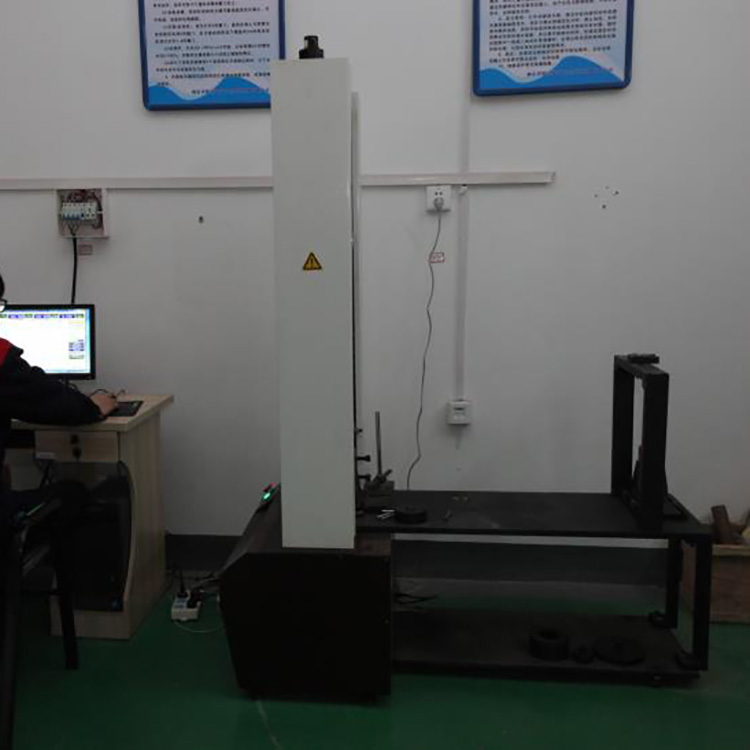 Ezhou Compound Gypsum Board Entry Requirement: Material Sampling Unit Inspection
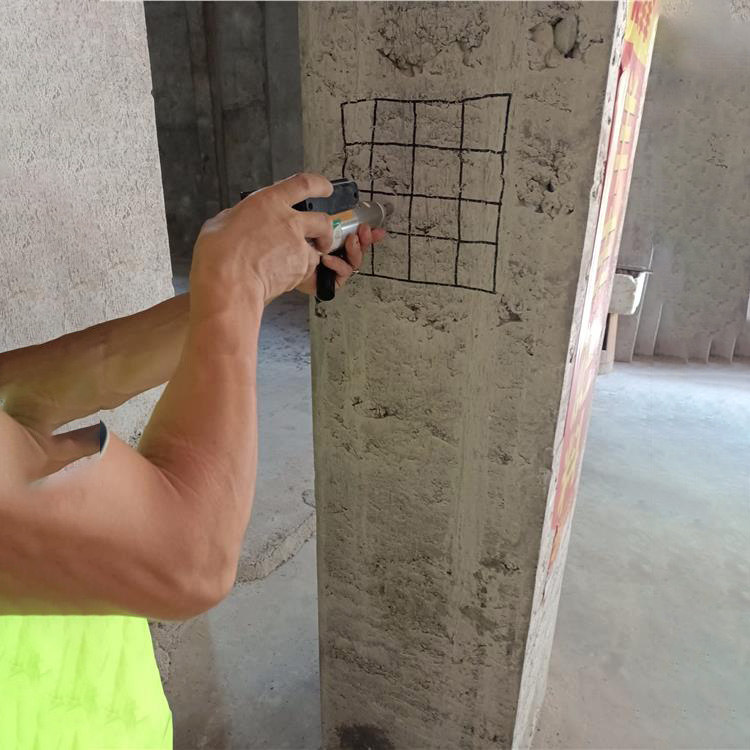 Huangmei Modular Structure On-site Inspection Physical Inspection Items
Product Details

Construction engineering and construction, construction quality inspection, i...



产品Price Negotiable
最小起订Quantity:1 square meters 供货总Quantity: 10000 square meters


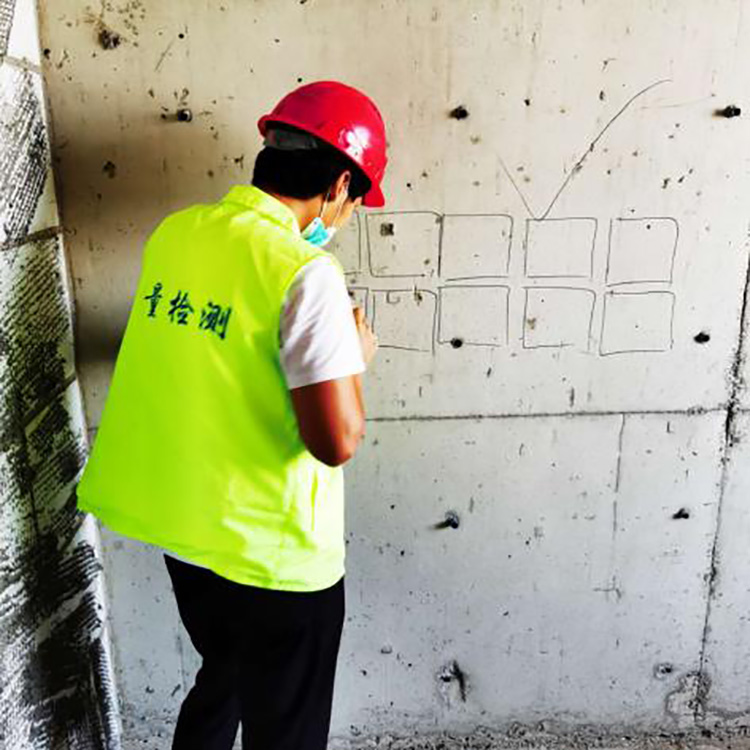 Enshi Office Building Addition Renovation Inspection and Building Safety Assessment
Negotiable
Tenyan Sports Venue Building Main Structure Safety Inspection Standards
Negotiable
Enshi Office Building Addition Renovation Inspection and Building Safety Assessment
Negotiable
Tenyan Sports Venue Building Main Structure Safety Inspection Standards
Negotiable
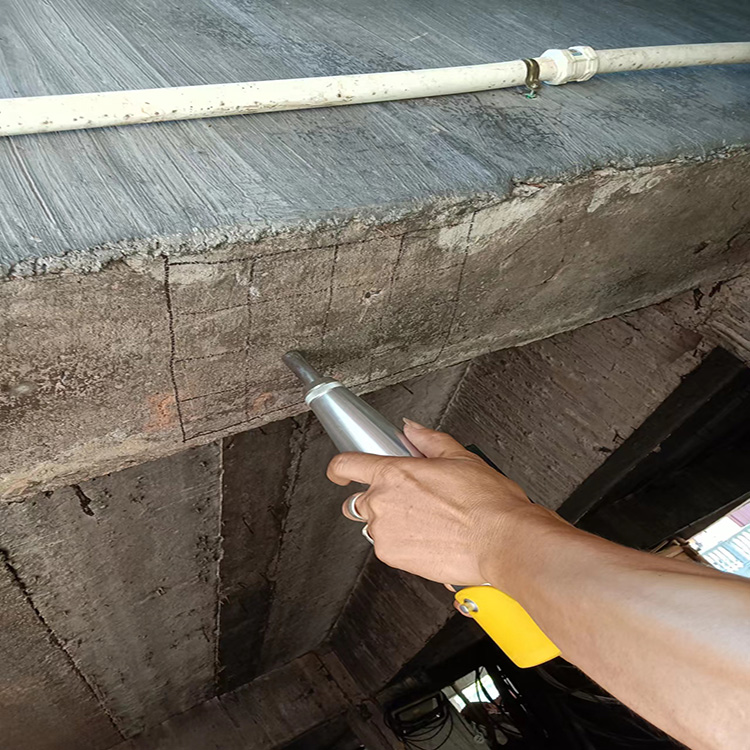 Huanggang Residential Structure Safety Assessment Standards, Third-Party Residential Inspection Agencies
Negotiable
Huanggang Residential Structure Safety Assessment Standards, Third-Party Residential Inspection Agencies
Negotiable
Ten堰Sports Venue Building Main Structure Safety Inspection Standard Process: The main structure of the building includes the following components: For overall structural inspection of buildings, both general inspection items and some special items are crucial. So, what are these inspection items?
Importance of Main Structure Safety Inspection Standards for Tenyan Sports Venue Buildings - What is the process for building structure inspection?
1. Gather original documents such as geological survey statements, completion drawings, and engineering acceptance files for the house, and conduct geological surveys as necessary.
2. Inspect and record the damaged areas, extent, and scope of the house foundation, load-bearing structure, and protective structure.
3. Investigate and analyze the characteristics, structural layout, and seismic measures of the house structure, and review the seismic bearing capacity.
4. The testing items for the mechanical properties of the building structure materials should be determined based on the requirements of the structural load-bearing calculation.
5. General buildings should comply with the "Code for Seismic Evaluation of Existing Buildings" GB50023-95, adopting the corresponding step-by-step evaluation method for the analysis of seismic capacity.
6. Conduct an assessment of the existing house's seismic capacity, and for those that do not meet seismic requirements, propose necessary seismic reinforcement methods and disaster mitigation strategies in accordance with relevant technical specifications.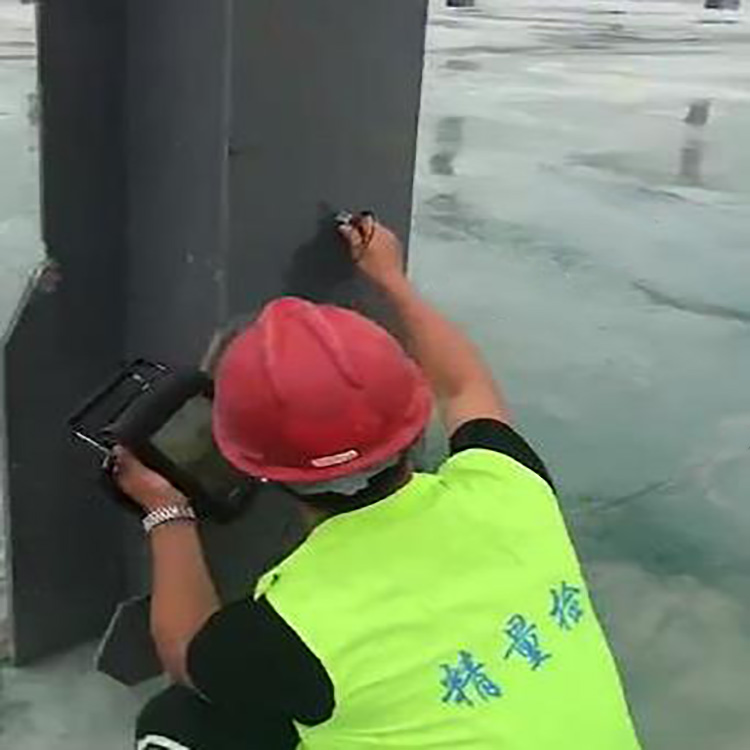
Sheet: The spacing of the reinforcing bars in the sheet should not be greater than 200mm when the thickness h ≤ 150mm; when the thickness h > 150mm, it should not exceed 1.5 times the thickness of the sheet and should not exceed 250mm.
Liáng: The net spacing of longitudinal steel bars at the top of the beam in the horizontal direction (the small distance between the outer edges of the steel bars) should not be less than 300mm and 1.5d (d being the large diameter of the steel bars); the net spacing of longitudinal steel bars at the bottom of the beam in the horizontal direction should not be less than 25mm and d. When the longitudinal steel bars at the bottom of the beam are configured in more than two layers, the spacing between the steel bars above the second layer should be doubled compared to the spacing between the bottom two layers. The net spacing between steel bars in each layer should not be less than 25mm and d.
Column: The clear spacing of the reinforcing steel in the column should not be less than 50mm; for precast columns cast horizontally, the minimum clear spacing of the longitudinal reinforcing steel should be taken according to the relevant provisions for beams; in eccentrically loaded columns, the longitudinal reinforcing steel on the side perpendicular to the plane of the bending moment action and in axially loaded columns on all sides, the spacing should not be greater than 300mm.
Wall: The spacing of horizontal and vertical distribution rebars in shear walls of grades one, two, and three seismic resistance should not exceed 300mm; for the bottom reinforcement areas of shear walls in partial frame-supported shear wall structures, the spacing of horizontal and vertical distribution rebars should not exceed 200mm.
Boards, beams, columns, walls, and other architectural components work together synergistically, collectively ensuring the long-term use of the structure. However, if a component in any of these areas sustains damage or deterioration, it can often lead to a domino effect. Besides the visibly defective components, other surrounding structural elements may also begin to exhibit various issues.
Under the collaborative efforts of multiple primary structural components such as slabs, beams, columns, and walls, the service life of the building is determined. If any primary structural component is damaged or shows signs of disease, it can compromise the overall safety of the building structure. Besides the obviously defective quality of the diseased structural components, other surrounding structural components may also相继 exhibit varying degrees of quality issues.
1. Are the current load-bearing capacities of the structures in all locations up to standard?
2. On-site testing of concrete, mortar, and masonry strength for structural components.
3. Are there issues such as concrete weathering and cracking on walls and floors?
4. Are there any tilting issues with the load-bearing components such as walls?
5. Reinforcement protective layer thickness testing for structural components such as plates, beams, and columns.
6. Conduct mechanical property tests on the rear embedded parts.

Phone Consultation