
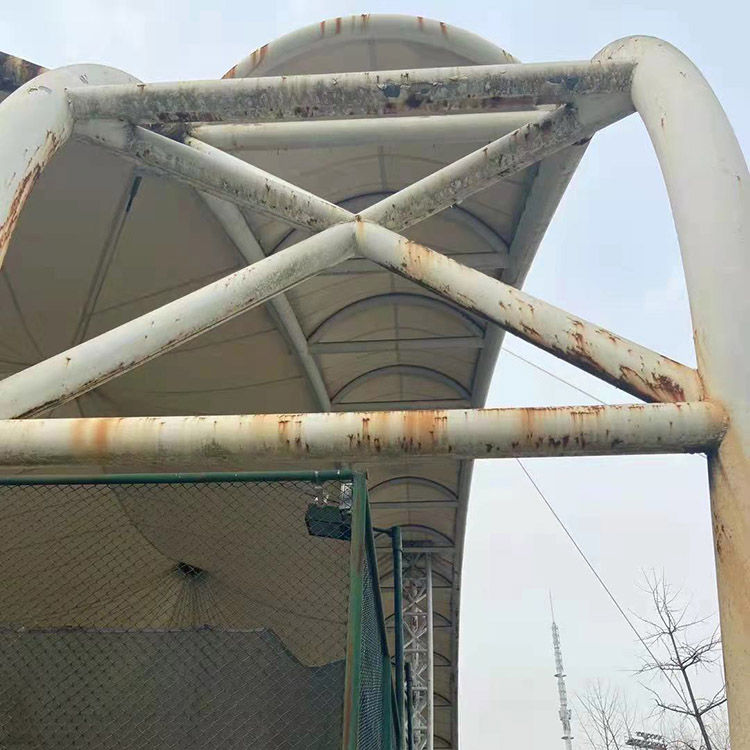
 Jiang'an District Steel Structure Factory Safety Inspection and Appraisal Material Re-examination Center
 Enshi Lightning Protection Device Safety Inspection Qualification Annual Lightning Protection Inspection Institution
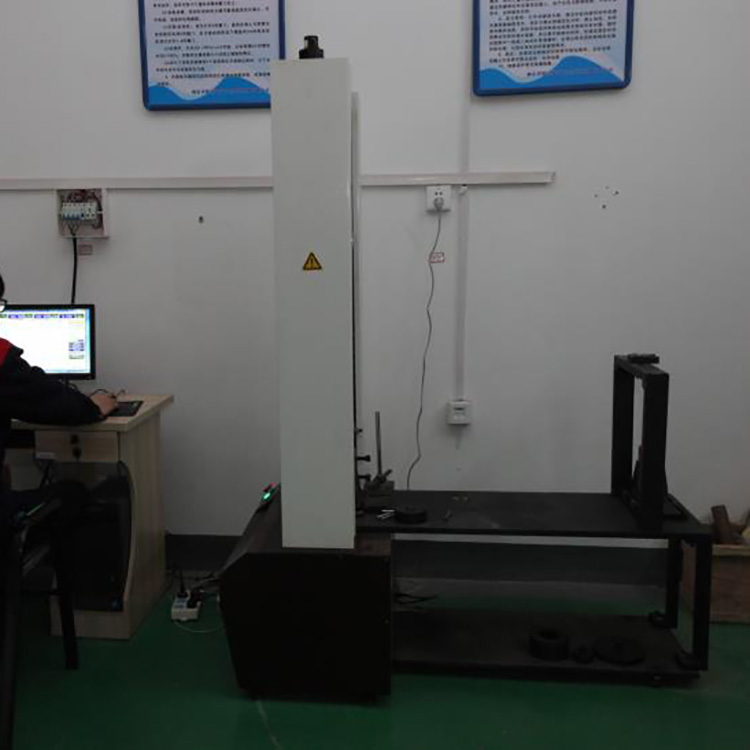 Ezhou Compound Gypsum Board Entry Requirement: Material Sampling Unit Inspection
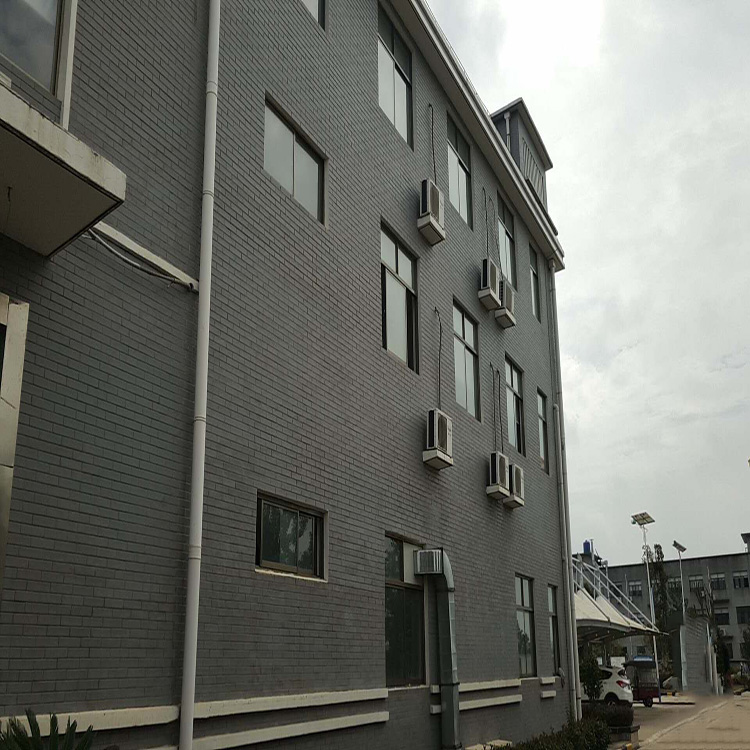
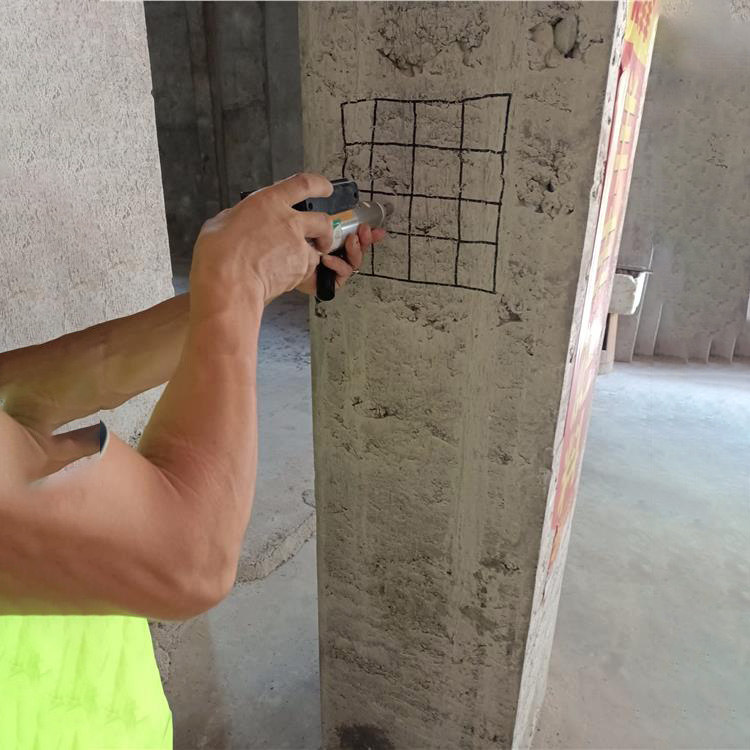 Huangmei Modular Structure On-site Inspection Physical Inspection Items
Product Details

Construction engineering and construction, construction quality inspection, i...



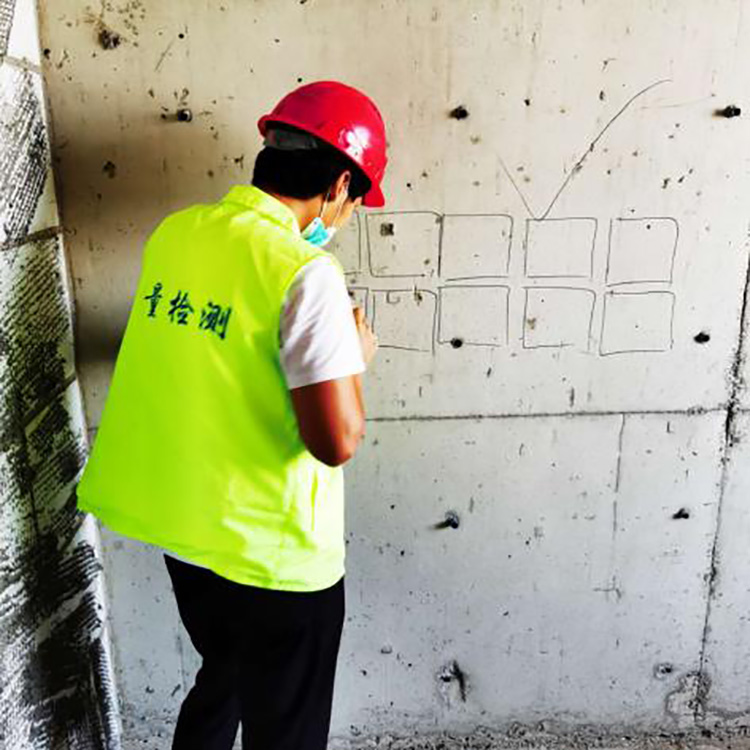
产品Price Negotiable
最小起订Quantity:1 square meters 供货总Quantity: 10000 square meters

 Enshi Office Building Addition Renovation Inspection and Building Safety Assessment
Negotiable
Enshi Office Building Addition Renovation Inspection and Building Safety Assessment
Negotiable
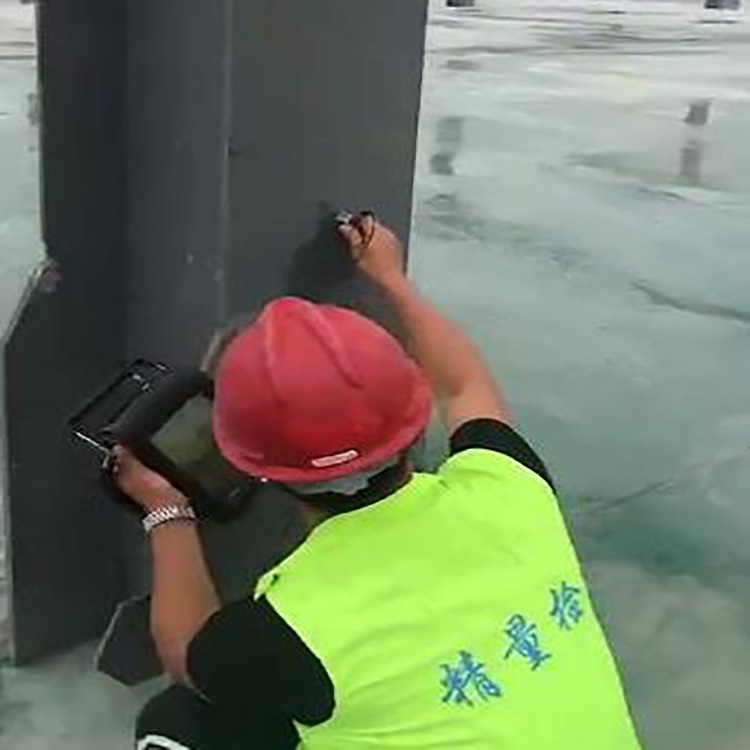 Tenyan Sports Venue Building Main Structure Safety Inspection Standards
Negotiable
Tenyan Sports Venue Building Main Structure Safety Inspection Standards
Negotiable
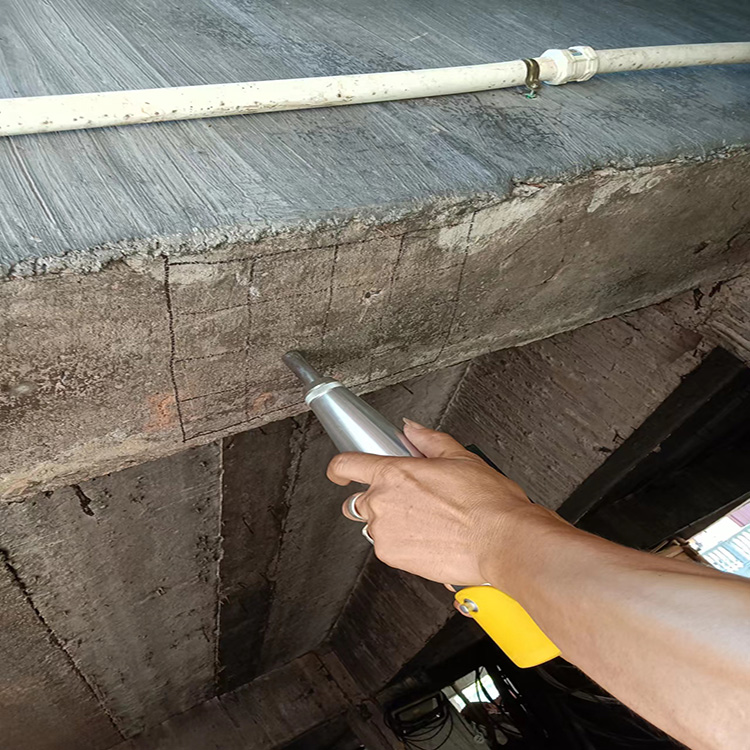 Huanggang Residential Structure Safety Assessment Standards, Third-Party Residential Inspection Agencies
Negotiable
Huanggang Residential Structure Safety Assessment Standards, Third-Party Residential Inspection Agencies
Negotiable
The main work content of the Enshi office building addition and transformation inspection, as well as the structural steel interlayer building safety assessment, includes: Enshi Office Building Addition Reconstruction Inspection and Residential Safety Assessment Structural Seismic Evaluation Example Analysis of House Renovation and Reconstruction Inspection and Appraisal Projects: 1. Solution: The location for renovation is a floor. After removing one column, the area is changed to a cruciform beam slab roof. The cross-section of the cruciform beam is 250.800, remove the existing beam with a thickness of 80mm, and install a new cross beam above the original perimeter frame beam, which is at the same height as the original roof covering (approved by the user and planning department).
Enshi Office Building Addition Reconstruction Inspection and Building Safety Appraisal Structural Review Surveying: Main building dimension review, main cross-sectional dimension review, structural layout review, component connection nodes review, etc.
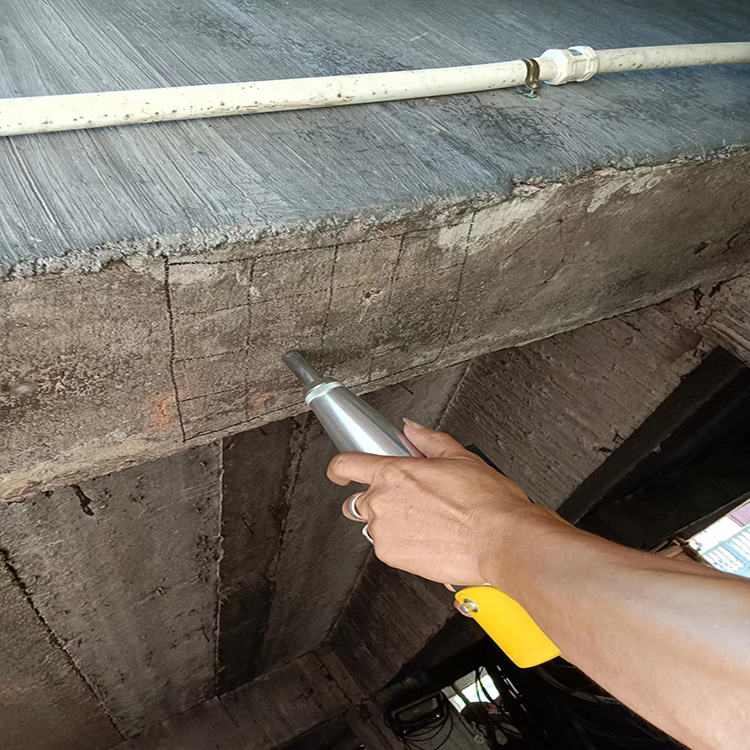
2. On-site inspection of building condition: The on-site inspection includes the main load-bearing components of the inserted layers such as steel beams, composite floors, steel columns, and crack damage, decoration conditions, as well as damage to the floor and ground surfaces. Floor inspection: Check if the composite floor is intact and if there are any obvious cracks. Beam and column inspection: Check for rust or discoloration on the steel of beams and columns. Component joint inspection: Ensure that steel components and connection joints are intact, with bolt connections and weld quality being good, and look for any signs of component damage or missing parts.
3. Structural bearing capacity calculation and analysis of steel frame interlayer: Conduct a calculation and analysis based on the structural condition after the architectural structure's renovation and the building's surface layout and usage function. Only evaluate the structural safety of the second floor steel frame interlayer area; the structural safety of the entire building is not considered. Furthermore, according to the corresponding seismic design specifications, evaluate the seismic capacity based on the seismic fortification intensity, and then according to the construction year of the house, conduct a seismic assessment based on the remaining service life of the house.
4. Structural Calculation Analysis: Live loads, dead loads, wind loads for steel frame interlayers, material strength, seismic effects, calculation software, and models. Based on architectural structural drawings and renovation design plans, combined with on-site inspection data, model and analyze the interlayer structure for calculation, and verify the load-bearing capacity of the structure.
5. Structural Load-bearing Capacity Calculation Analysis
6. Comprehensive evaluation of steel structural interlayer design
7. Conclusion of property inspection and assessment, along with recommendations for handling and suggestions.
According to the "Standard for Seismic Evaluation of Buildings" (GB 50023-2009), existing buildings are categorized into three types (A, B, C) based on their different remaining service life: A (30 years), B (40 years), and C (50 years). Seismic evaluation is conducted for Types A and B buildings according to standard methods [2]. This project involves the seismic evaluation measures for a B-type building with a remaining service life of 40 years (this project's seismic fortification category is defense category, requiring an increase of one degree in seismic evaluation measures, i.e., seismic evaluation measures are conducted based on the 8-degree seismic fortification requirements). Seismic evaluation for the frame-structured masonry structure is carried out in two levels: *-level evaluation primarily focuses on macro control and construction measures for comprehensive assessment, and *-level evaluation combines the results of *-level evaluation with the adoption of a comprehensive seismic capacity index method for comprehensive assessment of the structure.
1. Seismic Resistance Measures Assessment
After seismic measures verification, the current status of the outpatient building's seismic evaluation is as follows: 1) The actual height of the building is 18.4m, with 3 stories (sloped roof), exceeding the seismic evaluation standard (11.0m, 3 stories) by 7.4m; 2) The large spacing of the seismic cross walls is 13.0m, meeting the seismic evaluation standard (15.0m) requirement; 3) The width between longitudinal windows is 1.05m, exceeding the seismic evaluation standard (not less than 1.5m) by 0.45m; 4) The brick seismic wall thickness is 360mm for exterior walls and 240mm for interior walls, with actual brick strength MU10.0, actual mortar strength M7.5, and actual concrete strength C20, meeting the seismic evaluation standard; 5) Reinforced concrete structural columns are set at the four corners of the exterior walls and staircases/elevator shafts, as well as at both ends of the seismic walls, meeting the seismic evaluation standard requirements; 6) Reinforced concrete ring beams are installed at the floors and roofs, meeting the seismic evaluation standard requirements; 7) The cross-sectional dimensions of the structural columns are 240mm×240mm, with longitudinal reinforcement of 418, and stirrup spacing of 100mm and 200mm (not less than 240mm×240mm, not more than 200mm) as required.
2. Seismic Load-Bearing Capacity Assessment
The load-bearing capacity calculation for this project is conducted based on the original structure's three-story foundation, under the conditions of adding a four-story and five-story structural system. The slope roof is arranged as if converted to a flat roof. In accordance with the functional requirements of the proposed additional stories, a load-bearing capacity calculation is performed on the existing structure under the condition of additional loads.
3. Verification Parameters
Wind Pressure: 0.45 kN/?O.
(2) Building Category: Type B building.
(3) Damping Ratio: 3% selected.
(4) Seismic Fortification: The seismic fortification intensity is 7 degrees (0.15g), and the designed seismic grouping is Group *II.
(5) Material Strength: The strength grade of bricks used for wall masonry is MU10, the strength grade of mortar for wall masonry is M7.5, the cast-in-place concrete columns, beams, and slabs are C20, and the proposed new structure concrete strength is C35.
4. Inspection and Appraisal Conclusion
Based on the on-site test results and in accordance with relevant specifications, a load-bearing capacity calculation and seismic measures assessment of the existing structure in this project have been conducted, leading to the following conclusions:
Strengthening treatments are to be applied to components where the bearing capacity of the first floor's locally compressed wall and the seismic-bearing capacity of the wall from the first to the third floor do not meet the specification requirements.
(2) For sections not meeting seismic measures, treatment can be applied based on the specific work of adding stories. The seismic measures of the structure after adding stories should comply with the current seismic design specifications. Measures such as enhancing the overall seismic capacity requirements or proposing changes to the structural system should be adopted.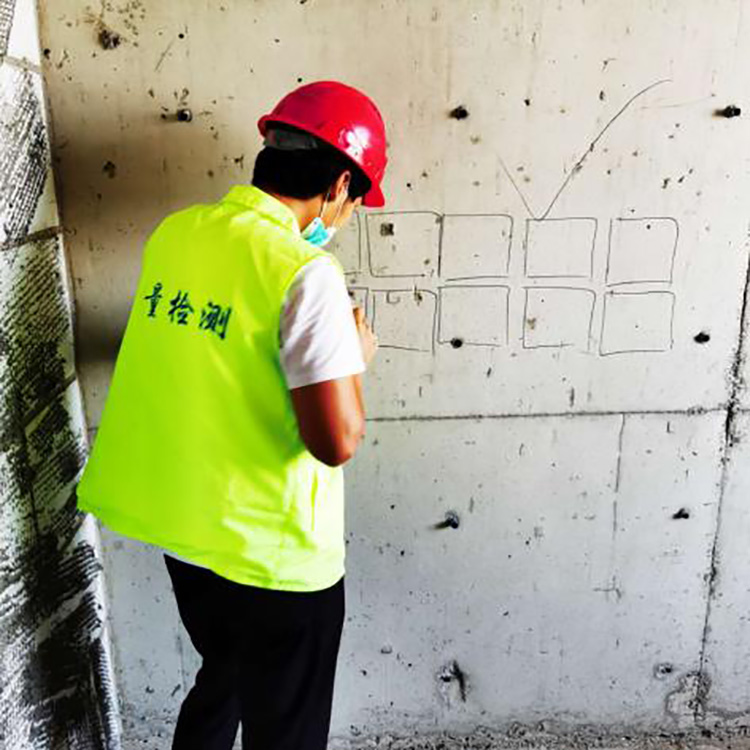
2. Load Analysis: Live loads remain unchanged, while the weight of the lattice beam deck has slightly increased compared to before (impact on foundation to be calculated separately). However, this has altered the load-bearing form of the original frame beams supported by the lattice beams and increased the loads; removing one frame column affects the overall load-bearing of the original frame system. A comprehensive analysis and calculation of the original frame system and the "perimeter frame beams" is required.
3. Structural component calculations are required when the material strength of structural components is reduced after inspection, the cross-sectional dimensions are reduced, or when the load on the components changes due to changes in use function or modifications, or when the loading method is altered, etc. It is necessary to recalculate the structural components to determine if their bearing capacity, deformation, and stability meet the requirements under the new conditions. (Bearing capacity includes: bending resistance, shear resistance, tensile resistance, compressive resistance, local compressive resistance, torsional resistance, etc.)

Phone Consultation