
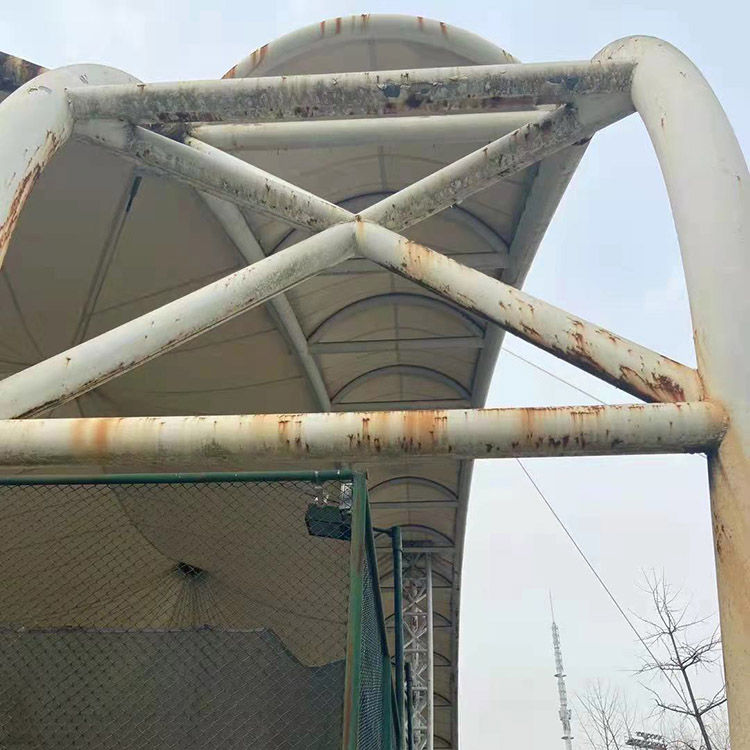
 Jiang'an District Steel Structure Factory Safety Inspection and Appraisal Material Re-examination Center
 Enshi Lightning Protection Device Safety Inspection Qualification Annual Lightning Protection Inspection Institution
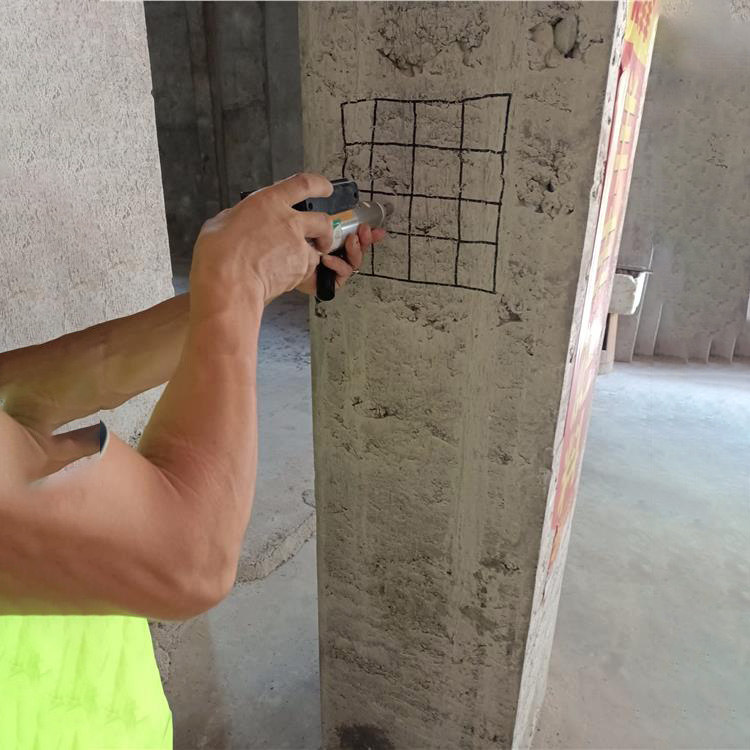 Huangmei Modular Structure On-site Inspection Physical Inspection Items
Product Details

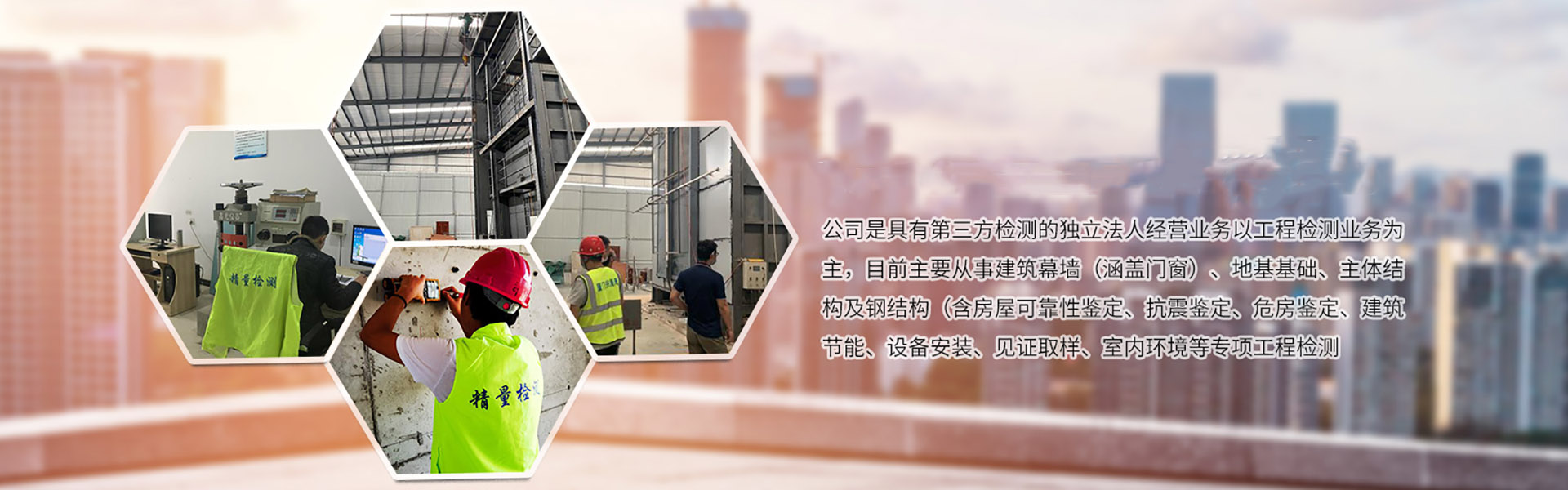
Construction engineering and construction, construction quality inspection, i...
产品Price Negotiable
最小起订Quantity:1 square meters 供货总Quantity: 9999 square meters


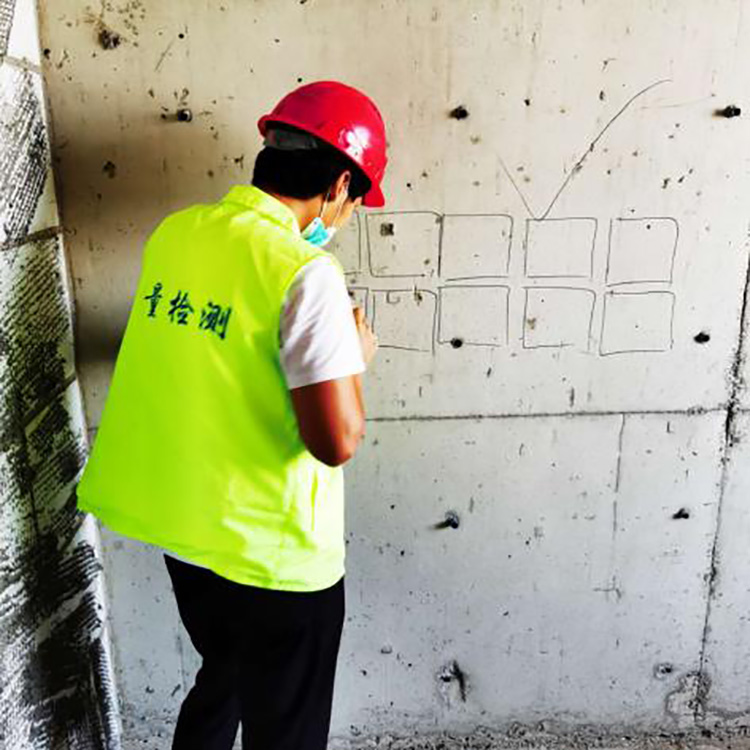 Enshi Office Building Addition Renovation Inspection and Building Safety Assessment
Negotiable
Enshi Office Building Addition Renovation Inspection and Building Safety Assessment
Negotiable
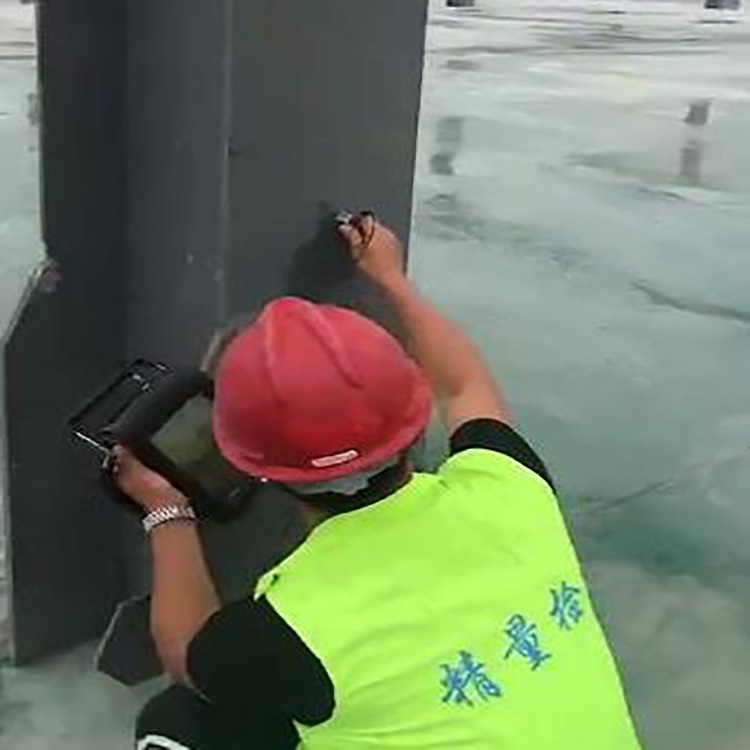 Tenyan Sports Venue Building Main Structure Safety Inspection Standards
Negotiable
Tenyan Sports Venue Building Main Structure Safety Inspection Standards
Negotiable
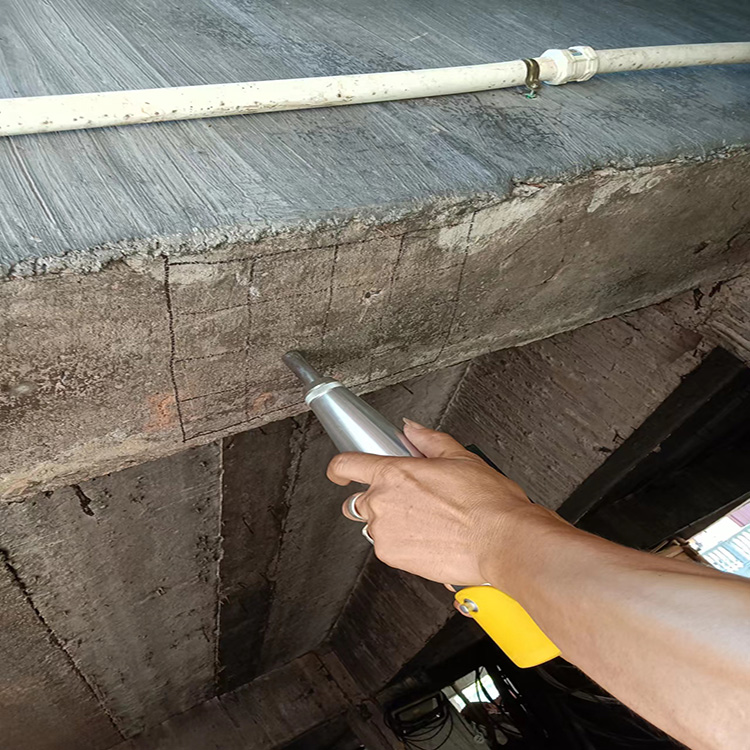 Huanggang Residential Structure Safety Assessment Standards, Third-Party Residential Inspection Agencies
Negotiable
Huanggang Residential Structure Safety Assessment Standards, Third-Party Residential Inspection Agencies
Negotiable
Common thermal insulation materials used in the construction industry Insulation materials for exterior walls generally include: Currently, commonly used thermal insulation materials for civil construction mainly include the following types:
Expanded Polystyrene Foam Board
During the process and usage of building thermal insulation materials, foam plastic boards are commonly used, and in construction, plastic boards are widely used due to their light weight and ease of installation. Extruded polystyrene foam boards are also among the frequently used thermal insulation materials in construction, with the basic composition being polystyrene compounds. Under certain catalysts, polystyrene compounds can produce foam boards with high hardness. The advantages of extruded polystyrene foam boards include: good water absorption, strong moisture resistance, low thermal conductivity, and strong compressive strength. Therefore, the application range of this foam board is expanding gradually.
2 Styrofoam Plastic Sheets
Styrene foam plastic is primarily made from expandable polyethylene beads as raw materials. If this raw material is heated and pre-puffed, it can be shaped within molds. Its main structural feature is the presence of numerous closed small pores, with key functional advantages including good thermal conductivity and load-bearing capacity—2002 Standard for Insulating Foam Plastic Sheets (EPS Boards) Used for Insulation. For exterior wall coatings, the density should be equal to or greater than 18 kg/m3; for exterior wall tiles, the density should be equal to or greater than 22 kg/m3. According to GB 10801.1—2002, polystyrene foam insulation boards are classified into six categories based on apparent density; and into ordinary and flame-retardant types based on flame-retardant properties.
Inorganic Glass Bead Insulating Mortar
This material has a wide application range. It primarily uses vitrified microbeads as the main aggregate, cement as the binder, and is mixed with additives. The vitrified microbeads are processed under high temperatures to form spherical glassy mineral materials, characterized by low thermal conductivity, good heat insulation, and excellent fire resistance. The construction process is simple, the thermal insulation performance is long-lasting, and it enhances the utilization benefits.
4. Rigid Polyurethane Waterproof Insulation Material
This thermal insulation material is a new type of energy-saving insulation material, combining the three types mentioned above. It is produced through a polymerization reaction of polyurethane and certain catalysts and foaming agents, belonging to high molecular weight energy compounds. Therefore, it boasts comprehensive quality among all energy-saving insulation materials. Moreover, the construction technology of this building material is highly mature, and it is expected to have excellent development and application prospects in the future.
Insulation Material Testing Scope
Raw Materials: Alumino-silicate thermal insulation material, rubber-plastic thermal insulation material, inorganic thermal insulation material, foamed thermal insulation material, perlite thermal insulation material, ceramic thermal insulation material, polystyrene particle thermal insulation material, polyurethane thermal insulation material, etc.
Performance: Fire-resistant and thermal insulation materials, energy-saving insulation materials, etc.
Applications: Exterior thermal insulation materials, pipe insulation materials, interior wall insulation materials, building thermal insulation materials, etc.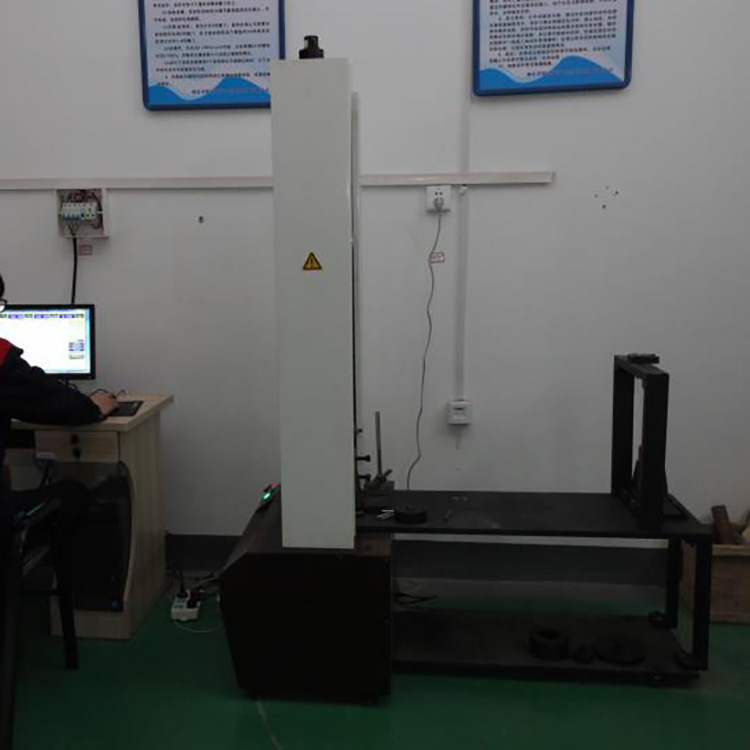
1. Please provide the qualified certificate for the insulation material, the manufacturer's inspection report, and the material re-inspection report (note that a report from an energy-saving qualified institution is required), and if it's insulating cotton or similar, a fire-resistant material grade detection report is also needed. Additionally, the insulation material must have an energy-saving material permit or approval issued by the local energy-saving office.
2. Exterior wall insulation construction records, concealed wall insulation acceptance records, exterior wall insulation project inspection batch acceptance records. Exterior wall insulation energy-saving project inspection batch acceptance records, acceptance records for various sub-items and sub-projects.
3. Complete set of material data, construction records, item acceptance records, and sub-project acceptance records for the completed project.
Exterior wall insulation is composed of materials such as polymer mortar, glass fiber mesh, flame-retardant expanded polystyrene (EPS) or extruded polystyrene (XPS) boards, and is installed through on-site adhesive bonding.
The new thermal insulation and decorative integrated board is produced on an assembly line, combining functions such as thermal insulation, waterproofing, and decorative finishes. It is an ideal material to meet the current energy-saving requirements in building construction, enhance the thermal insulation level of industrial and residential building facades, and is also suitable for energy-saving renovations of existing buildings.
Insulation boards, generally including polystyrene, extruded polystyrene, and polyurethane boards, etc.
2. Insulating mortar, which is inexpensive, has been strictly limited in use in certain areas (note: not banned), yet some small regions are still employing it.
3. Other new technologies, such as self-insulating masonry, foamed (coated) insulation layers, etc.
There are many items to inspect. Let's take the commonly used thermal insulation board as an example. Generally, the following items require sampling and re-inspection:
Insulating board
2. Adhesive mortar
3. Crack-Resistant (Coating) Mortar
4. Reinforce the mesh fabric
5. Anchor bolts
6. System Drawing Test
Raw material testing items include thermal conductivity, compressive strength, and dry density. For the same condition test blocks, measure the thermal conductivity with a size of 300*300*30, and the compressive strength with a size of 100*100*100.
Inorganic thermal insulation mortar, plywood, flame-retardant boards, extruded boards, expanded boards, expanded perlite boards, homogeneous boards, polyurethane boards, cement foamed boards, fire-resistant coatings, mineral wool sound-absorbing boards, rock wool boards, glass wool boards, phenolic boards, gold boards, black gold boards, wall panels, foamed concrete, and other insulation materials.

Phone Consultation