
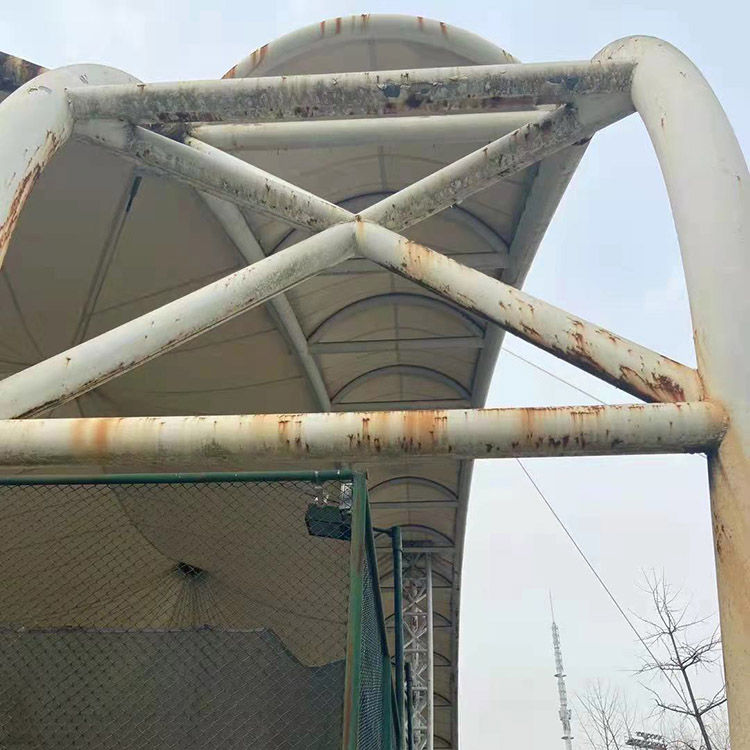
 Jiang'an District Steel Structure Factory Safety Inspection and Appraisal Material Re-examination Center
 Enshi Lightning Protection Device Safety Inspection Qualification Annual Lightning Protection Inspection Institution
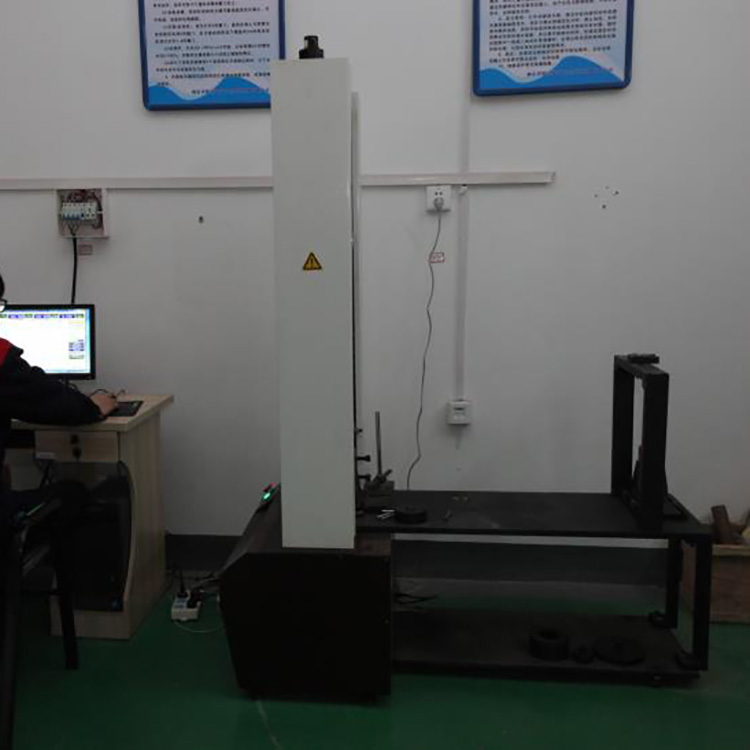 Ezhou Compound Gypsum Board Entry Requirement: Material Sampling Unit Inspection
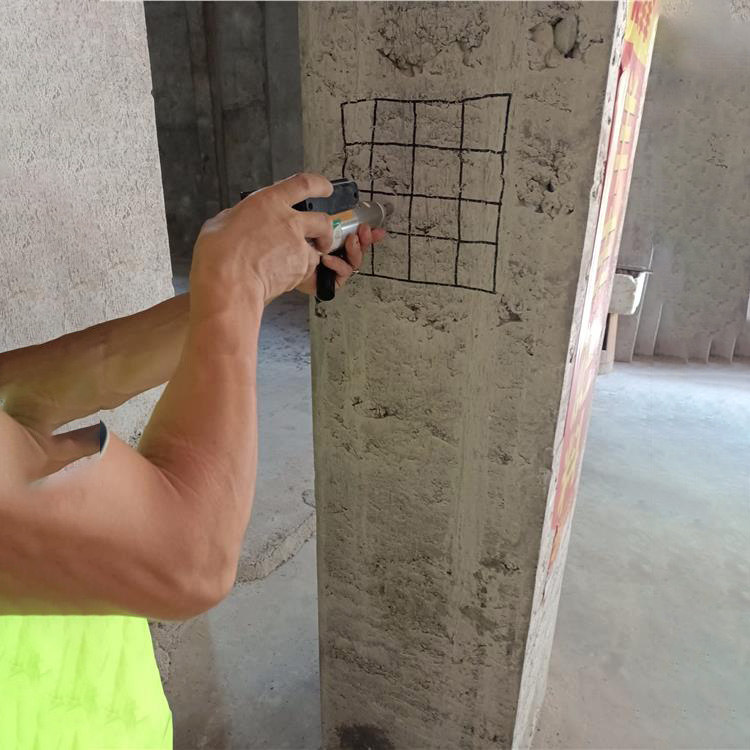 Huangmei Modular Structure On-site Inspection Physical Inspection Items
Product Details

Construction engineering and construction, construction quality inspection, i...


产品Price Negotiable
最小起订Quantity:1 square meters 供货总Quantity: 20000 square meters


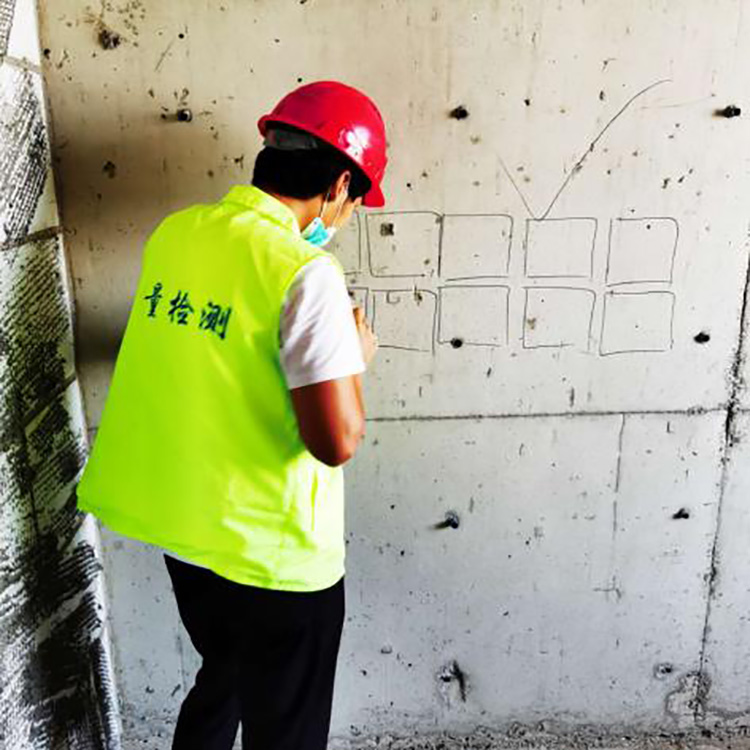 Enshi Office Building Addition Renovation Inspection and Building Safety Assessment
Negotiable
Enshi Office Building Addition Renovation Inspection and Building Safety Assessment
Negotiable
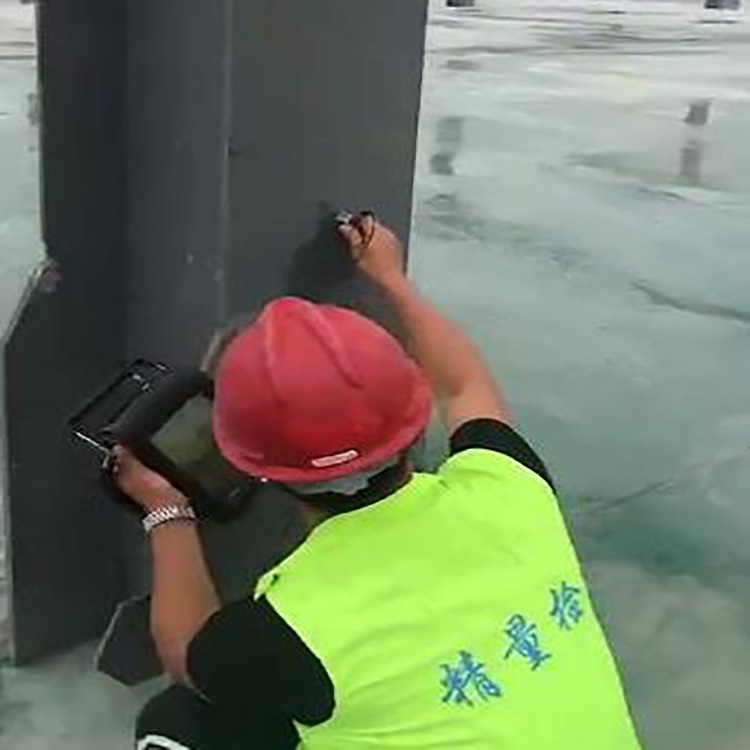 Tenyan Sports Venue Building Main Structure Safety Inspection Standards
Negotiable
Tenyan Sports Venue Building Main Structure Safety Inspection Standards
Negotiable
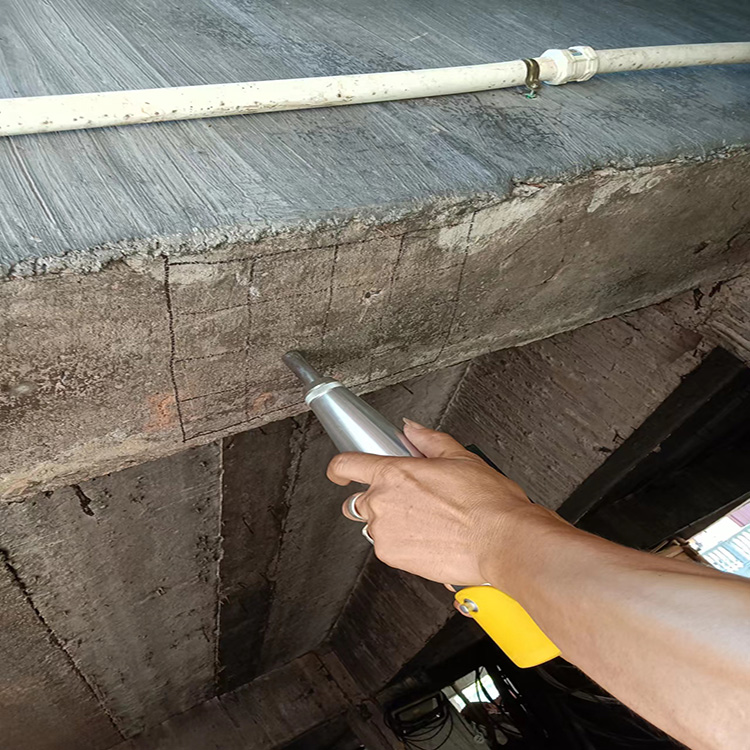 Huanggang Residential Structure Safety Assessment Standards, Third-Party Residential Inspection Agencies
Negotiable
Huanggang Residential Structure Safety Assessment Standards, Third-Party Residential Inspection Agencies
Negotiable
Observation of tilt and settlement of residential buildings in Wuhan, safety assessment of house buildings, and deformation measurement during construction should comply with the following regulations: Wuhan Residential Building Tilting and Settlement Observation: Main Technical Criteria for House Safety Assessment Point arrangement for measuring uneven settlement of houses
1. For various types of buildings, settlement monitoring should be conducted, including site settlement monitoring, foundation soil stratified settlement monitoring, and slope displacement monitoring.
2. For excavation projects, deformation monitoring of the excavation and its support structures, as well as surrounding environmental deformation monitoring, should be conducted. For first-class excavations, rebound monitoring of the excavation should be implemented.
3. Slope monitoring should be conducted for high-rise and multi-story buildings.
4. When cracks appear in the building structure, crack monitoring should be conducted.
5. Other types of deformation monitoring should be conducted when required for residential and construction projects.
Observation of building tilt and settlement in residential structures in Wuhan, safety assessment of house safety, and measurement of deformation during the use of building structures shall comply with the following regulations:
1.沉降 monitoring should be conducted for various types of buildings.
2. Horizontal displacement monitoring and tilt monitoring should be conducted for high-rise buildings, high-rise residential buildings, and tall structures.
3. For high-rise building construction, deflection monitoring, solar deformation monitoring, and wind-induced deformation monitoring should be conducted.
4. For large-span building structures such as bridges, exhibition halls, and sports facilities, deflection monitoring and wind-induced deformation monitoring should be conducted.
5. Convergence and deformation monitoring should be conducted for tunnels and culverts.
6. When cracks appear in the building structure, crack monitoring should be conducted.
7. Surrounding environment deformation monitoring should be conducted when the operation of building construction affects the surrounding environment.
8. For high-rise buildings, large-span structures, non-standard buildings, as well as underground public facilities, culverts, bridges, and tunnels, it is advisable to conduct structural health monitoring.
9. Other types of deformation monitoring should be conducted when needed for the operation and management of building structures.
During the settlement observation operations, strictly adhere to the following specifications:
(1) "Code for Measurement of Building Deformation" (JGJ 8-2016)
(2) "Specification for Grade I and II Geodetic Surveys in Regions" (GB12897-2006)
(3) "Code for Design of Foundations of Buildings" (GB50007-2011).
1) At the corners of the building, cylinder corners, large turning corners, and every 10-20 meters along the outer wall, or every 2-3 column bases.
2) Both sides of intersections at high and low-rise buildings, new and old structures, and cross and longitudinal walls;
3) Building cracks, sides of post-pouring strips and settlement joints, areas with significantly different foundation burial depths, interfaces between artificial foundations and natural ground, boundaries between different structural elements, and the dividing lines of fill and excavation.
4) For buildings in areas with widths of 15m or more, or less than 15m with complex geology or expansive soil, an interior wall point should be installed at the center of the load-bearing partition, and ground points should be set at the center of the indoor floor and around its perimeter.
5) Near areas of heavy stacking, locations significantly affected by vibration, and beneath hidden ditches (gullies) under foundations;
6) On each or part of the column foundations of frame-structured buildings, or along the longitudinal and transverse axes.
7) At the corners and central positions of raft foundations, box foundation slabs, or structural parts near the foundation.
8) At the corners of heavy equipment foundations and power equipment foundations, where the foundation form or burial depth changes, and on both sides of geological condition changes.
9) For tall structures such as TV towers, chimneys, water towers, oil tanks, refining towers, and blast furnaces, they should be positioned symmetrically along the perimeter intersecting the foundation axis, with at least 4 points.

Phone Consultation