
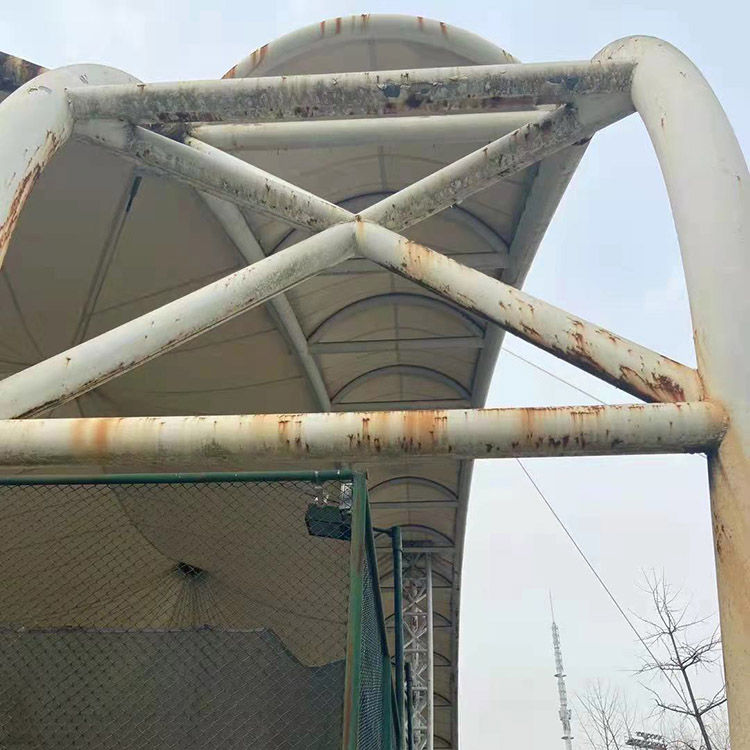
 Jiang'an District Steel Structure Factory Safety Inspection and Appraisal Material Re-examination Center
 Enshi Lightning Protection Device Safety Inspection Qualification Annual Lightning Protection Inspection Institution
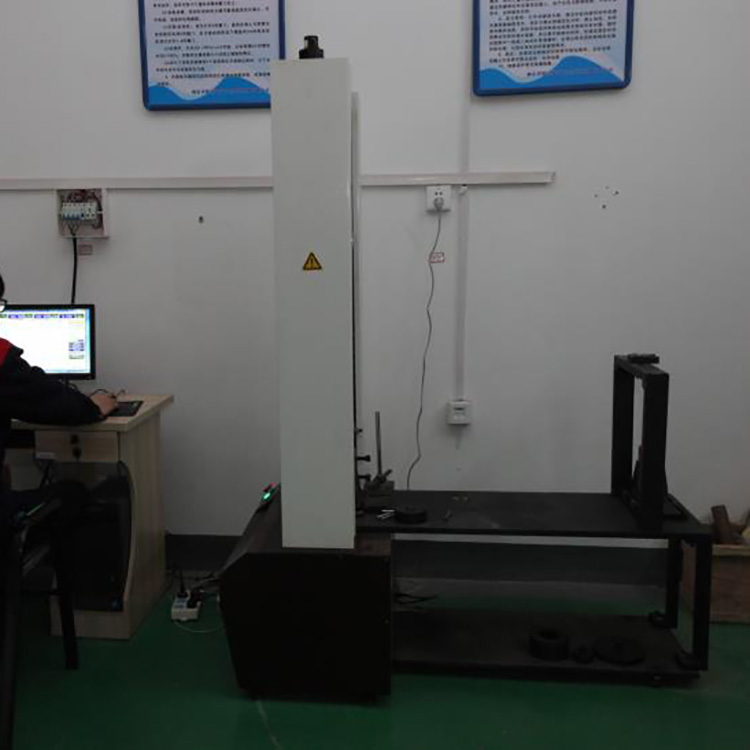 Ezhou Compound Gypsum Board Entry Requirement: Material Sampling Unit Inspection
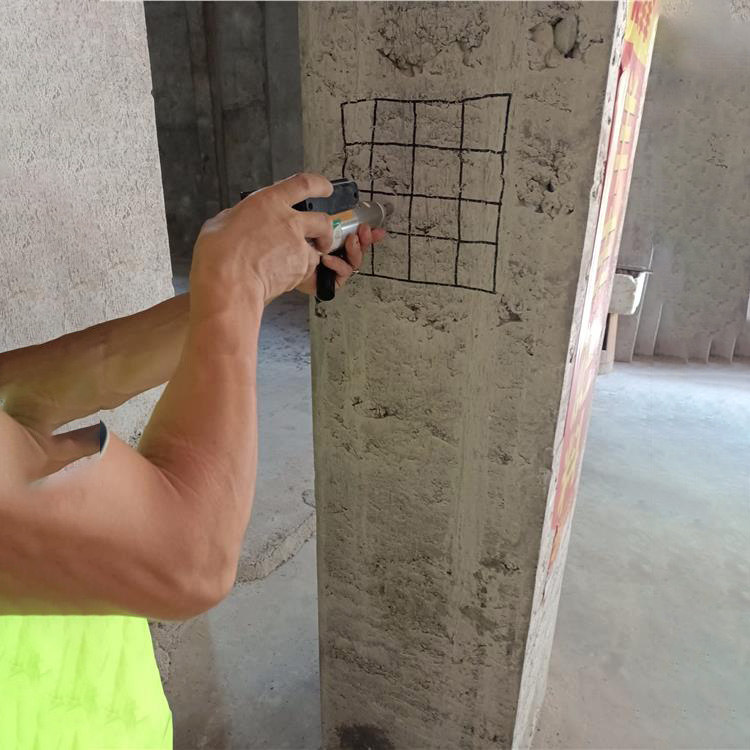 Huangmei Modular Structure On-site Inspection Physical Inspection Items
Product Details

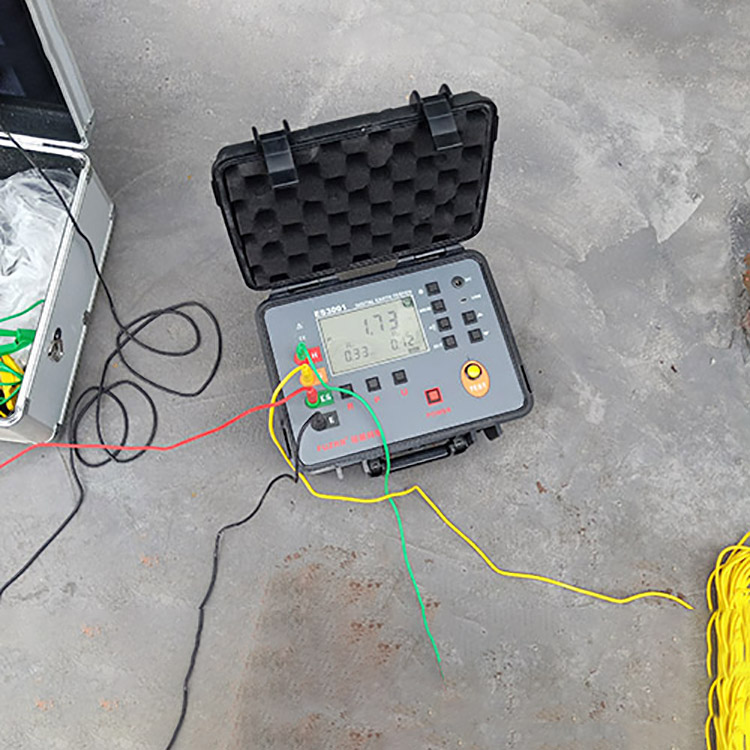
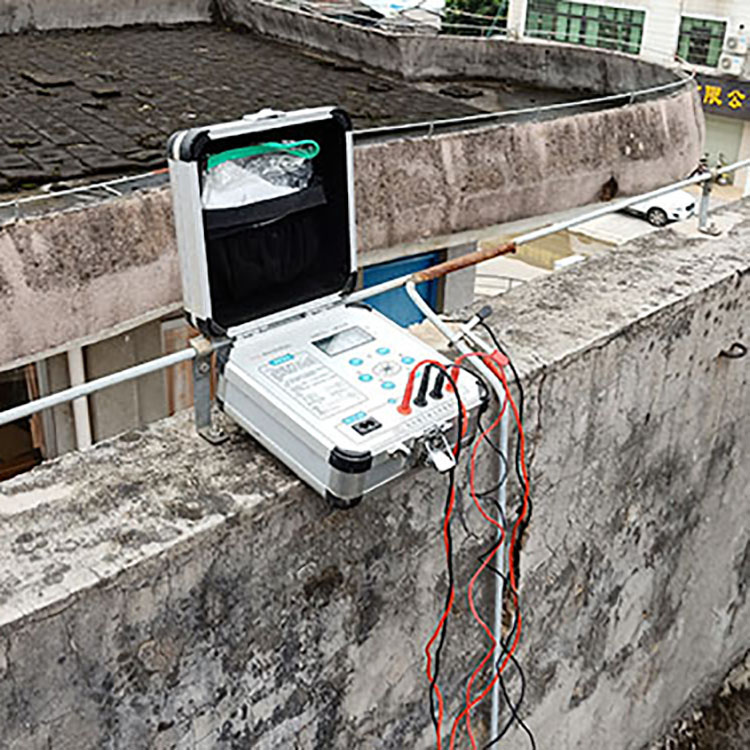
Construction engineering and construction, construction quality inspection, i...
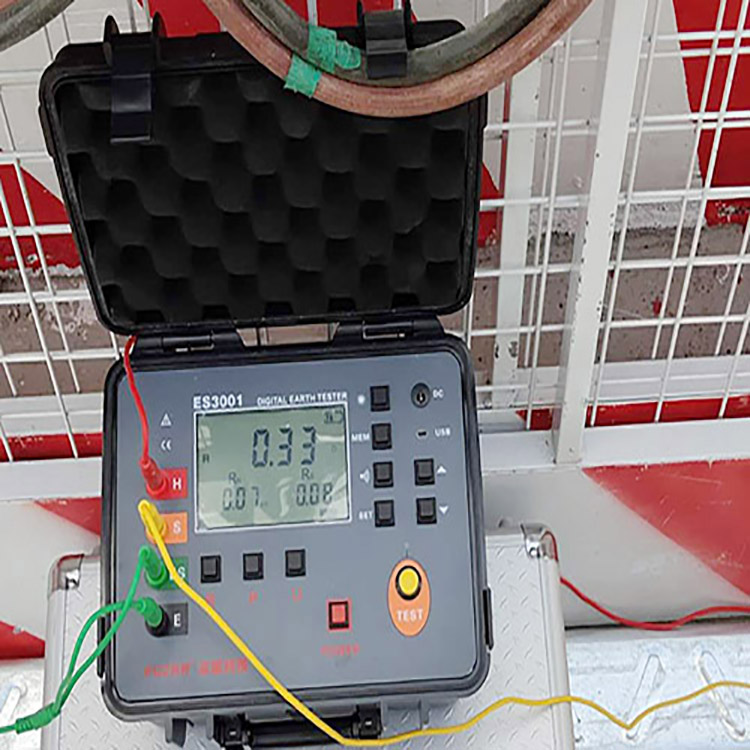
产品Price Negotiable
最小起订Quantity:1 square meters 供货总Quantity: 20000 square meters


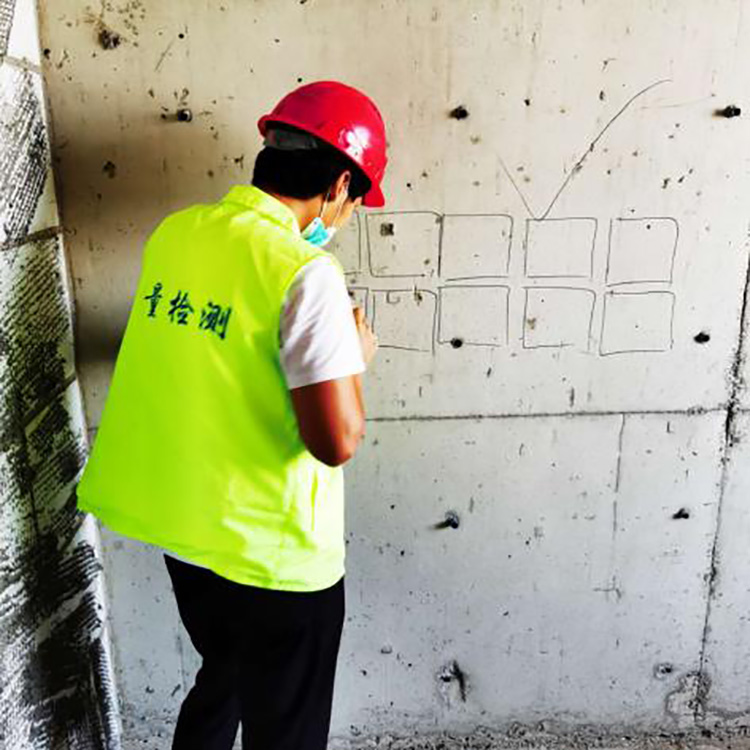 Enshi Office Building Addition Renovation Inspection and Building Safety Assessment
Negotiable
Enshi Office Building Addition Renovation Inspection and Building Safety Assessment
Negotiable
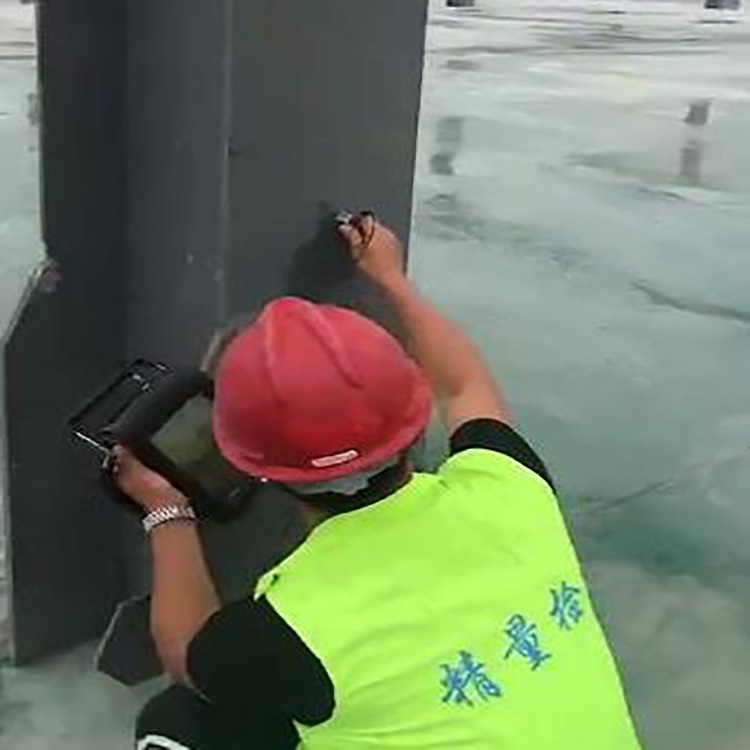 Tenyan Sports Venue Building Main Structure Safety Inspection Standards
Negotiable
Tenyan Sports Venue Building Main Structure Safety Inspection Standards
Negotiable
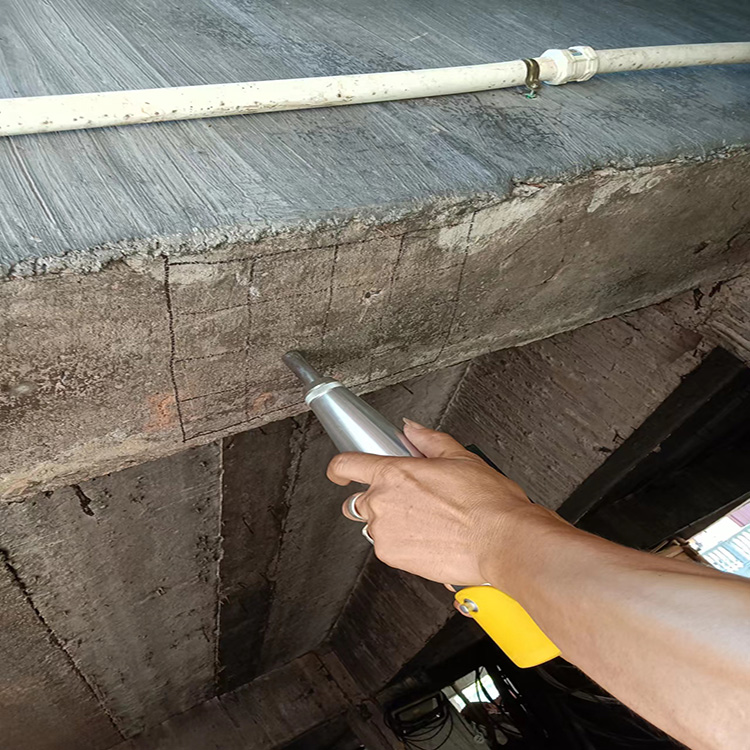 Huanggang Residential Structure Safety Assessment Standards, Third-Party Residential Inspection Agencies
Negotiable
Huanggang Residential Structure Safety Assessment Standards, Third-Party Residential Inspection Agencies
Negotiable
01. Class I Lightning Protection Structures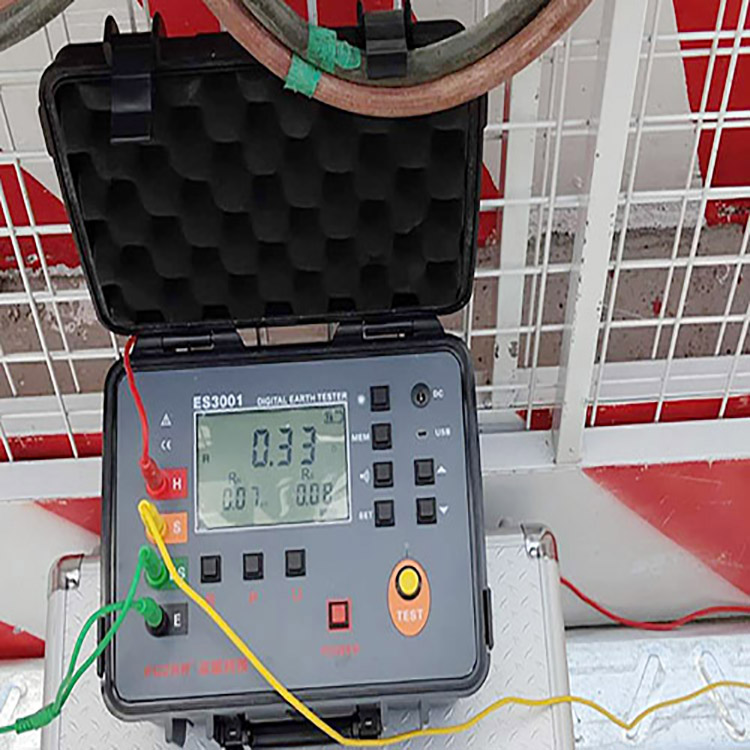
Buildings used for manufacturing, using, or storing large quantities of explosives, fireworks, or other hazardous materials; these structures are prone to explosion upon spark and may cause personal injury and economic loss.
2. Buildings with explosive hazardous areas in Zones 0 or 20.
3. Buildings in Hazardous Areas 1 or 21, prone to explosion due to electric sparks, which can cause damage and personal injury.
02. Class 2 Lightning Protection Structures
Heritage-protected buildings.
2. Assembly halls, office buildings, large exhibition and convention buildings, major train stations, national hotels, archives, and crucial water supply pump rooms in major cities.
3. Buildings of significant importance to the national economy, such as data centers and communication hubs, equipped with extensive electronic equipment.
4. Regions and large stadiums.
5. Buildings for manufacturing, using, or storing explosive materials, where electrical sparks are unlikely to cause explosions or lead to destruction or personal injury.
6. Buildings in environments where explosive gas mixtures may occur under normal conditions, where electric sparks are unlikely to cause an explosion or result in damage or personal injury.
7. Buildings at the provincial or ministerial level, as well as other significant or densely populated public structures, where the expected lightning strike frequency exceeds 0.05 strikes per year.
8. Residential and commercial buildings, such as office buildings, with an expected lightning strike frequency greater than 0.25 strikes per year.
9. Explosion-hazardous steel enclosed gas tanks exposed to the open air within industrial enterprises.
Buildings that, under normal conditions, should not contain explosive gas mixtures but occasionally do in abnormal conditions, or that normally do not contain explosive dust or fibers but occasionally do during abnormal operations.
03. Three-Category Lightning Protection Buildings
1. Buildings protected as provincial cultural heritage sites and provincial archives.
2. Buildings at the provincial or municipal level, including departments with an expected lightning strike frequency of 0.01 to 0.05 strikes per annum, as well as other important or densely populated public buildings, and fire hazard areas.
3. Residential, office buildings, and general civil or industrial structures with an expected lightning strike frequency of 0.05 strikes/a or more, but no more than 0.25 strikes/a.
4. In areas with an average thunderstorm day count greater than 15 d/a, isolated tall structures such as chimneys, water towers, etc., with a height of 15m or more; in areas with an average thunderstorm day count of 15 d/a or less, isolated tall structures such as chimneys, water towers, etc., with a height of 20m or more.

Phone Consultation