
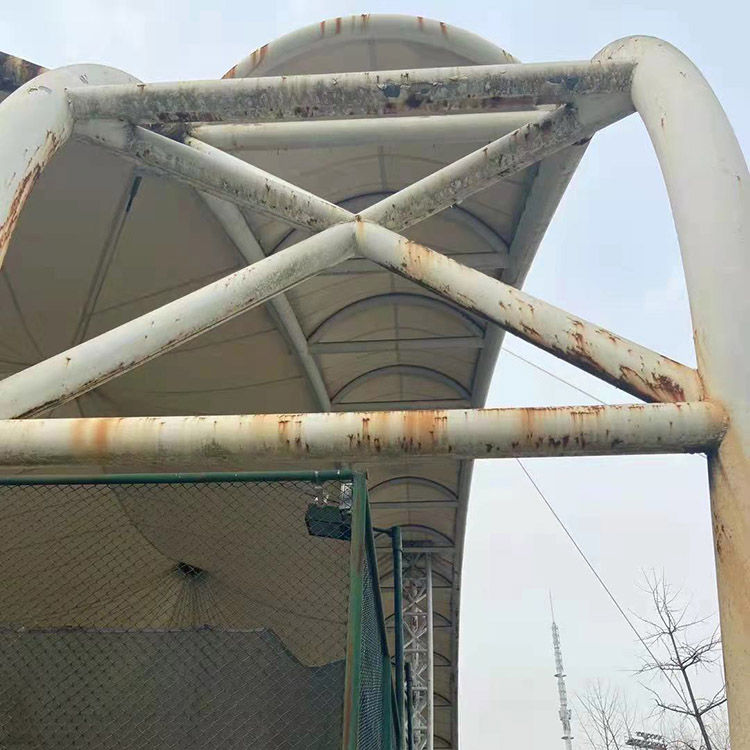
 Jiang'an District Steel Structure Factory Safety Inspection and Appraisal Material Re-examination Center
 Enshi Lightning Protection Device Safety Inspection Qualification Annual Lightning Protection Inspection Institution
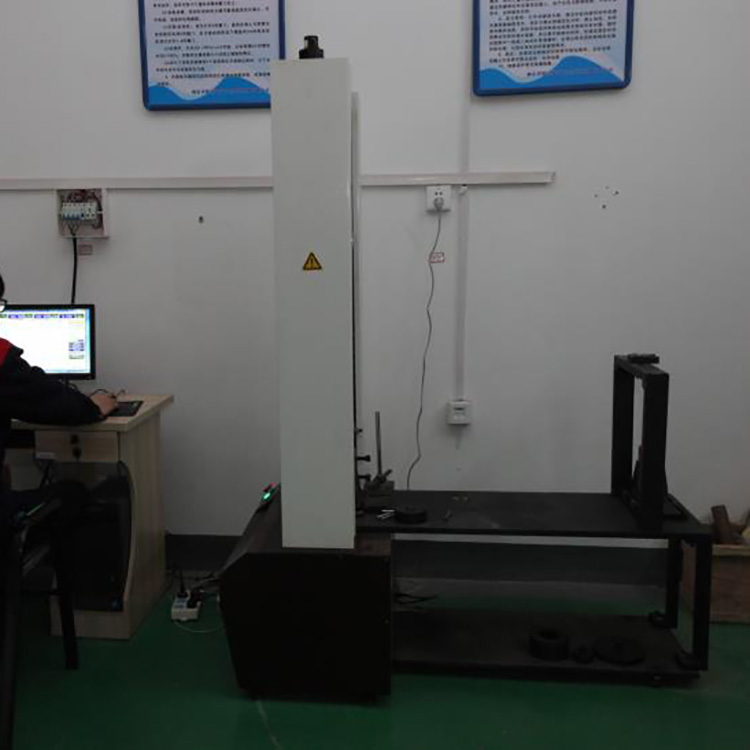 Ezhou Compound Gypsum Board Entry Requirement: Material Sampling Unit Inspection
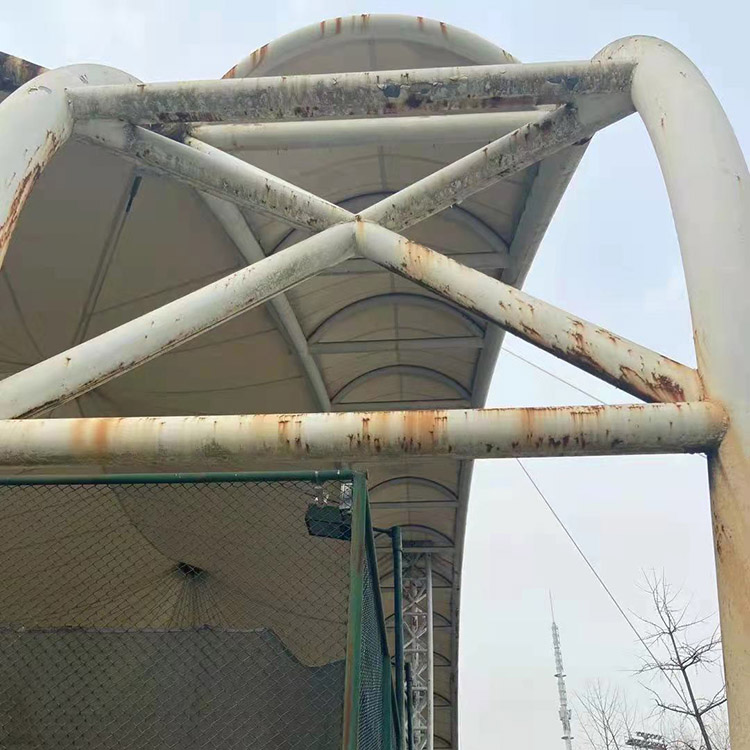
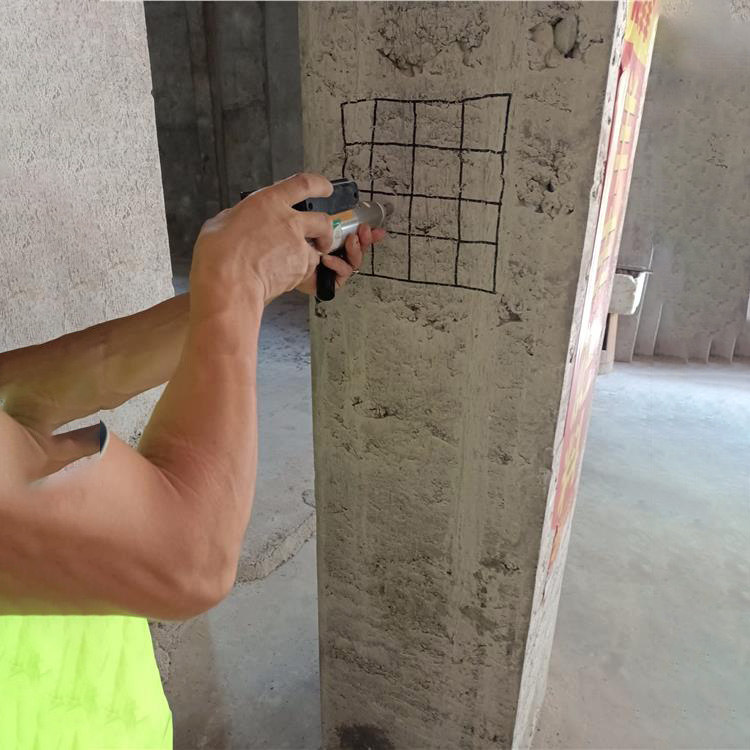 Huangmei Modular Structure On-site Inspection Physical Inspection Items
Product Details

Construction engineering and construction, construction quality inspection, i...




产品Price Negotiable
最小起订Quantity:1 Piece 供货总Quantity: 20000 Piece


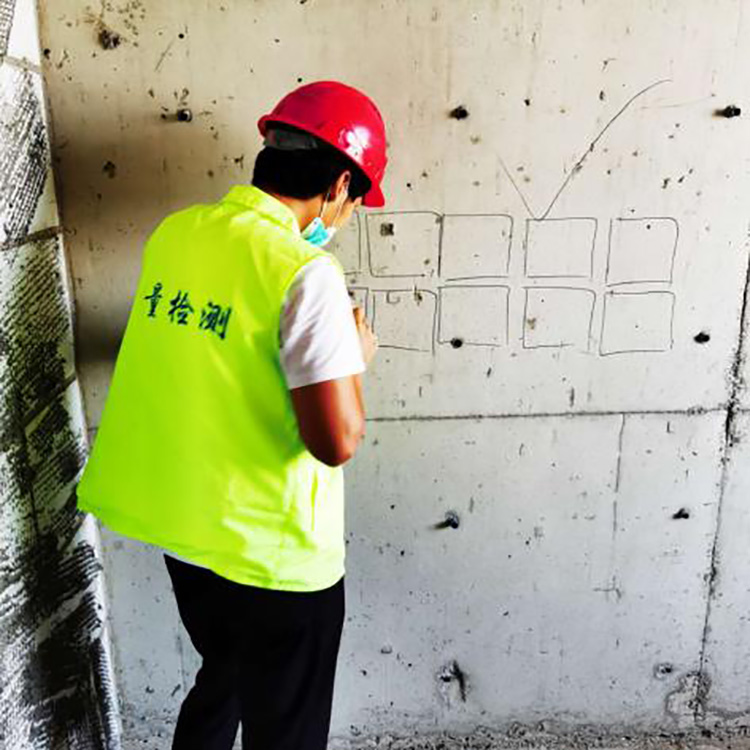 Enshi Office Building Addition Renovation Inspection and Building Safety Assessment
Negotiable
Enshi Office Building Addition Renovation Inspection and Building Safety Assessment
Negotiable
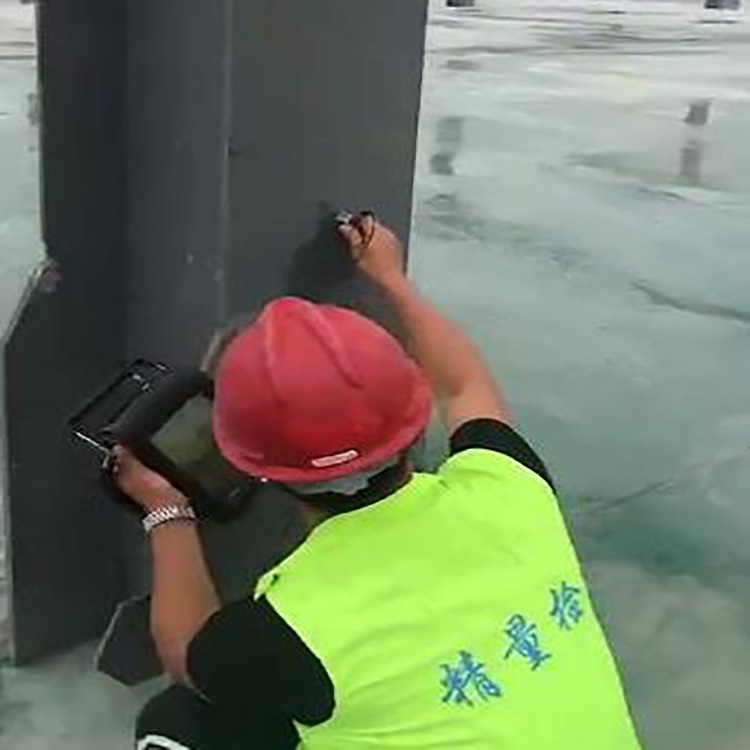 Tenyan Sports Venue Building Main Structure Safety Inspection Standards
Negotiable
Tenyan Sports Venue Building Main Structure Safety Inspection Standards
Negotiable
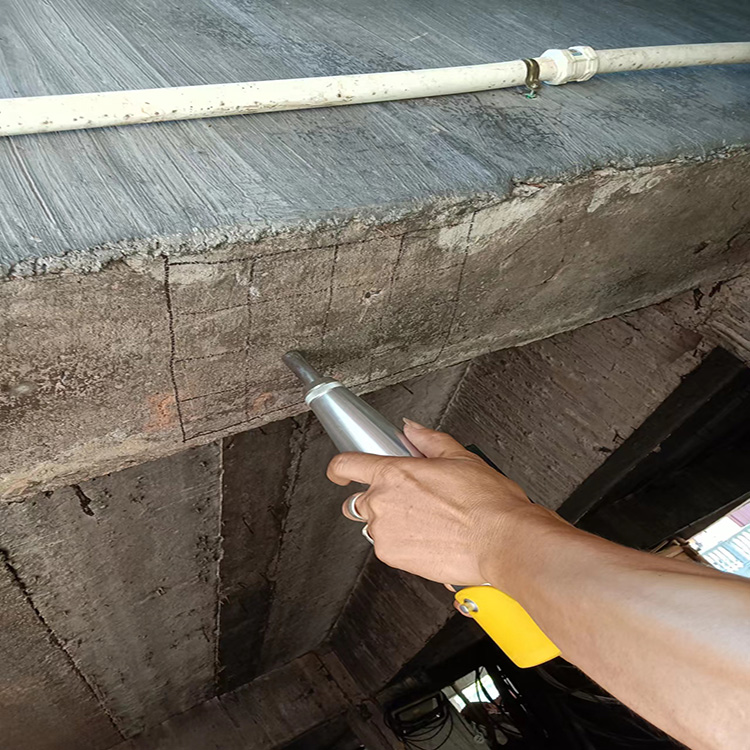 Huanggang Residential Structure Safety Assessment Standards, Third-Party Residential Inspection Agencies
Negotiable
Huanggang Residential Structure Safety Assessment Standards, Third-Party Residential Inspection Agencies
Negotiable
Riverbank Pillar Billboard Non-Destructive Inspection Unit 1. Riverbank Pillar Billboard Non-Destructive Inspection Unit Advertising Facilities On-Site Inspection Content 1) Determine the type of advertising facilities: Rooftop trusses, steel structure wall-mounted billboards, column grid structures. 2) On-site work involves the following two scenarios: a. Field measurement without drawings: dimensions of panel frames, component models, rivet (bolt) spacing; dimensions of the rear structure frame, component models, and connection methods; connection methods between the panel frame and the structural system, and between the structure and the ground, roof, and wall; sketching with specific dimensions and clear model identification. b. Field verification with drawings: differentiate between primary and secondary load-bearing components, verify the models and connection methods of all primary components against the actual structure and drawings, conduct spot checks on secondary components, and record structures and members that do not match the drawings. 2. Testing Criteria The technical content of calculations and on-site inspections for billboards shall be executed in accordance with the current national standards. GB 50009 Code for Load Design of Building Structures; GB 50010 Code for Design of Concrete Structures; GB50017 Code for Design of Steel Structures; GB50007 Code for Design of Foundation Engineering; GB50011 Code for Seismic Design of Buildings; GB50204 Code for Quality Acceptance of Construction of Concrete Structures; GB 50205 Code for Quality Acceptance of Construction of Steel Structures; CECS 148 Technical Code for Steel Structures of Outdoor Advertising Facilities; GB 50057 Code for Lightning Protection Design of Buildings; GB/T50344 Standard for Technical Standards of Building Structure Testing. 3 Load Capacity Verification The forces acting on outdoor billboards can be divided into two categories: static forces and variable forces. Static forces include the structural self-weight, the self-weight of the billboard or fixed equipment (such as lighting facilities), the self-weight of the operating platform, the soil weight, soil pressure, and ground deformation of the ground-mounted billboard. Variable loads consist of wind loads, ice loads, snow loads, installation and maintenance loads, frequent seismic actions, and temperature changes. In the inspection of billboards, the primary consideration is wind loads and structural self-weight. Billboard connection structure analysis and detection technical requirements Billboard connection structure inspection includes items such as welding connection inspection, bolt (screw) connection inspection, bolt connection inspection, and high-strength bolt connection inspection. For the strong joint welds that need to be inspected on billboards without design requirements, fully welded, and fully designed, for the first and second weld seams, ultrasonic testing methods can be employed. The test must comply with the following regulations: 1. Welding defect internal ultrasonic detection and classification should comply with "Manual Ultrasonic Testing Methods and Quality Grading for Steel Welds" GB11345. 2. When analyzing the quality of weld seam appearance design using the sampling survey method, the main approach can also be random inspection based on the customer's scope. The quality inspection methods and evaluation criteria for weld seam dimensions and appearance defects should be conducted in accordance with the provisions of the enterprise in GB 50205 "Code for Quality Acceptance of Construction Management of Steel Structure Construction Projects." 3. The mechanical properties of welding joints can be tested by sampling, but safety measures should be taken. The mechanical properties of the tensile test for welding joints are divided and applied on the bending surface after bending. Two test samples can be taken for each item. The sampling and testing methods for welding joints should comply with GB 2649, "Tensile Test Methods for Welding Joints," GB 2651, and "Bending and Compression Test Methods for Welding Joints" GB 2653. The connectors for the tensile test of welding joints must not have mechanical properties less than the base strength as per the "Sampling Methods for Welding Joint Inspection."

Phone Consultation